Which ev charger is fastest
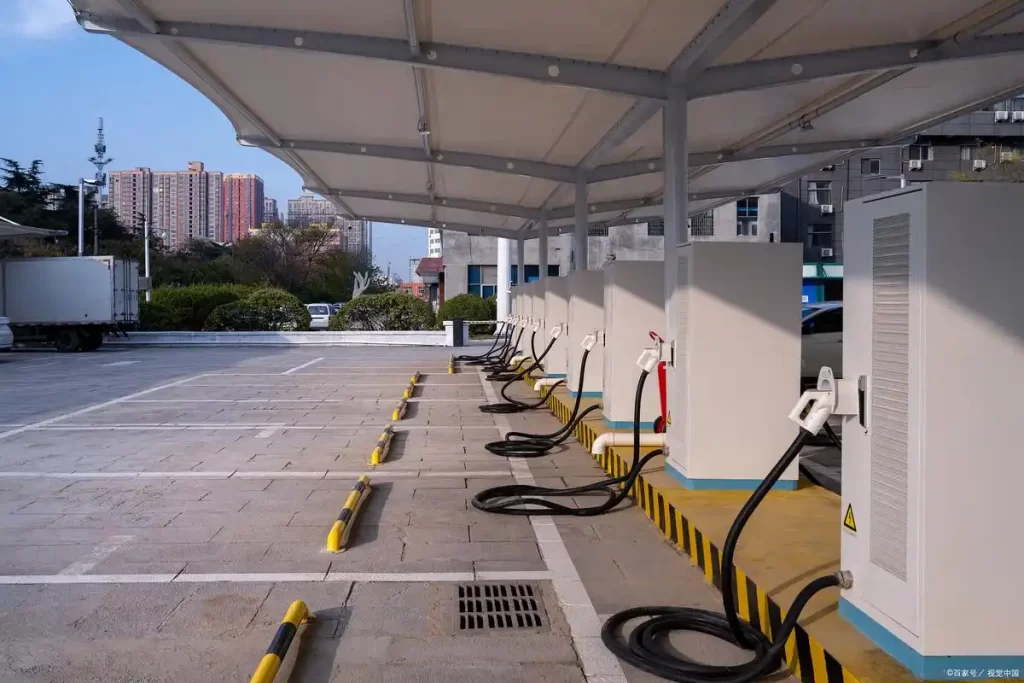
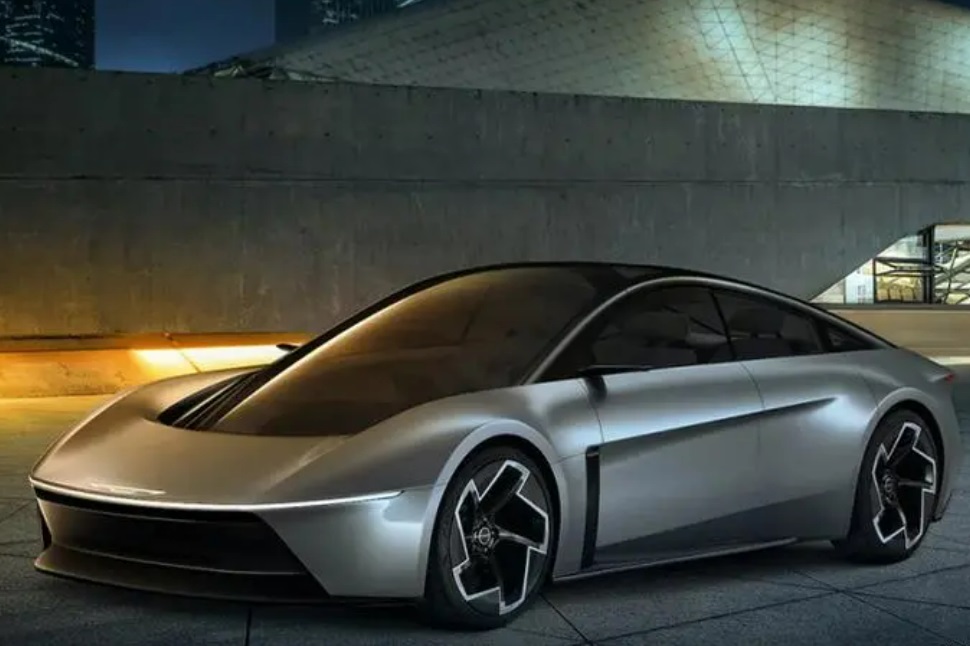
The ideal MEGA is the world’s fastest charging pure electric vehicle, its peak charging power can exceed 520kW, is equipped with 102kWh battery pack from 8% to 80% in just 11 minutes, can directly replenish 500km. The realization of this charging speed is due to the Kirin 5C battery created by Liwant in deep cooperation with Ningde Times. By improving the microscopic transfer rate of lithium ion and expanding the boundary of the battery’s over current capability, realizes the charging ratio from 4C to 5C, thus significantly improving the charging speed. In addition, the charging speed of MEGA is second only to that of polar krypton 007 and brand new polar krypton 001. is also famous for its 800V high voltage architecture and ultra-fast charging and replenighting ability, especially polar Krypton 007, its starting price is relatively low, is 209,900 yuan, provides a cost-effective choice. polar krypton 007 is equipped with different capacity battery packs, in which the world’s mass production of the fastest charging speed lithium iron phosphate battery with a maximum charging power of 500kW, charging 15 minutes of battery life can be increased by 500km, theoretical parameters are only slightly worse than the ideal MEGA 1.
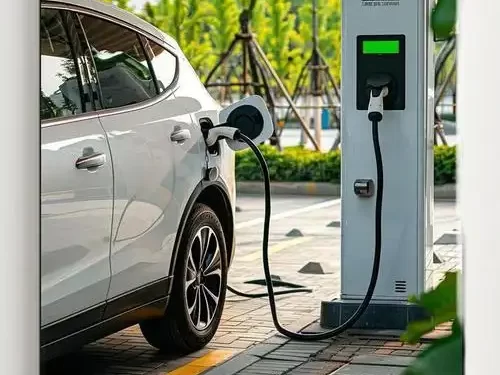
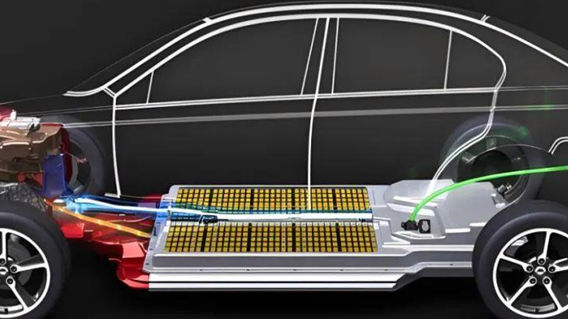
The fast charging capability of these models is mainly due to advanced battery technology and charging architecture, such as 800V high voltage platform and integrated battery technology, These technological advances enable electric vehicles to be quickly charged in a short period of time, greatly improving the convenience of use.

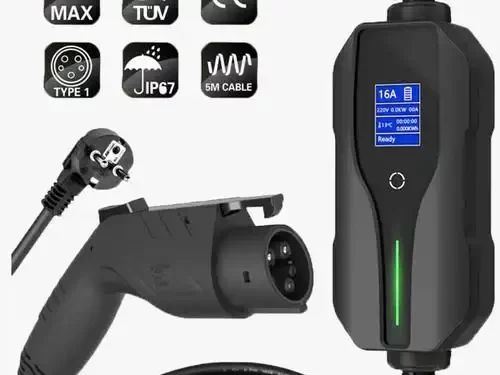
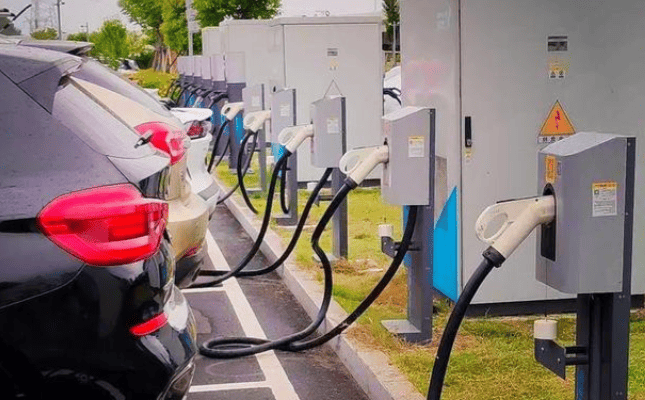
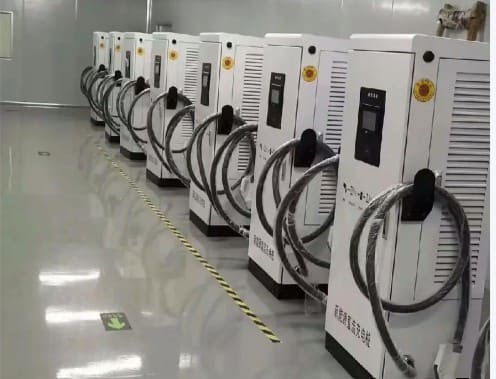
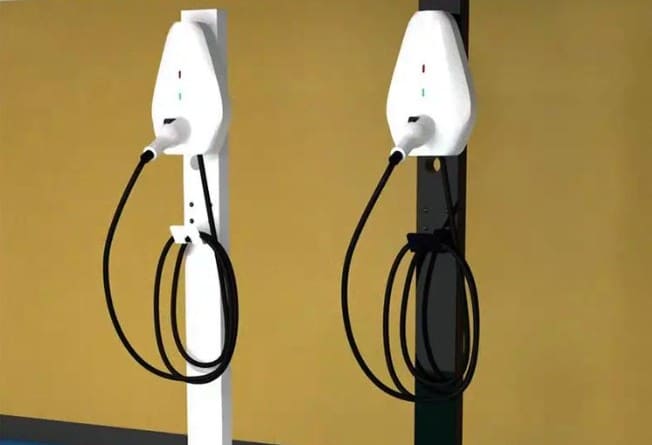
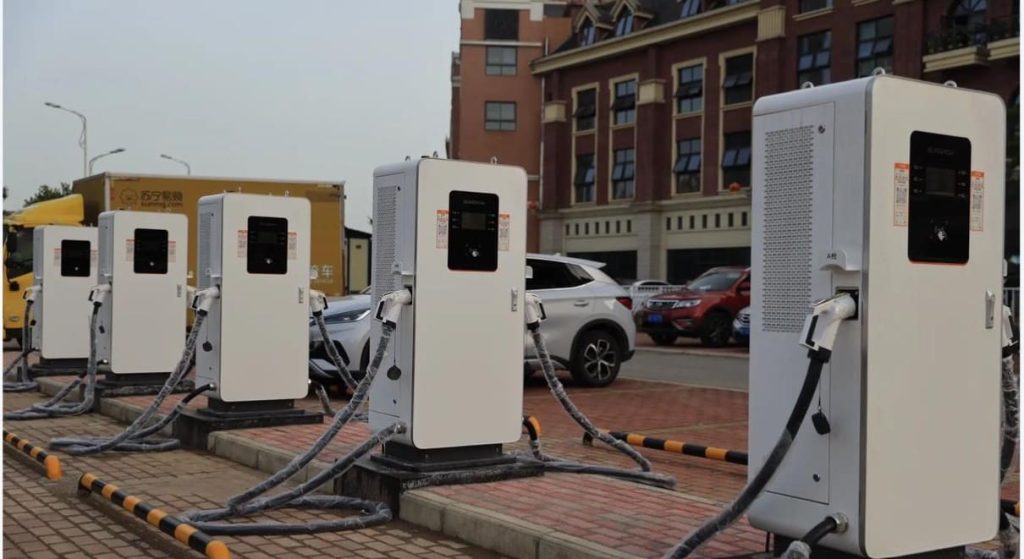
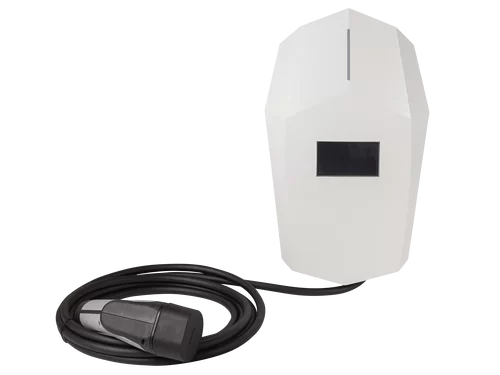
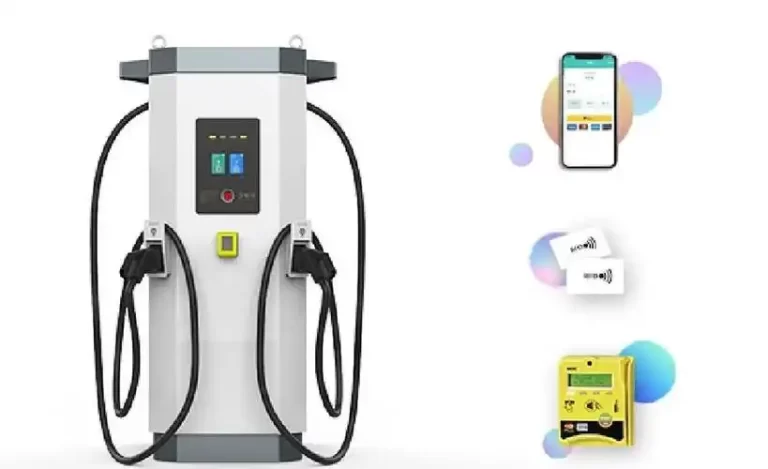
Related Fast EV Charger for Choice
According to actual test here are the 10 fastest :
TOP 1: Zhiji L6, the charging time is 38 minutes, the maximum charging power is 283.56kW, the average charging power is 162.06kW.
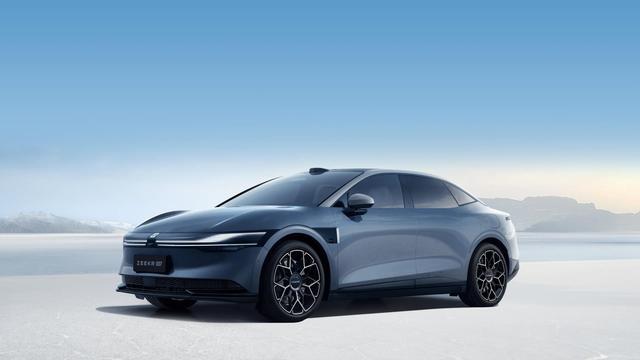
TOP2: Krypton ZEEKR 007, charging time 38 minutes, the maximum charging power of 282.5kW, the average charging power of 158.35kW.

TOP3: Mi SU7, charging time is 41 minutes, the maximum charging power is 281.59kW, the average charging power is 151.31kW.
TOP4: Denza N7 (Dual gun fast charge), charging time is 47 minutes, maximum charging power is 236.22kW, average charging power is 127.1kW.
TOP5: Avita 12, the charging time is 45 minutes, the maximum charging power is 237.38kW, the average charging power is 126.46kW.
TOP6: Hao Bao HT, the charging time is 53 minutes, the maximum charging power is 191.11kW, the average charging power is 119.75kW.
TOP7: Volvo EM90, charging time 63 minutes, maximum charging power of 151.84kW, average charging power of 111.35kW.
TOP8: Star Road Star Era ET, charging time 51 minutes, the maximum charging power is 256.75kW, the average charging power is 110.87kW.
TOP9: Intelligent S7, charging time 55 minutes, the maximum charging power is 255.45kW, the average charging power is 105.63kW.
TOP10: Xiaopeng G6, charging time is 52 minutes, the maximum charging power is 230.85kW, the average charging power is 105.38kW.