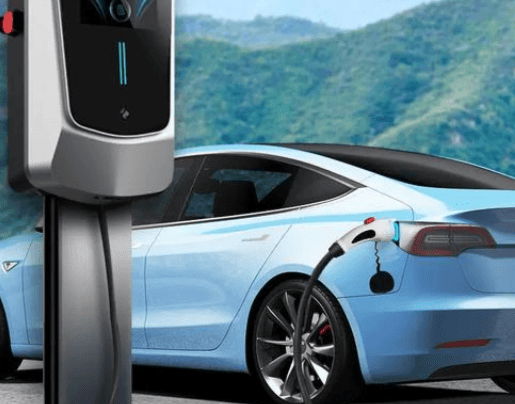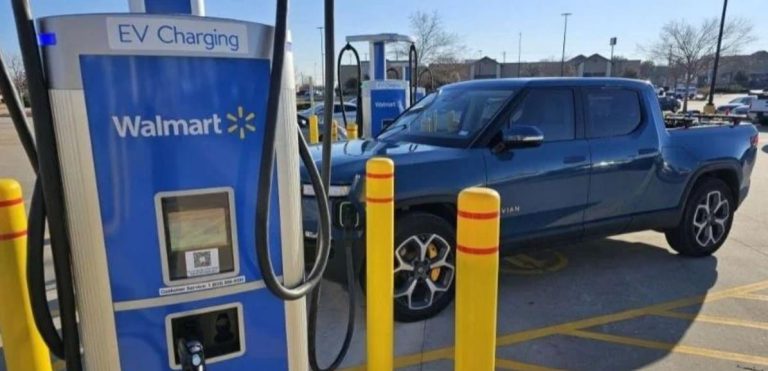
How much does it cost to charge an ev?
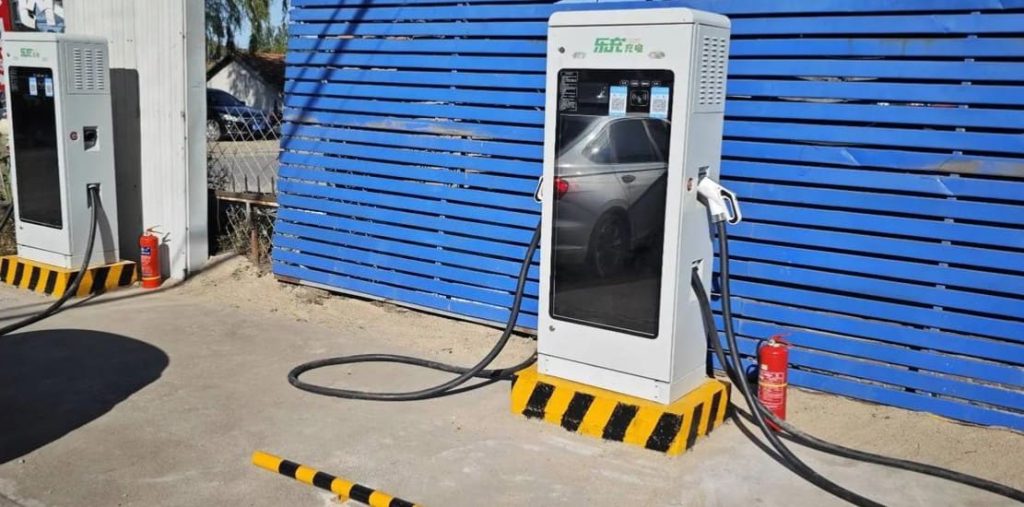
How Much Does It Cost to Charge an Electric Vehicle?
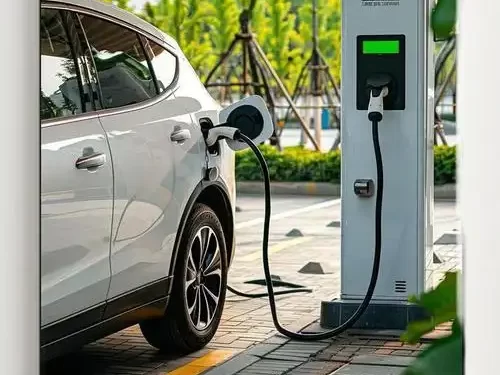
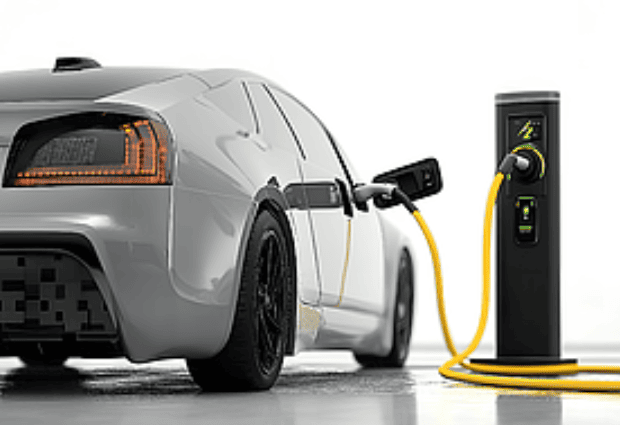
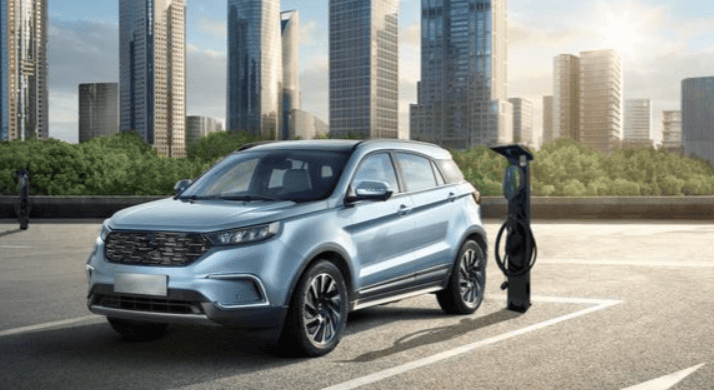
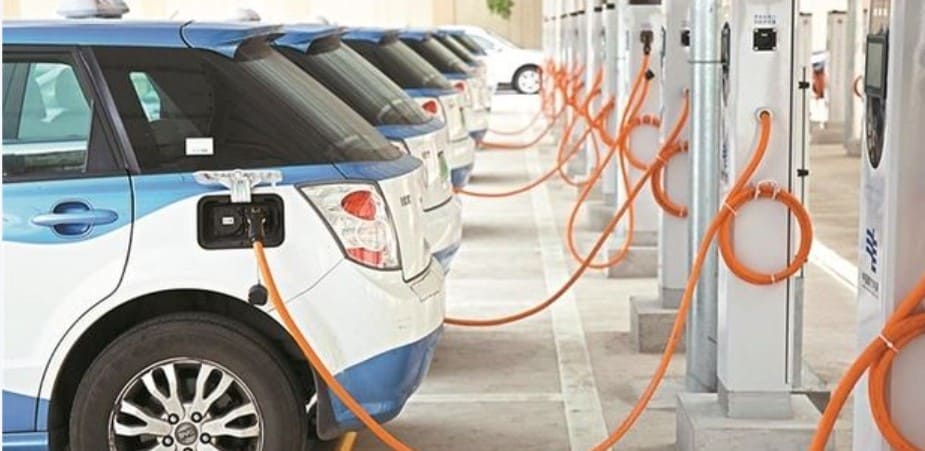
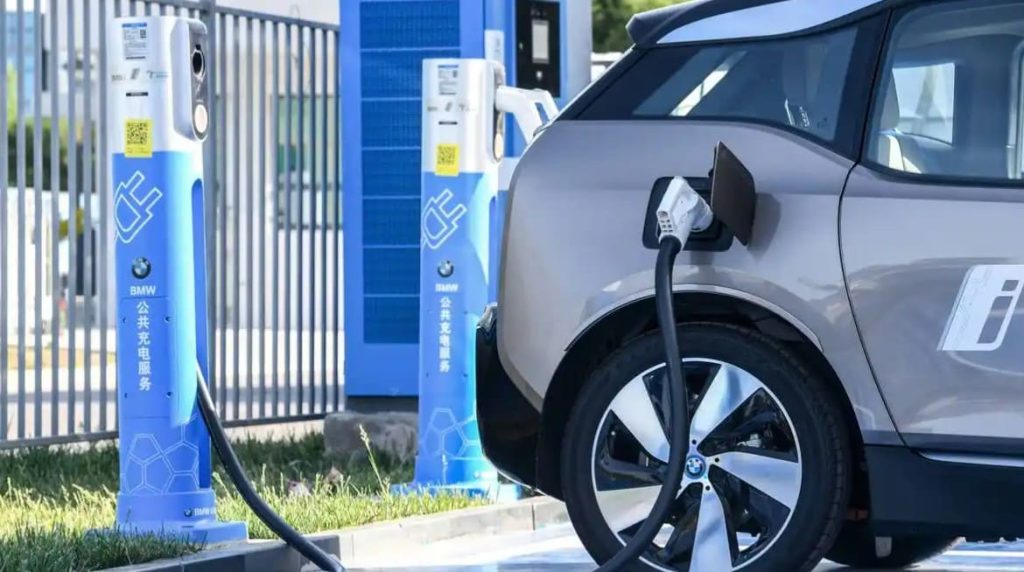
Electric vehicles (EVs) are 3–5 times less expensive per mile than gasoline vehicles, with full charges costing anywhere from $3 to $50, or $0.03 to $0.20 per mile, depending on the charging location, battery size, time of day, and local electricity rates. Traditional fueling costs are dominated by gas prices, but EV charging costs are a complicated web of utility regulations, infrastructure decisions, and driving behaviors. We break down each factor influencing how much it costs to power an EV below.
The Core Factors Driving Charging Costs
Four elements fundamentally determine your EV’s “refueling” bill:
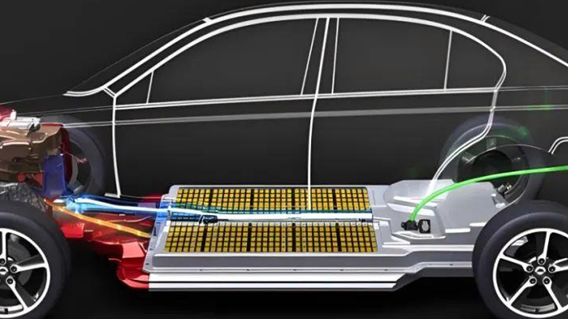
- Battery Capacity (kWh): Your EV’s “fuel tank” size. A compact EV (e.g., 30 kWh battery) costs far less to fill than a long-range model (e.g., 100 kWh).
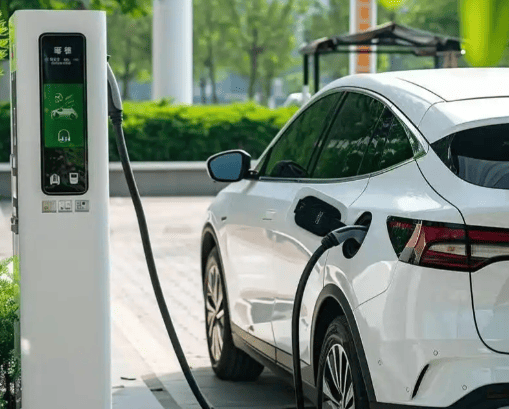
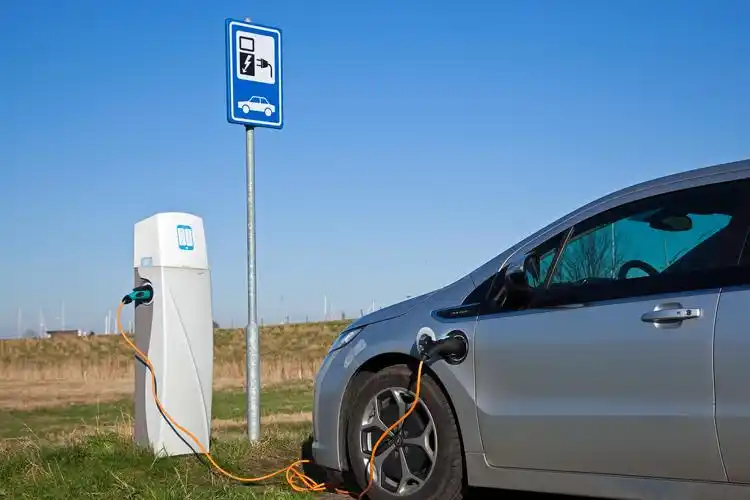
- Charging Location: Home, public, or highway stations carry vastly different pricing.
- Time of Charging: Electricity rates fluctuate hourly—night charging often costs 50–70% less than peak daytime rates.
- Regional Energy Markets: From hydropower-rich Oregon ($0.11/kWh) to fossil-fuel-dependent Hawaii ($0.43/kWh), geography dictates base rates.
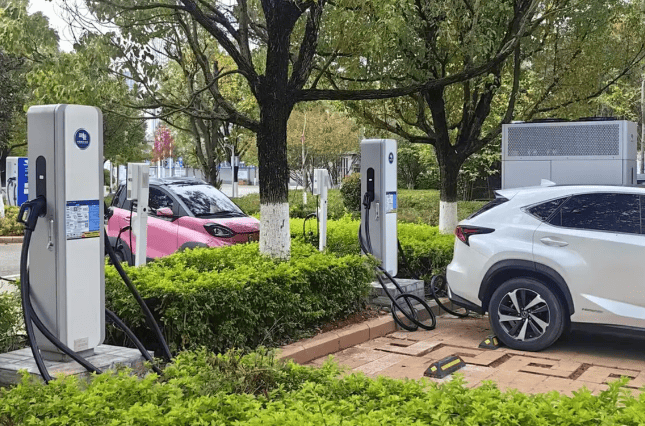
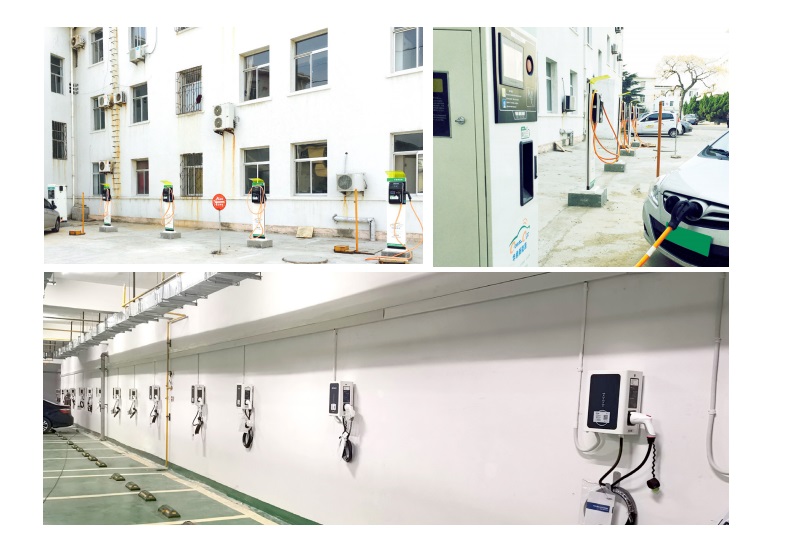
Home Charging: The Budget-Friendly Backbone
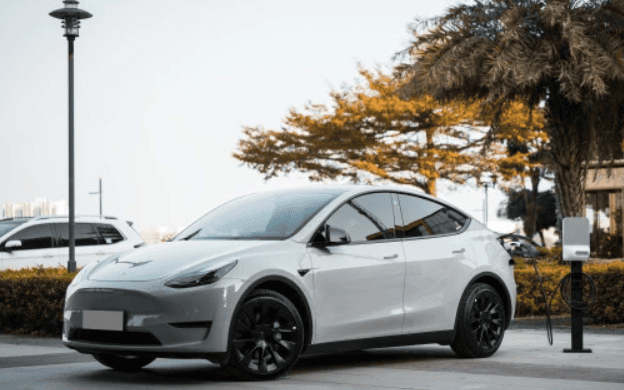
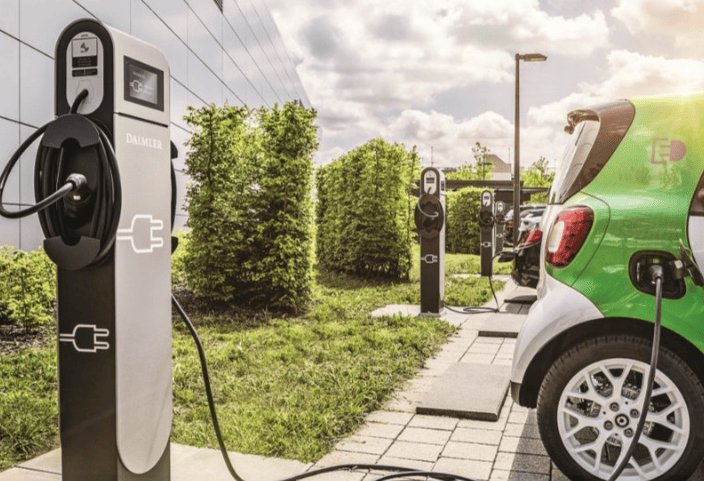
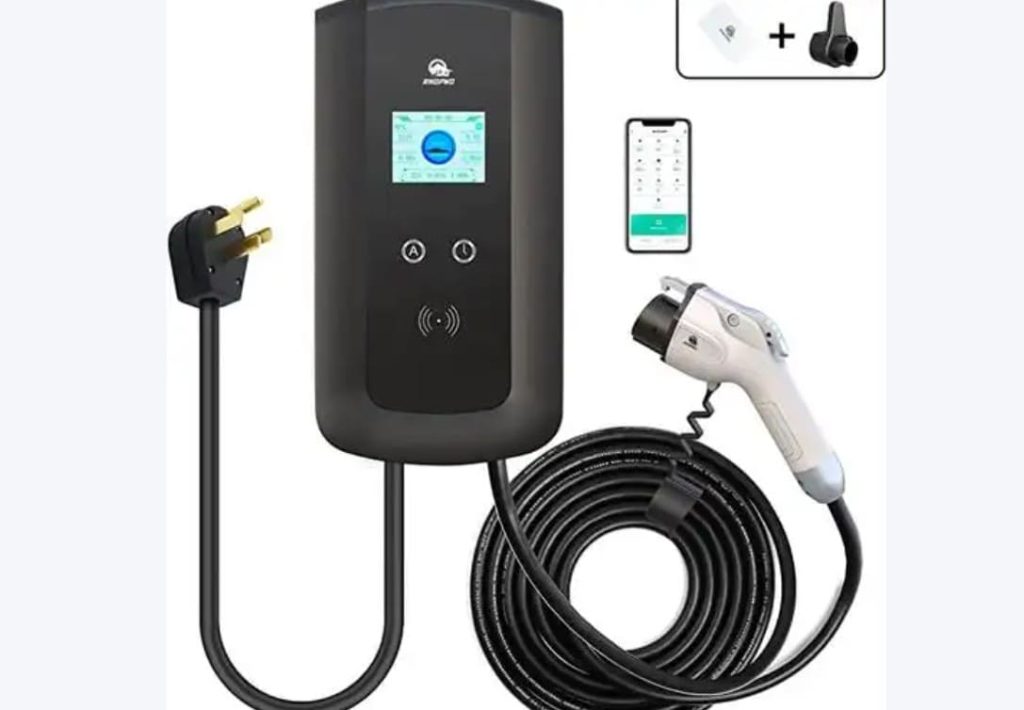
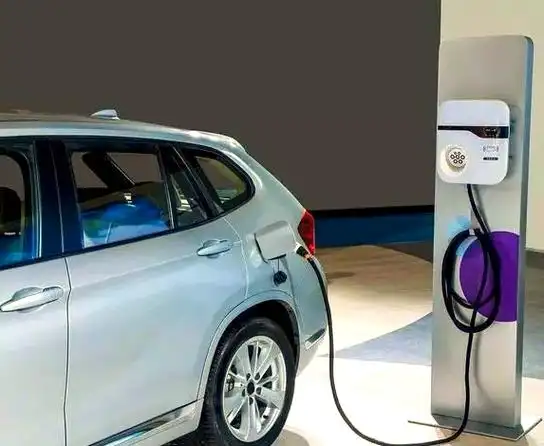
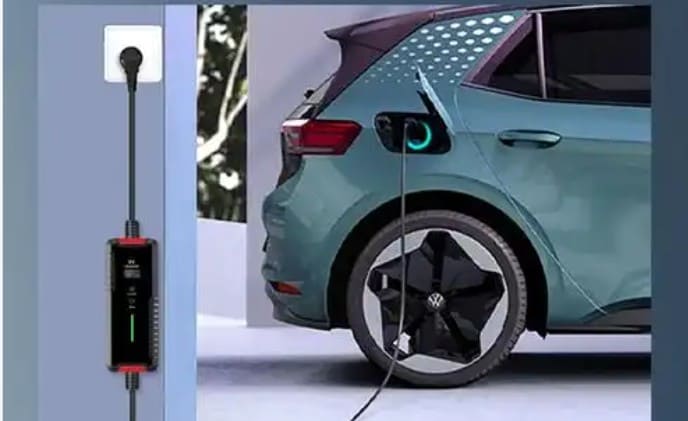
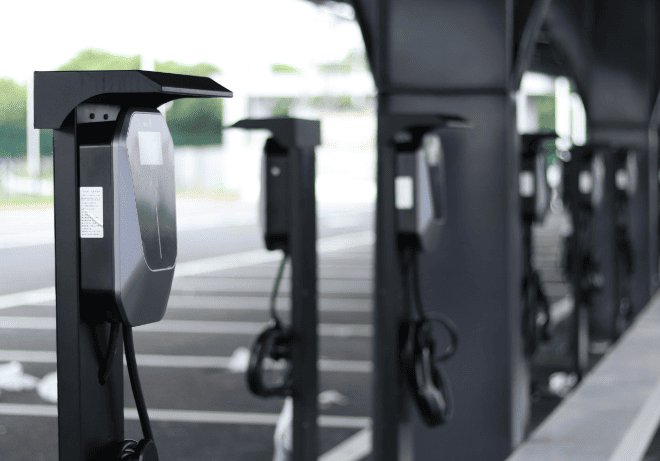
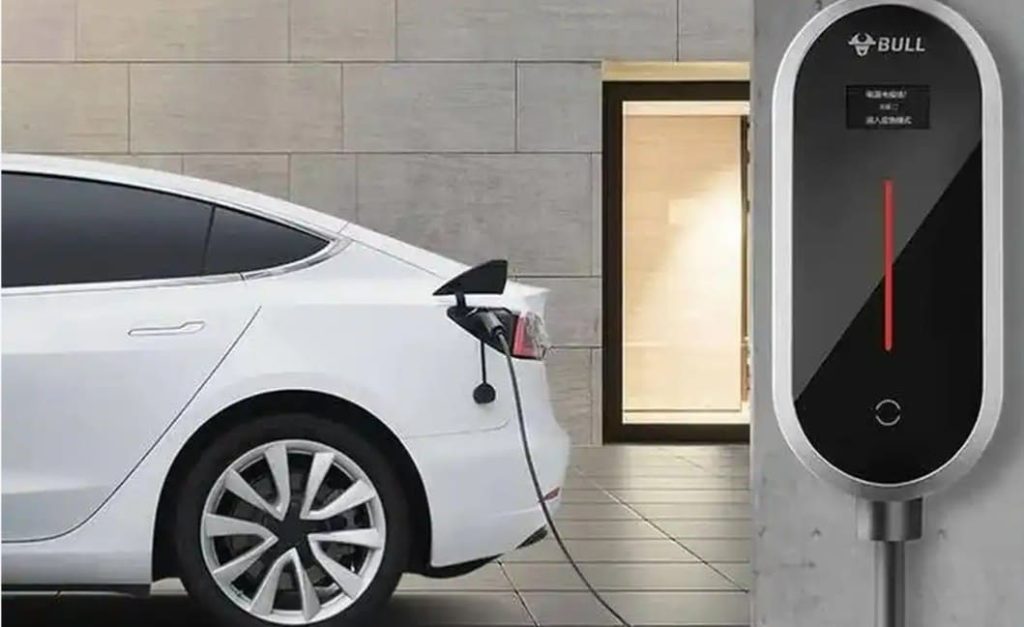
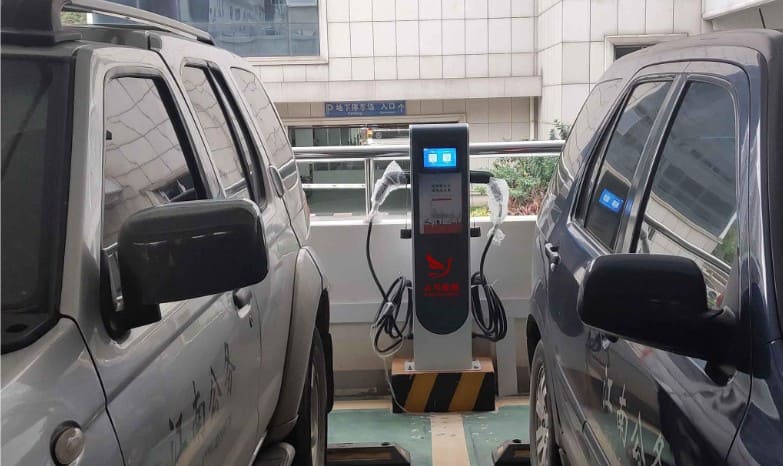
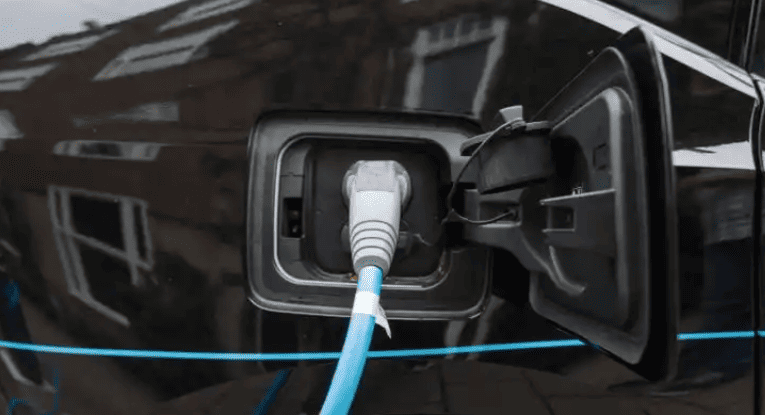
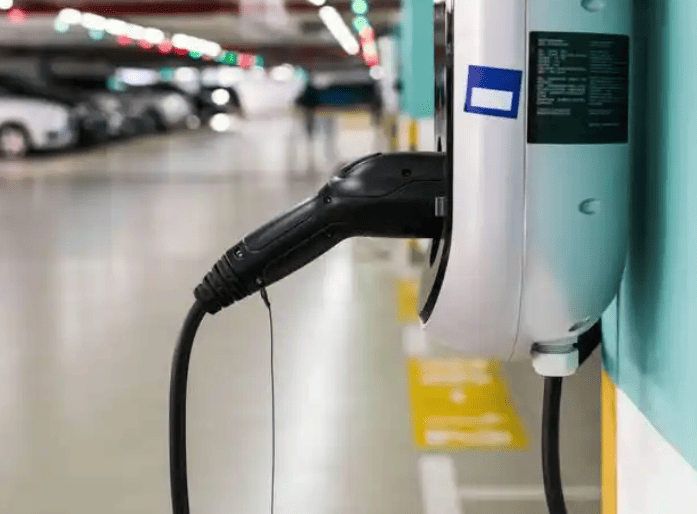
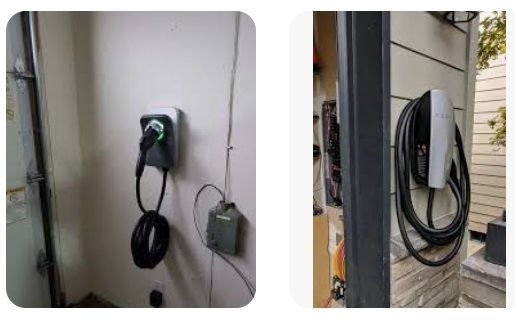
Charging overnight in your garage leverages residential electricity rates, the cheapest EV fueling option. Most utilities offer EV-specific time-of-use (TOU) plans that reward off-peak charging:
- Example 1 (Beijing):
- Flat rate: ¥0.617/kWh (~$0.085/kWh)
- Cost to charge a 40 kWh EV (300 km range): ¥24.68 ($3.40)
- Example 2 (Shandong, 2025 TOU Plan):
- Super off-peak (1–6 AM): ¥0.222/kWh ($0.031/kWh) → 50 kWh charge: ¥11.10 ($1.53)
- Peak (7–8 AM): ¥0.888/kWh ($0.122/kWh) → Same charge: ¥44.40 ($6.12)
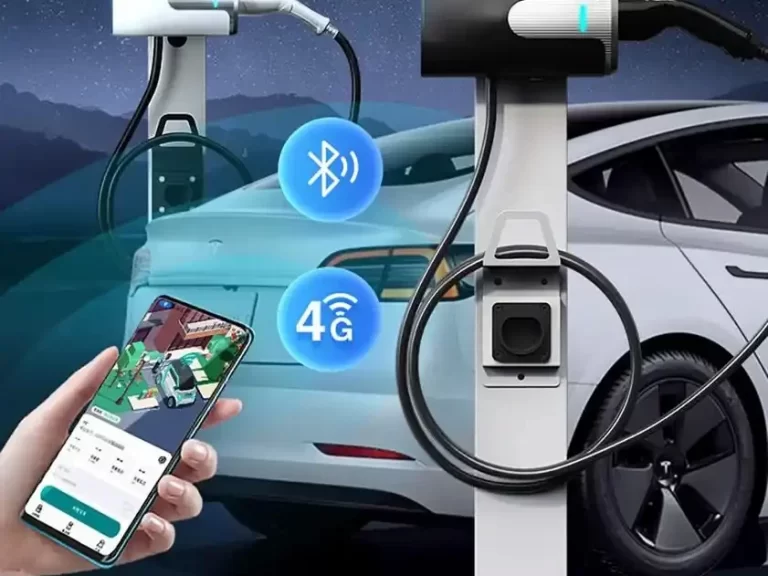
Smart Strategy: Program your EV or charger to start automatically during off-peak windows. A 60 kWh EV charging nightly at super off-peak rates costs under $60 monthly—less than one tank of gas for most sedans.
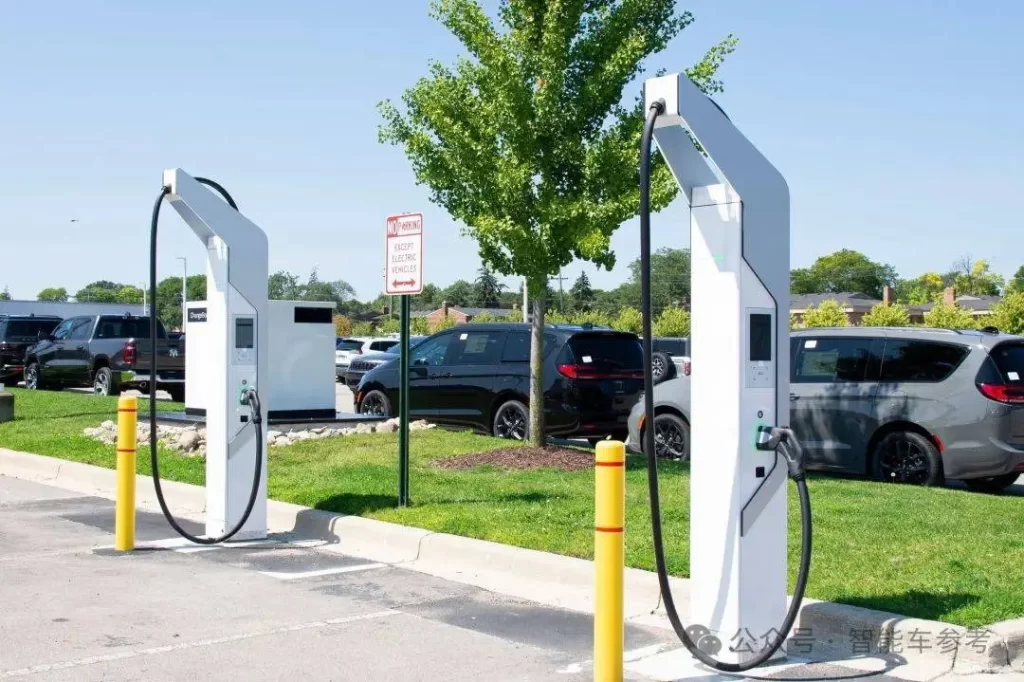
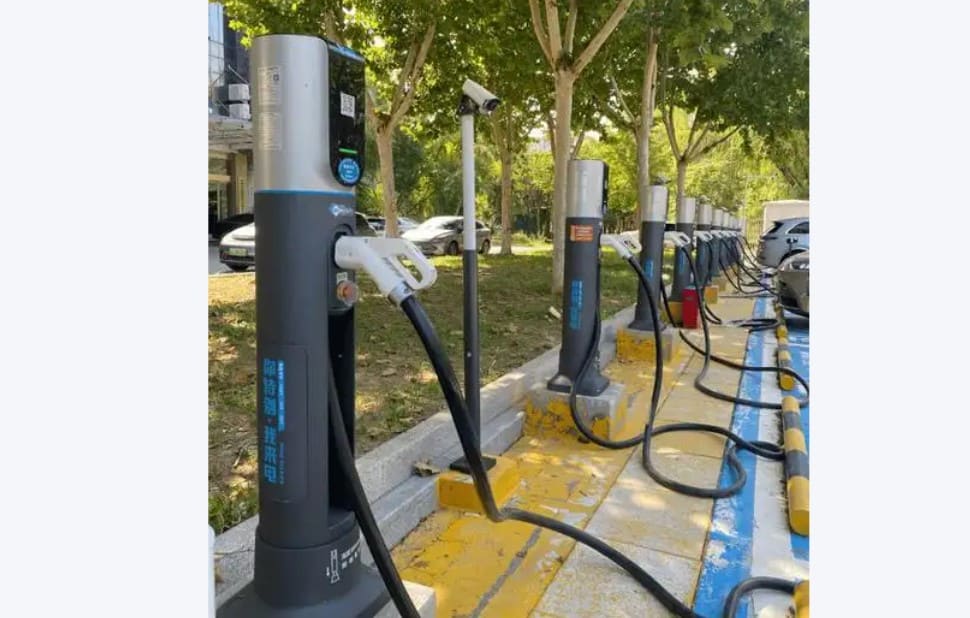
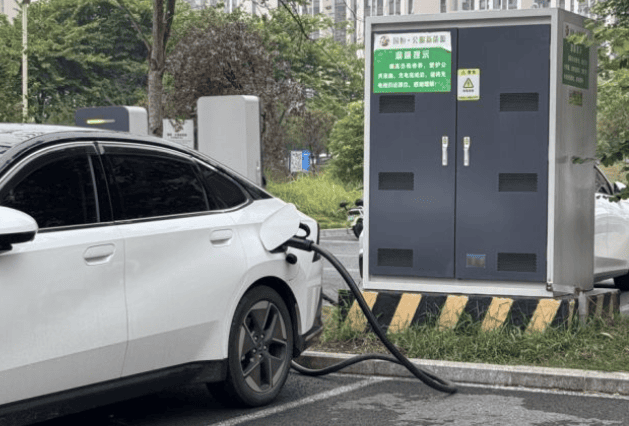
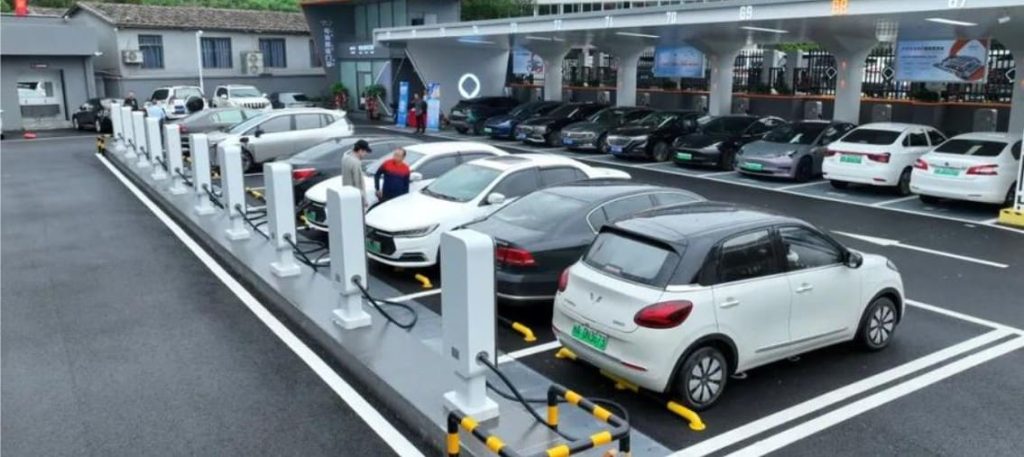
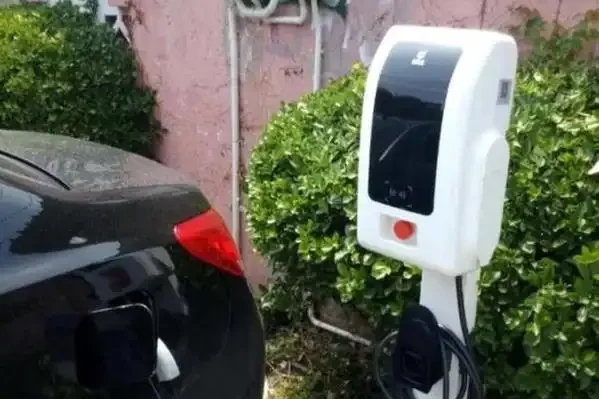
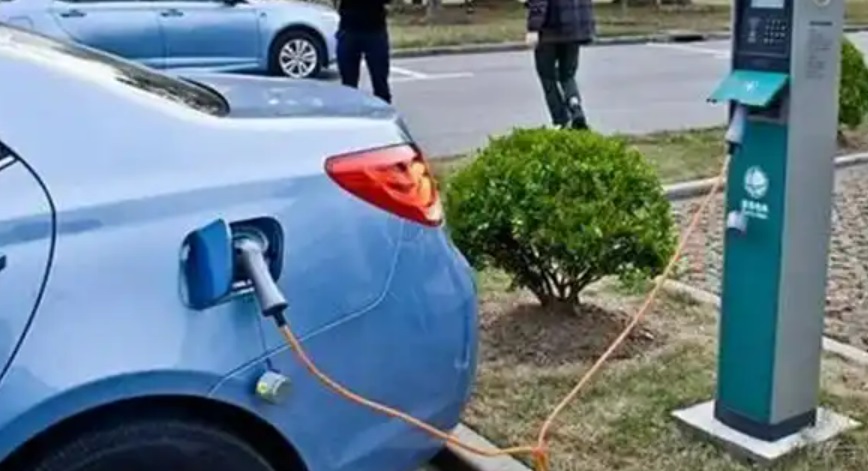
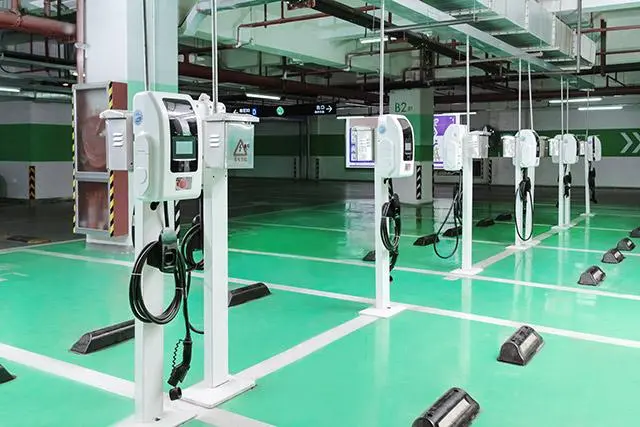
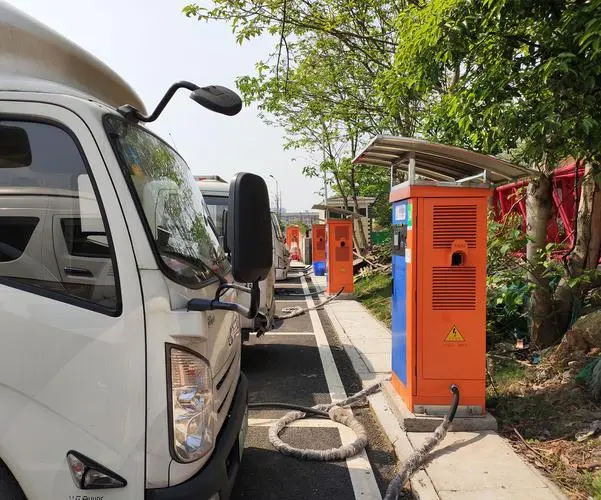
Public Charging: Convenience at a Premium
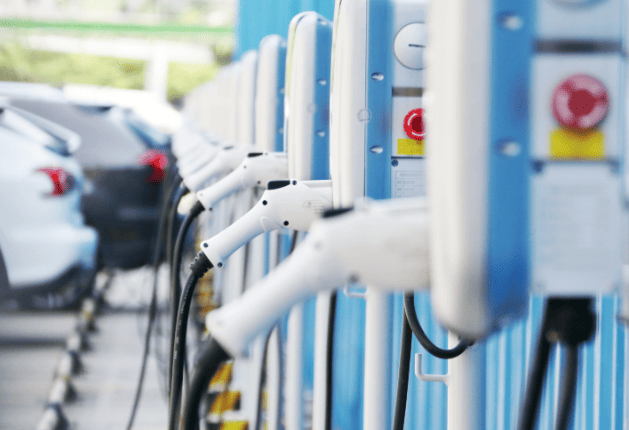
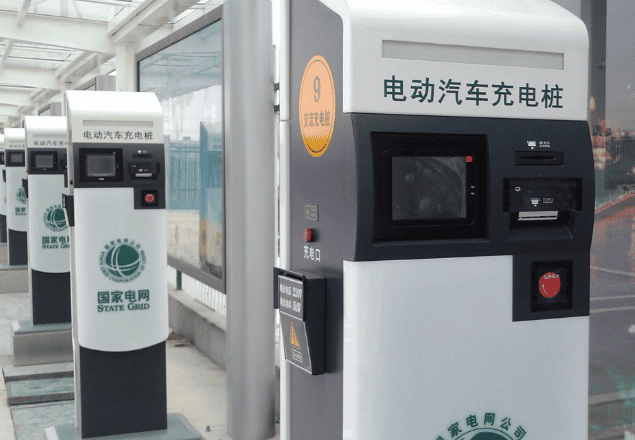
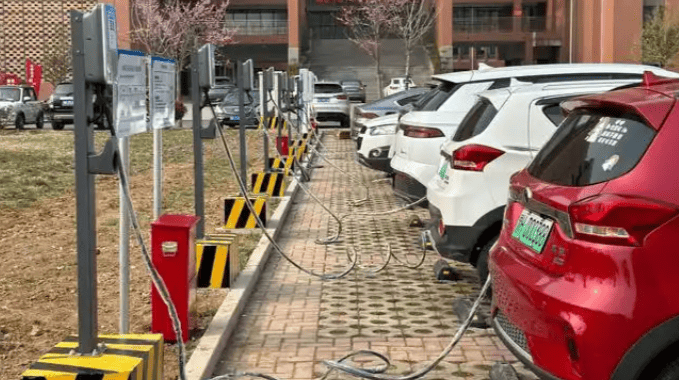
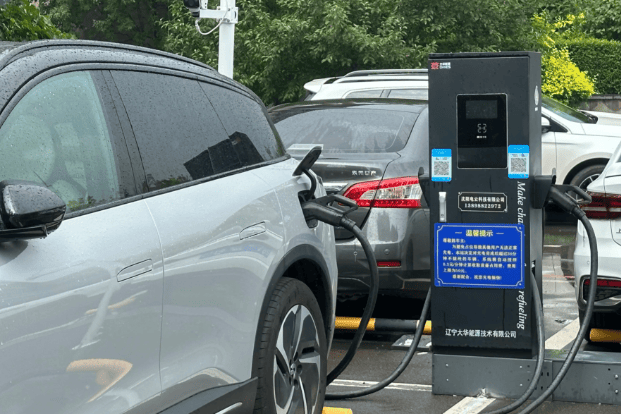
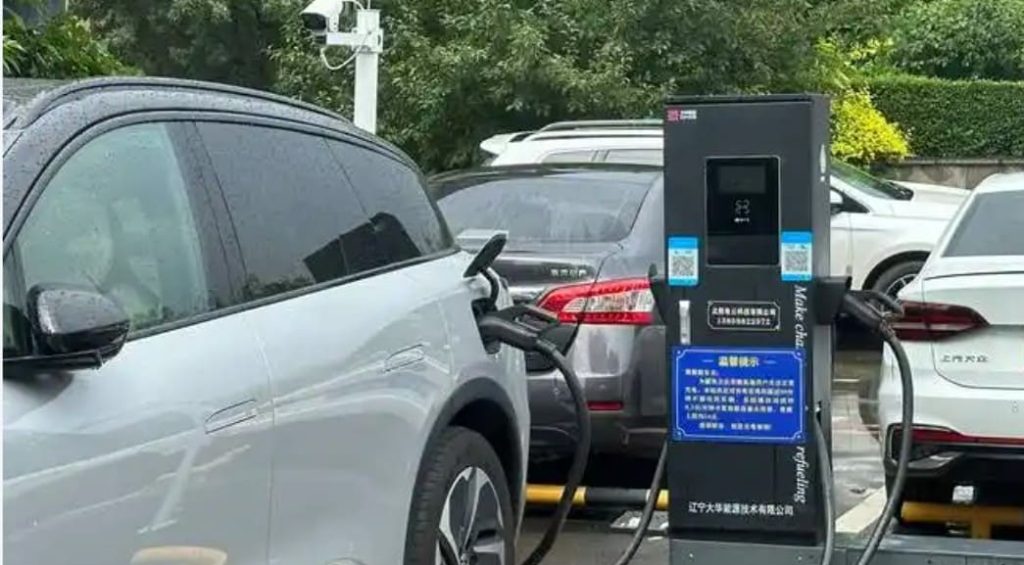
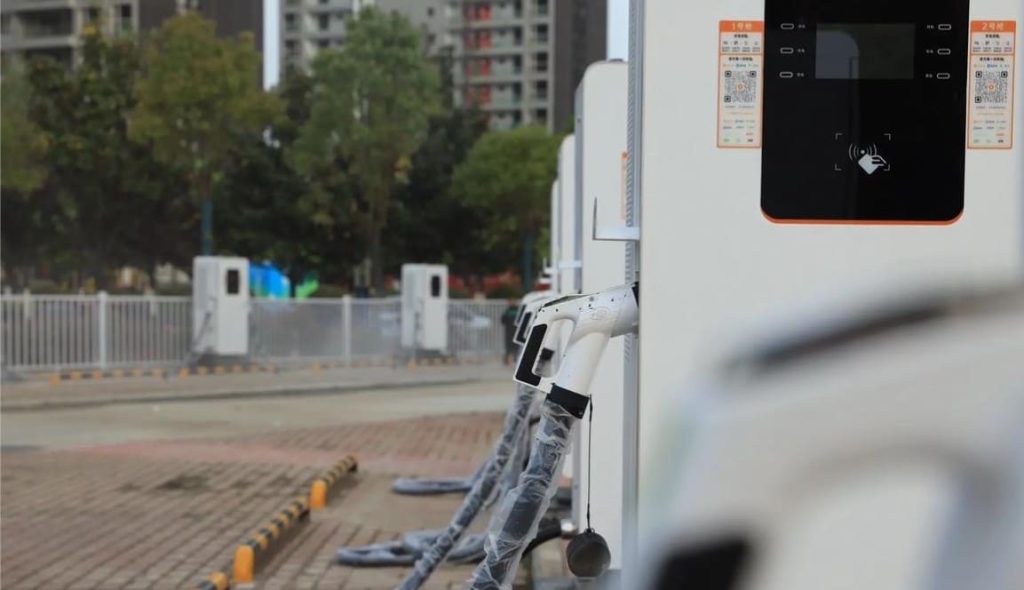
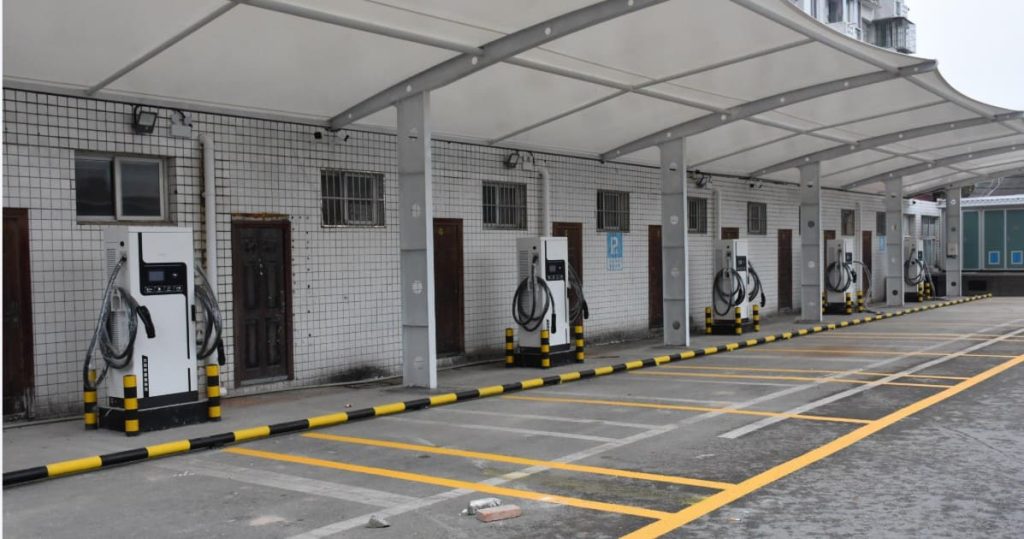
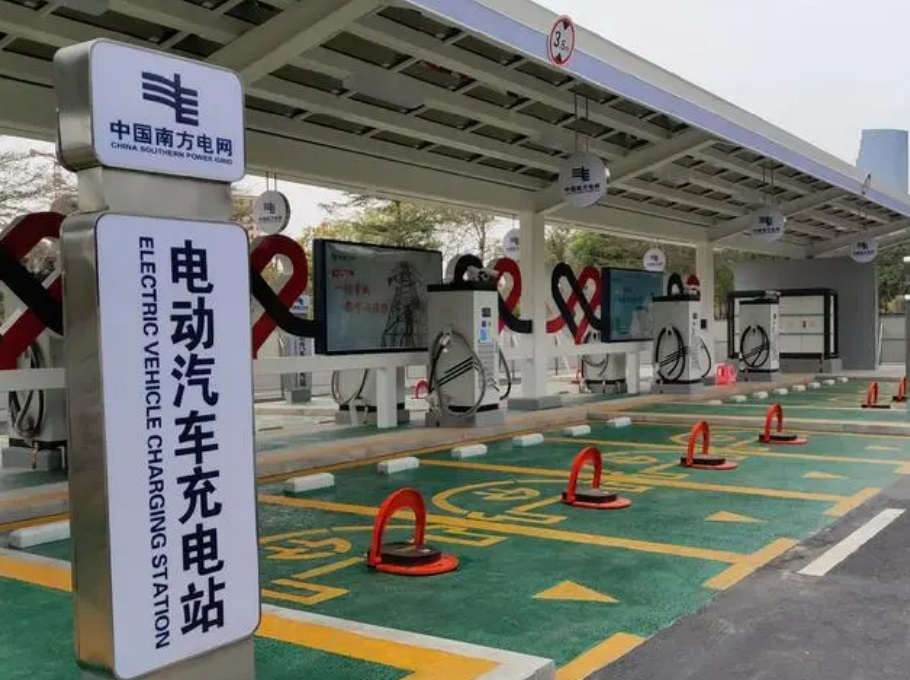
Public stations fill gaps in home charging but add markups. Costs blend two components:
- Electricity Fee: Based on local commercial rates (typically 20–100% higher than residential).
- Service Fee: Operator profit margin, often $0.05–$0.15/kWh.
Urban Public Charging Examples:
- Beijing: ¥1.20/kWh ($0.17/kWh) total (¥0.60 electricity + ¥0.60 service fee).
- 50 kWh charge: ¥60 ($8.30)
- Guangzhou:
- Off-peak (12–8 AM): ¥0.70/kWh ($0.10/kWh)
- Peak (7–9 PM): ¥1.50/kWh ($0.21/kWh)
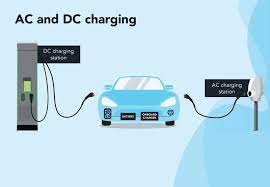
Reality Check: While pricier than home charging, public AC charging (6–22 kW) remains economical. Charging a 60 kWh EV to 80% at $0.17/kWh costs ~$8.16—still 70% cheaper per mile than gasoline.
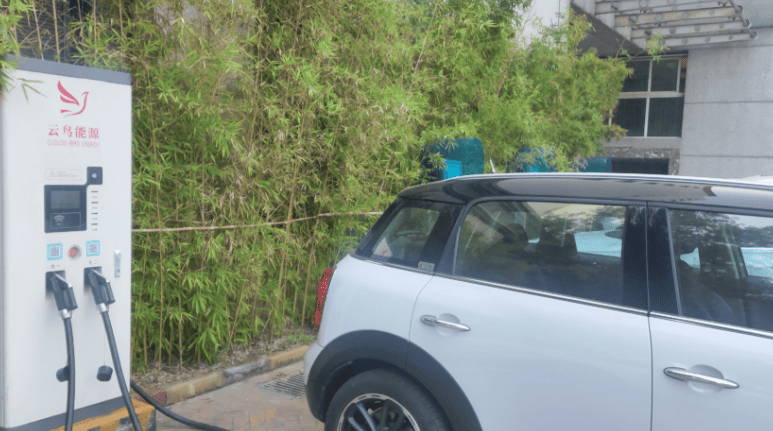
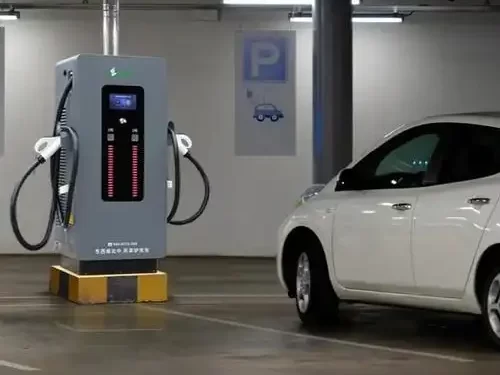
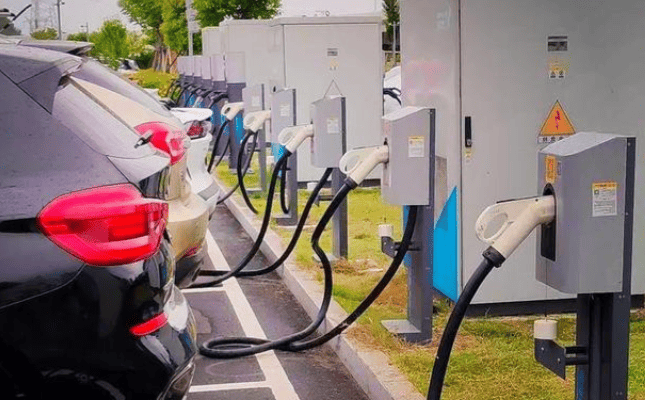
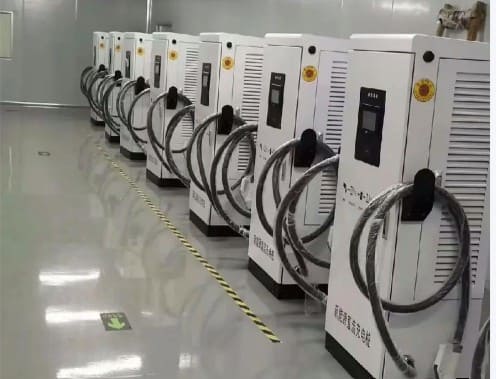
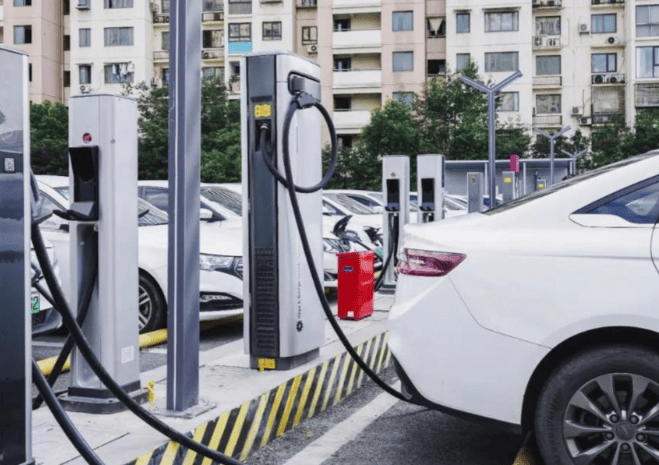
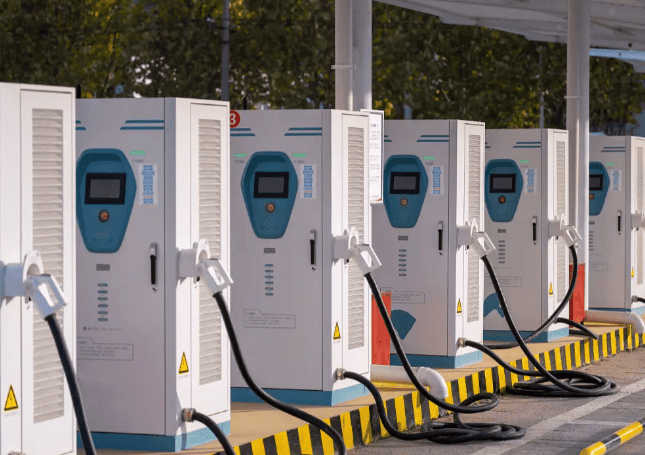
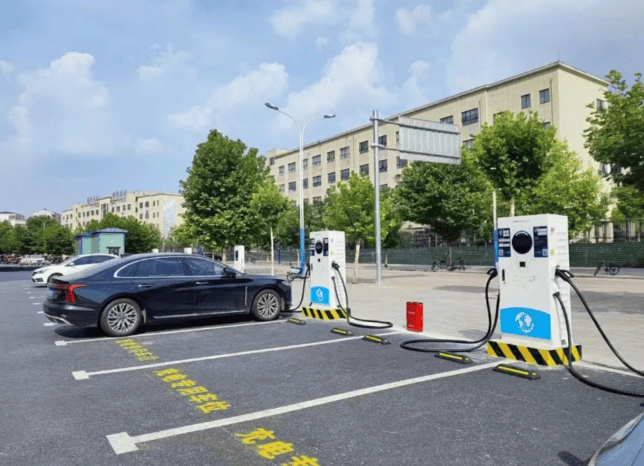
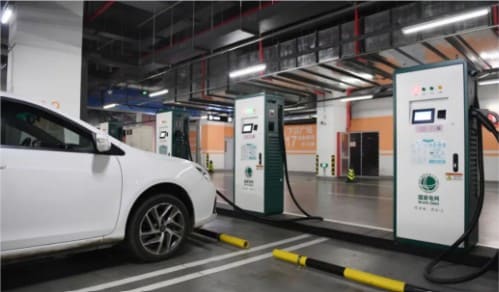
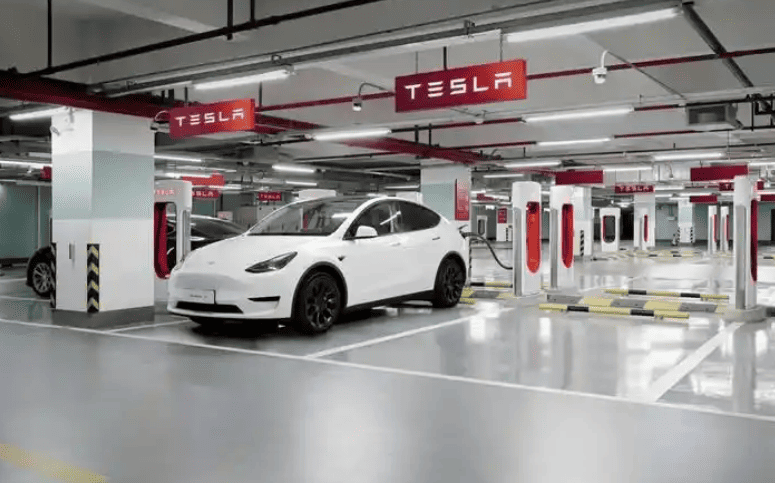
Highway DC Fast Charging: Speed for Road Trips—At a Cost
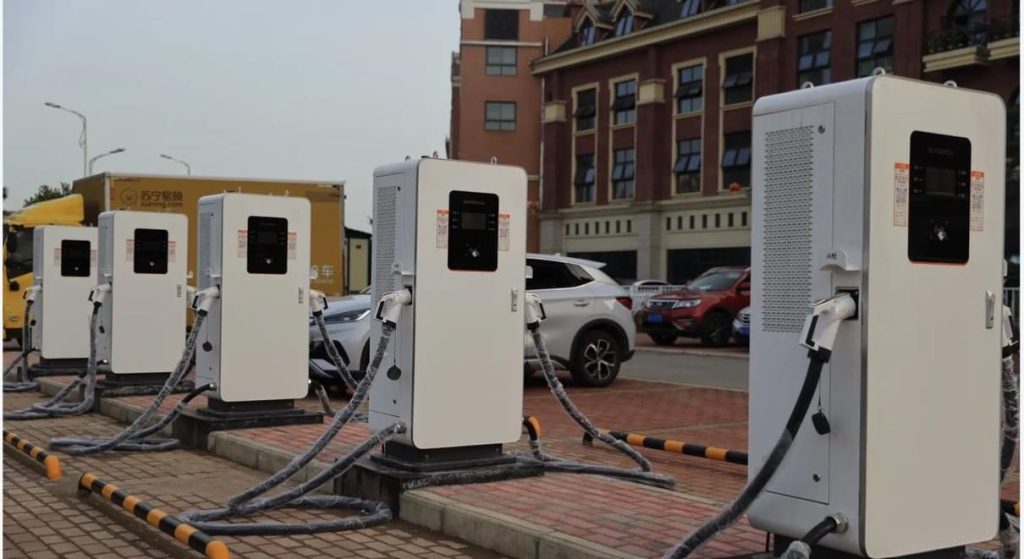
Highway stations prioritize speed over affordability, with rates 2–4x higher than home charging:
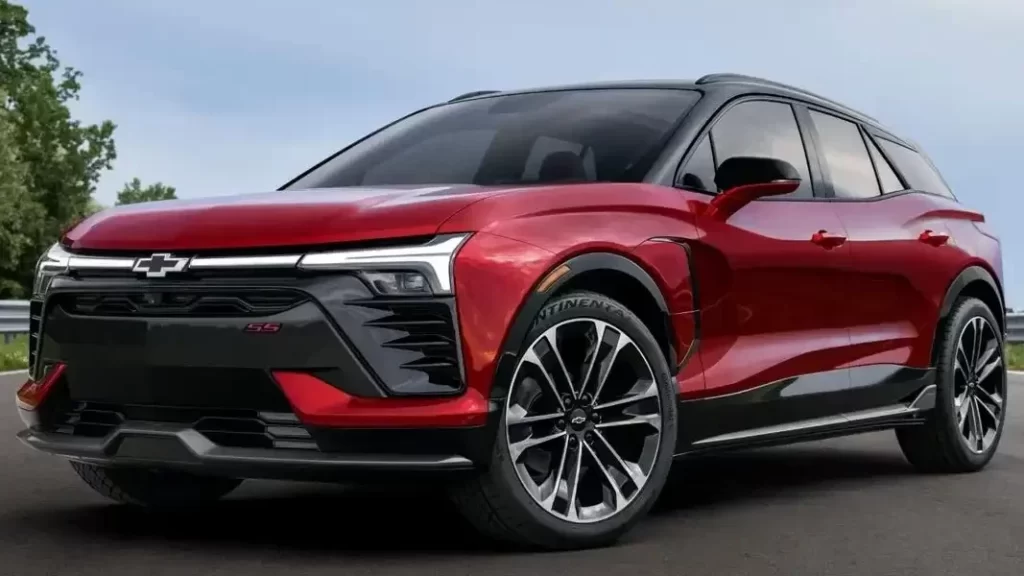
- U.S. Example: Electrify America charges $0.48/kWh for non-members. A 100 kWh EV (e.g., Ford F-150 Lightning) from 10–80% (70 kWh): $33.60.
- China Example:
- G15 Shenhai Highway (Shanghai-Ningbo): ¥2.98/kWh ($0.41/kWh)
- 70 kWh charge: ¥208.60 ($28.80)
Why Is It So Pricey? Operators recover grid-demand fees and hardware investments (a 350 kW DC station costs more than $150,000). Nevertheless, this $28.80 charge gets a 70 kWh EV about 450 kilometers, which is the same as a similar SUV filling up with $65 worth of gas.
Battery Size: Your Cost Multiplier
Larger batteries enable longer range but increase charging costs linearly:
| Battery Size | Home Charge Cost | Public DC Charge Cost |
|---|---|---|
| 30 kWh (e.g., older Nissan Leaf) | $2.40 (off-peak) | $16.20 (at $0.54/kWh) |
| 60 kWh (e.g., Tesla Model 3) | $4.80 | $32.40 |
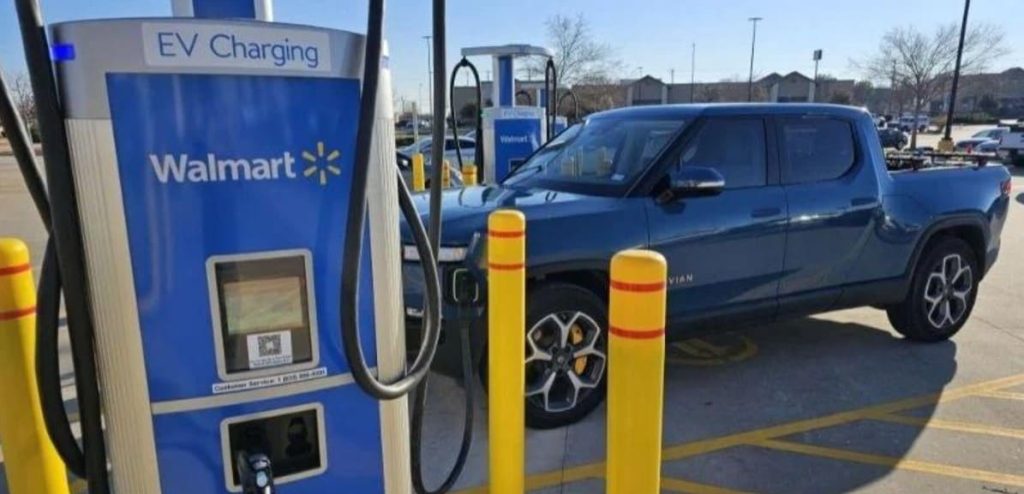
| 100 kWh (e.g., Rivian R1T) | $8.00 | $54.00 |
Note: Most drivers charge from 20–80% daily, not 0–100%. This reduces actual costs by 30–40%.
Hidden Fees and Discount Strategies
- Membership Programs:
- U.S.: Rates are reduced to $0.36/kWh (25% discount) with Electrify America Pass+ ($4/month).
- China: At more than 300,000 stations, TELD membership reduces fees by 10% to 15%.
- Idle Fees: Avoid $0.50+/minute penalties by unplugging promptly.
- Free Charging Perks: Brands like BMW, Porsche offer 2–3 years of complimentary DC charging.
Gasoline vs. Electricity: The Cost Chasm
The true value emerges in cost-per-mile comparisons:
- Gasoline Car: Toyota Camry (7.1L/100km) at $1.20/L → $0.085/km
- EV (Home Charging): Tesla Model 3 (15 kWh/100km) at $0.08/kWh → $0.012/km
- EV (Highway DC): Same Model 3 at $0.41/kWh → $0.062/km
Translation: Even using premium-priced highway fast charging, the EV costs 27% less per km than gasoline. At home rates, savings hit 85%.
Future Trends: Cheaper Charging Ahead
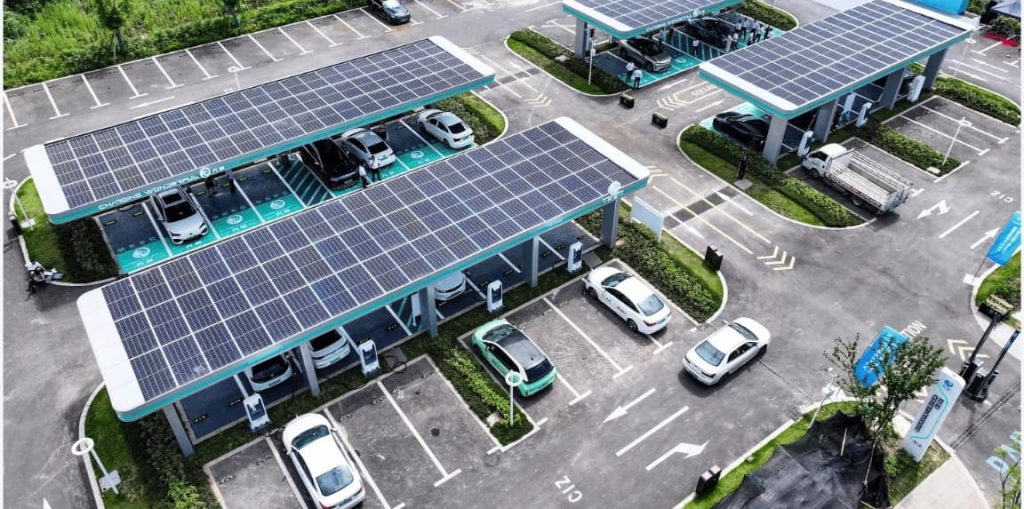
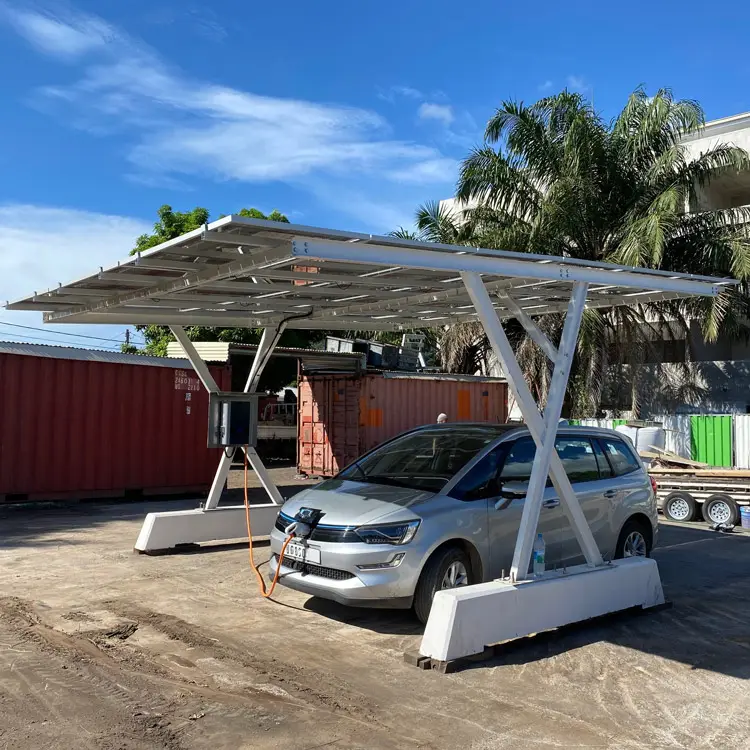
- Solar Integration: Home solar panels can cut charging costs to near zero. A 5 kW system generates ~30 kWh daily—enough for 200 km of free driving.
- Dynamic Pricing: Utilities like California PG&E will soon vary rates minute-by-minute based on grid renewables supply, enabling sub-$0.02/kWh charging during sunny/windy periods.
- Vehicle-to-Grid (V2G): Future EVs may earn $100–$500/year by feeding surplus power back to the grid during peak demand.
Key Takeaways: Minimizing Your EV Charging Bill
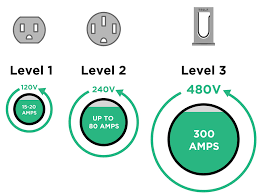
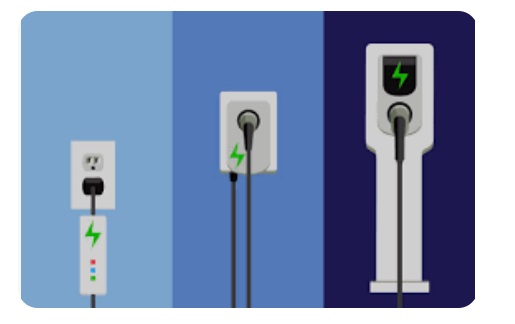
- Prioritize Home Charging: Install a Level 2 charger and enroll in a utility TOU plan.
- DC Fast Charging = Road Trips Only: Reserve highway stations for travel; avoid daily use.
- Monitor Public Pricing: Apps like PlugShare show real-time rates—avoid stations >$0.40/kWh when alternatives exist.
- Size Matters: Choose an EV battery aligned with your actual range needs. A 150-mile-range commuter car costs half as much to charge as a 400-mile luxury SUV.
Ultimately, EVs consistently outperform gasoline-powered vehicles in terms of energy costs, saving the average driver between $800 and $1,500 annually, even though charging costs vary. You can strategically charge to optimize convenience and cost savings by being aware of these factors.
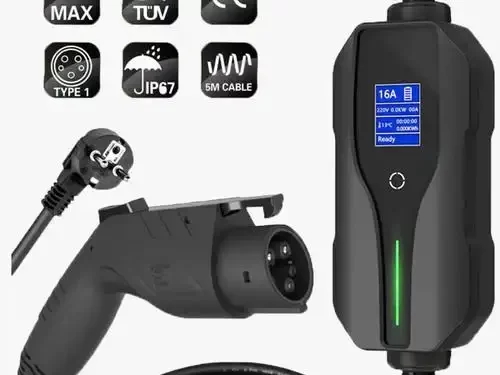
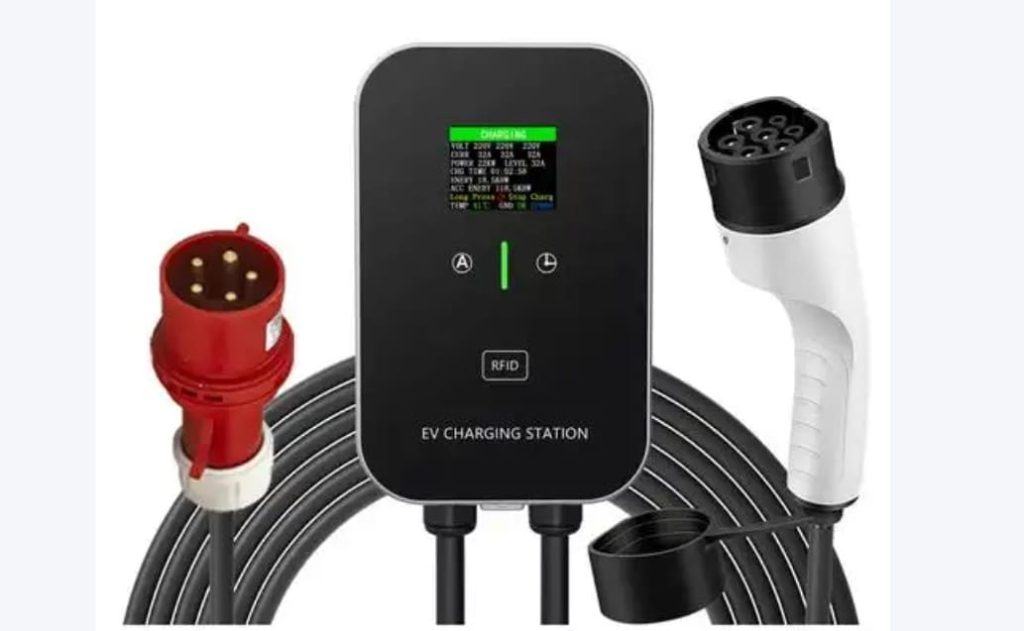
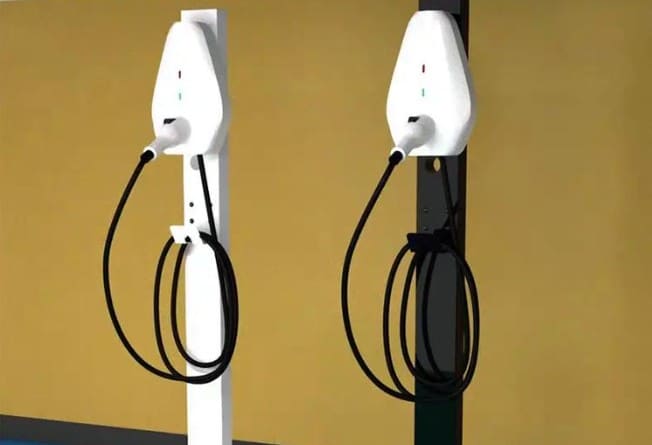
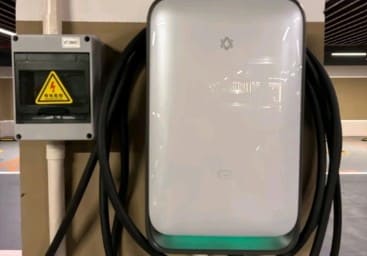
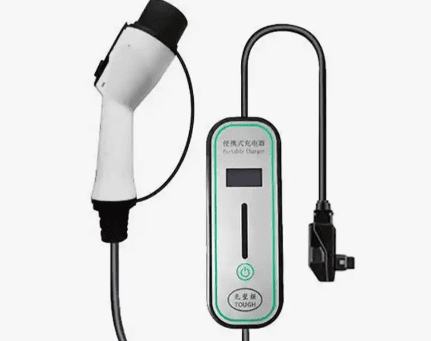
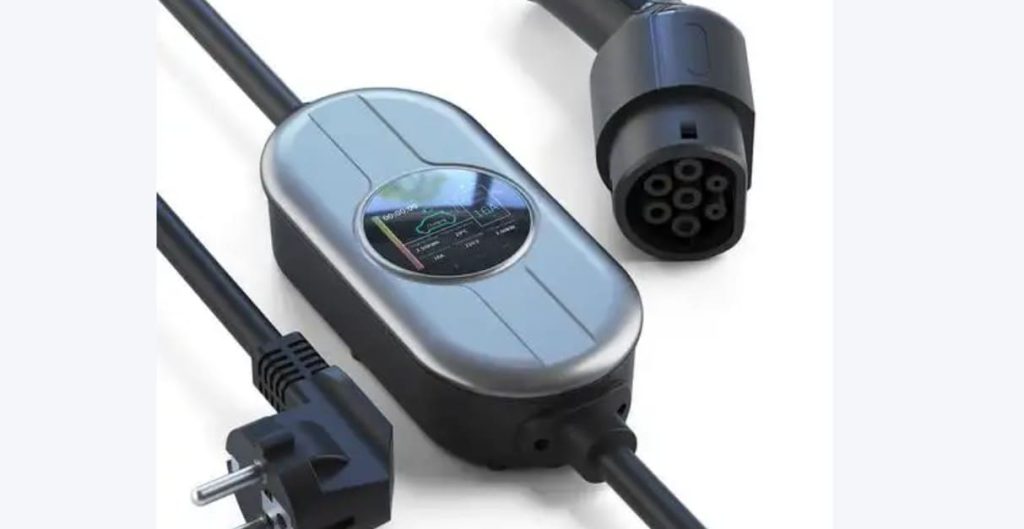
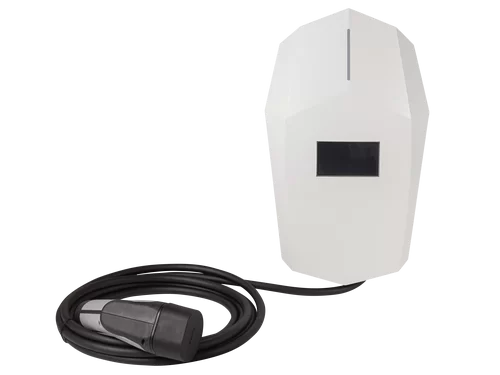
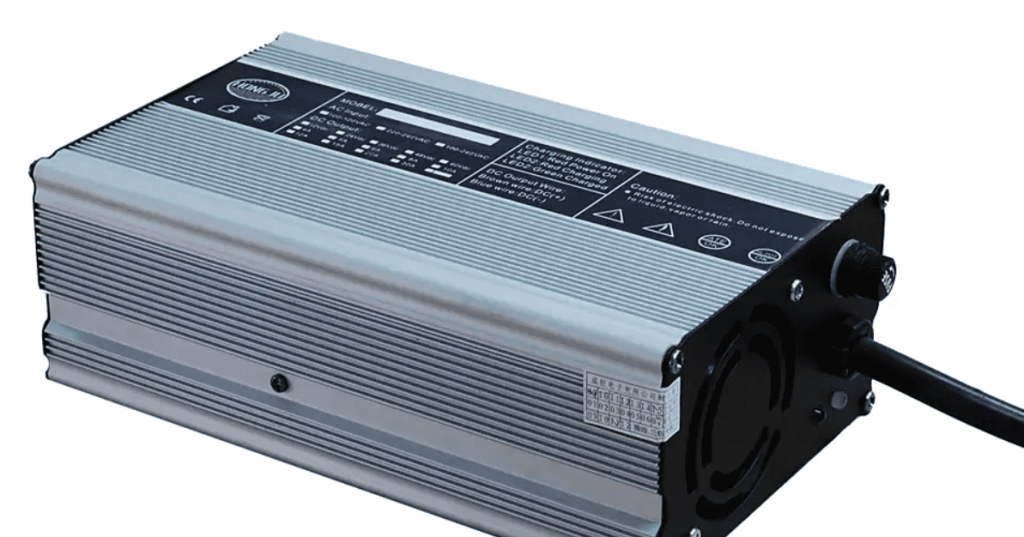
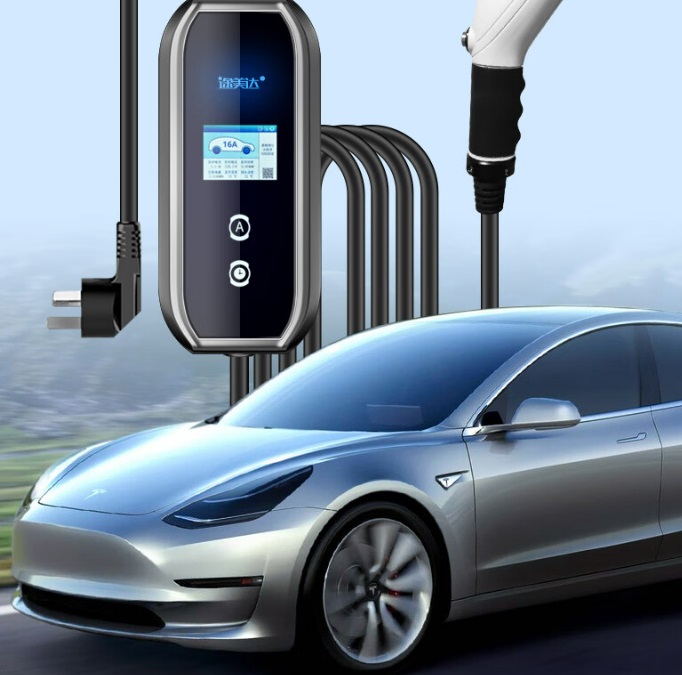
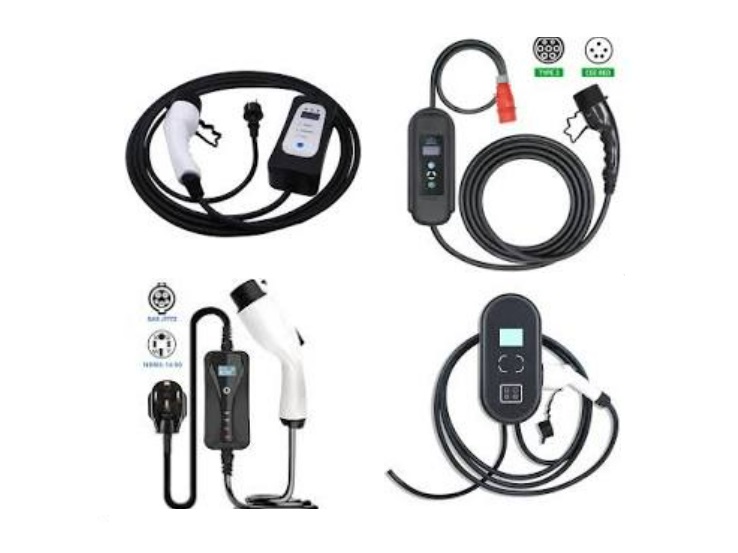
Recommend Slow Charger Products:
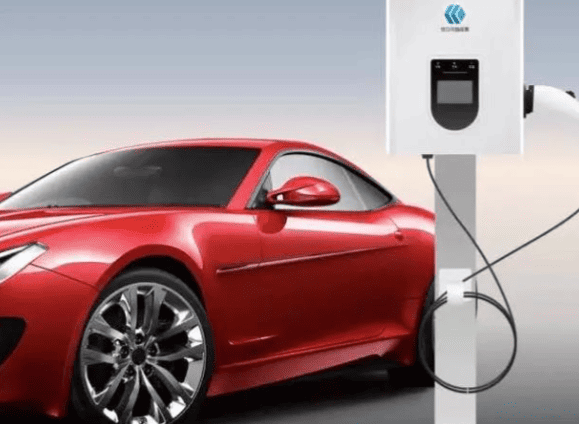
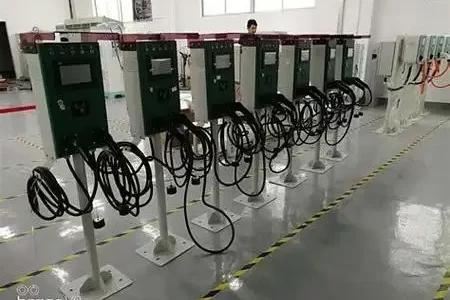
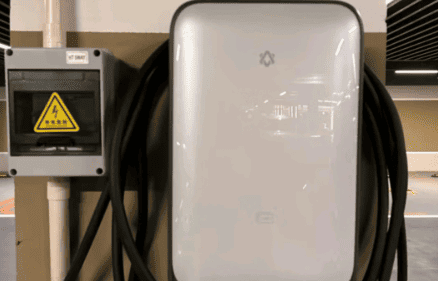
Charging pile:
Contact Us
Whatsapp/Mobile: +86 18019762979
Email: sales@lkmixer.com