Are ev charger universal?
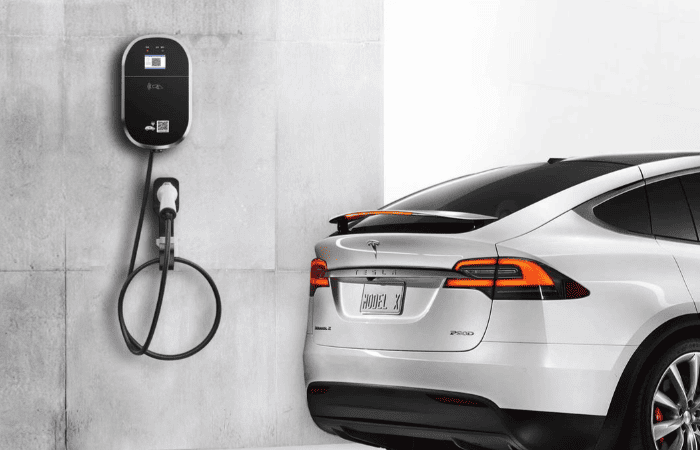
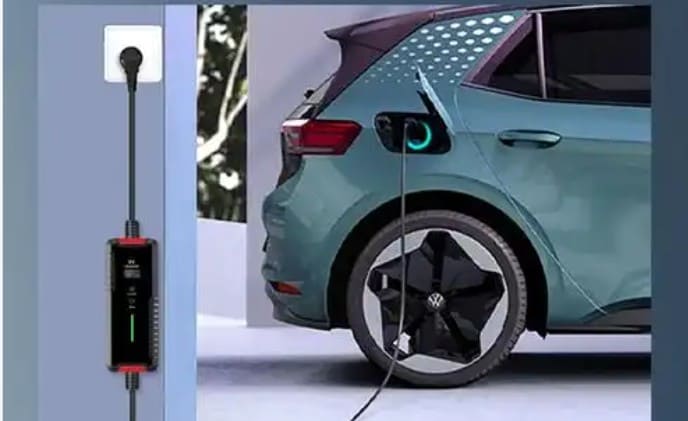
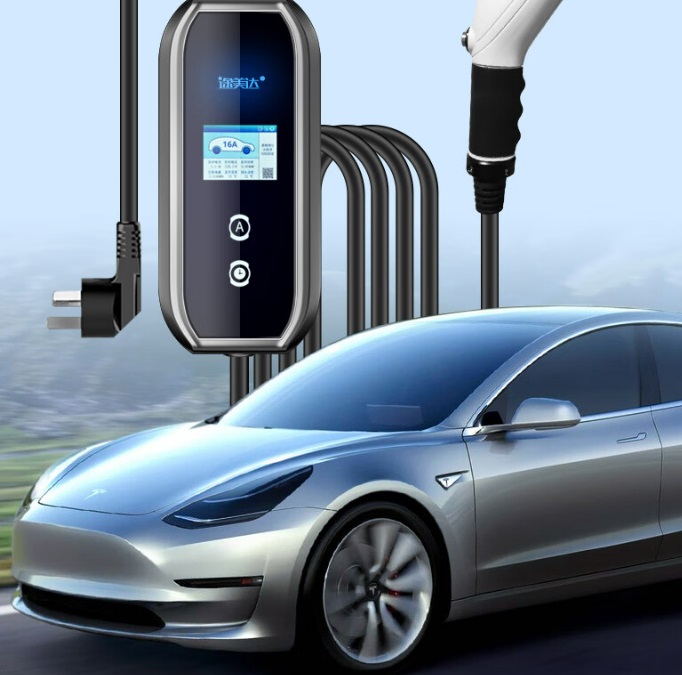
New energy vehicle chargers are not universal, much like the principle of mobile phone chargers—the key lies in whether the voltage and current match. Chargers from the same brand may be interchangeable, but it’s still necessary to confirm that the voltage and current are compatible before use. Many users mistakenly assume that as long as the charger plugs in and lights up, it’s universally compatible, which can easily damage the battery. In reality, the answer to this question isn’t complicated. In most cases, a home charging station can provide charging services for multiple types of new energy vehicles, but a few conditions must be met. Why is that? Let’s take a closer look.
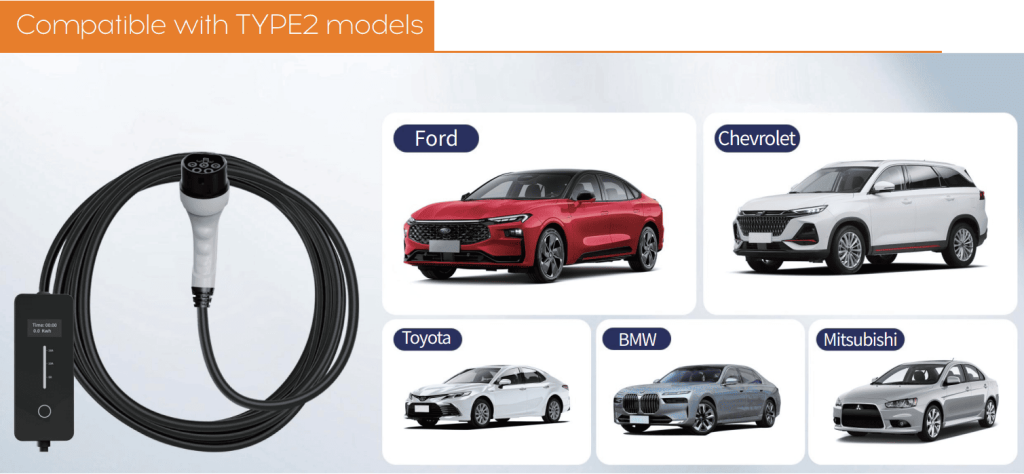
1. Charging Pile Compatibility: The Interface Decides Everything
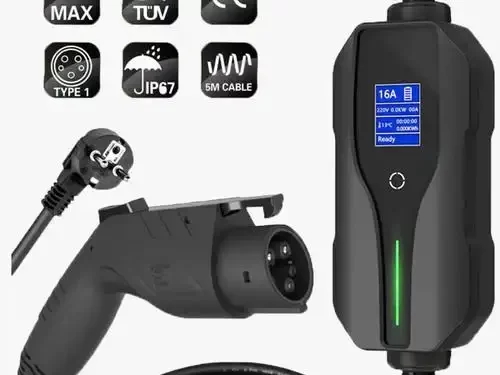
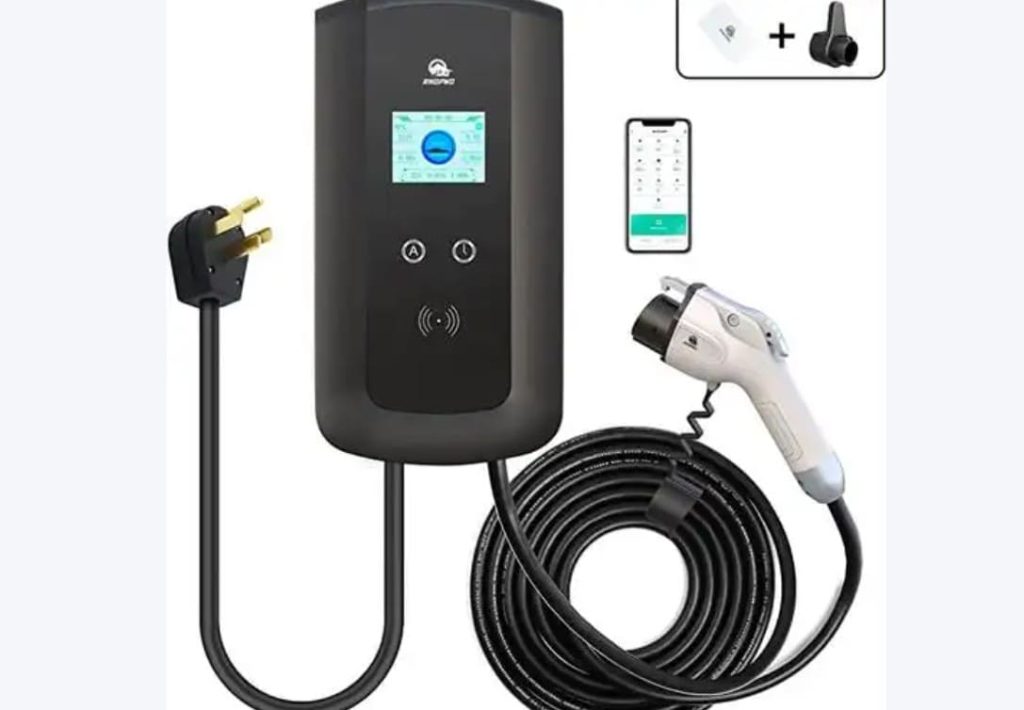
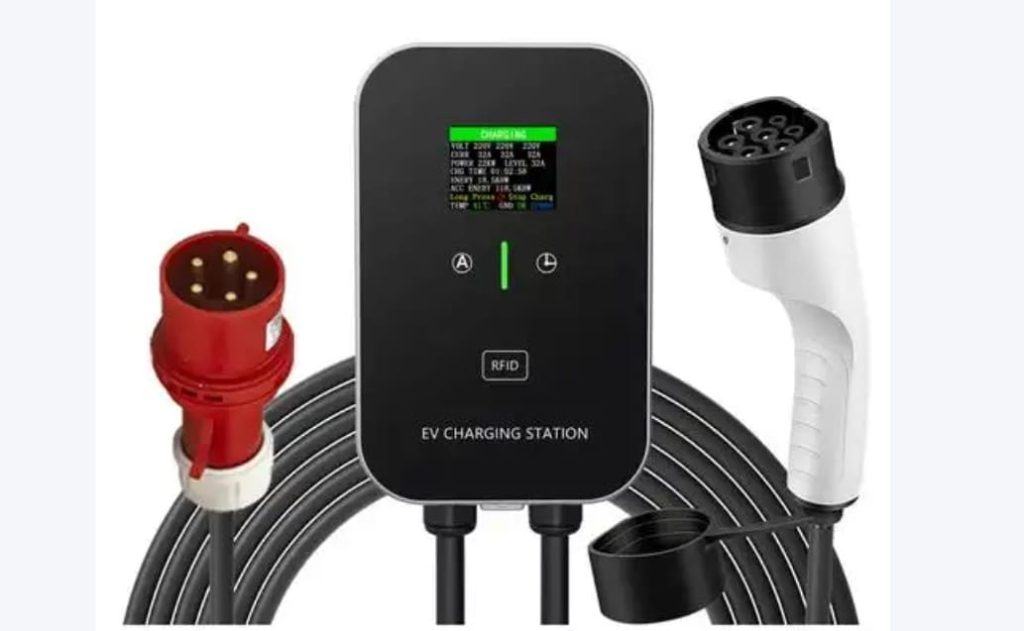
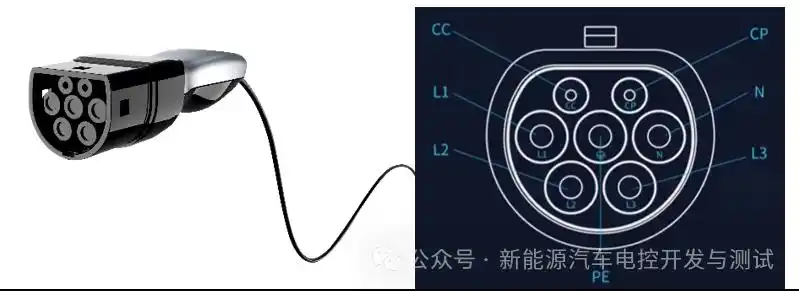
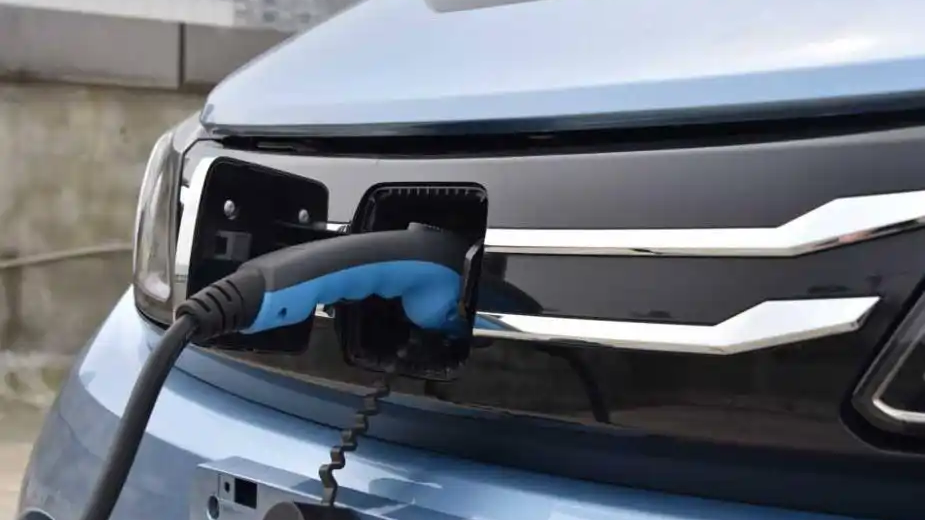
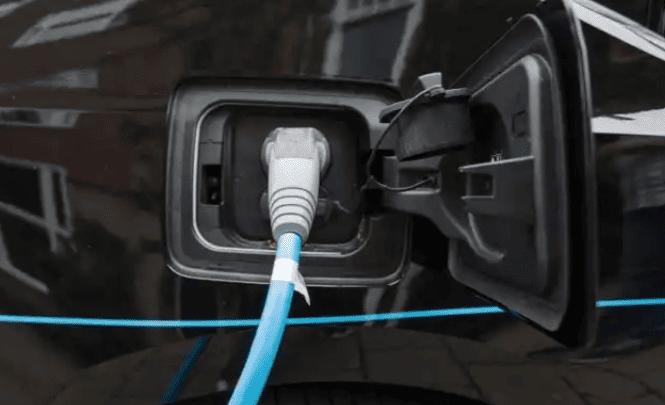
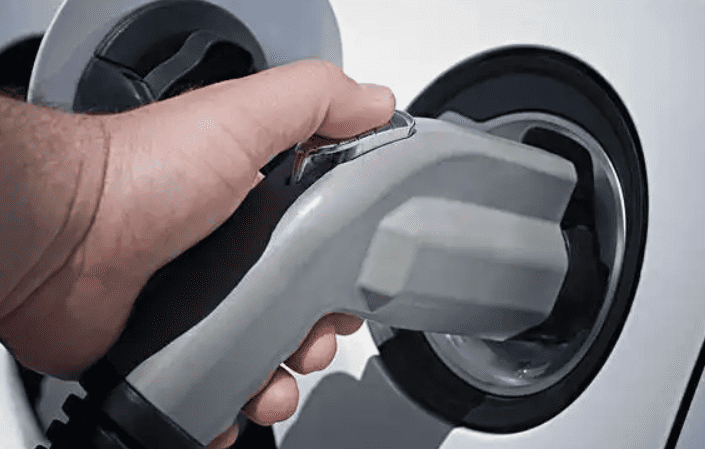
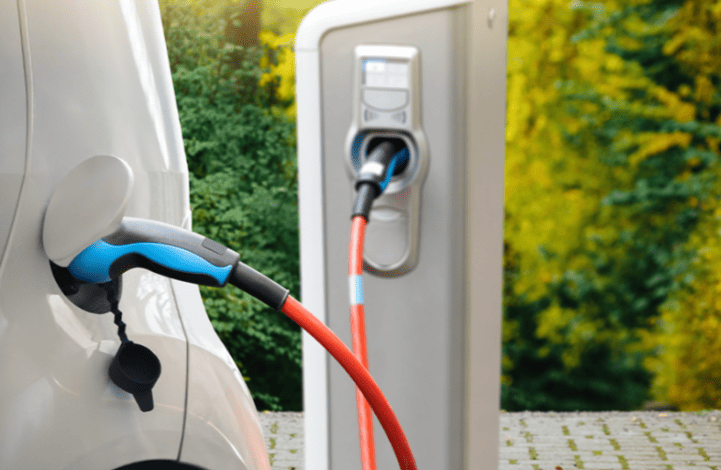
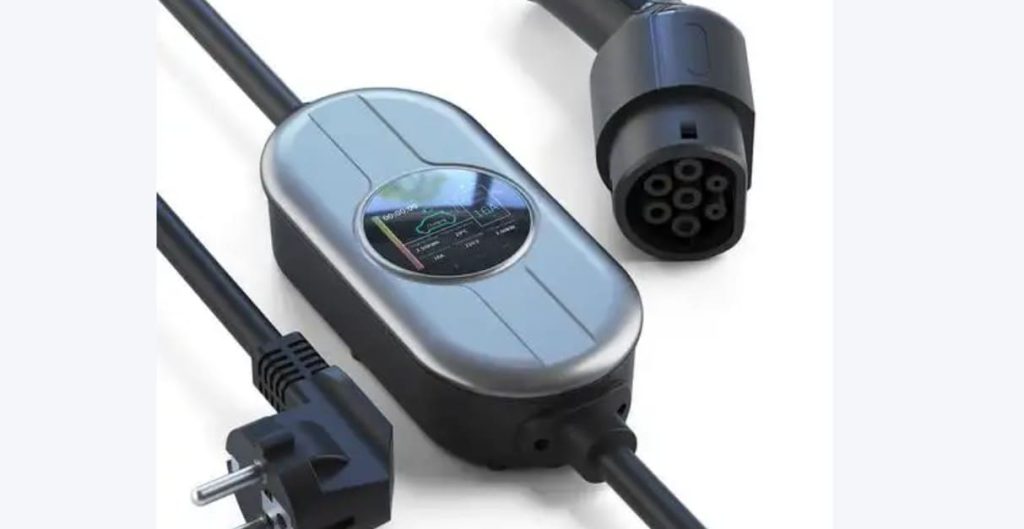
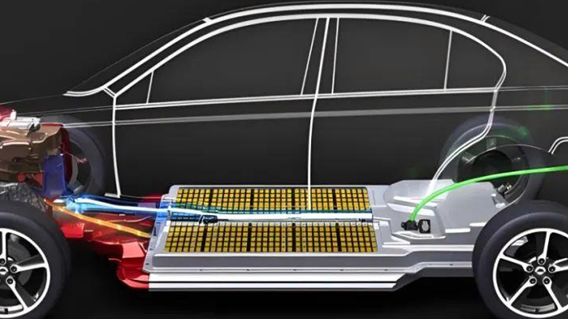
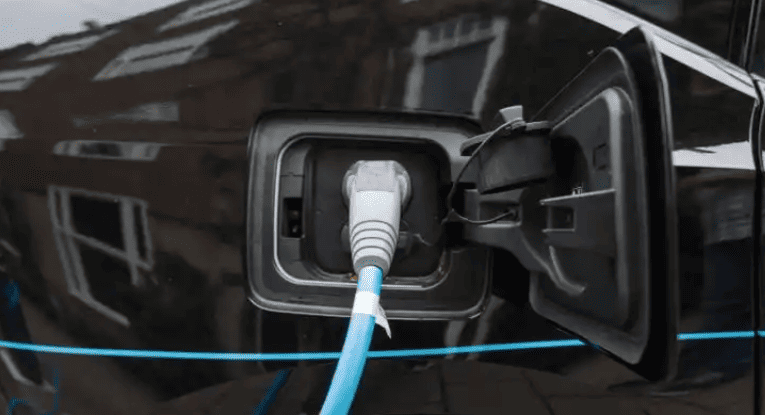
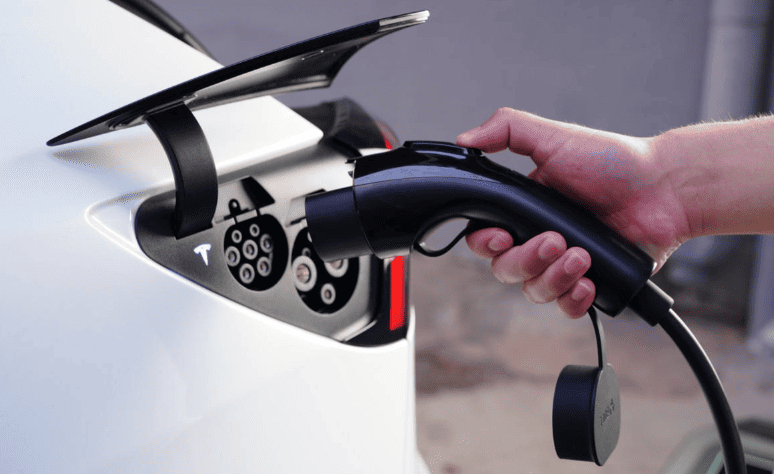
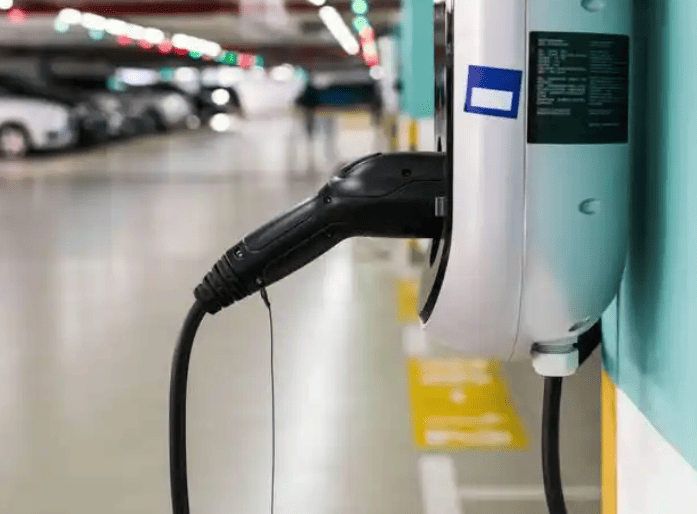
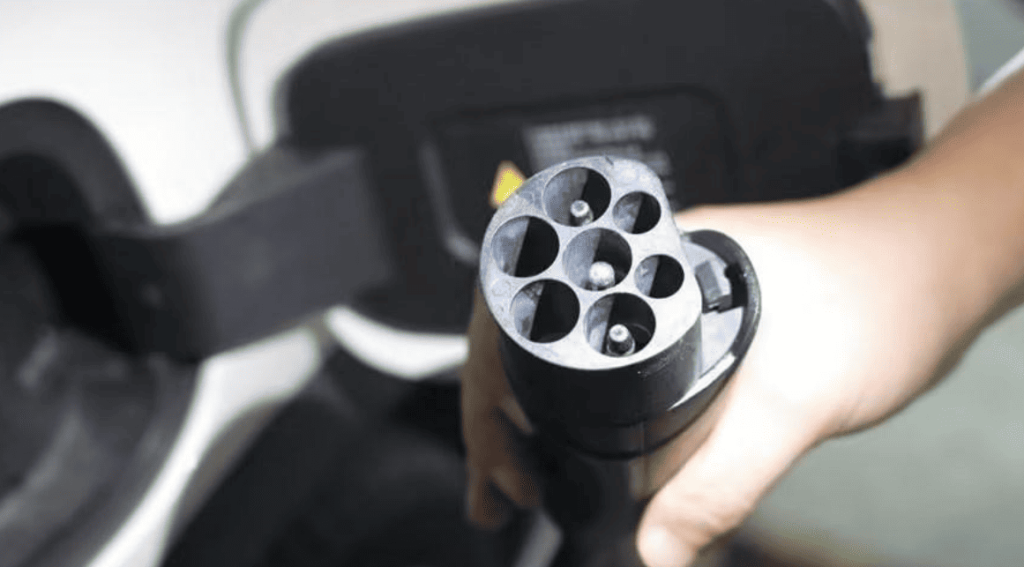
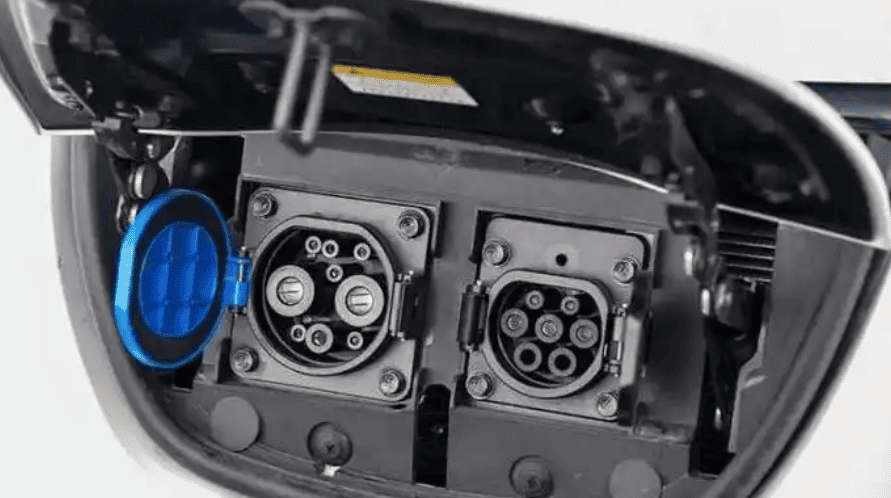
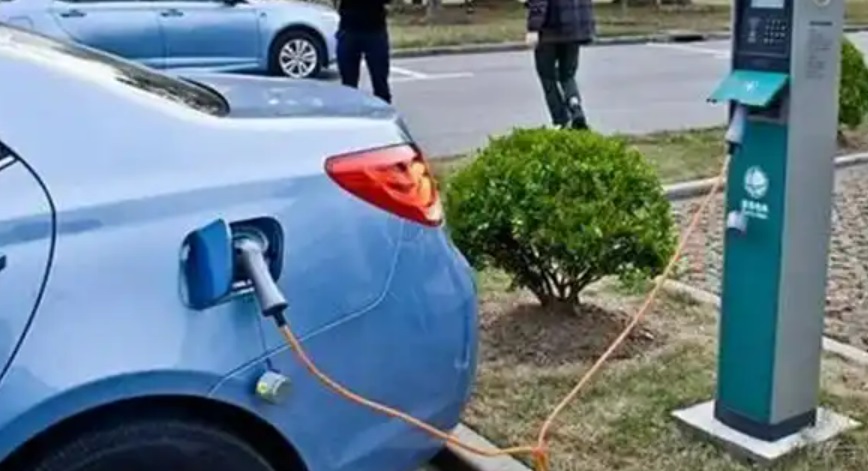
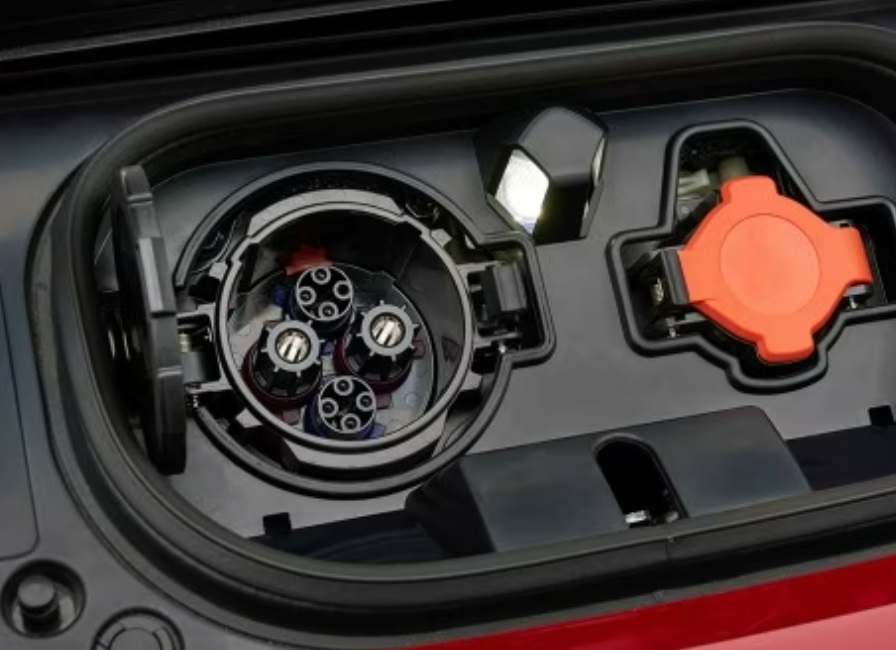
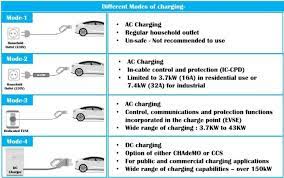
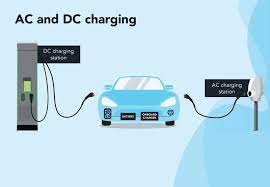
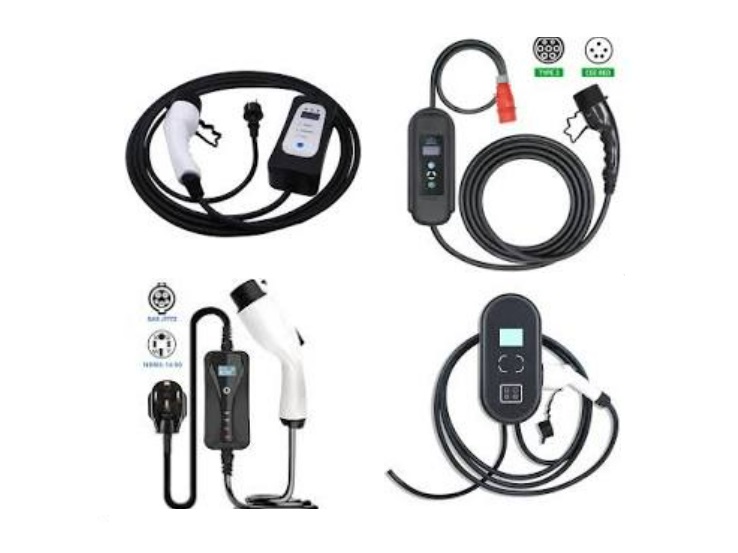
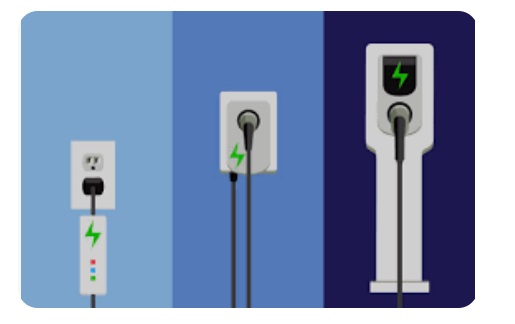
First, the compatibility of a charging pile mainly depends on whether the interface matches. Interfaces are divided into two types: physical and communication. Physical interfaces include the shape and size of the plug, while communication interfaces involve the vehicle’s onboard charging system and the charging pile’s communication protocol.
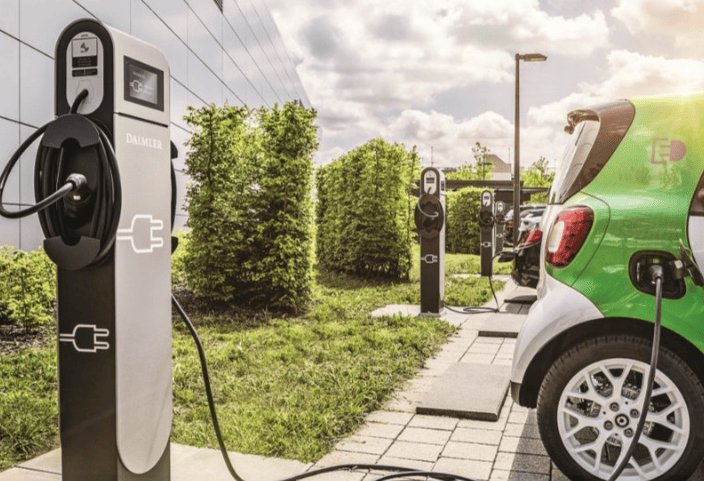
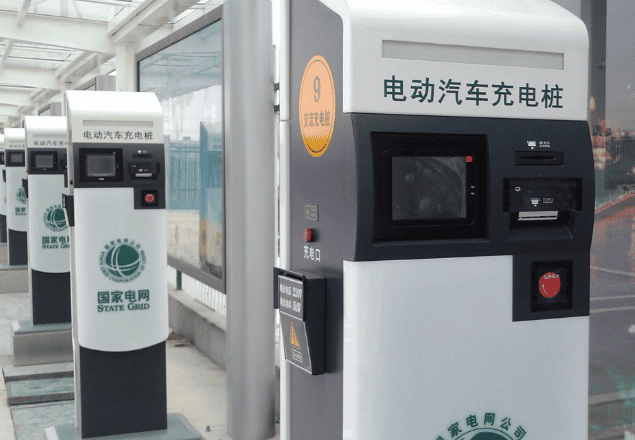
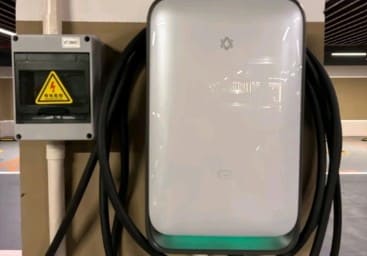
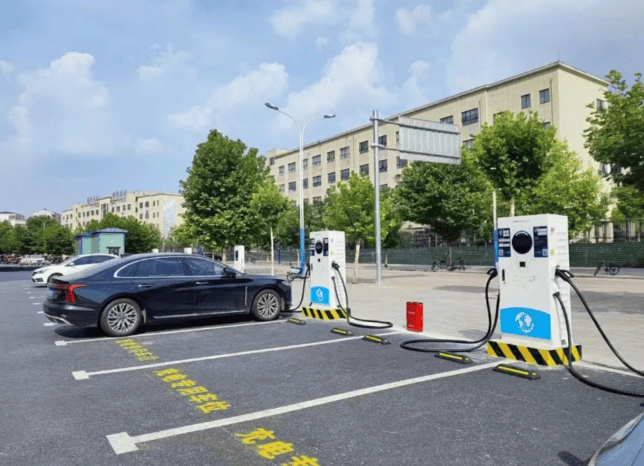
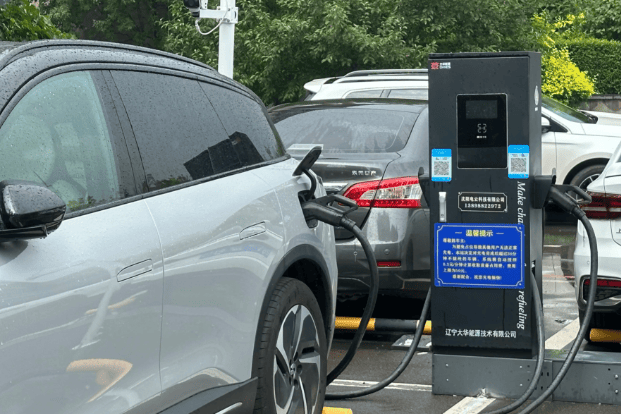
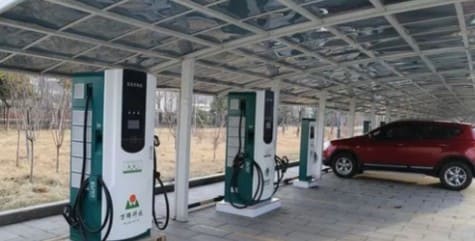
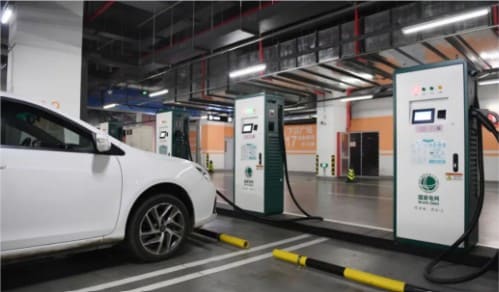
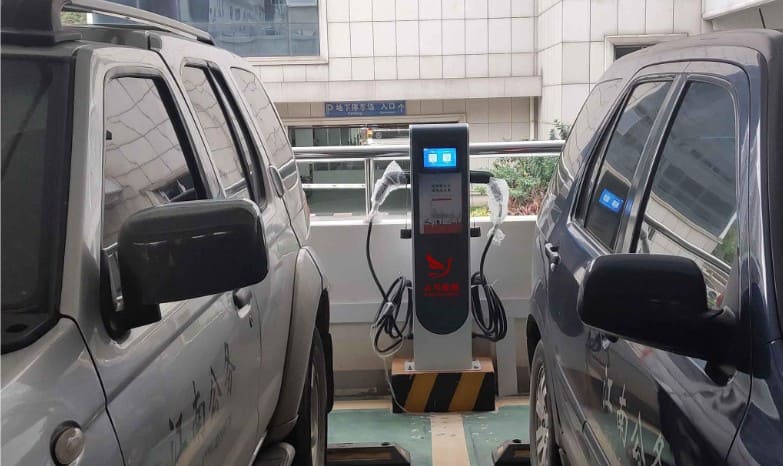
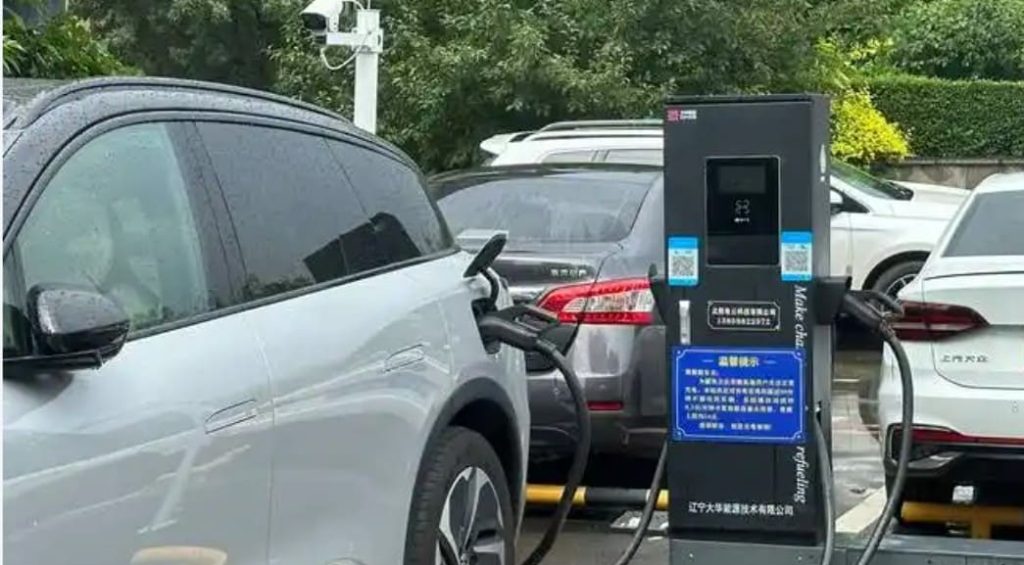
Currently, new energy vehicles produced in China must comply with national standards and use national standard charging piles. Charging piles are broadly categorized into: national standard, energy bureau standard, and State Grid standard, with detailed regulations and requirements for interface design, charging protocols, and communication methods. In most cases, the interfaces between different brands of electric vehicles and charging piles are compatible, but interface compatibility doesn’t mean they can charge any electric vehicle, as charging power and protocols may differ, directly affecting charging efficiency and speed.
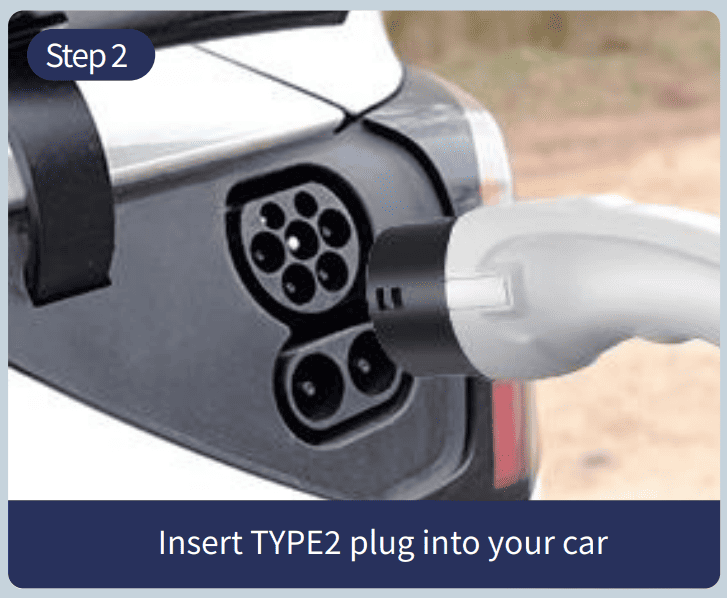
3. Protocol Compatibility: Ensuring Smooth Charging
Third, protocol compatibility is equally important. The communication protocol between the vehicle’s onboard charging system and the charging pile must match for normal charging to occur. If the protocols don’t align, even if the interface and voltage match, the vehicle won’t charge properly. Therefore, before purchasing, it’s best to check the vehicle’s charging protocol to ensure compatibility with the charging pile.
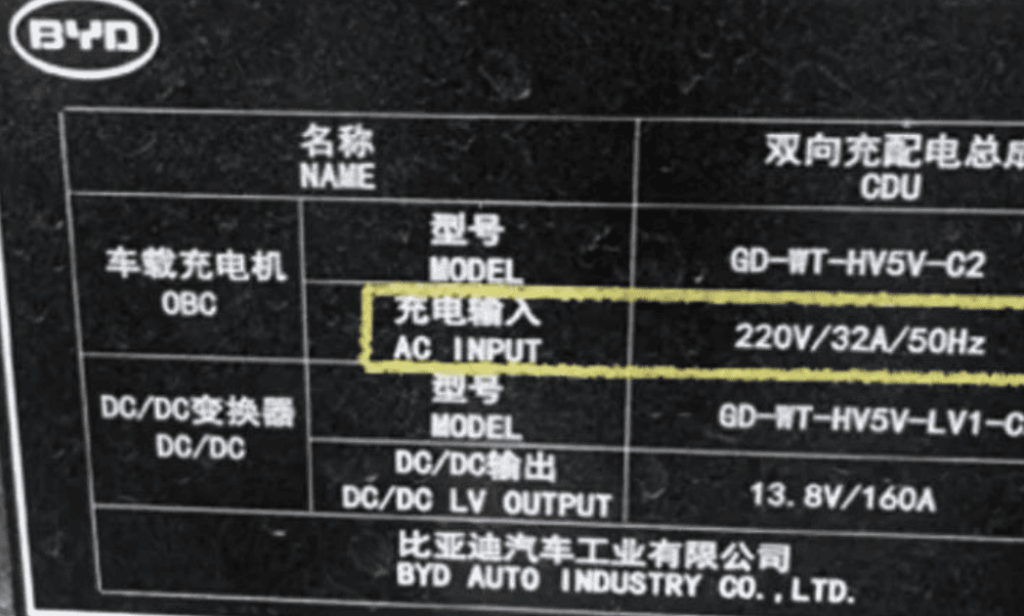
4. Brand Customization: Universal vs. Custom Solutions
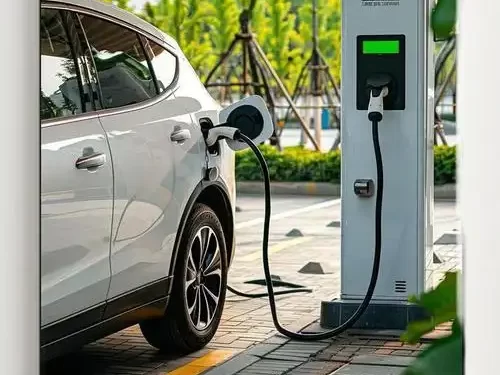
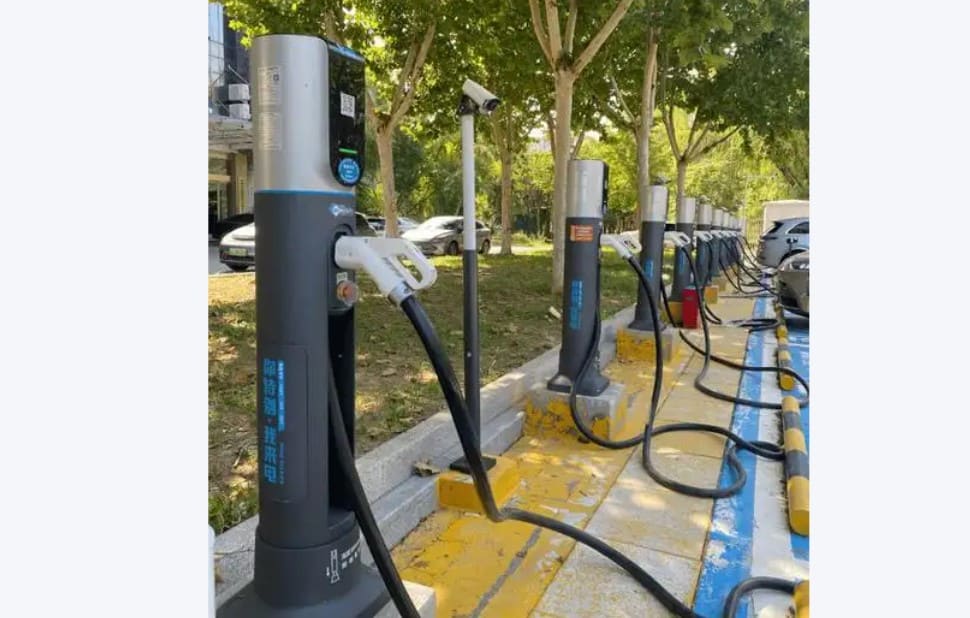
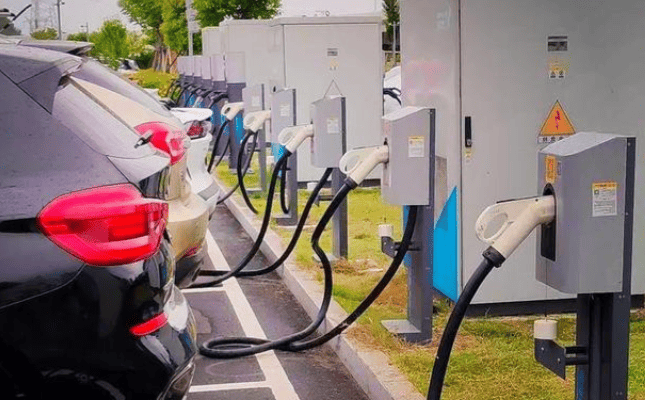
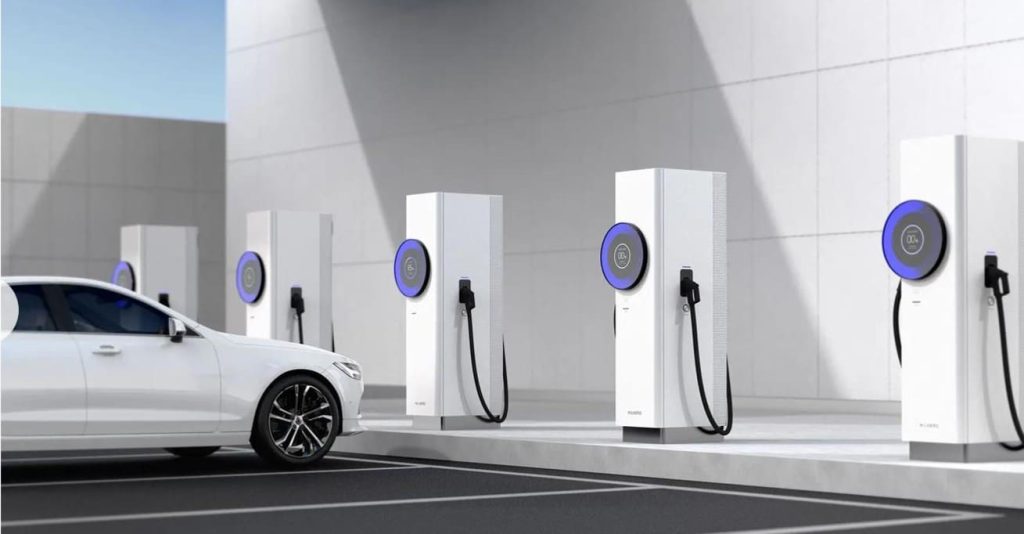
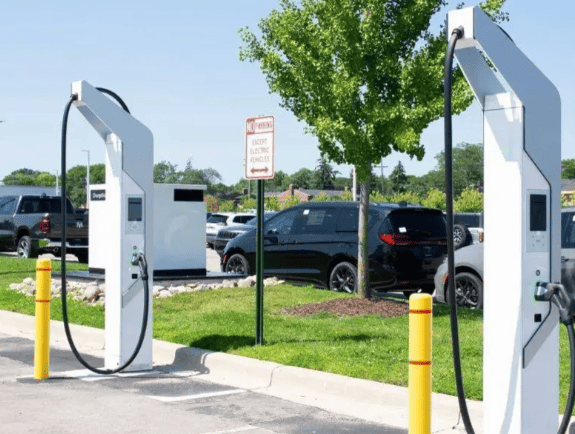
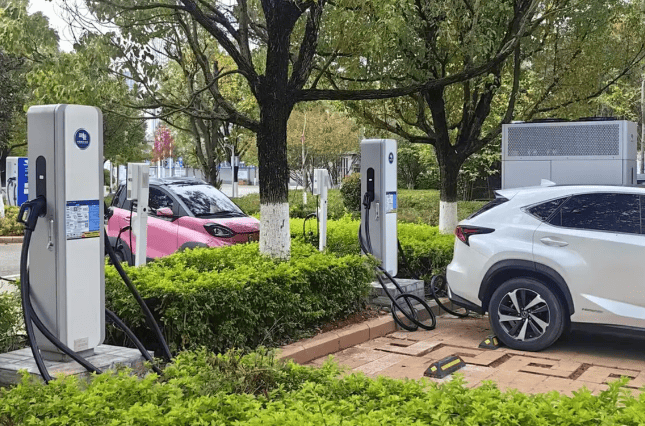
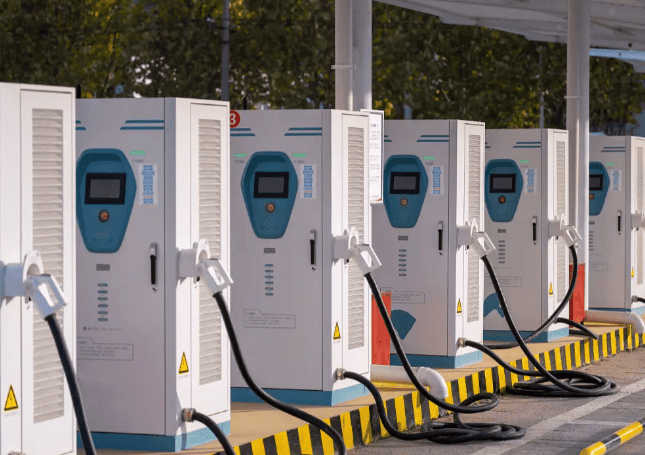
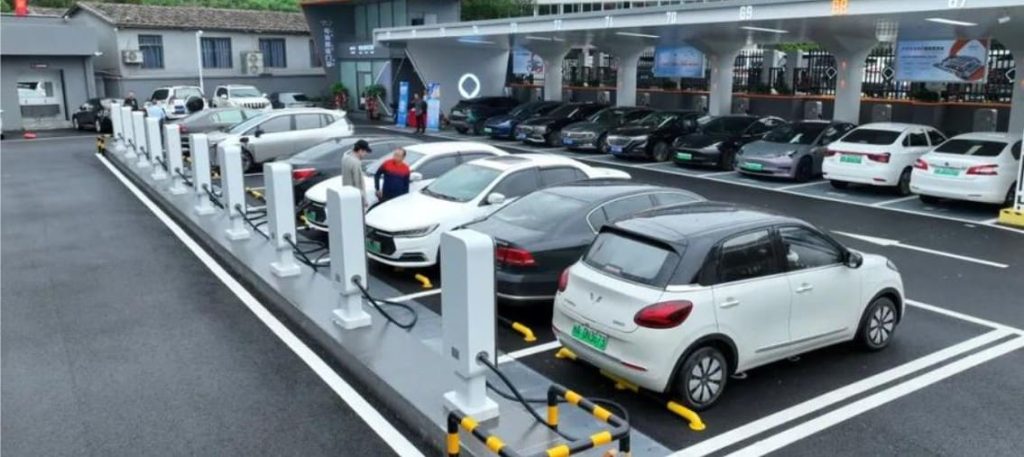
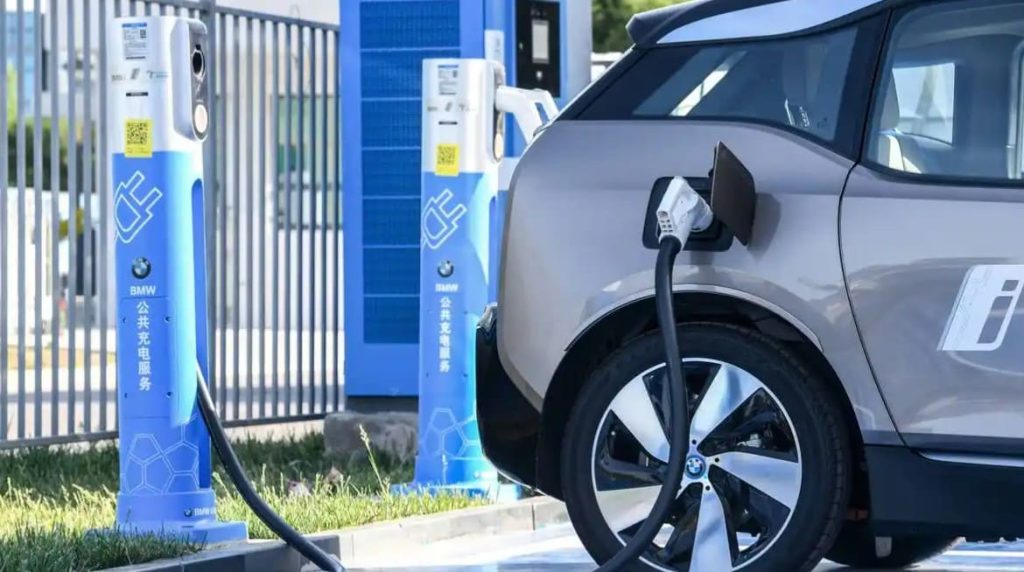
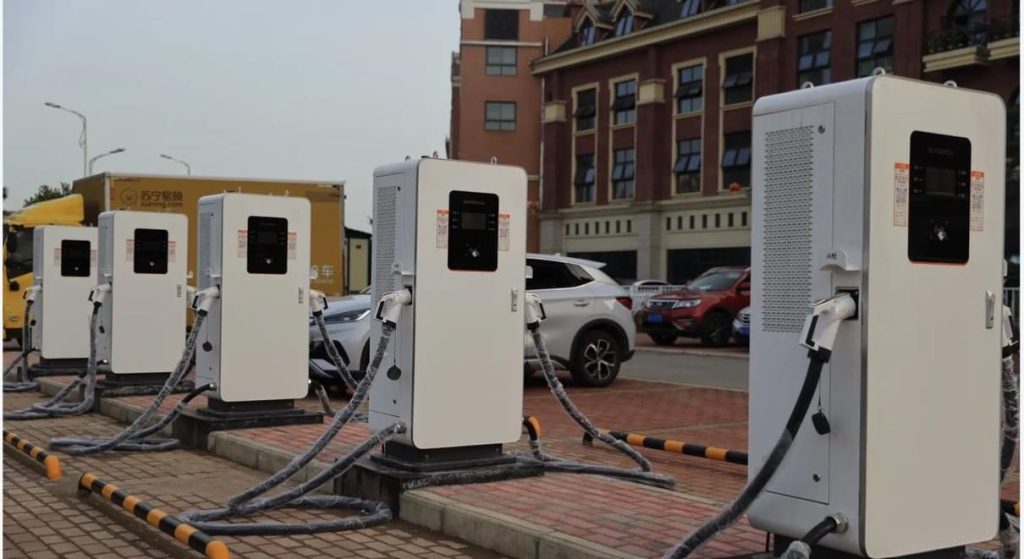
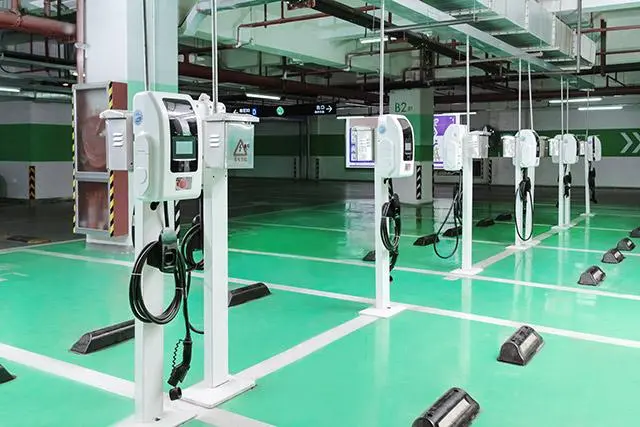
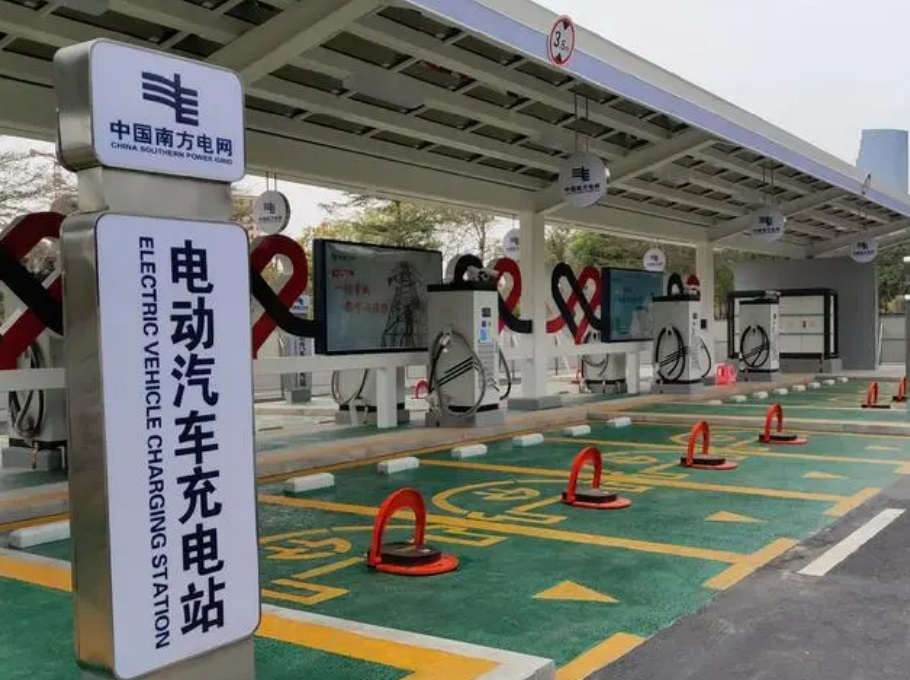
Now, let’s talk about brand customization. Most charging piles in China adhere to national standards, giving them a degree of universality in compatibility. In other words, most public charging piles can provide charging services for different brands of electric vehicles.
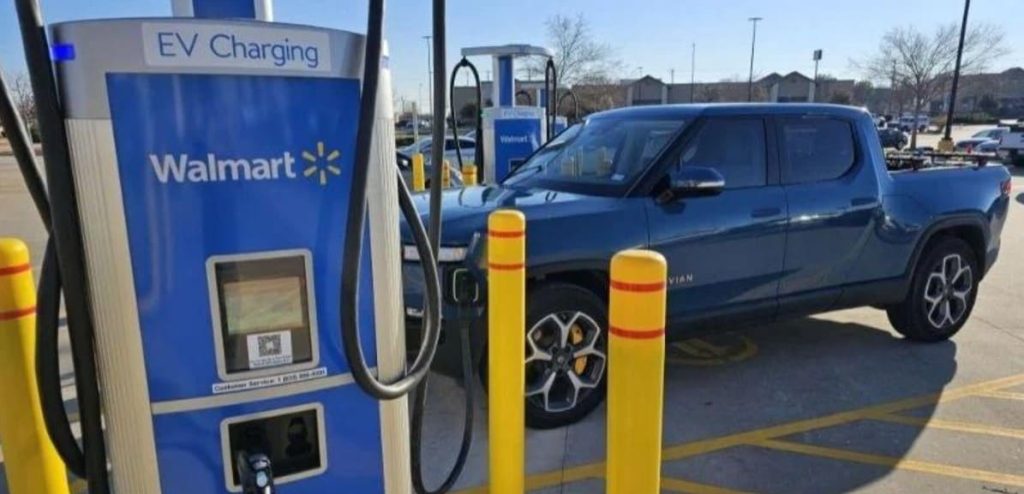
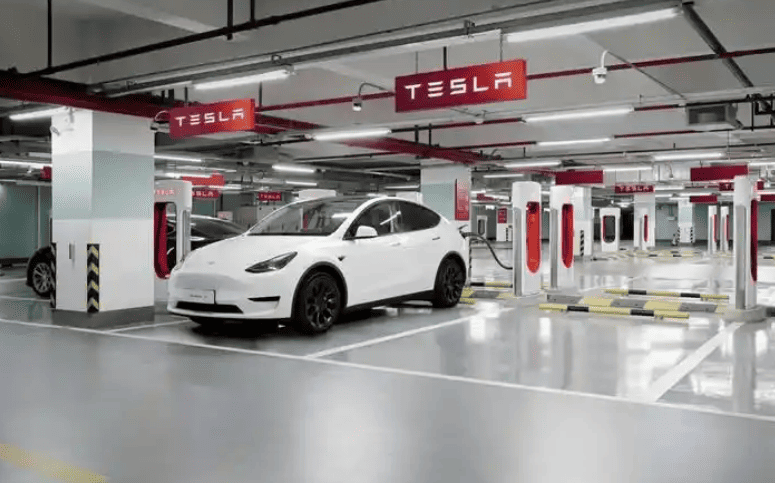
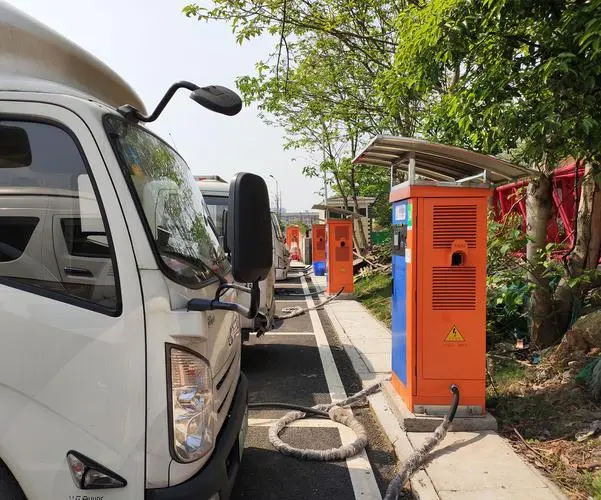
However, the situation is different for brand-specific charging piles. Dedicated charging piles are often designed for specific brands and models, so their compatibility may be limited.
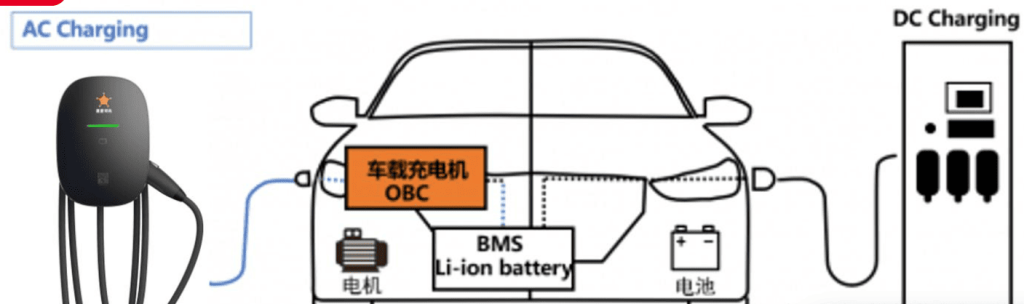
5. Summary
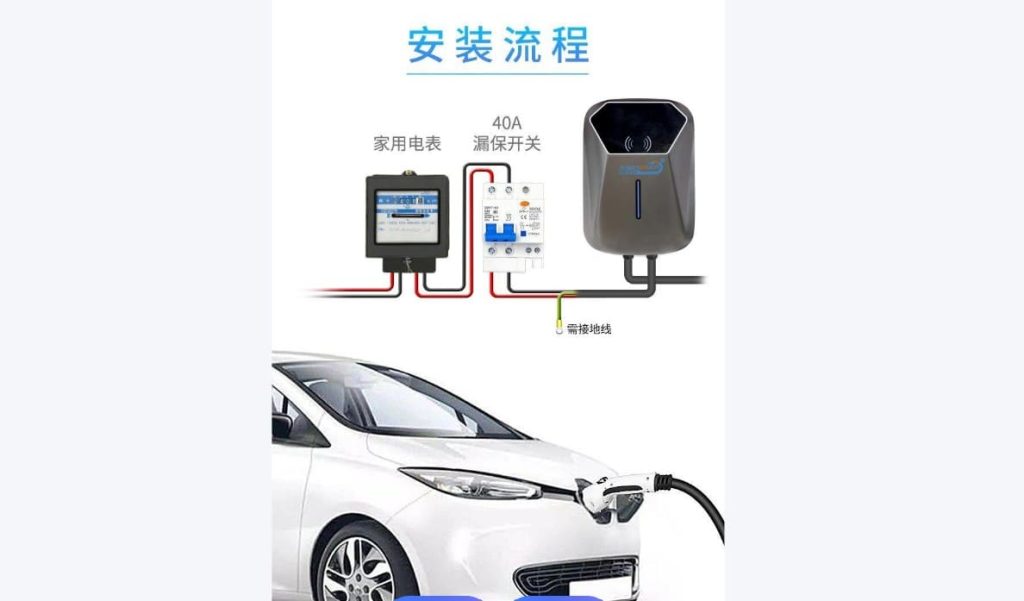
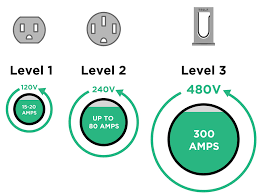
In summary, a home charging pile can, in most cases, provide charging services for multiple types of new energy vehicles, provided three conditions are met: interface matching, voltage compatibility, and protocol alignment. If these conditions are satisfied, the charging pile can serve multiple vehicle models.
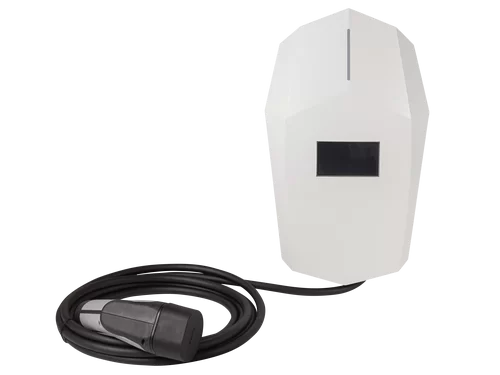
Of course, to ensure a smooth charging experience, it’s advisable to check the vehicle’s charging interface, protocol, and voltage requirements before purchasing a charging pile, or opt for a public charging pile with broad compatibility (such as Star Charge). This way, you can avoid potential issues and enjoy convenient charging services.
Key Considerations When Using a New Energy Vehicle Charger:
- Avoid excessive charging current—adjust the current according to charging specifications. The charging current, charging time, current transition timing, and termination voltage must strictly follow regulations.
- If the remaining capacity varies in a series battery pack, the charging current should be set based on the battery with the smallest remaining capacity. Once the smallest-capacity battery is fully charged, it should be disconnected, and charging should continue for the larger-capacity batteries.
- During charging, check the voltage of each battery cell every 2–3 hours. If the voltage reaches 2.4V, switch to the second-stage charging promptly.
- If the electrolyte temperature rises to a certain level (usually 40°C) during charging, reduce the current by half. If the temperature continues to rise to 45°C, pause charging and resume only when it drops below 40°C.
- The electrolyte density of a fully charged battery must meet specifications, and the density difference between individual cells should not exceed the allowed limit.
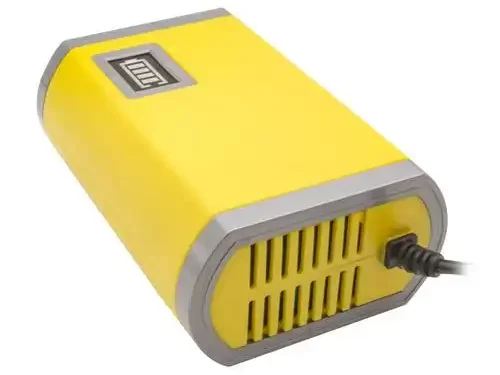
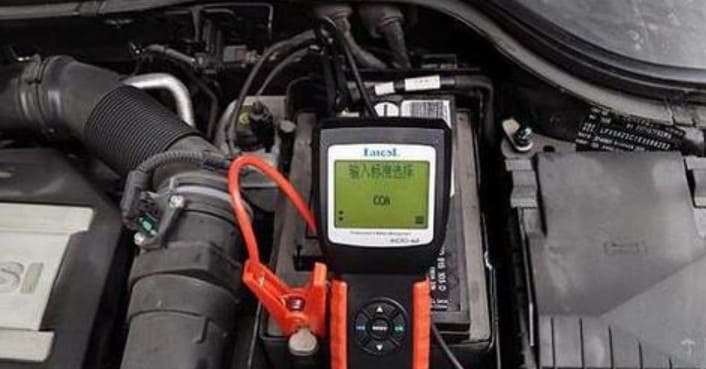
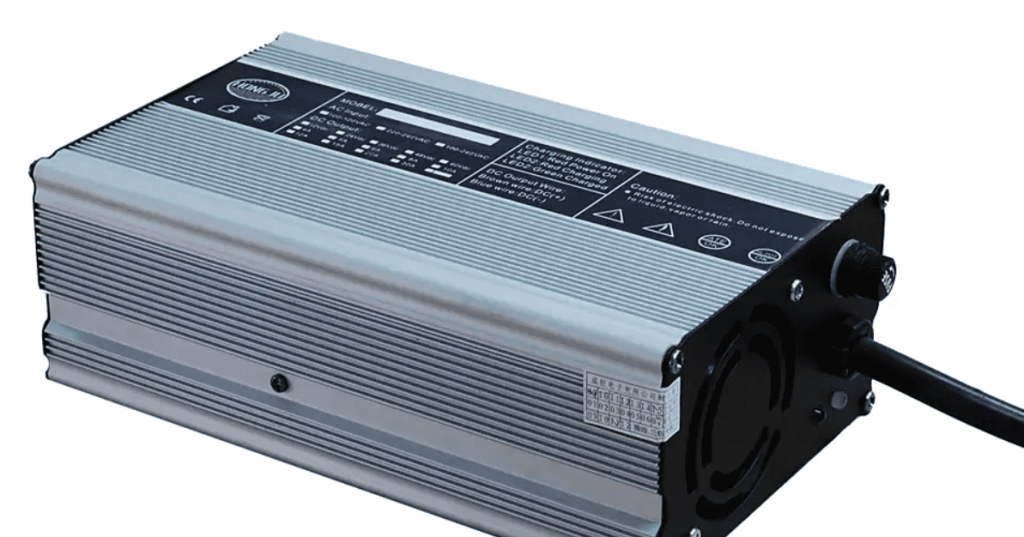
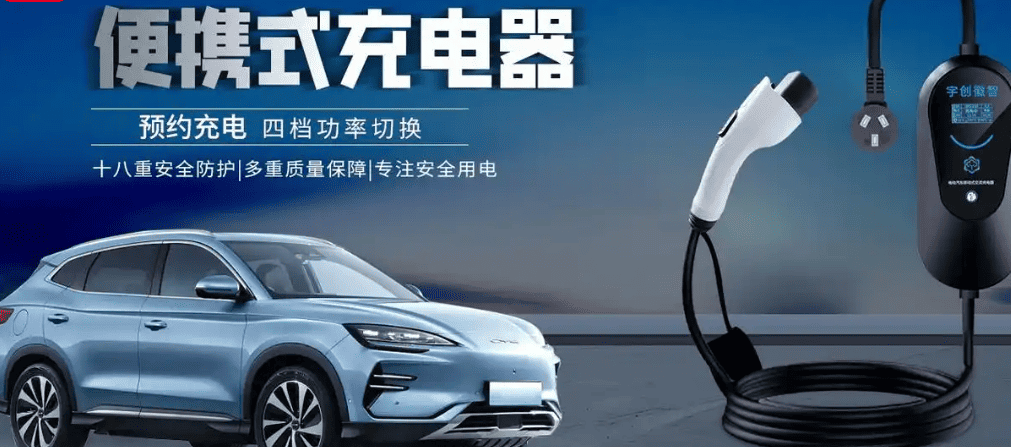
For chargers, those with the same power rating can be used interchangeably, while those with different power ratings cannot. The performance of an electric vehicle charger directly affects charging efficiency, battery lifespan, and vehicle safety. To test charger performance, refer to the following general methods:
- For a 48V charger, the maximum voltage should not exceed 59.6V. If the charging voltage is too low, it may fail to activate the charging indicator. Typically, the low voltage should not drop below 55V—lower voltages may result in insufficient charging, which can damage the battery over time.
- For current, take a 48V 20A charger as an example: the maximum current should not exceed 3A. Higher currents may cause premature battery aging. The minimum current should not be less than 2.1A—lower currents may lead to insufficient charging.
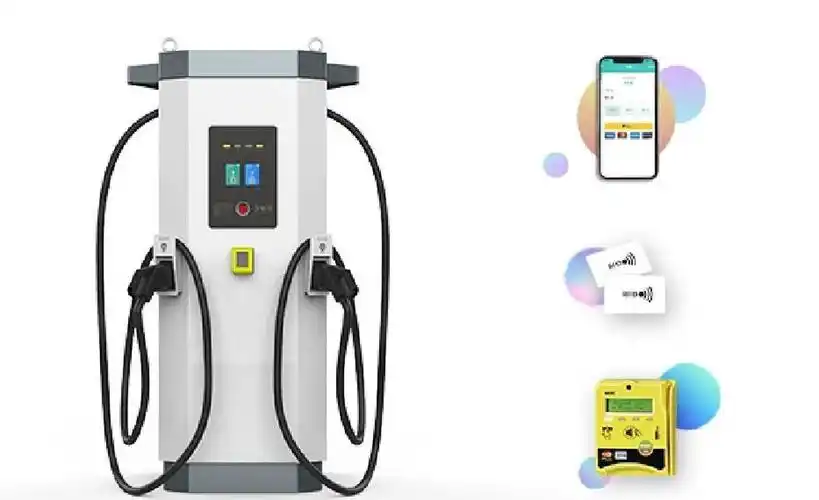
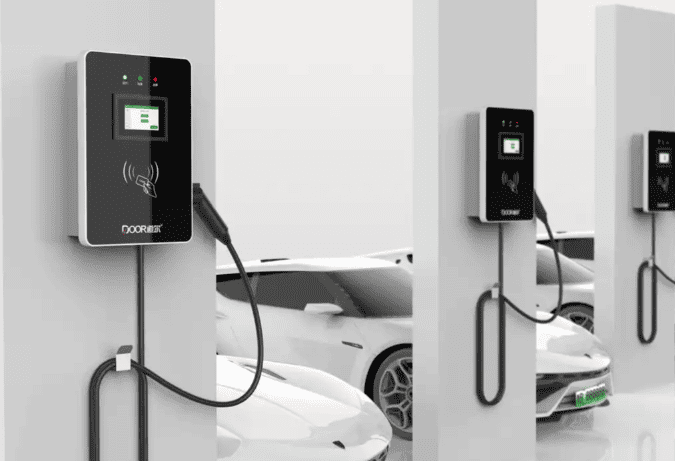
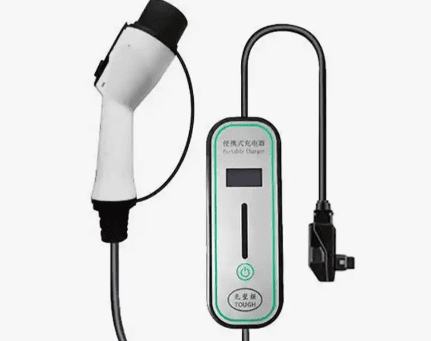
Recommend Slow Charger Products:
Contact Us
Contact Us
Whatsapp/Mobile: +86 18019762979
Email: sales@lkmixer.com
Charging pile: