How do ev charging stations work?
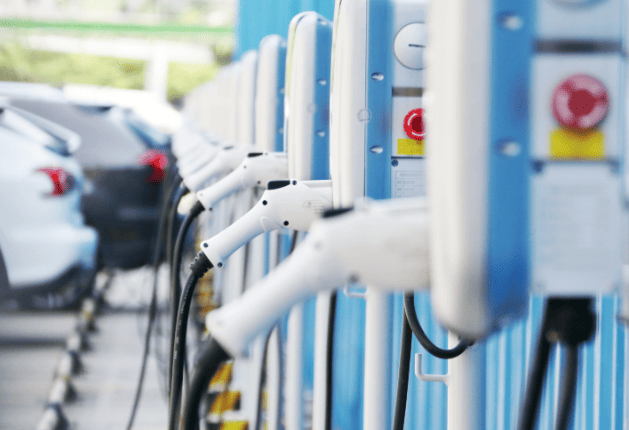
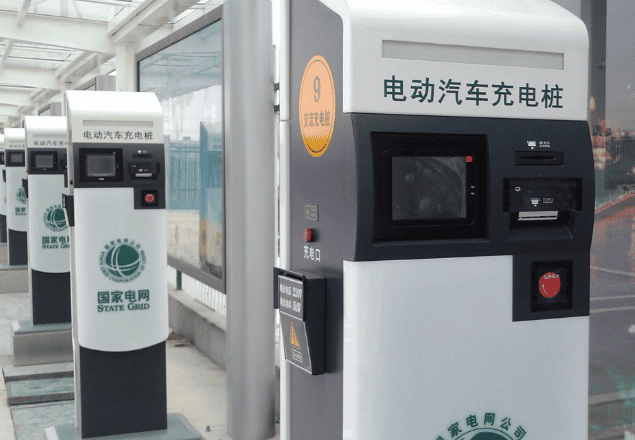
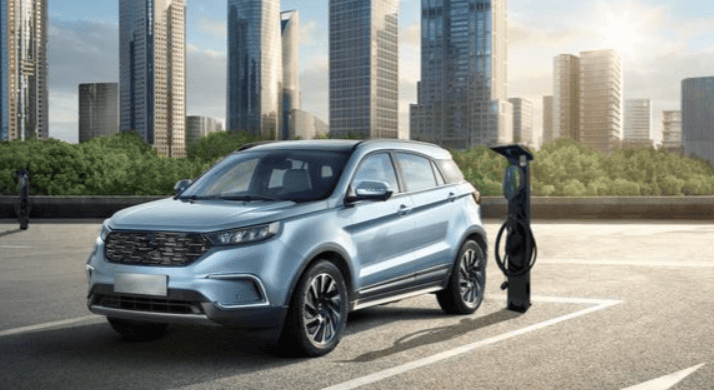
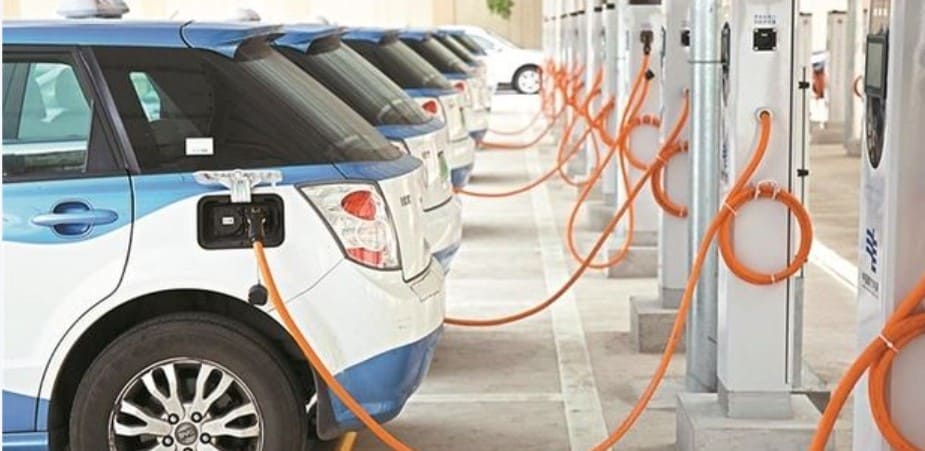
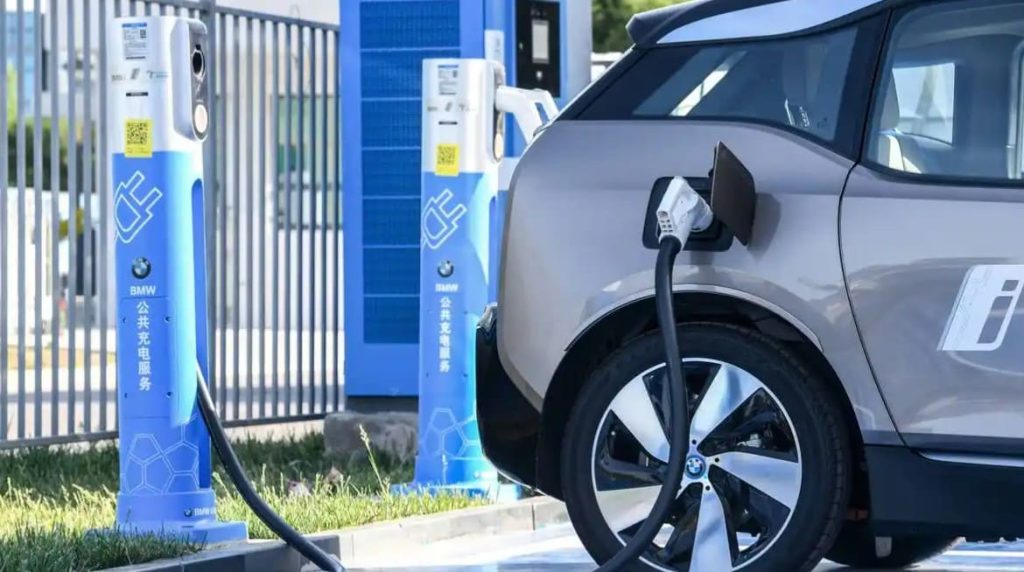
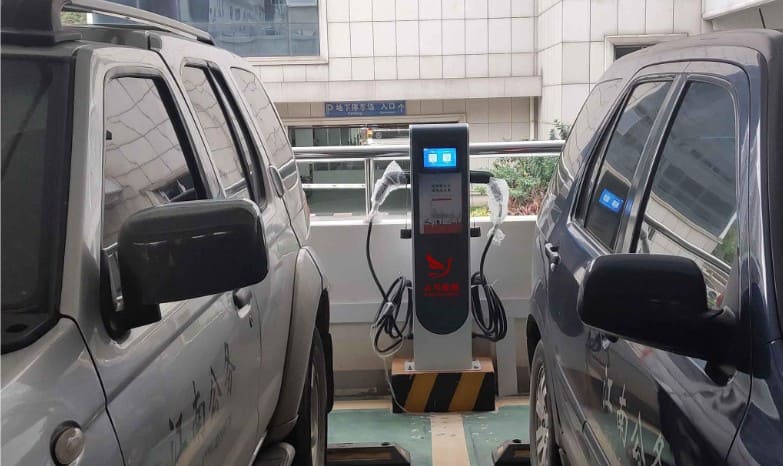
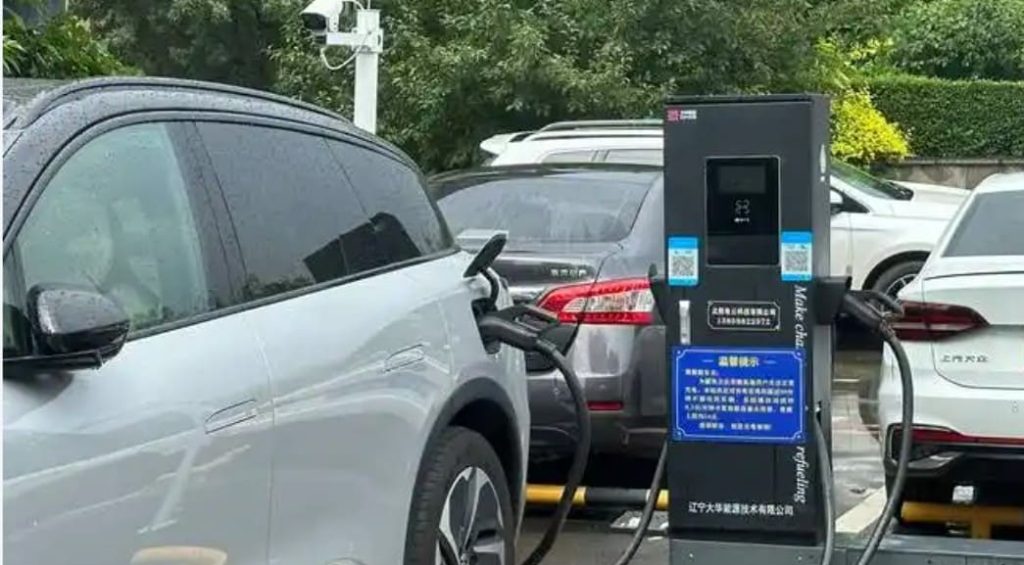
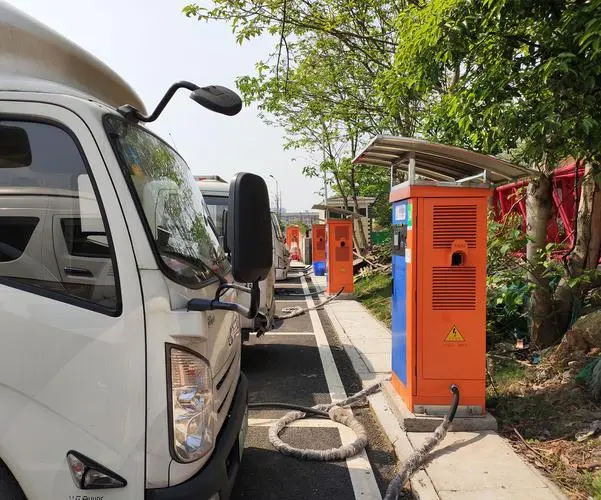
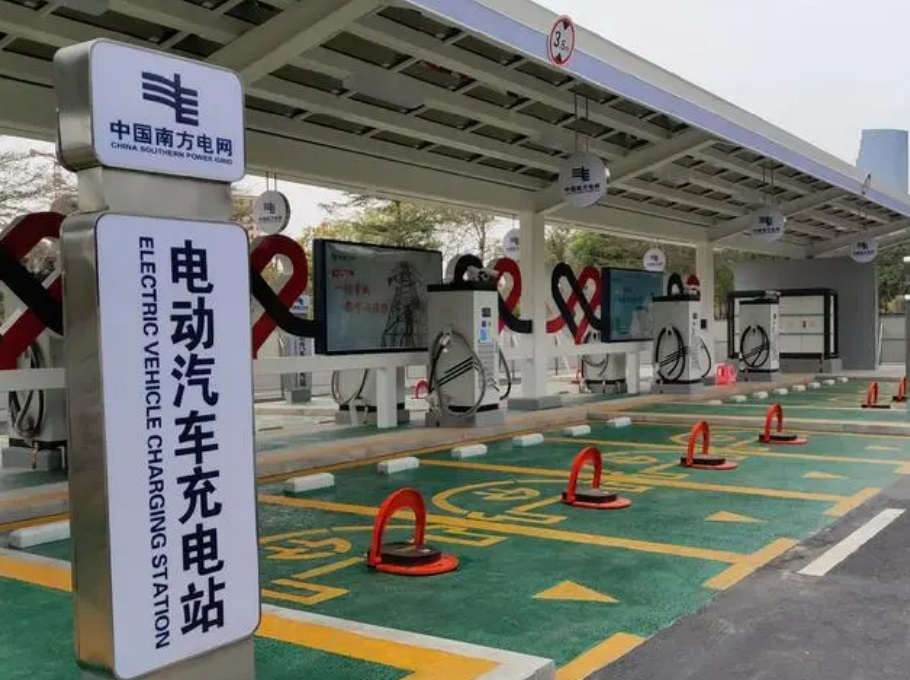
How do ev charging stations work? In addition to handling user authentication, power conversion, and real-time safety monitoring, electric vehicle (EV) charging stations safely move electricity from the grid to an EV’s battery. Because of variations in technical standards, grid infrastructure, and user behavior, the specific operational details differ between nations. The general principles and regional characteristics are explained in detail below:
General Working Principles (Core Process)
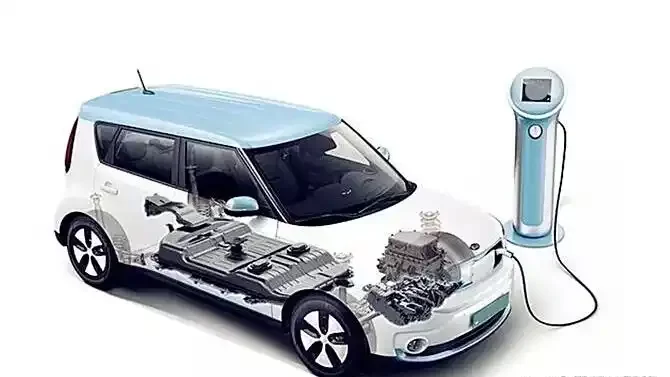
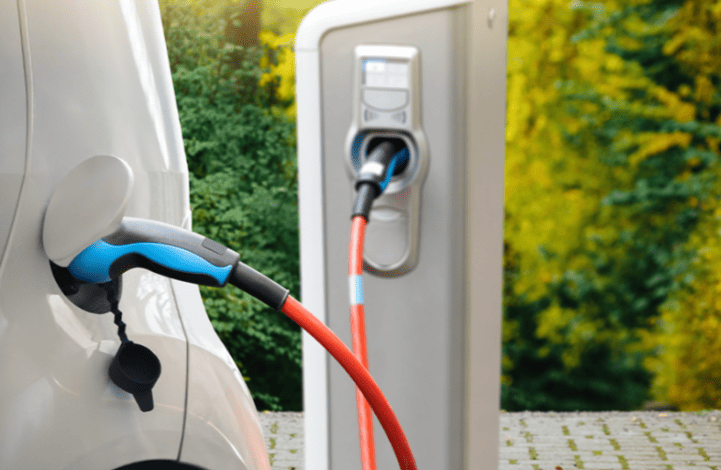
The fundamental purpose of an EV charging station is to transfer electrical energy from the grid to the vehicle’s battery safely and efficiently. This process can be broken down into five key stages:
User Initiation and Authentication
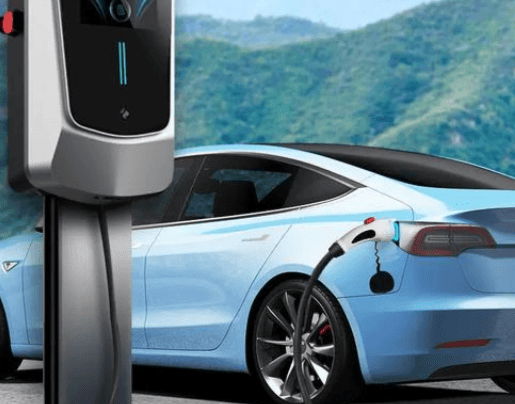
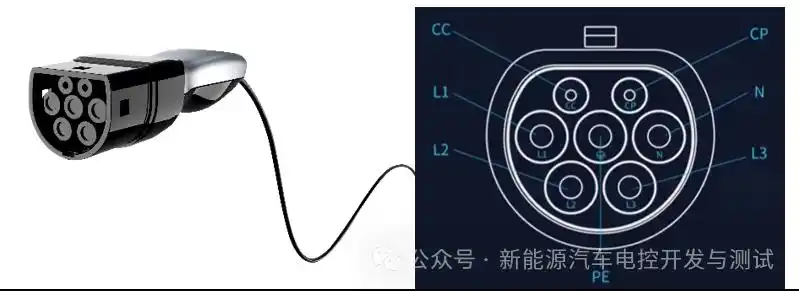
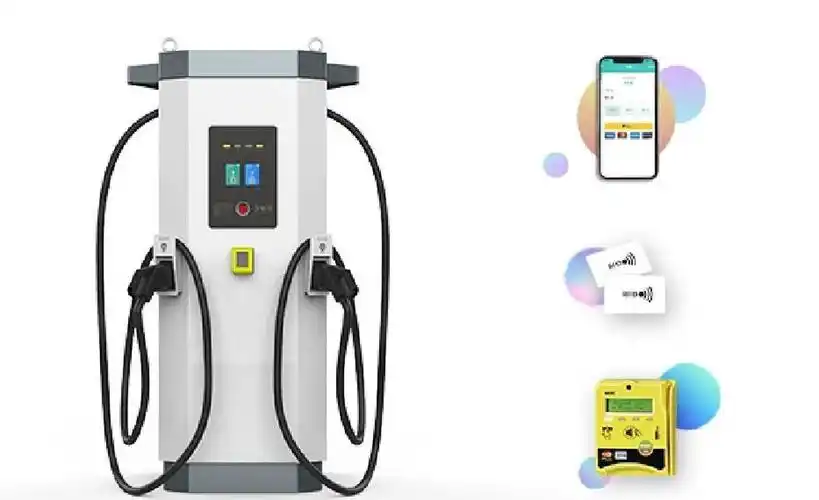
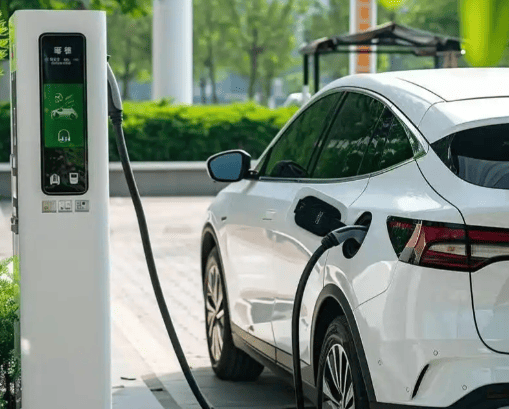
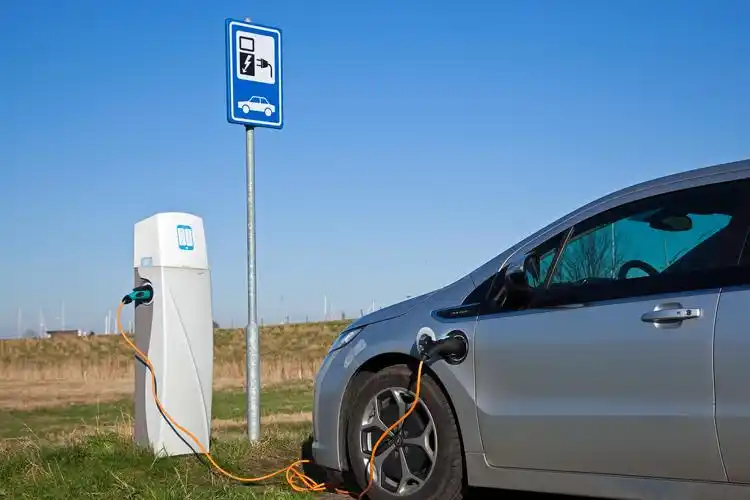
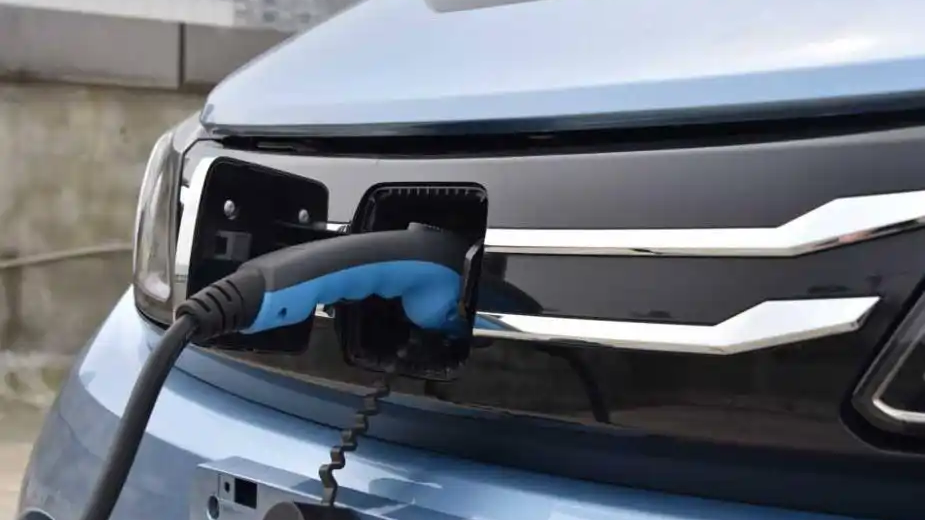
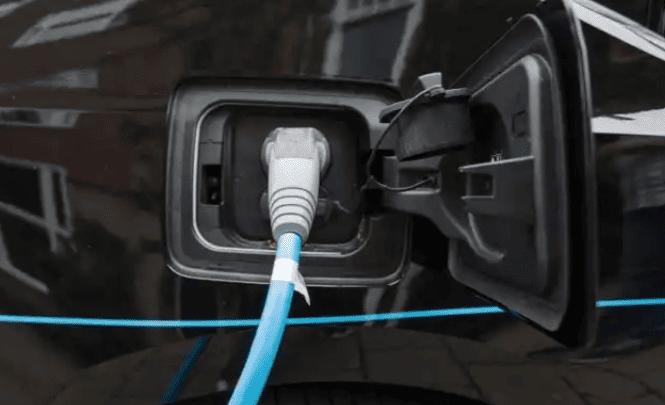
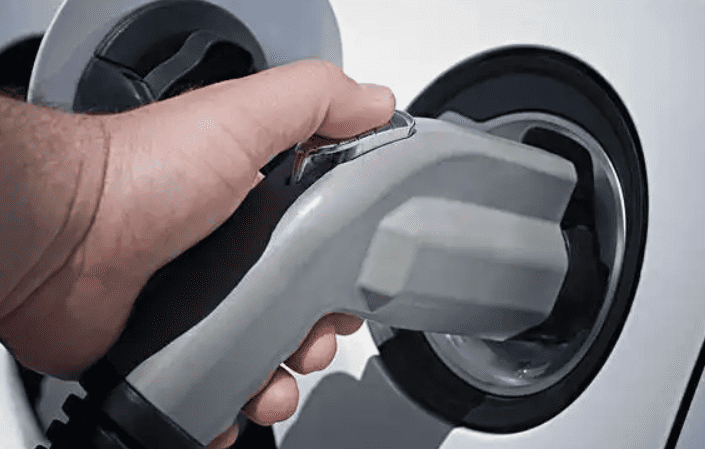
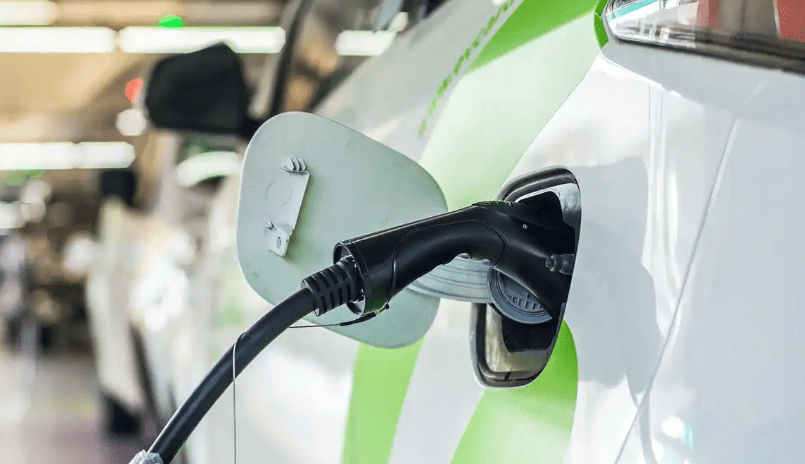
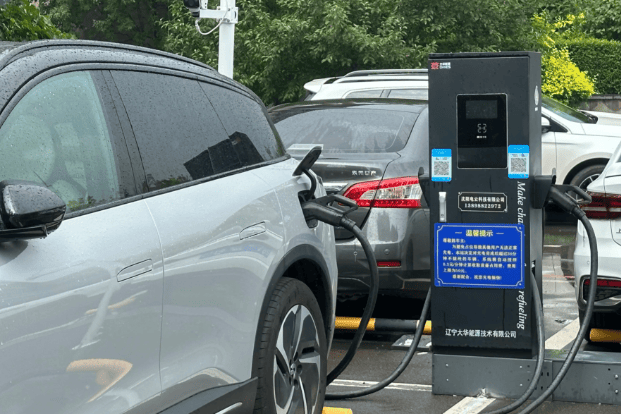
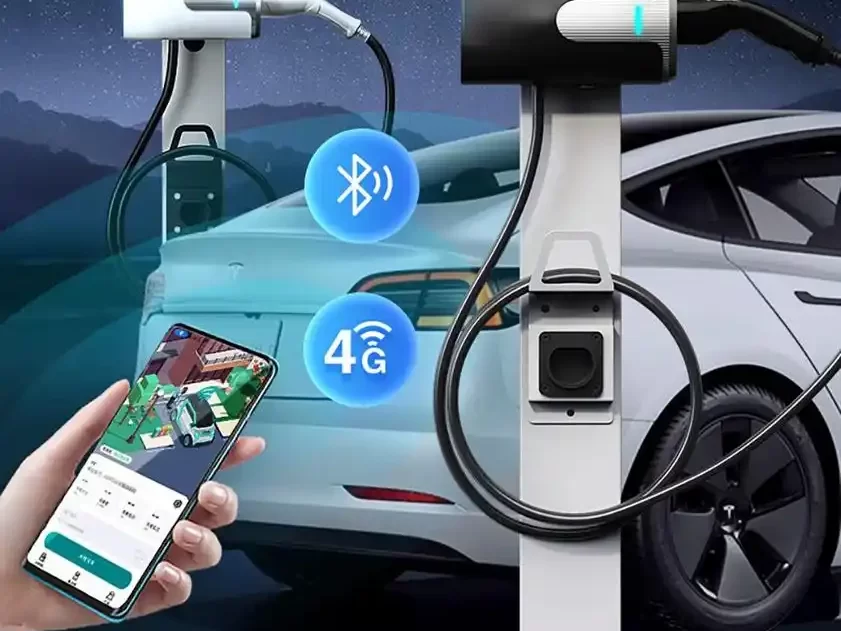
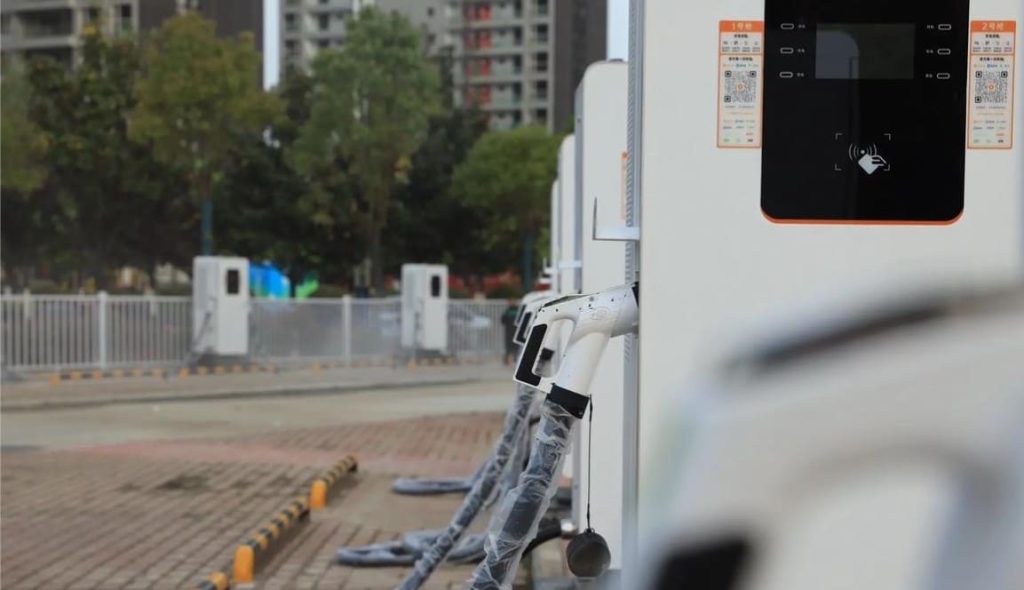
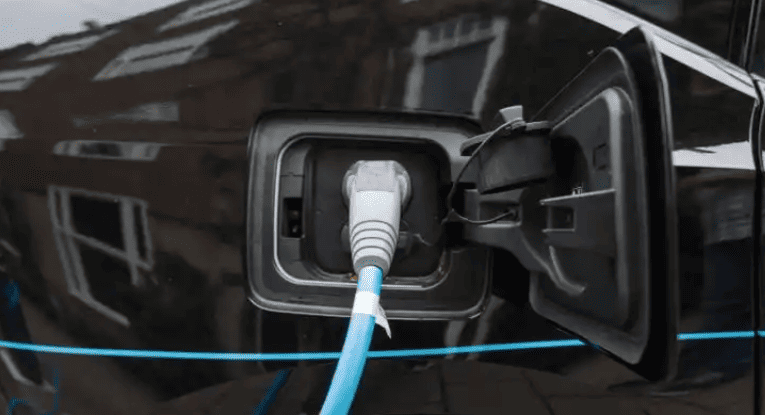
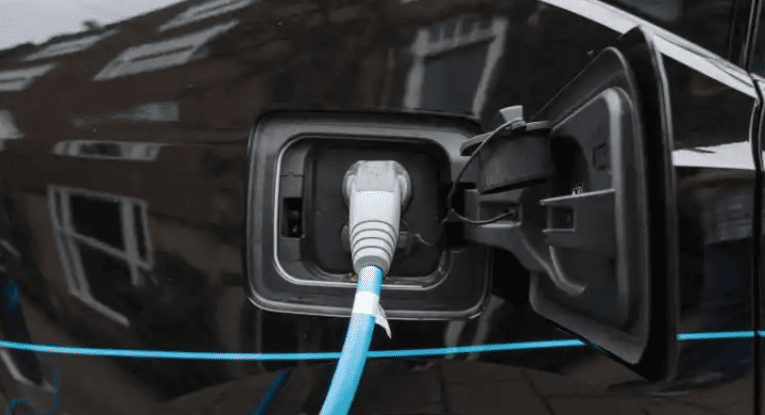
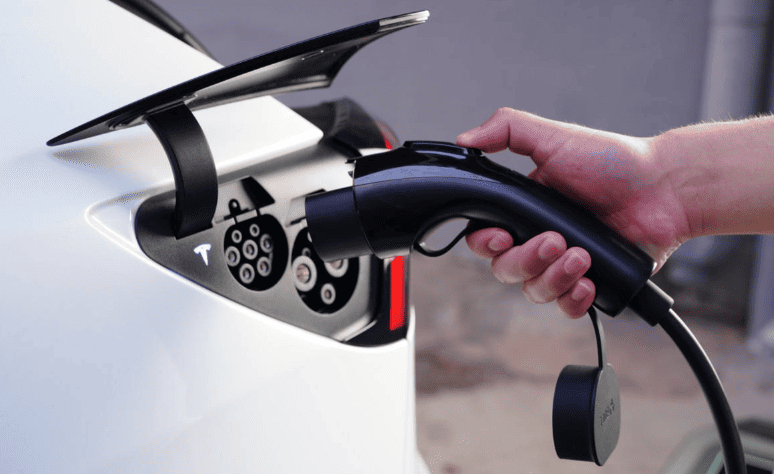
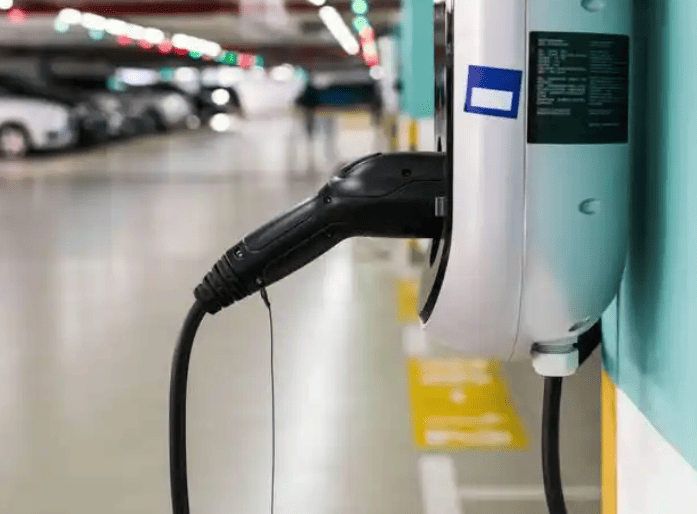
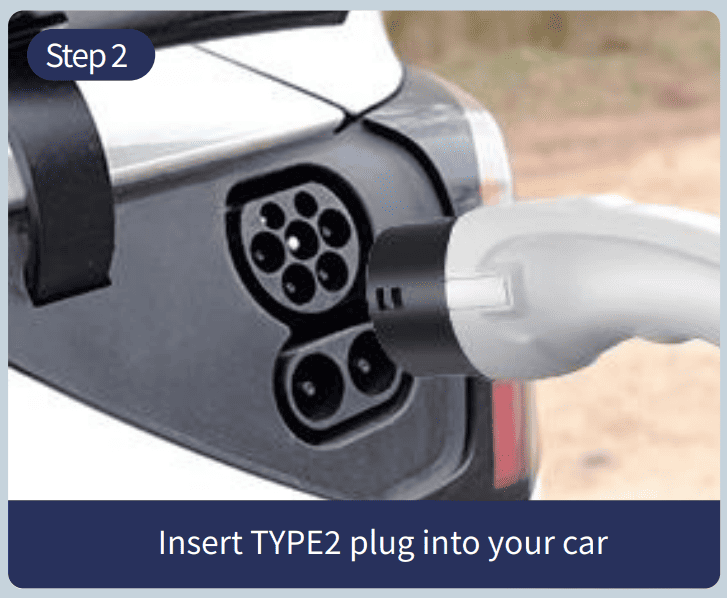
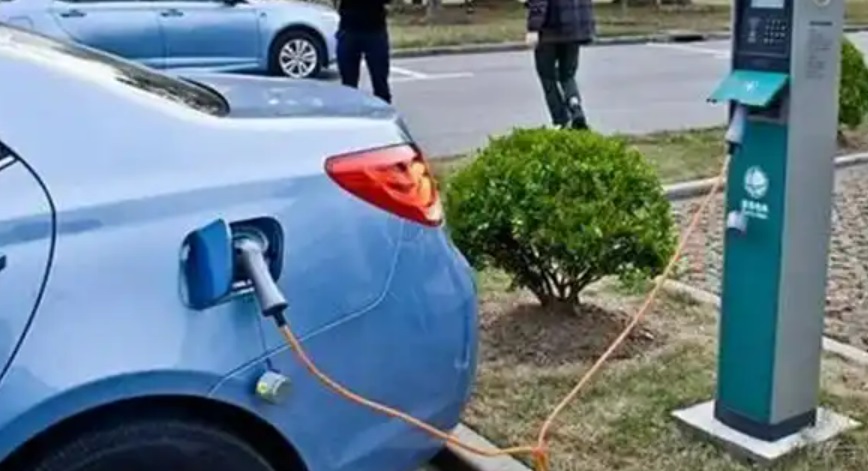
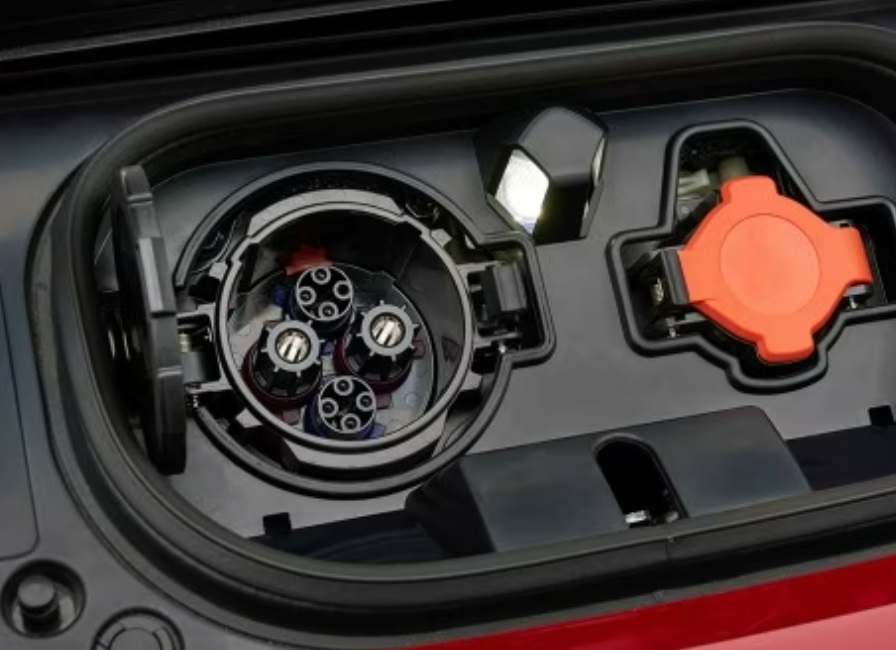
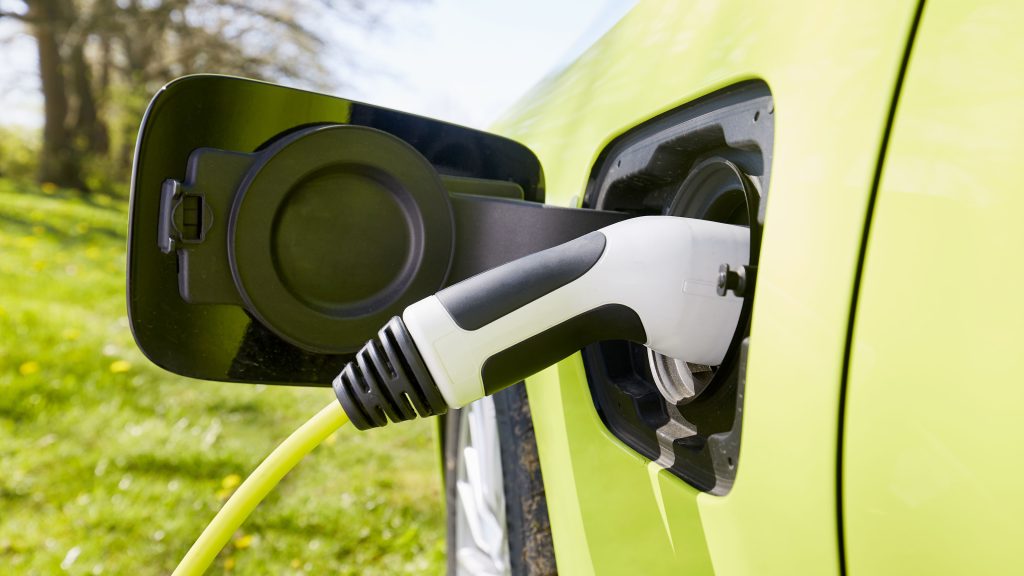
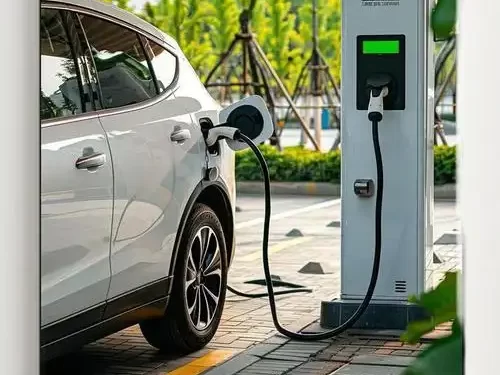
The charging process begins when a user interacts with the station either physically or digitally. Physical initiation involves plugging the charging connector into the vehicle’s port. The connector contains a communication pin (e.g., the CP pin in CCS standards) that exchanges data with the vehicle to ensure compatibility and prevent incorrect insertion. Digital initiation methods include smartphone apps (e.g., IONITY in Europe), RFID cards (e.g., ChargePoint in the U.S.), or credit card payments. These methods verify the user’s identity and payment eligibility before charging commences.
Power Conversion and Transfer
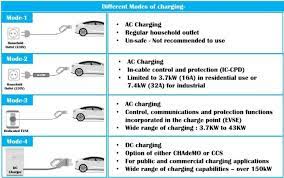
The electricity from the grid is typically alternating current (AC), but electric vehicle batteries require direct current (DC) to charge. Charging stations thus perform critical power conversion through two primary methods:
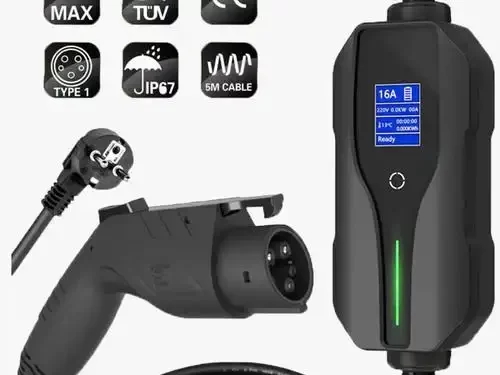
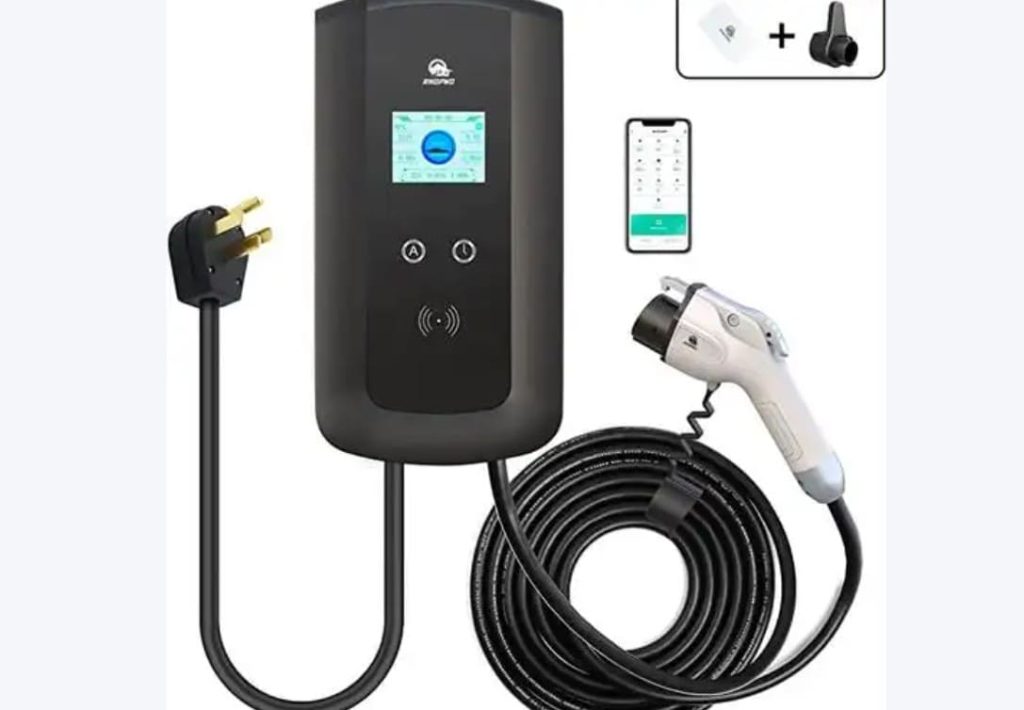
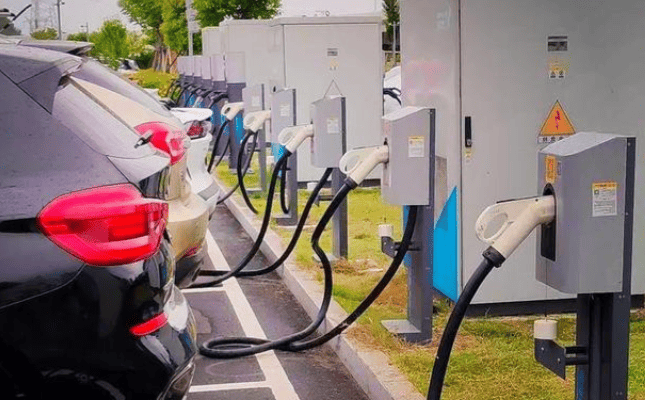
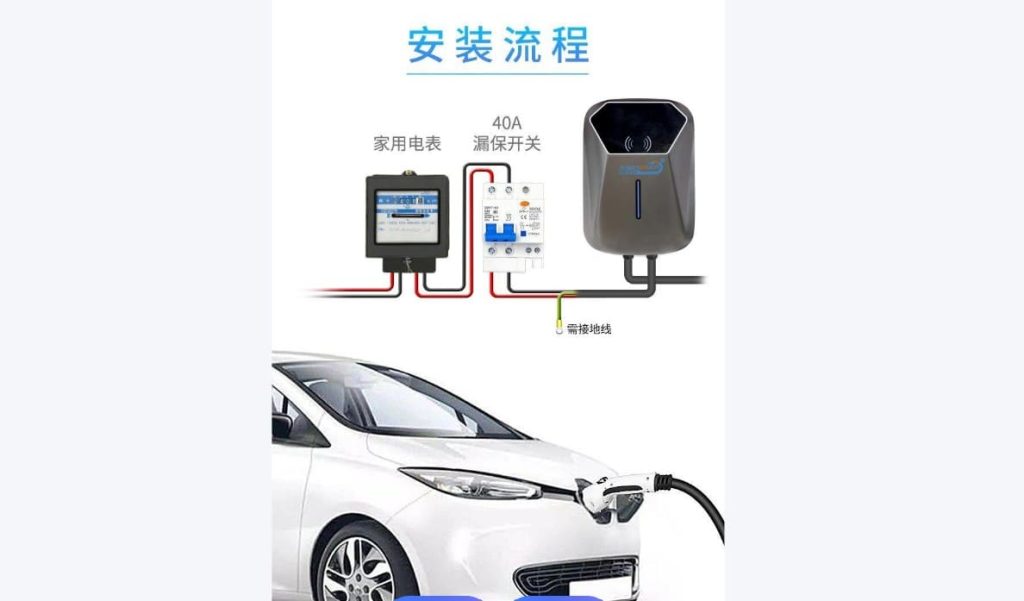
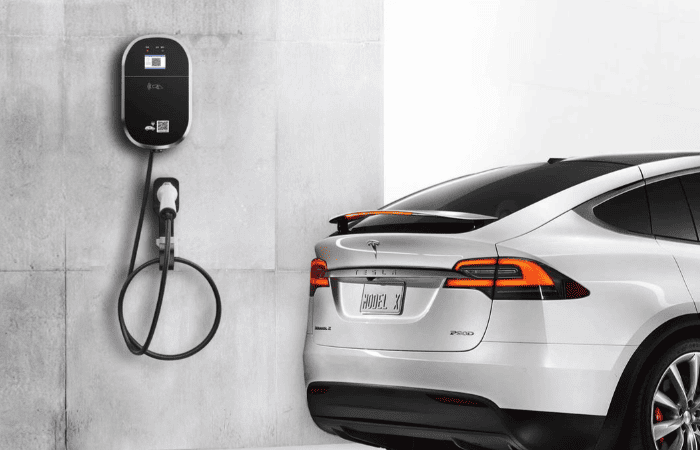
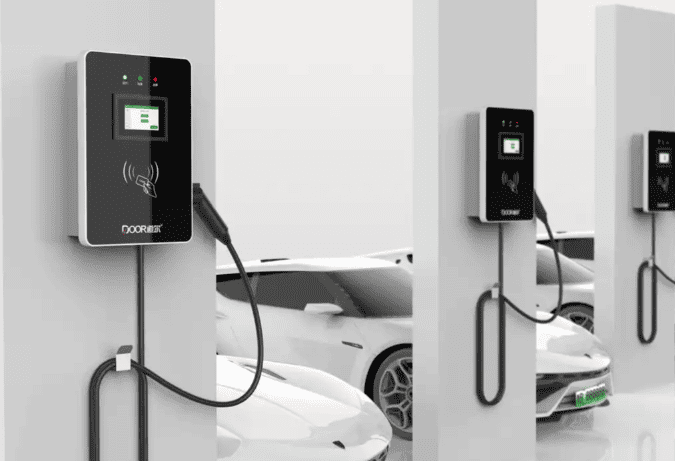
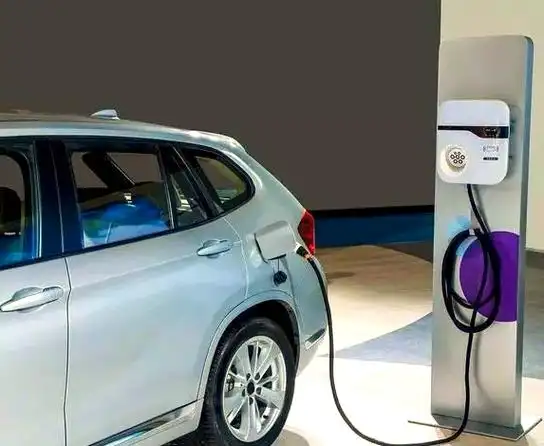
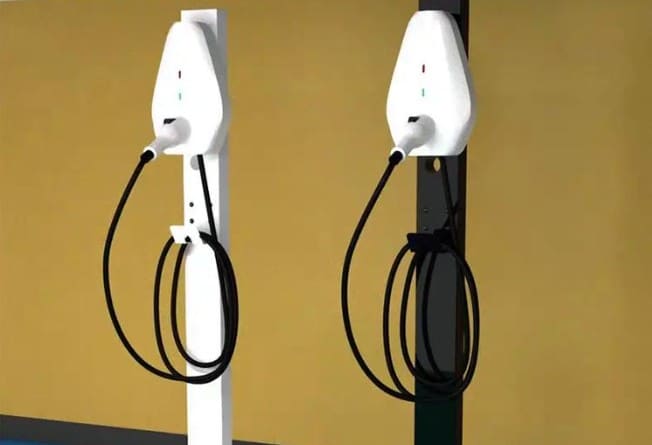
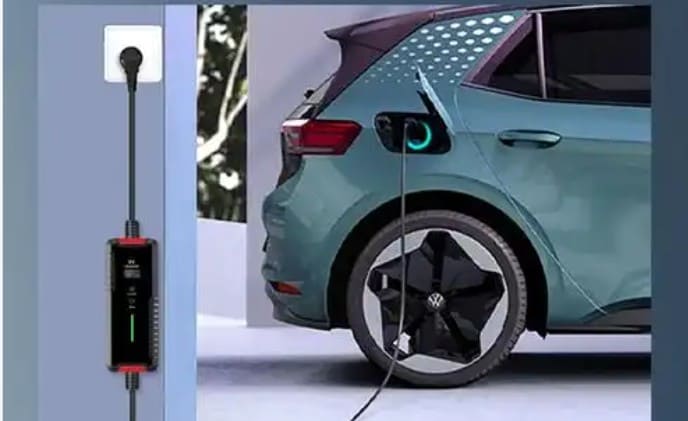
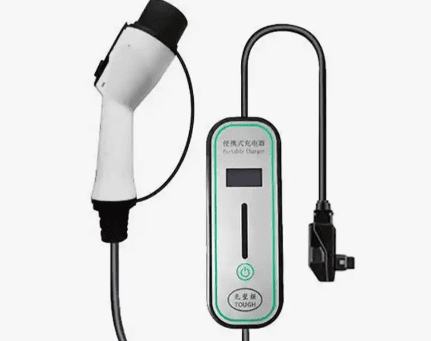
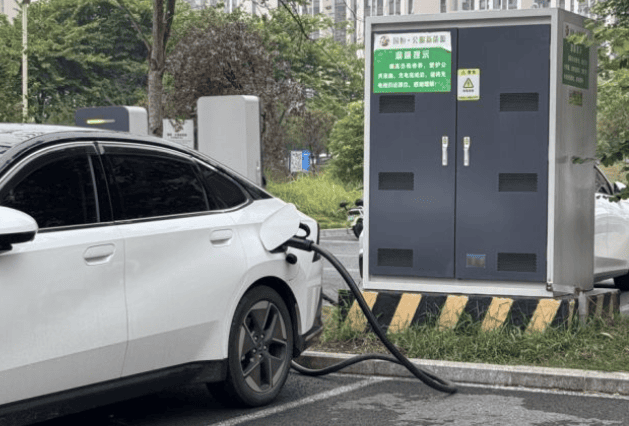
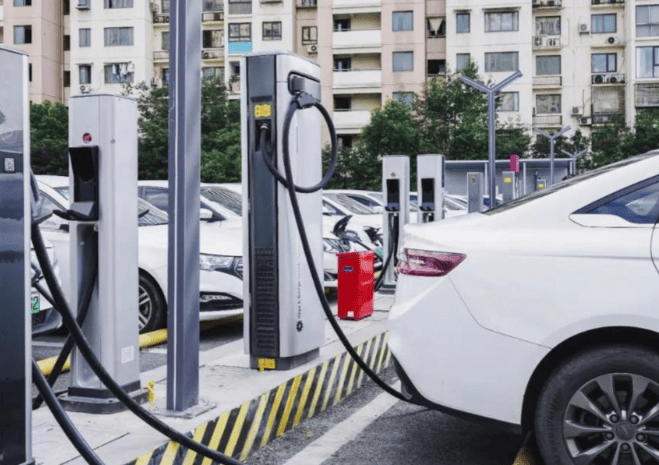
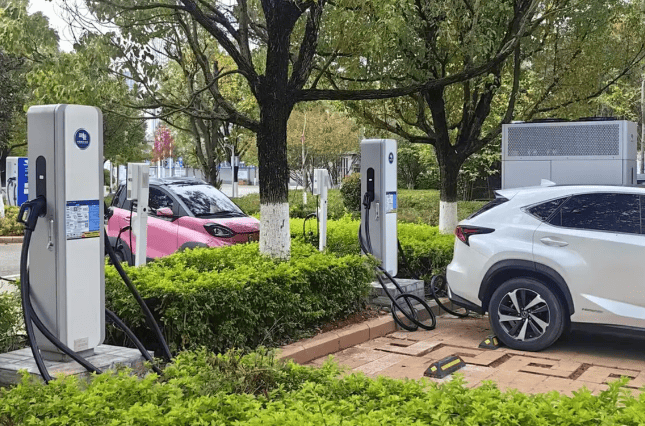
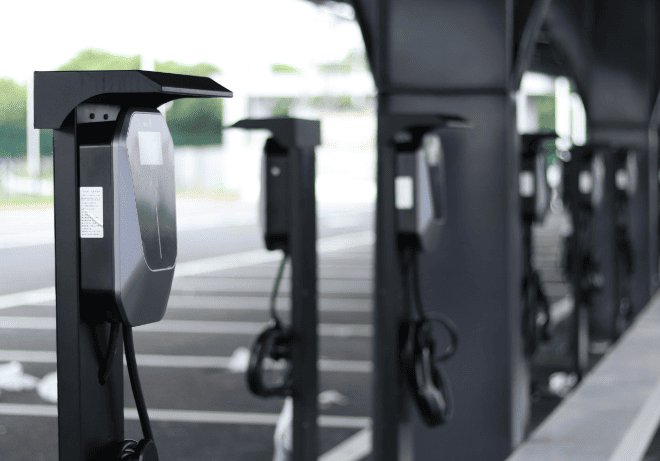
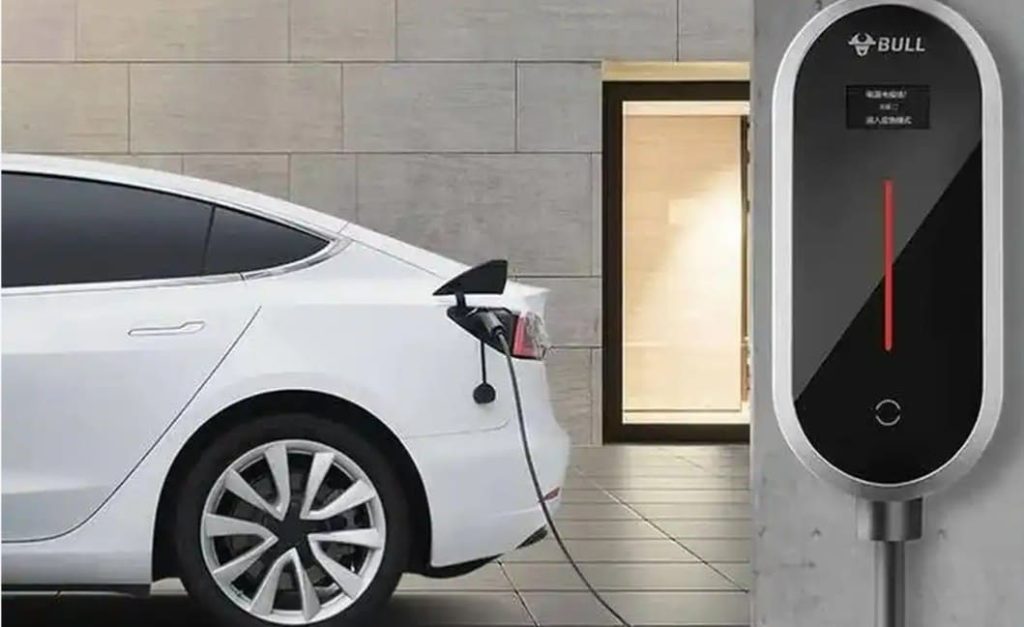
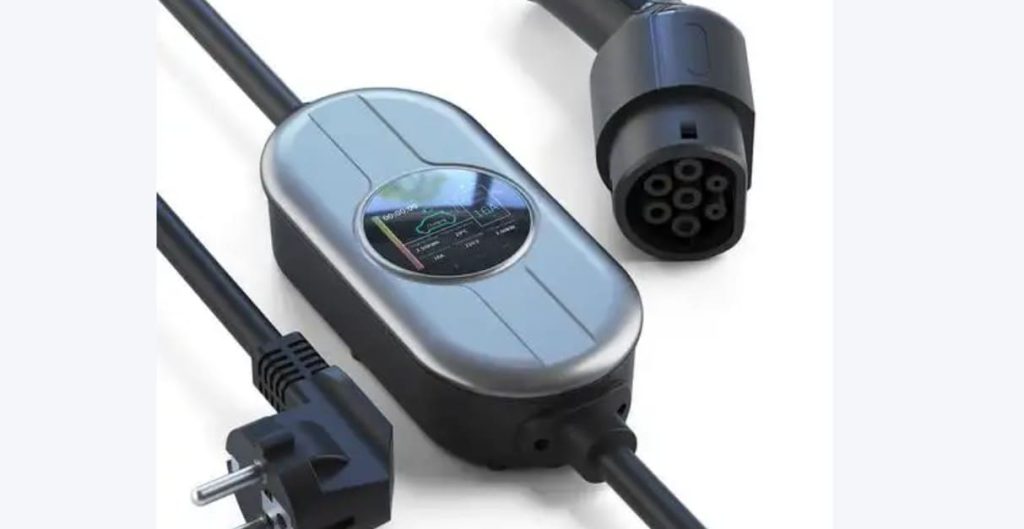
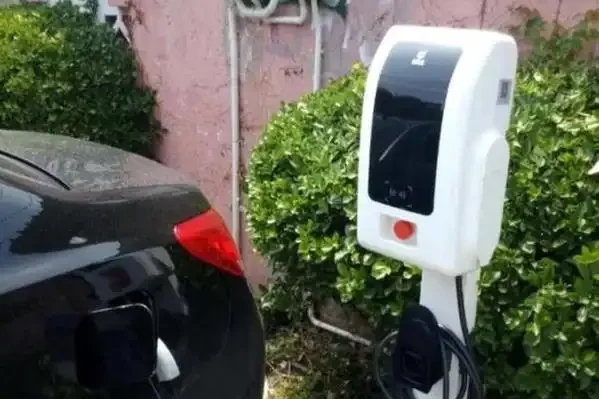
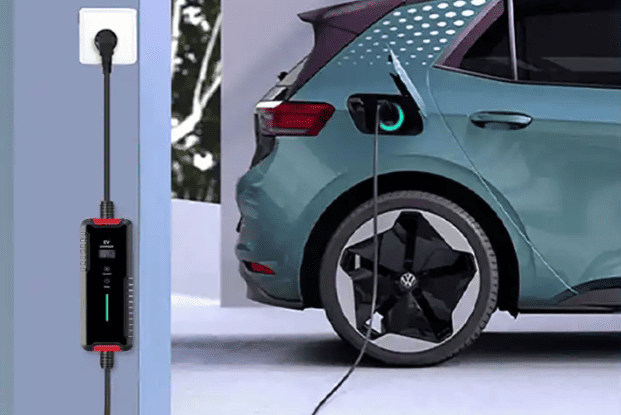
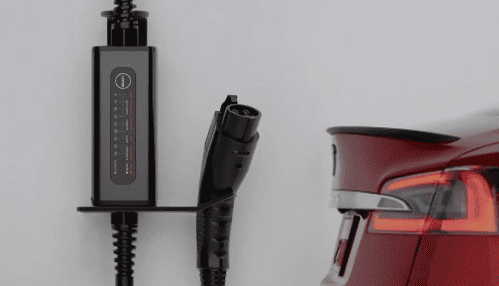
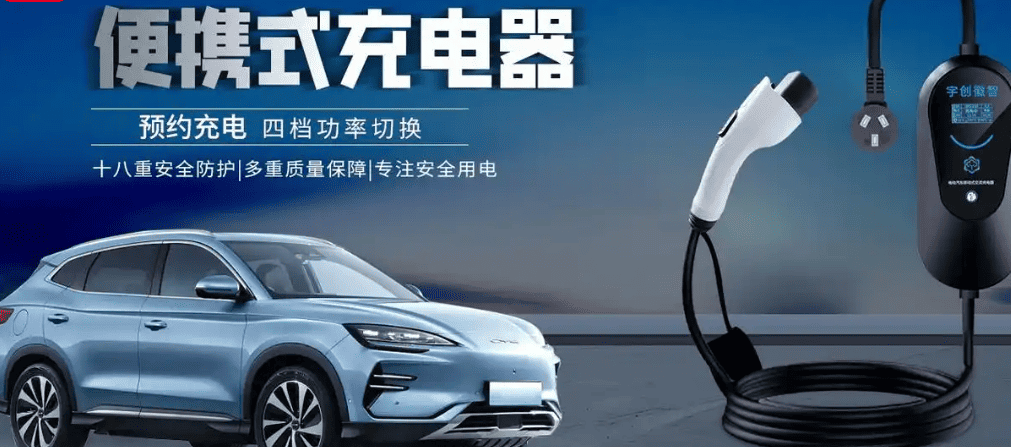
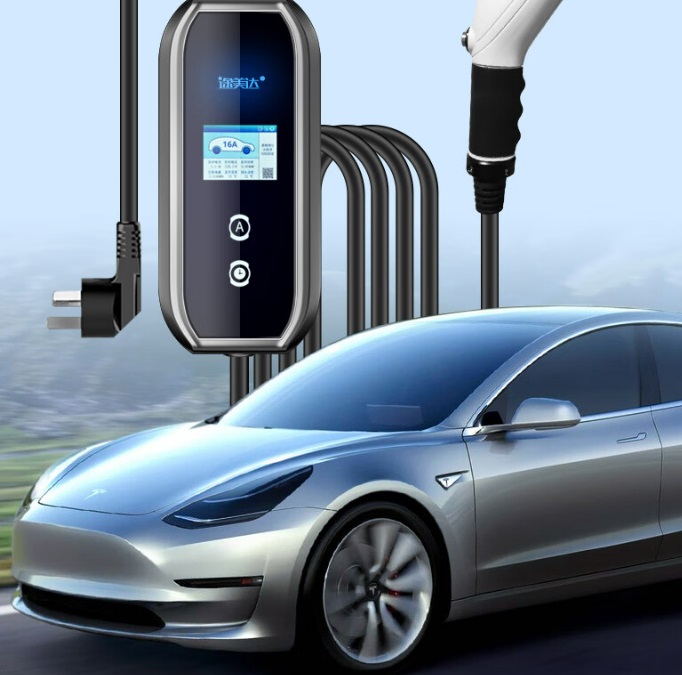
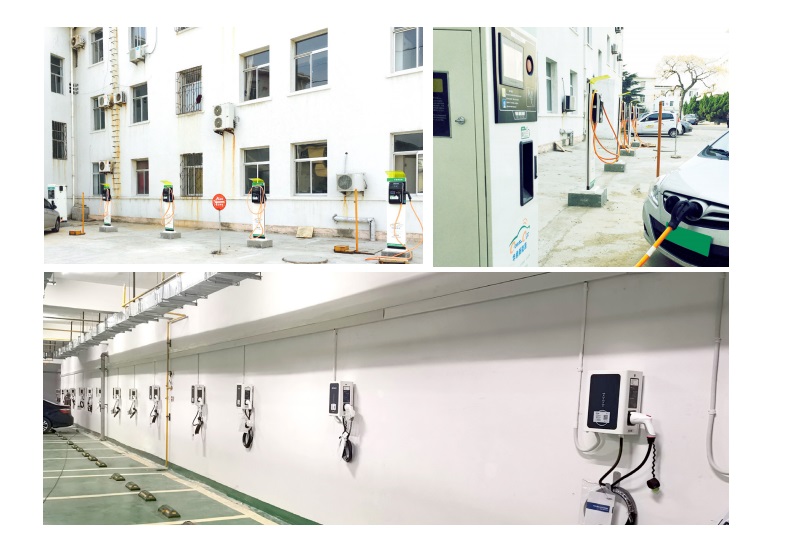
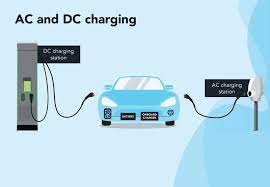
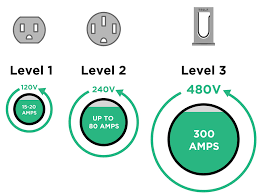
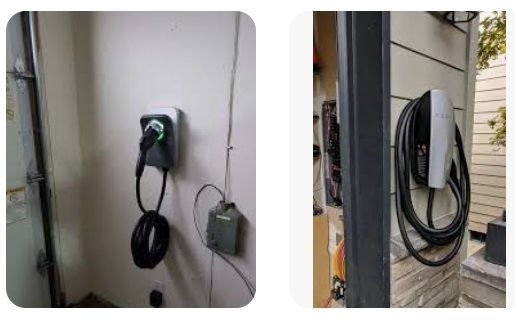
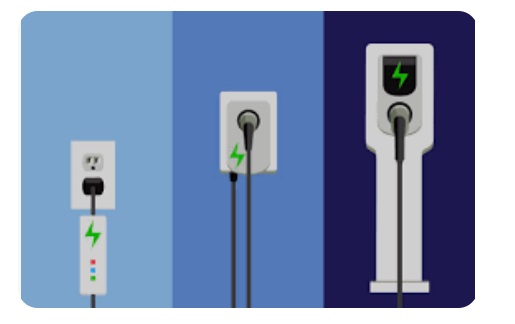
- AC Slow Charging: In this mode, the charging station supplies AC power (e.g., 240V in U.S. Level 2 stations) to the vehicle. The vehicle’s onboard charger (OBC) then converts AC to DC for battery storage. AC charging usually delivers 3–19 kW of power and takes 4–10 hours for a full charge, making it common for home chargers or public slow-charging spots.
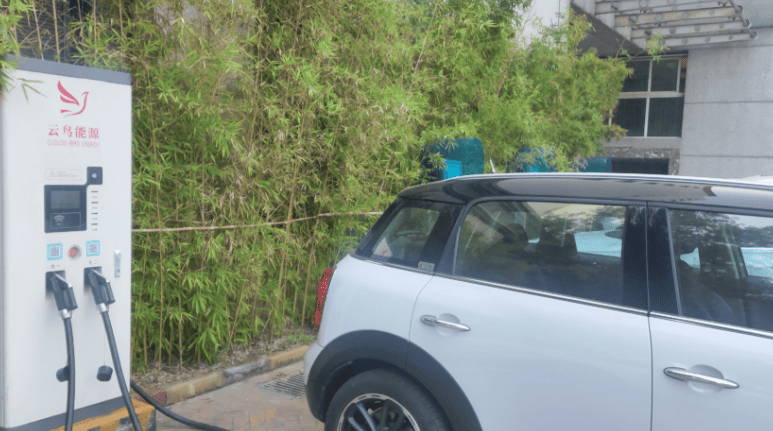
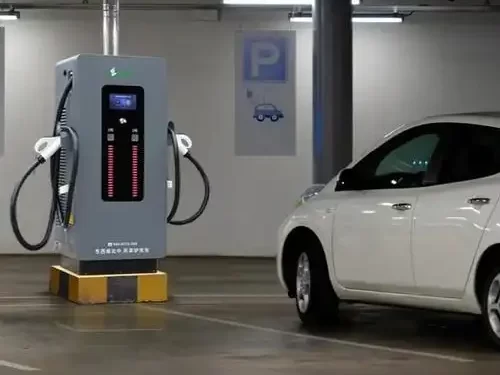
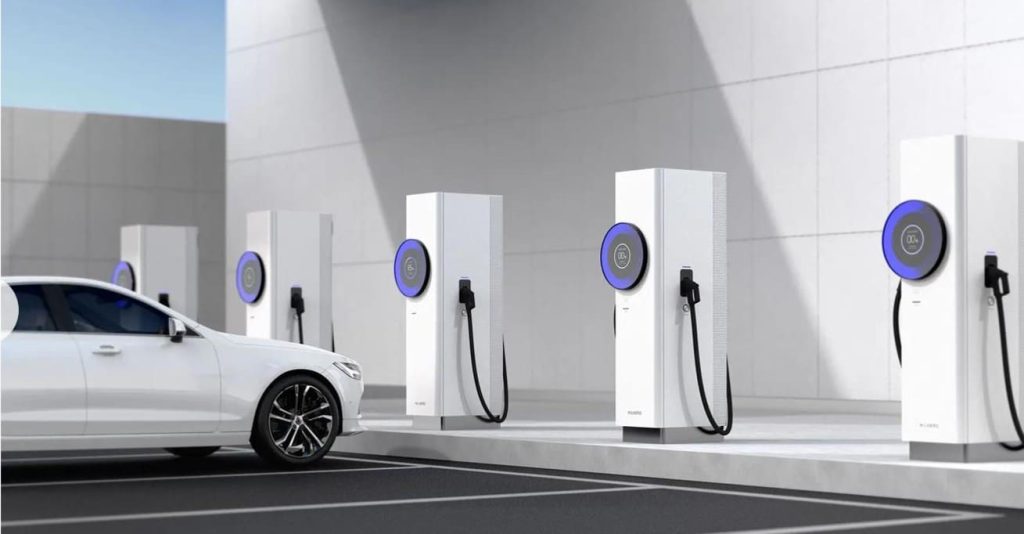
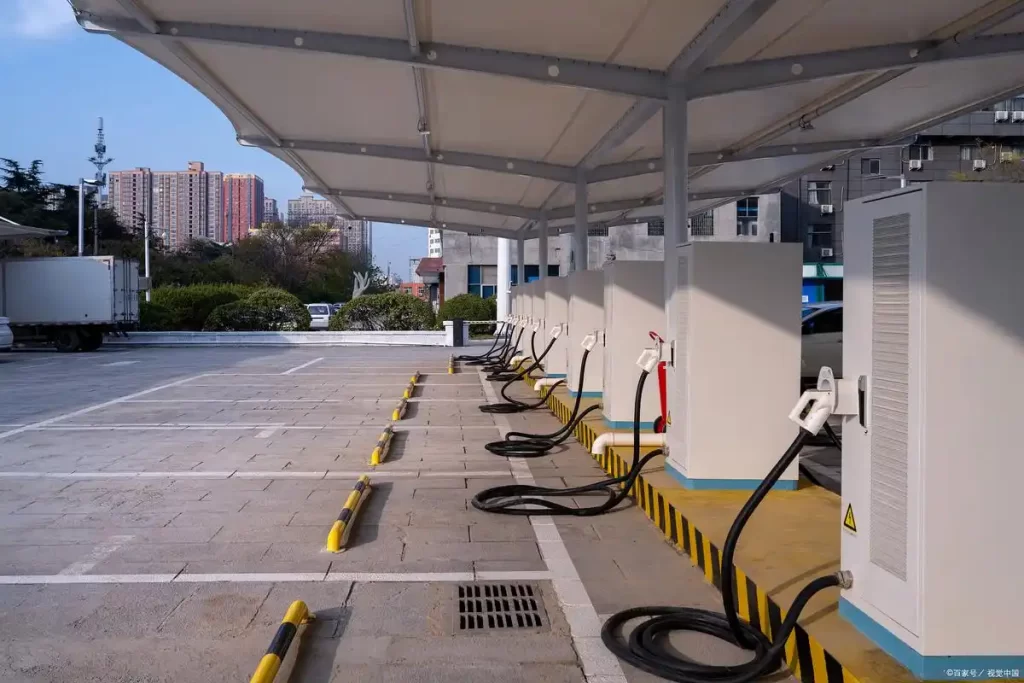
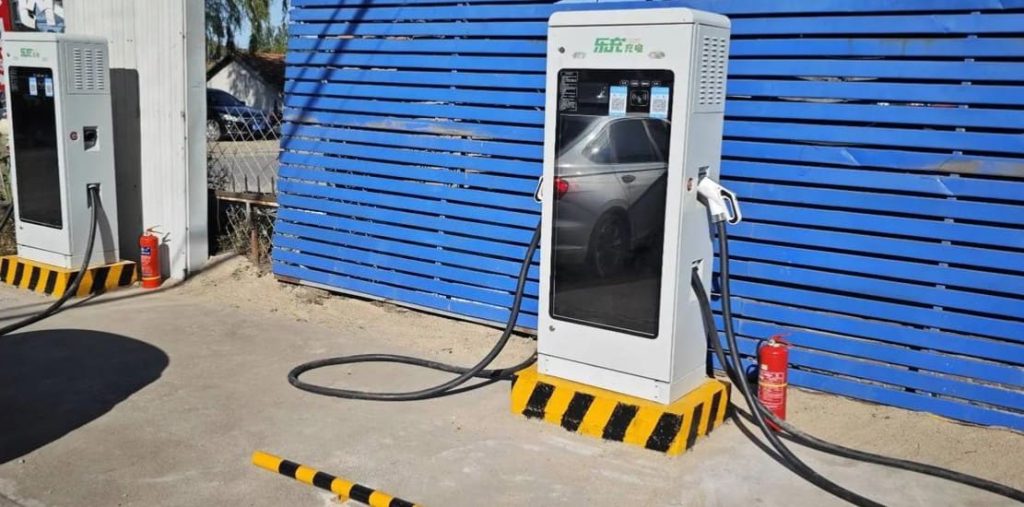
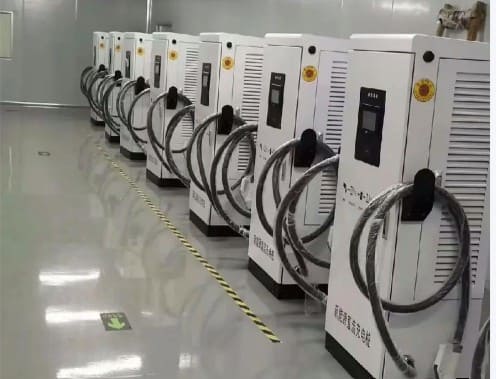
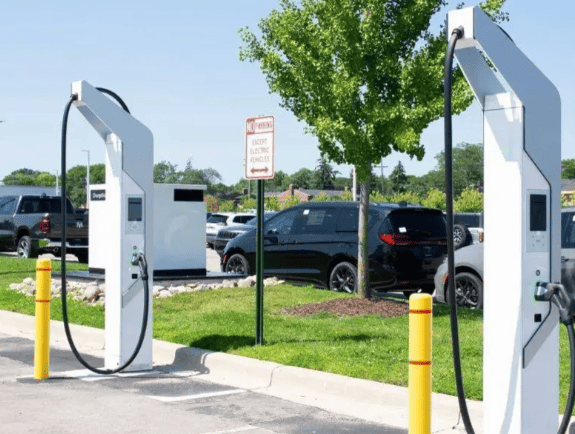
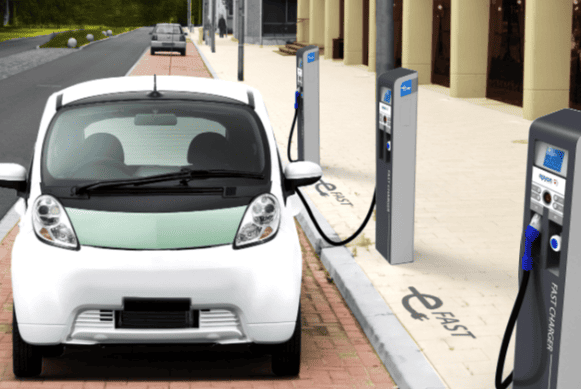
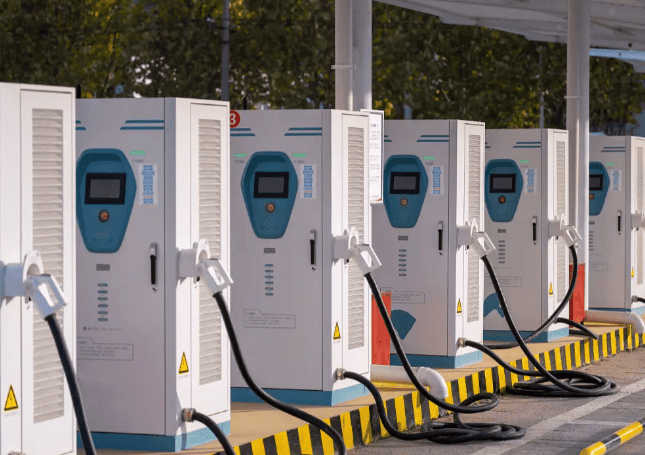
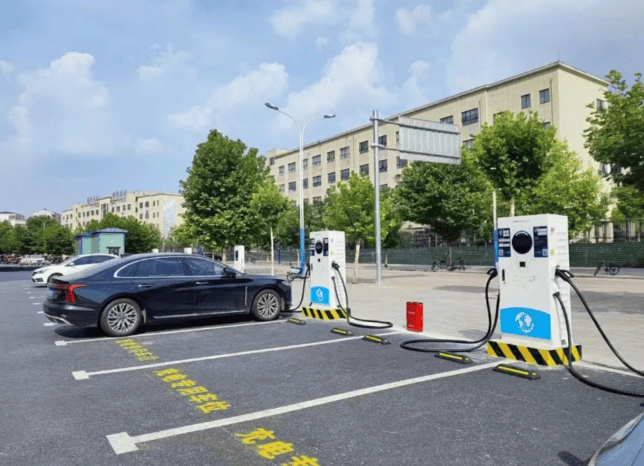
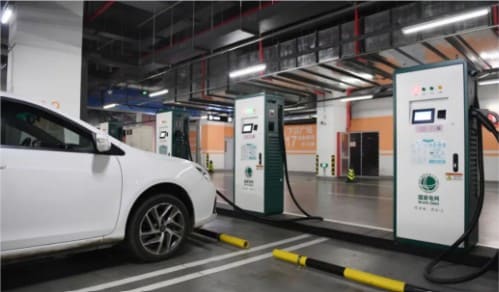
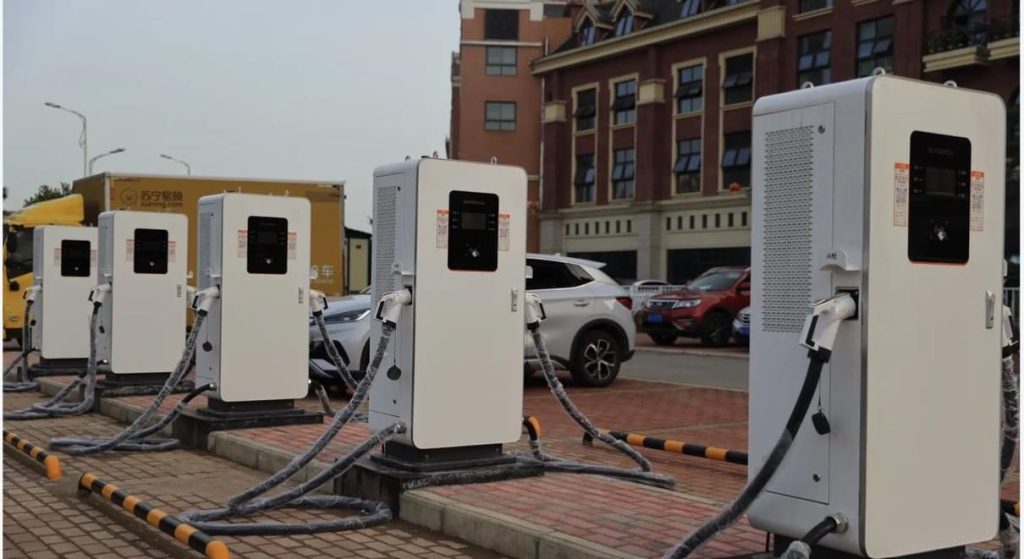
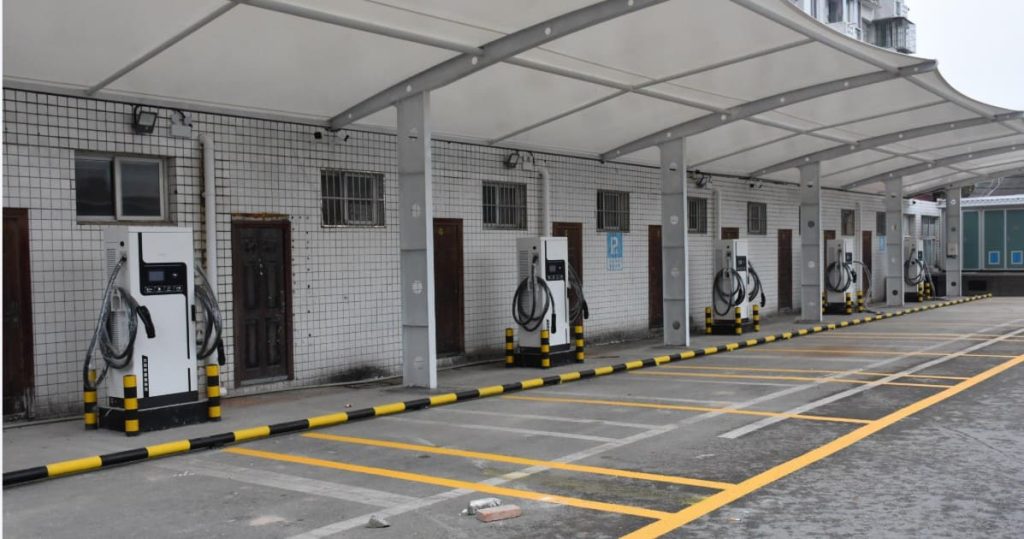
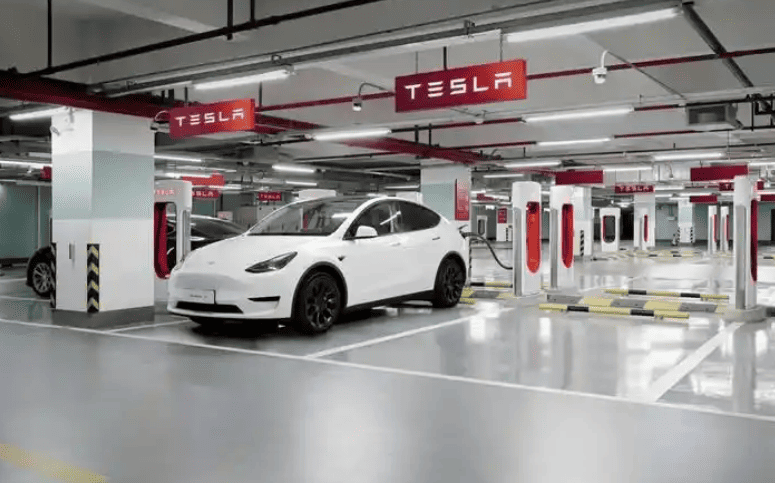
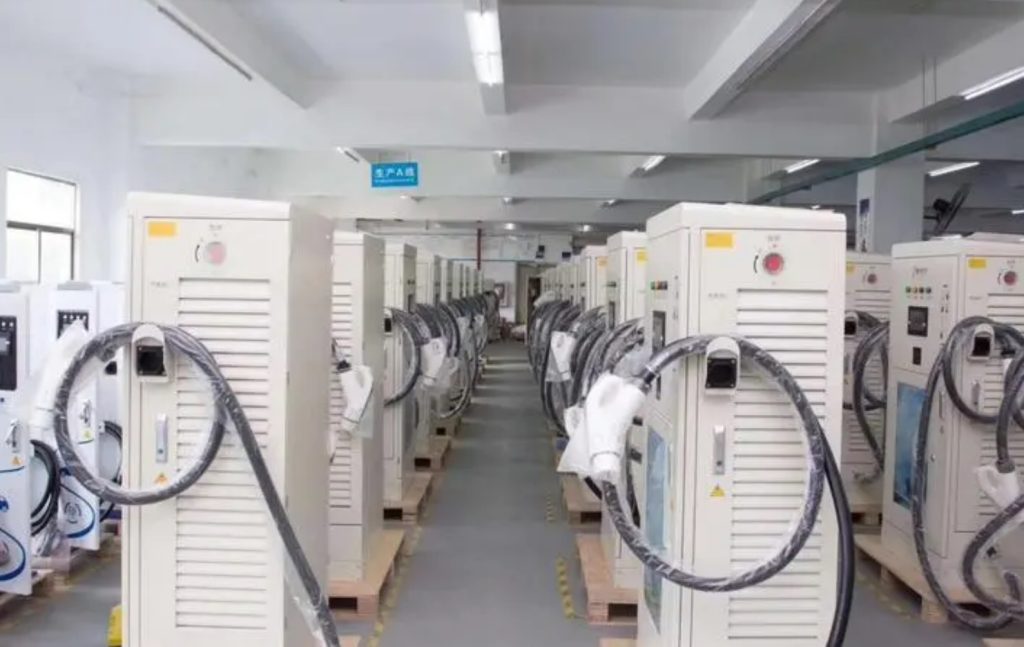
- DC Fast Charging: These stations have built-in high-power rectifiers that convert AC to DC externally, bypassing the vehicle’s OBC limitations. DC chargers can deliver 50–350 kW (e.g., Tesla V4 Supercharger), enabling a 10–30 minute charge for 80% battery capacity. During fast charging, the station and vehicle communicate via protocols like ISO 15118 to negotiate voltage (200–1000V) and current (50–500A), ensuring safe and efficient energy transfer.
Charging Management and Safety Monitoring
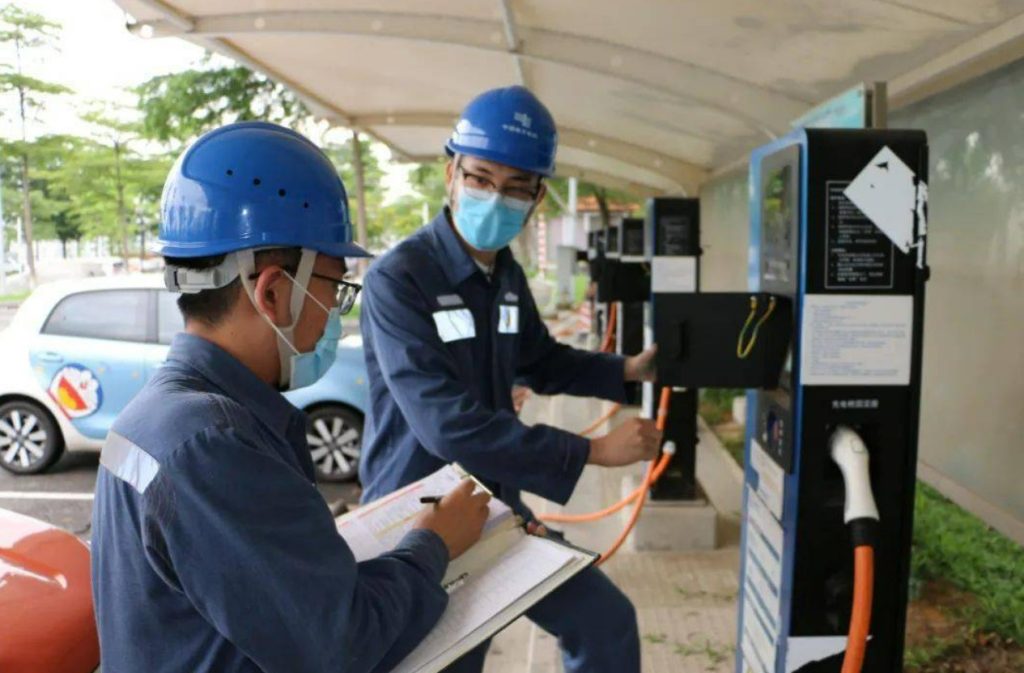
Throughout the charging process, the station dynamically adjusts power output based on the battery’s state of charge (SOC) and temperature. For example, when the battery is below 50% capacity, the station delivers maximum power, but it reduces output as the battery approaches full charge (e.g., 80% SOC) to prolong battery life. Safety mechanisms include temperature sensors in the connector, real-time current stability checks, and leakage current detection. If anomalies such as overheating (>60°C) are detected, the station immediately cuts off power. These safety features comply with regional standards like UL 943 in the U.S. and EN 61851 in Europe.
Charging Completion and Settlement
Charging stops automatically when the battery is nearly full (≥95% SOC), when a timeout occurs, or when the user manually terminates the session. In some cases, the connector may require manual unlocking (common in European models). Payment is calculated based on energy consumed (kWh), time spent (e.g., idle fees in Europe), or a flat rate. The system automatically processes payment through linked methods (e.g., credit cards or dedicated apps), supporting regional systems like SEPA in the EU and ACH in the U.S.
Technical Standards and Operational Characteristics by Country
The functionality of charging stations is heavily influenced by regional technical standards, grid capabilities, and policies. Key regional variations include:
Europe
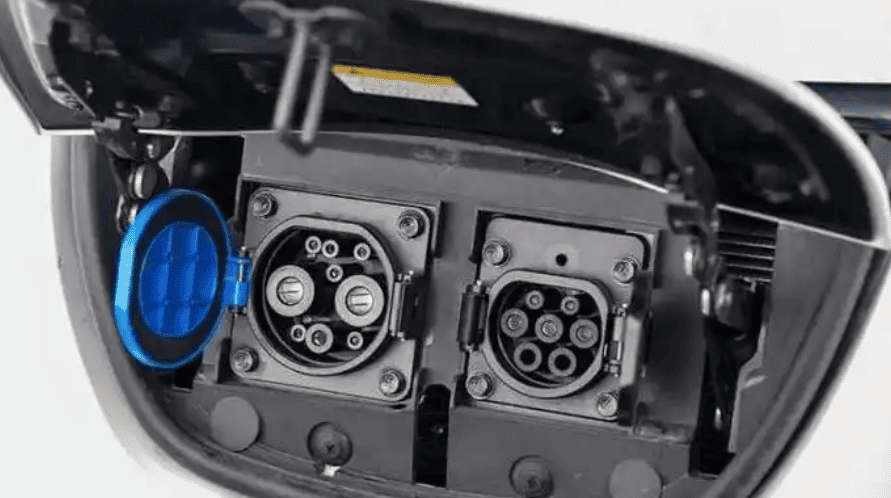
- Charging Standards: The CCS 2 (Combo 2) connector is dominant, with most brands including Tesla adopting it. Some older models still use CHAdeMO (e.g., Nissan Leaf).
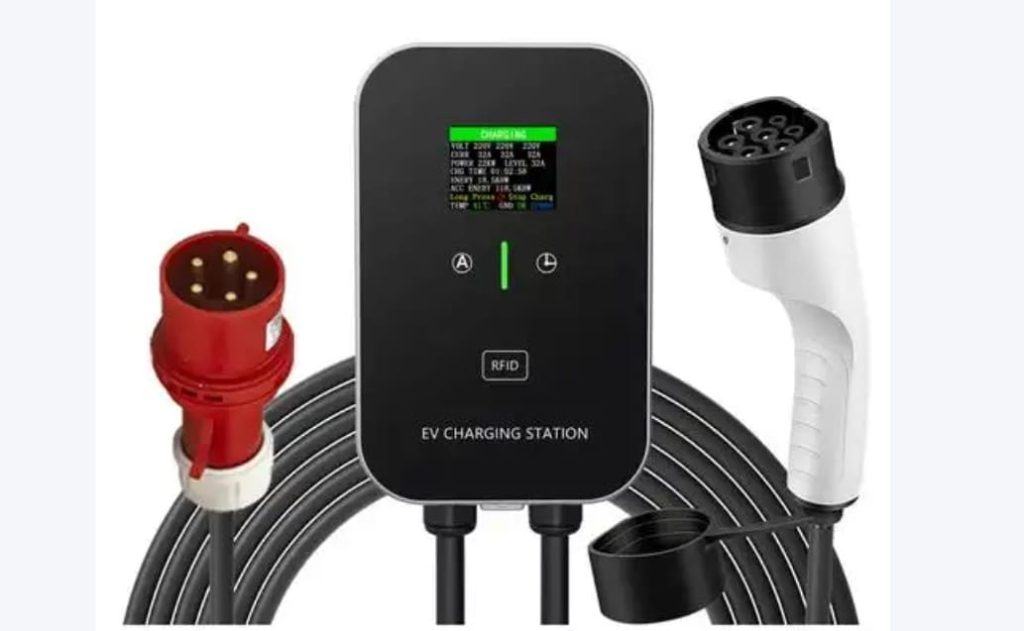
- Grid Compatibility: Standard grid voltages are 230V (single-phase) and 400V (three-phase). Fast-charging stations often use three-phase connections to achieve higher power levels (e.g., 350 kW at IONITY stations).
- Operational Model: Open networks are common, with operators like IONITY (automaker-backed) and FastNed enabling cross-brand charging. Payment is integrated into apps such as Plugsurfing.
United States
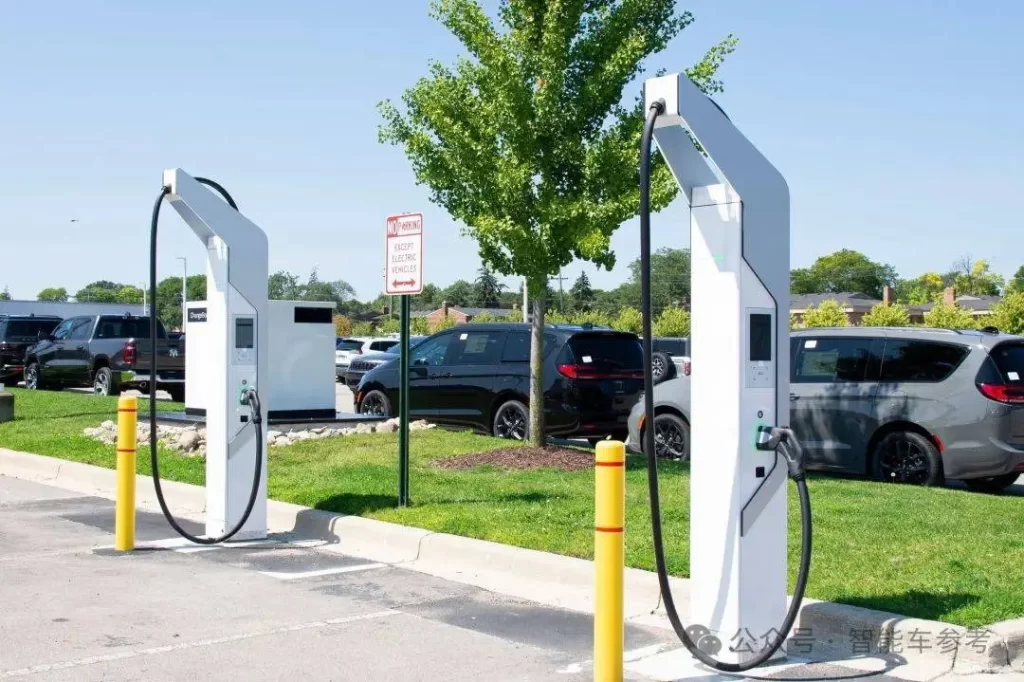
- Charging Standards: The industry is shifting to the NACS (Tesla-developed) standard, replacing CCS 1. Level 2 chargers typically use the J1772 connector.
- Grid Challenges: Aging grid infrastructure in areas like California often necessitates complementary battery storage (e.g., Tesla Megapack) to prevent overloads during high-demand charging.
- Business Model: Privately operated networks like Tesla Supercharger and Electrify America emphasize “Plug & Charge” functionality, which uses digital certificates (ISO 15118) for automatic authentication and payment without app intervention.
Japan
- Charging Standards: CHAdeMO remains prevalent (~60% market share), though newer models (e.g., Toyota bZ4X) support CCS 2.
- Grid Limitations: Standard voltages are 100V/200V single-phase, requiring transformers at fast-charging stations to boost voltage. This limits the proliferation of ultra-fast chargers (>150 kW).
- Operational Approach: Automakers like Toyota and Nissan lead charging networks through the CHAdeMO Association. Emphasis is placed on regional coverage (including rural areas), and payments are often processed via convenience store partnerships (e.g., 7-Eleven).
Supporting Technologies and Infrastructure
EV charging stations rely on advanced technologies to ensure efficiency, safety, and user convenience:
Communication Protocols
Charging stations use protocols like ISO 15118 and DIN SPEC 70121 to enable secure data exchange between the vehicle and the charger. This allows for automatic authentication, dynamic power adjustment, and bidirectional communication (e.g., for vehicle-to-grid applications).
Grid Integration and Energy Management
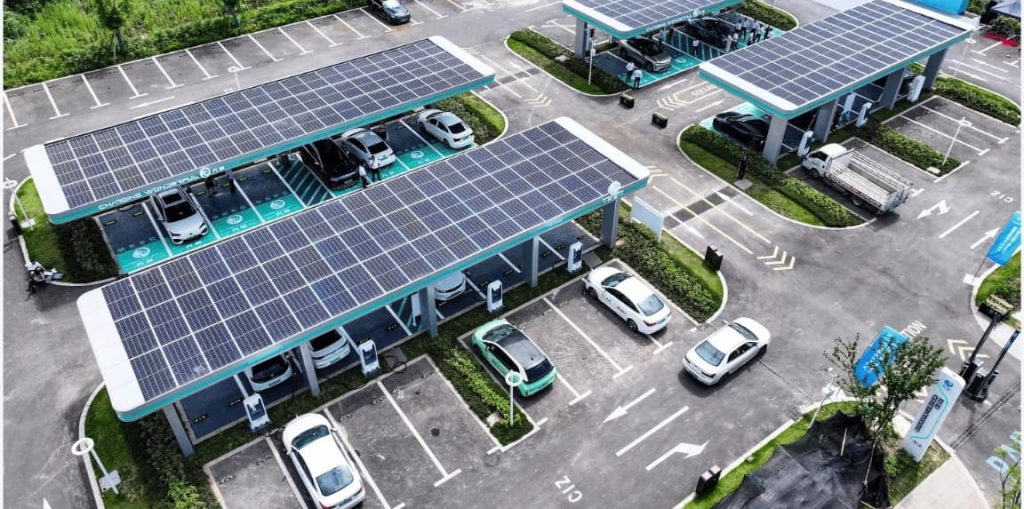
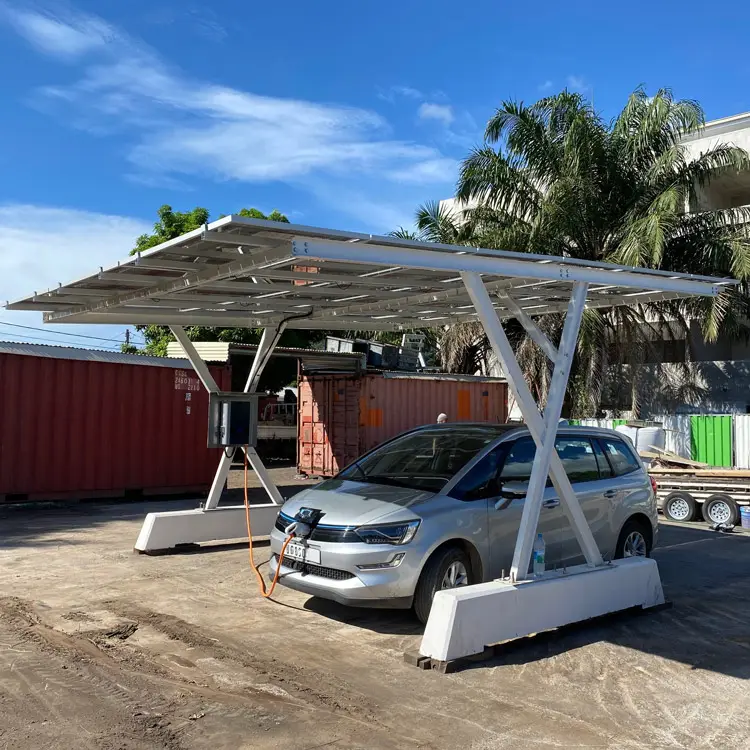
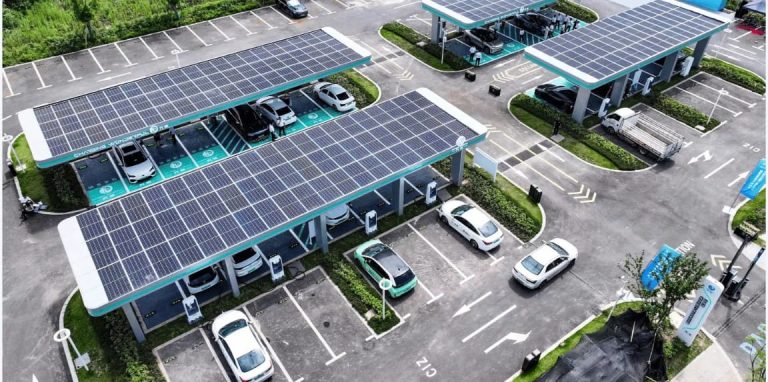
To avoid overloading the grid, many stations are equipped with energy management systems that optimize charging schedules based on grid demand. Some stations integrate solar panels and battery storage to reduce dependence on the grid and lower operating costs.
User Interface and Experience
Modern charging stations feature user-friendly interfaces such as touchscreens, mobile apps, and voice guidance. These systems provide real-time information on charging status, costs, and nearby station availability.
Future Trends and Innovations
The EV charging industry is rapidly evolving, with several trends shaping its future:
Ultra-Fast Charging
Advances in cooling technology and power electronics are enabling ultra-fast chargers that deliver up to 350 kW, reducing charging times to under 15 minutes for most vehicles.
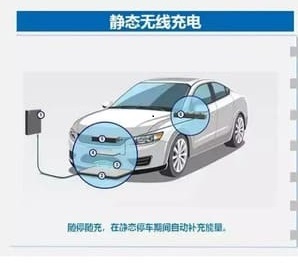
Wireless Charging
Inductive charging technology is being developed to allow EVs to charge without physical connectors, using electromagnetic fields to transfer energy between a ground pad and the vehicle.
Vehicle-to-Grid (V2G) Technology
V2G-enabled chargers allow EVs to discharge electricity back to the grid during peak demand, turning EVs into mobile energy storage units and providing revenue opportunities for owners.
Smart Charging Networks
AI-powered charging networks can optimize energy distribution based on real-time data, predicting demand and allocating resources efficiently to minimize costs and grid stress.
Conclusion
A complex interaction between power conversion, user authentication, and safety management powers EV charging stations. Although the fundamental ideas are universal, their application is influenced by regional variations in grid infrastructure, standards, and regulations. To create compatible and effective charging solutions, manufacturers and operators must have a thorough understanding of these subtleties. A smooth EV ownership experience will be made possible by charging stations that are faster, smarter, and more integrated with renewable energy systems as technology develops.
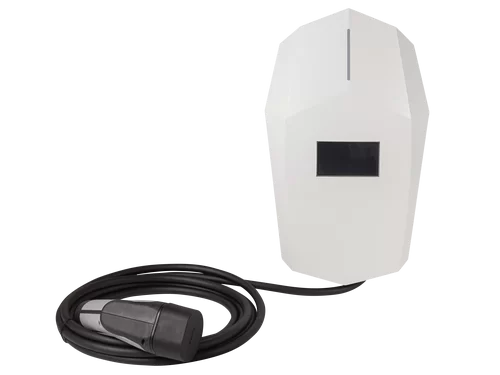
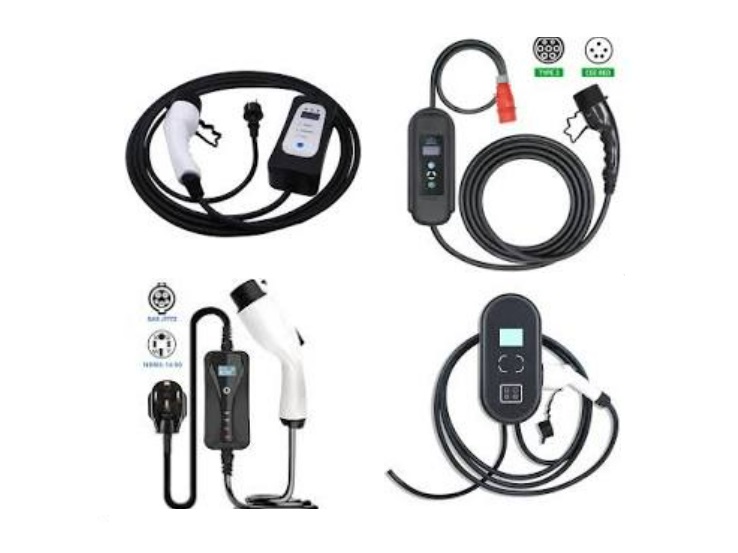
Recommend Slow Charger Products:
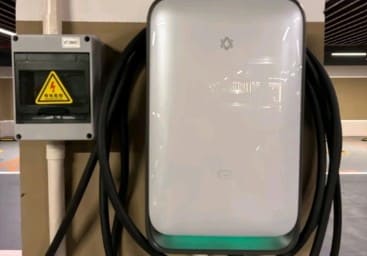
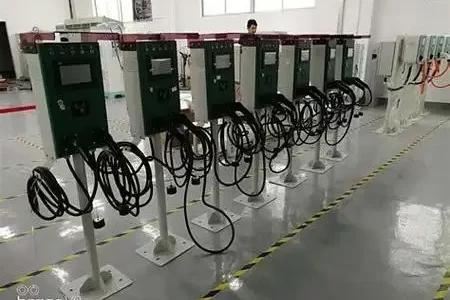
Charging pile:
Contact Us
Whatsapp/Mobile: +86 18019762979
Email: sales@lkmixer.com