Are public ev charging stations free?
Are Public EV Charging Stations Free?
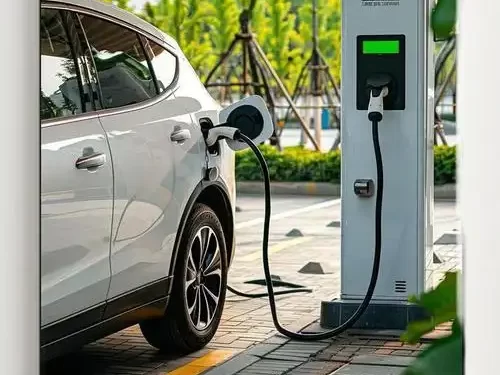
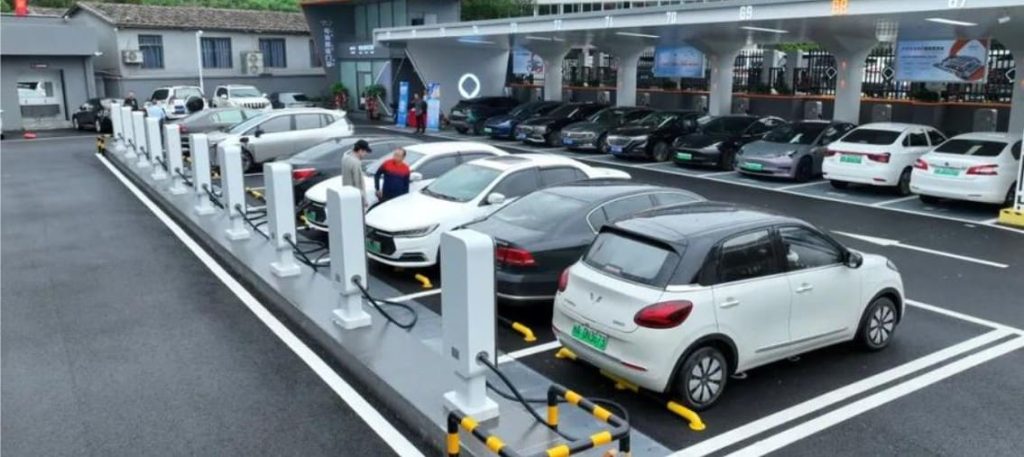
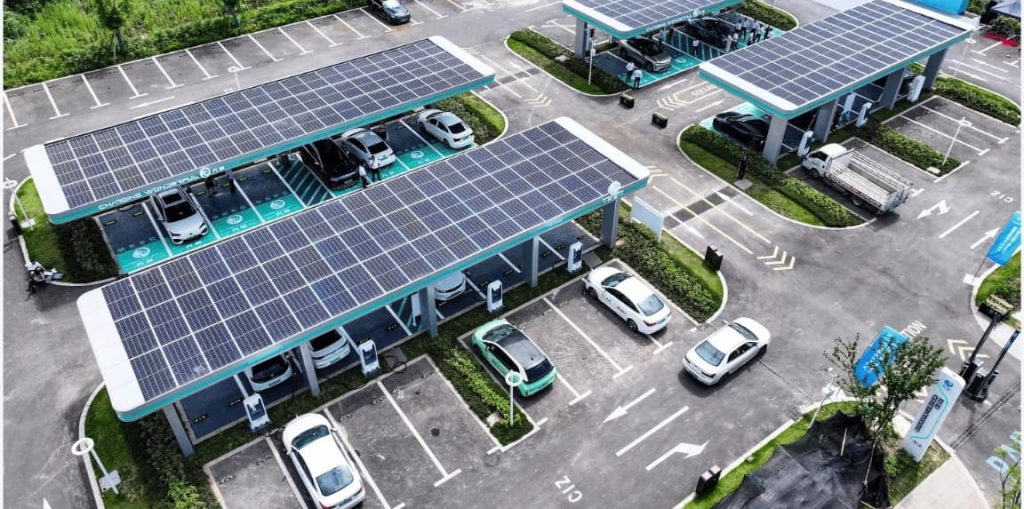
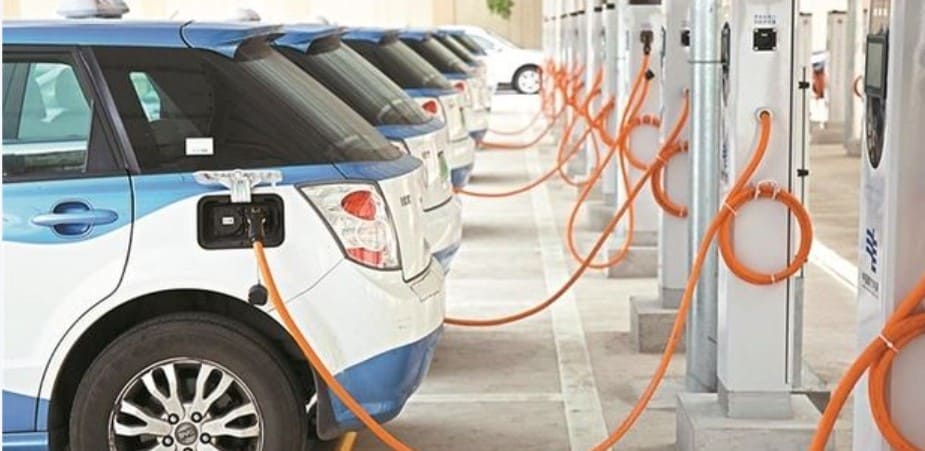
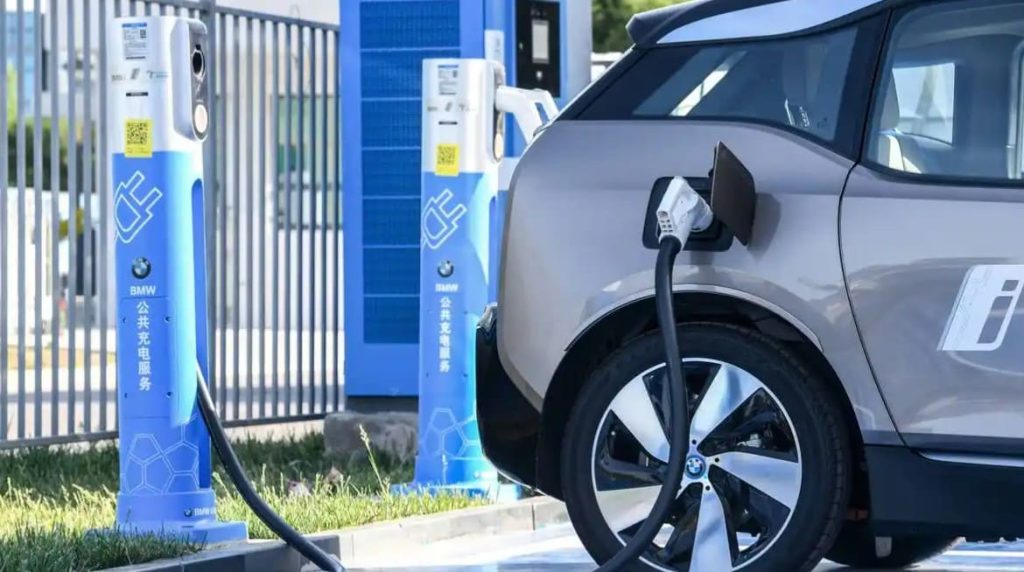
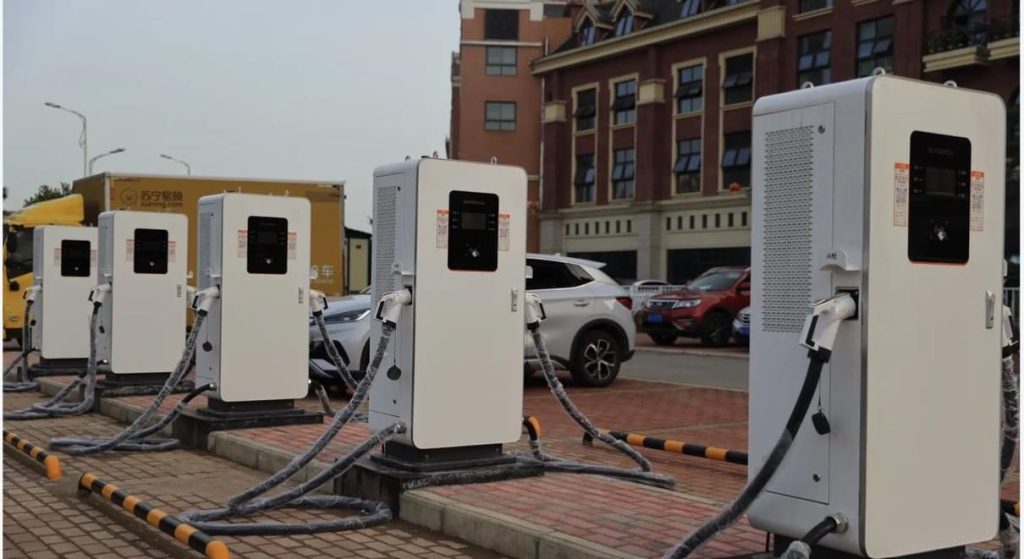
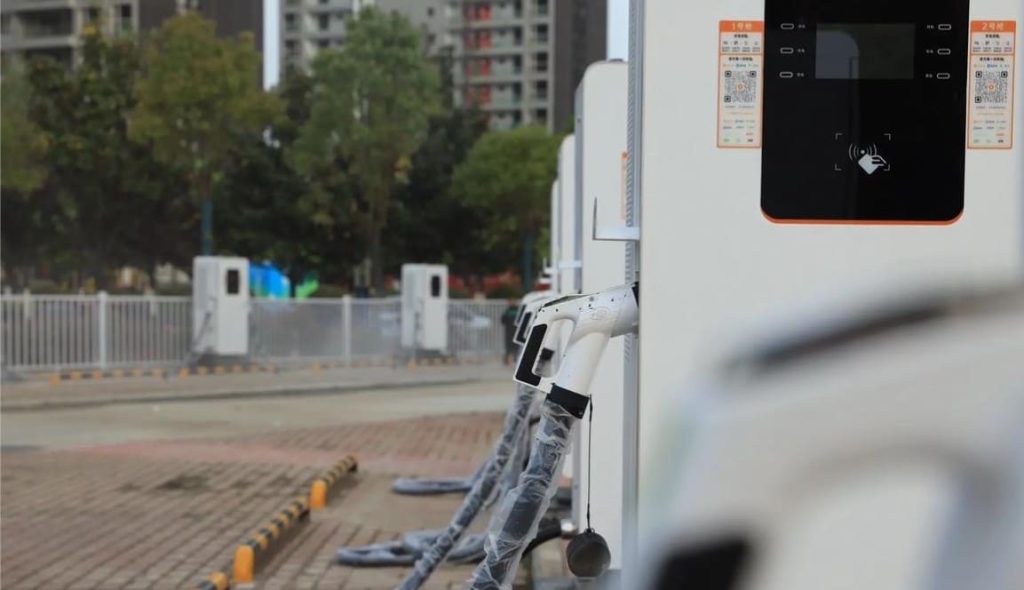
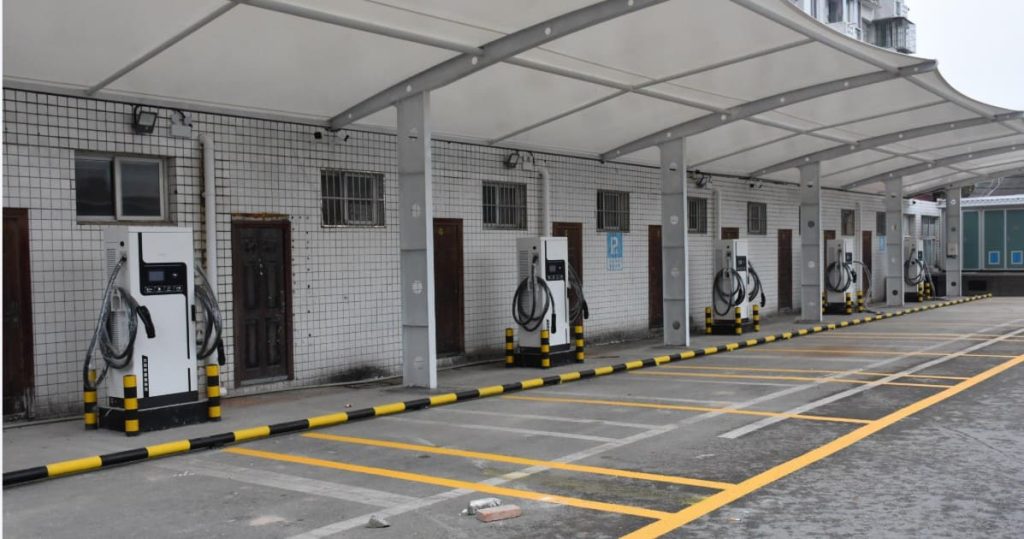
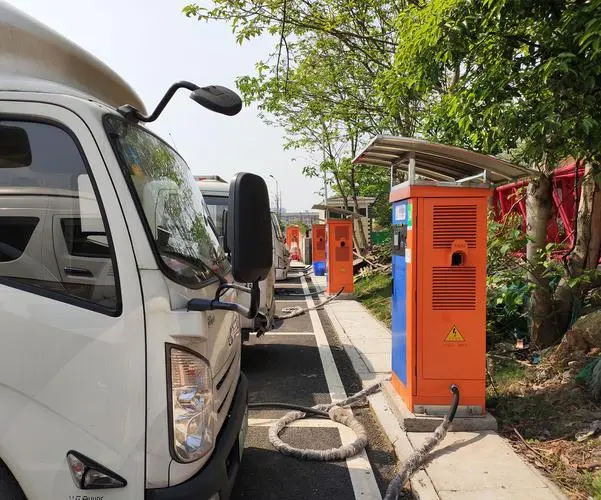
Public electric vehicle (EV) charging stations are not universally free. Whether a charging station is free depends on its ownership, operational strategy, and partnerships. The landscape of public EV charging is a mix of free and paid options, shaped by various business models and policy incentives.
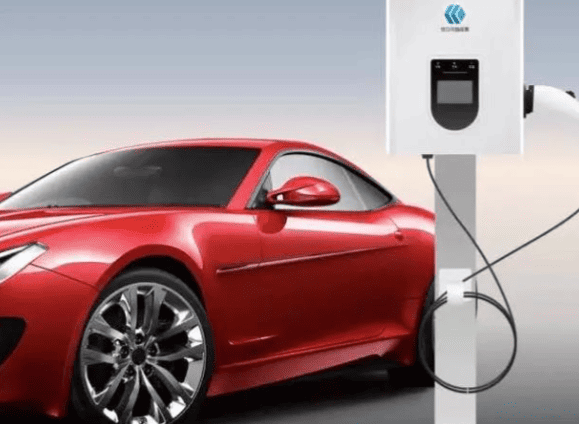
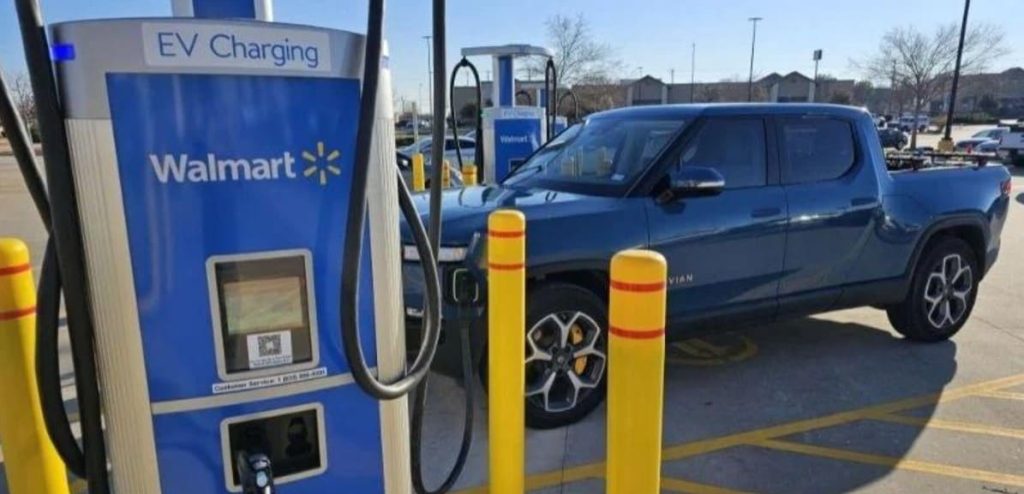
It’s true that some public charging stations are free to use. Businesses frequently use this tactic to draw in clients. For example, supermarkets like Whole Foods in the US and some IKEA stores in different regions provide free charging in the hopes that drivers will shop while their cars charge. In a similar vein, a lot of hotels—including well-known brands like Marriott and Hilton—offer free charging to their patrons as a benefit, increasing the value of their stay. As a benefit to employees and a way to support corporate sustainability objectives, businesses usually install chargers for their staff members, and use is usually free. In order to promote the use of electric vehicles, some local governments also provide free charging.Examples include Aberdeen in the UK, where charging is free until 2025, and certain public stations in Austin, Texas. Additionally, car dealerships, especially those selling EVs, sometimes allow any EV driver to charge for free at their facilities, using it as a tool to attract potential customers and showcase their commitment to electric mobility.
Most public EV charging stations, however, require payment to use. The electricity cost and a service fee are typically the two primary components of the cost to charge. Depending on regional energy policies and local utility rates, the cost of electricity itself can vary significantly. Many operators use time-of-use (TOU) pricing, which separates the day into peak, standard, and off-peak hours, to control grid demand. The cost of electricity can range from about 1.2 to 1.5 yuan per kWh in China (or equivalent in other currencies elsewhere) during peak hours when demand is high, such as between 8:00–10:00 and 19:00–21:00. On the other hand, rates can decrease to about 0.7 yuan per kWh during off-peak hours, such as from midnight to 8:00 AM, when it is least expensive. On top of the energy cost, operators charge a service fee. This fee covers the costs of installing, maintaining, and operating the charging equipment, as well as providing customer support and a network platform. This service fee commonly ranges from 0.14 to 0.31 yuan per kWh, though the exact amount is determined by local regulations and the operator’s own pricing strategy. It is also important to note that some charging locations, particularly those in paid parking garages or lots, may charge an additional parking fee on top of the charging costs, which can significantly increase the total expense of refueling.
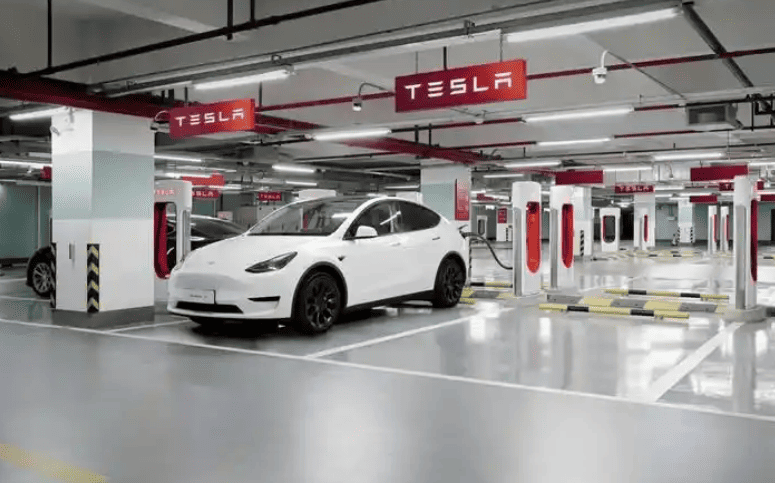
This mixed model is further demonstrated by specific instances from automakers. In eight provinces in northern China, Nio provides its owners with a generous free charging program. Eligible owners are entitled to 1000 kWh of free charging per year from July 1, 2021, to December 31, 2024. Owners can continue to use the Nio power network after this quota is reached, but they will have to pay the relevant service charge. On the other hand, Tesla, which is well-known for its vast network of Superchargers, has abandoned its initial offer of free unlimited supercharging to early purchasers. Although policies have changed, paid charging is still the main model, though credits may occasionally be included in special vehicle packages or promotions.Specific examples from automakers further illustrate this mixed model. Nio offers a generous free charging program for its owners in eight northern Chinese provinces. Between July 1, 2021, and December 31, 2024, eligible owners receive an annual allowance of 1000 kWh of free charging. Once this quota is exceeded, owners can still use the Nio power network but must pay the applicable service fee. In contrast, Tesla, known for its extensive Supercharger network, has moved away from its original free unlimited supercharging promotion for early buyers. While policies have evolved, the core model is now paid charging, though occasional promotions or specific vehicle packages may include credits.
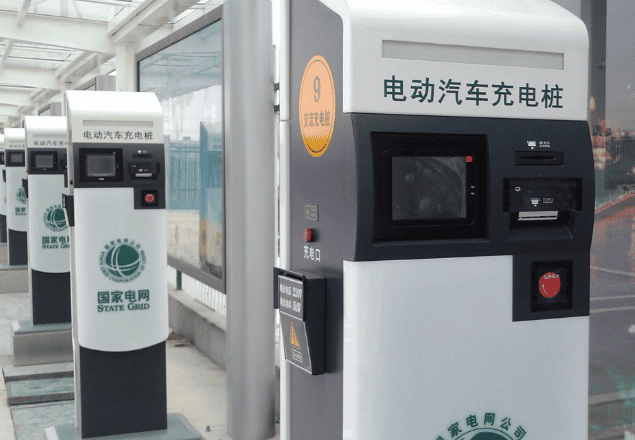
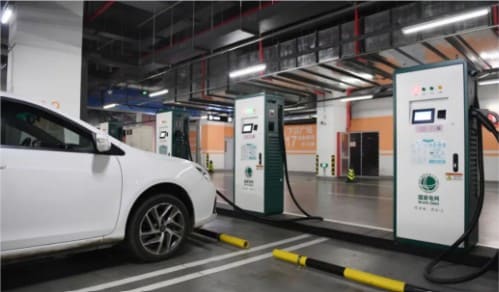
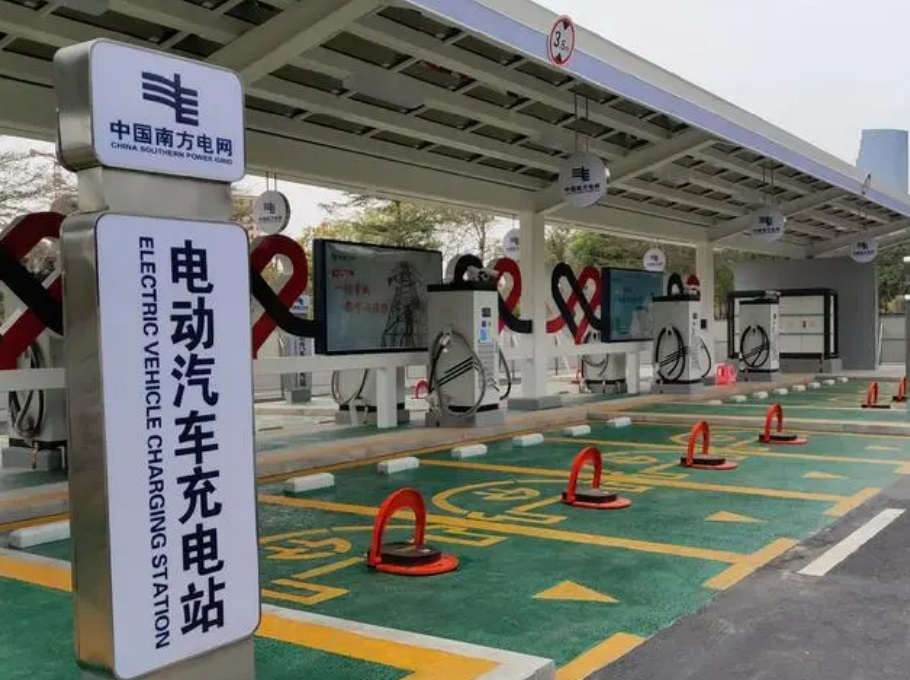
Major charging network operators like State Grid in China typically charge for their services. The total cost, combining the electricity and service fees, usually falls between 1.6 and 1.8 yuan per kWh. To put this into perspective, fully charging a standard EV with a 200-kilometer range would cost roughly 49.6 to 55.8 yuan. Most other public charging points, regardless of brand, operate on a similar fee structure.
For EV drivers, it is crucial to remember that free charging promotions are often subject to change. They can be altered or terminated based on the company’s strategy or policy updates. Therefore, it is always advisable to check the latest information directly through the brand’s official website or customer service hotline before planning a charging session. As a general rule, chargers that are privately or commercially operated, especially those from large networks, will most likely require payment. Being aware of the operator’s specific pricing rules, including time-of-use rates and any additional parking fees, is essential for managing charging costs effectively.
The question of whether car charging piles can be free is becoming increasingly relevant as global environmental awareness rises and new energy vehicle technology matures, making EVs a mainstream choice for consumers. The cost of charging remains a significant factor for owners. So, is there a possibility of free charging, and what factors influence this?
There are specific models that enable free charging. Government or corporate subsidies are a primary driver. To promote the adoption of new energy vehicles, some local governments or businesses offer subsidies, allowing owners to enjoy free charging at designated public stations. Promotional or marketing activities are another common method. Commercial charging network operators might host events like “free charging days” or offer discounts to new users to attract customers and build brand loyalty. Furthermore, some residential communities or commercial districts provide free charging as an amenity to enhance the appeal of their property for residents or shoppers. Lastly, partner programs between automakers, charging companies, and establishments like malls or hotels can result in free charging offers for EV owners while they use the facilities.
However, these free services almost always come with limitations. Time restrictions are common; free charging might only be available during off-peak hours or on specific holidays. There can also be energy limits, where the free service only provides enough electricity to cover a certain number of kilometers, rather than a full charge. User eligibility is another frequent condition; access might be restricted to local residents, owners of a specific car brand, or customers who can provide a proof of purchase from the partnering business.
The availability of free charging has positive impacts for both individual owners and society as a whole. It significantly promotes the adoption of new energy vehicles by lowering the operational cost barrier, making EVs more attractive to potential buyers. It also increases the utilization rate of charging infrastructure, ensuring that the invested capital in public chargers is used efficiently. On a broader scale, by facilitating the shift from traditional internal combustion engine vehicles to electric ones, free charging initiatives help drive the transformation of the energy consumption structure towards a more sustainable model.
As the market and technology develop further, we should anticipate seeing more creative free charging models in the future. These might include free charging included with other services like membership subscriptions or chargers that allow users to watch advertisements in exchange for free power. In conclusion, even though charging at public charging piles is not always free, there are opportunities thanks to corporate marketing, government promotion, and certain partnership programs. In addition to reducing the financial burden on EV owners, these programs are essential for promoting the growth of the new energy vehicle sector and aiding in environmental preservation.
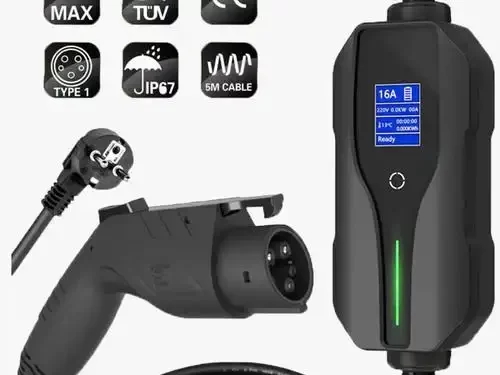
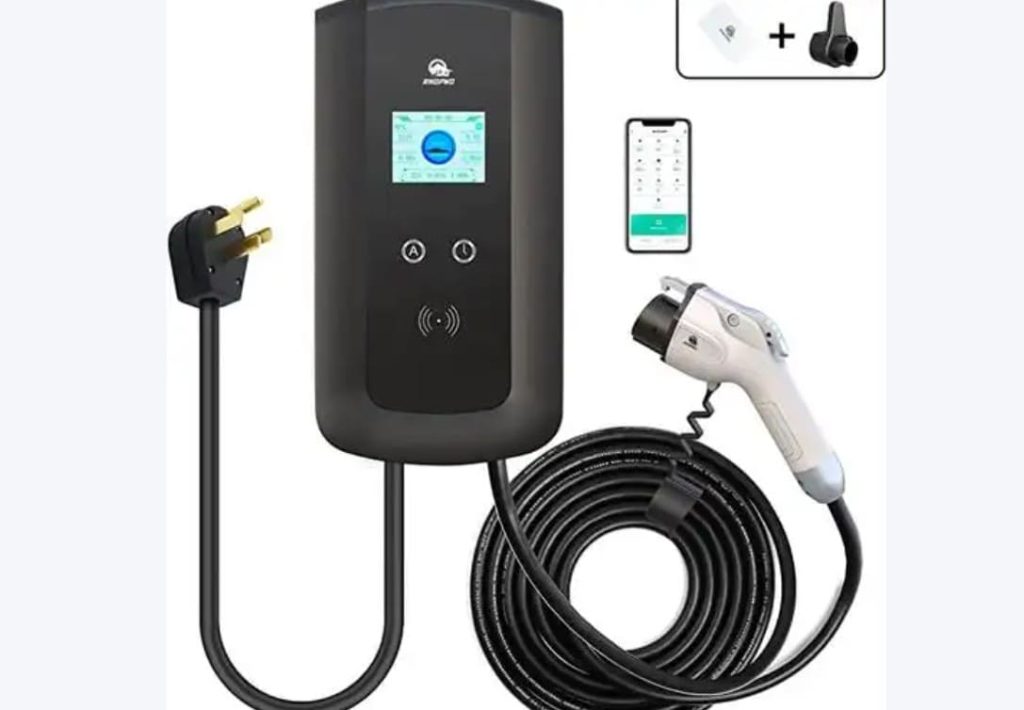
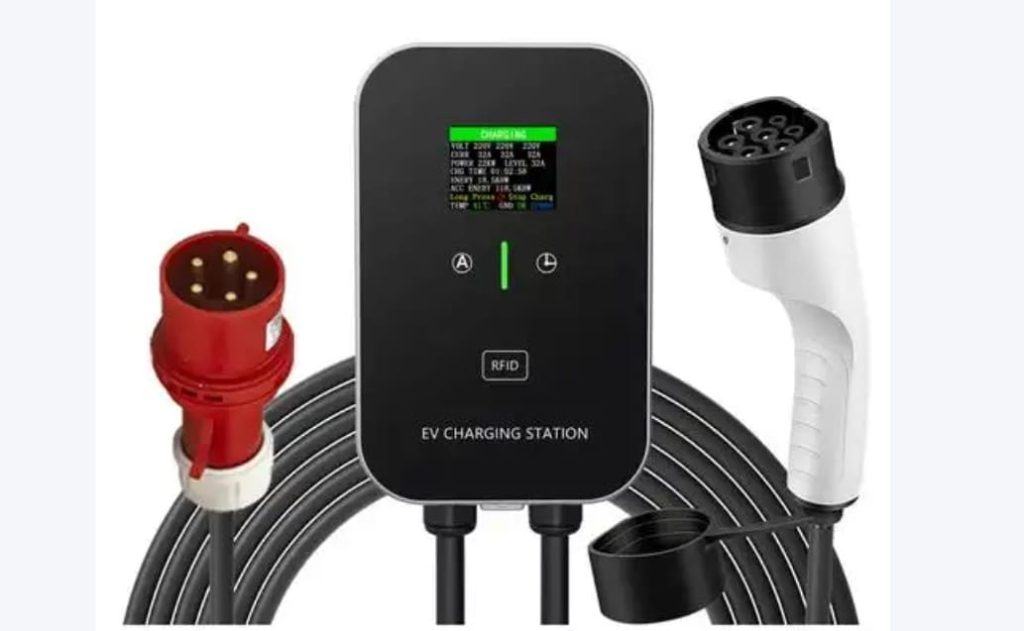
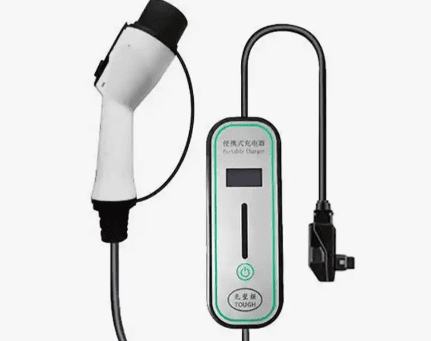
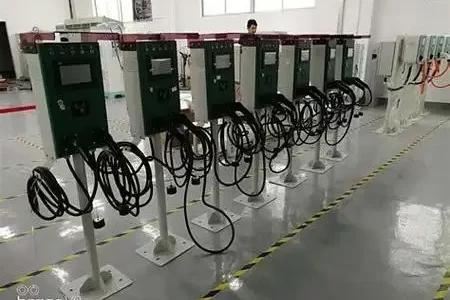
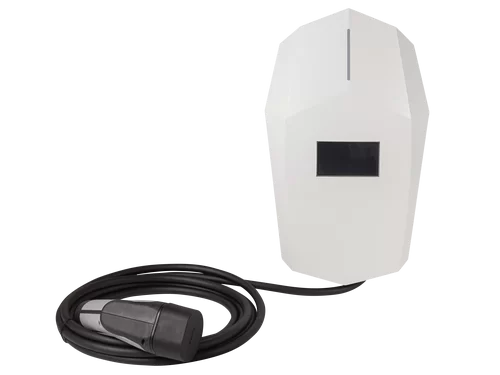
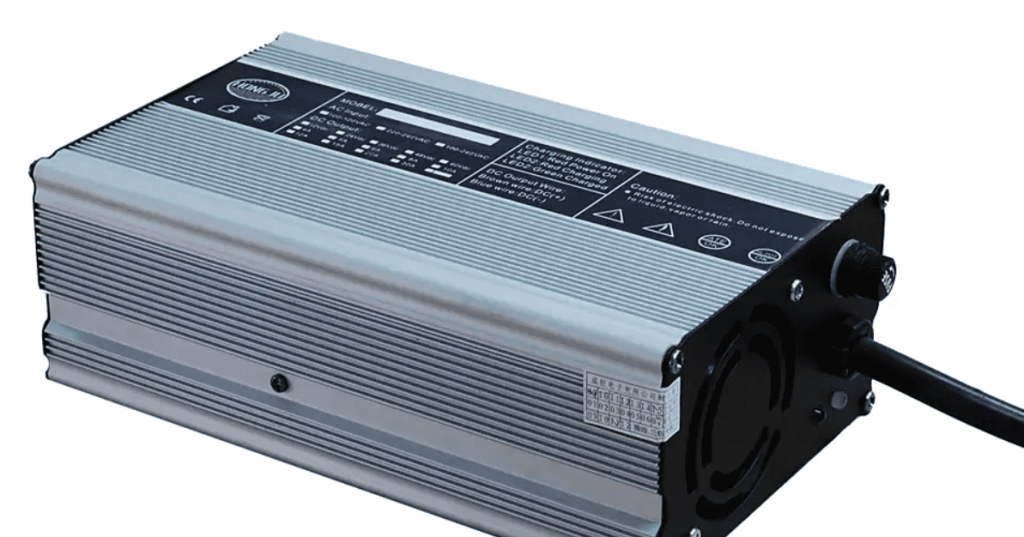
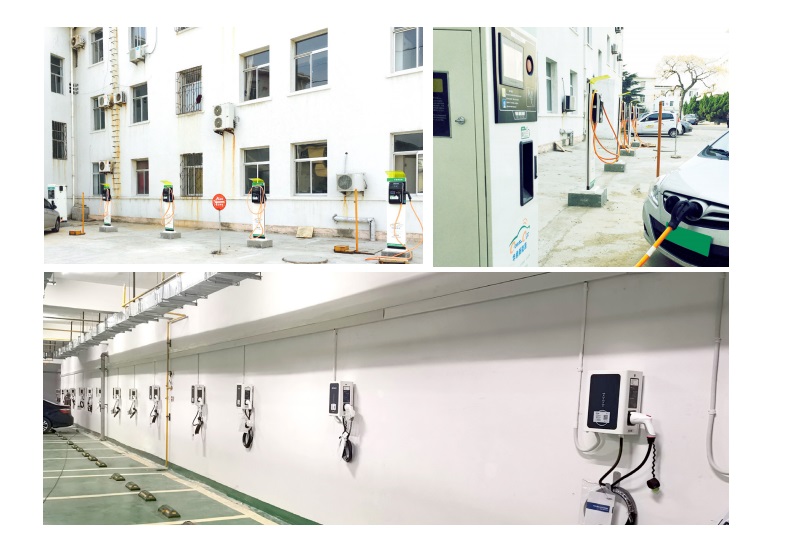
Recommend Slow Charger Products:
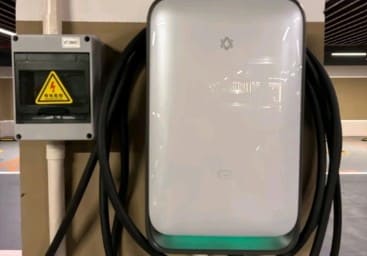
Charging pile:
Contact Us
Whatsapp/Mobile: +86 18019762979
Email: sales@lkmixer.com