Is 150 amp service enough for ev charging?
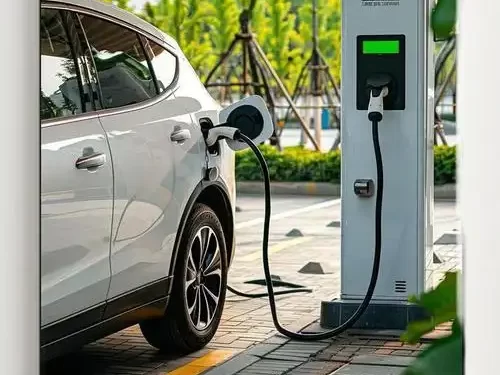
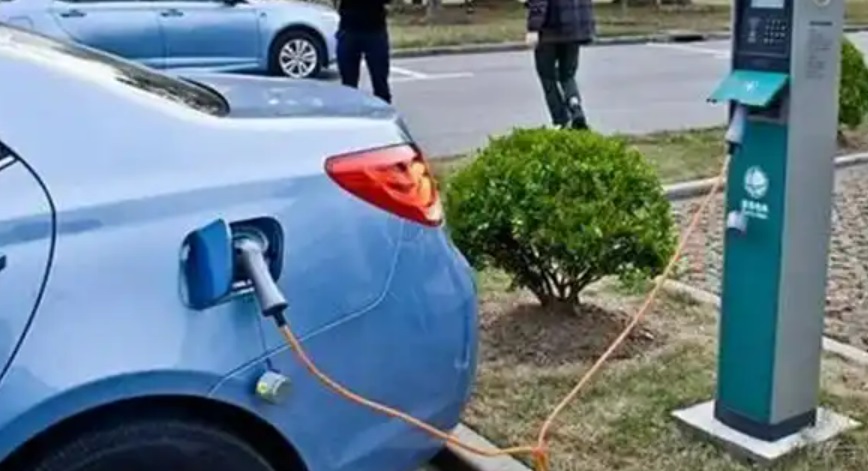
Is 150 amp service enough for ev charging? Yes, as long as the current electrical load isn’t abnormally high, a 150-amp electrical service is usually more than enough to install a Level 2 EV charger at home. It also gives most households a comfortable margin of safety for future expansion.
Understanding the 80% Rule and Your Service’s True Capacity
According to the National Electrical Code (NEC), the 80% rule for continuous loads is the cornerstone of electrical safety. Any situation where the maximum current is anticipated to last for three hours or longer is considered a continuous load, which is exactly what EV charging is. According to this regulation, no circuit or service’s continuous load may be greater than 80% of its rated capacity.
This indicates that the safe, continuous operating limit for a 150-amp main electrical service is 120 amps (150A x 0.8 = 120A). The actual “working capacity” that you need to take into account is this 120-amp figure. A portion of this 120-amp total will be used by your EV charger, and the remaining amount must be sufficient to power all of your other appliances and gadgets in your house at once. The key is that the sum of your home’s peak demand plus the EV charger’s draw must stay at or below this 120-amp threshold.
How EV Charger Amperage Fits into a 150-Amp Service
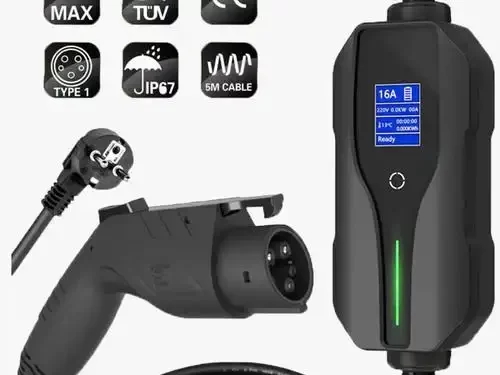
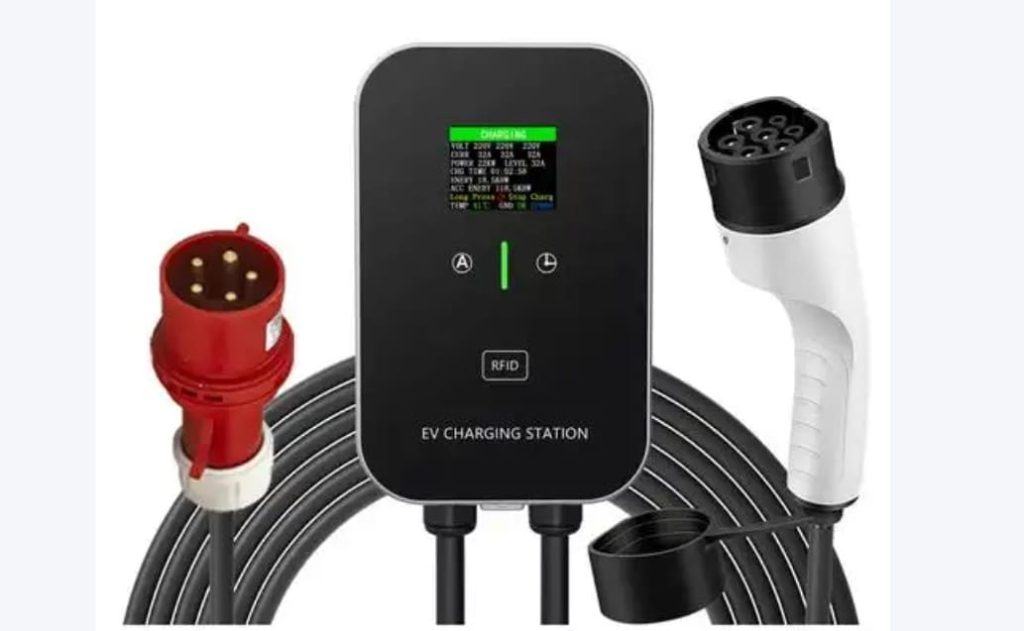
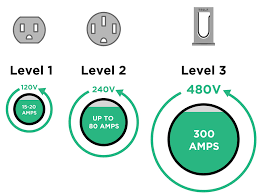
Level 2 EV chargers are available in a range of amperages, each requiring a dedicated circuit sized at 125% of the charger’s rating. Common options include:
- A 16-amp charger requires a 20-amp circuit (16A / 0.8 = 20A).
- A 24-amp charger requires a 30-amp circuit.
- A 32-amp charger (a very common choice) requires a 40-amp circuit.
- A 40-amp charger requires a 50-amp circuit.
- A 48-amp charger (the maximum for most homes) requires a 60-amp circuit.
For a household with a 150-amp service, even the largest 48-amp charger (drawing 48A continuously) only consumes 48 of the available 120-amp continuous capacity. This leaves 72 amps for the rest of the house. For the vast majority of homes—even those with electric dryers, ovens, and central air conditioning—this is ample headroom. It often even allows for the future addition of other high-power appliances, like a heat pump or hot tub, without immediately necessitating a service upgrade.
The Deciding Factor: Your Home’s Existing Electrical Load
The ultimate determinant of suitability is not the EV charger in isolation, but your home’s baseline electrical consumption. A professional electrician will perform a NEC-compliant load calculation to determine this. This is a detailed analysis that considers all fixed appliances (water heater, HVAC), fastened-in-place appliances (cooktop, wall oven), and general lighting and receptacle circuits, applying demand factors to account for the fact that not everything runs at full power simultaneously.
- Scenario 1 (Ideal): A home with gas heating, a gas water heater, and a gas dryer has a very low electrical baseline load, perhaps calculated at 50-60 amps. Adding a 48-amp EV charger brings the total to ~110 amps, which is still under the 120-amp limit. This service is more than adequate.
- Scenario 2 (Manageable): A home with all-electric appliances might have a calculated load of 80-90 amps. Adding a 40-amp charger would bring the total to 120-130 amps, potentially exceeding the limit. In this case, solutions like a smart load management device (see below) or opting for a slightly smaller 32-amp charger would make the installation perfectly safe and code-compliant without a service upgrade.
Solutions for High-Demand Homes and Future-Proofing
Even if your load calculation is borderline, a full service upgrade is not always necessary.
- Load Management Device (EVEMS): An Electric Vehicle Energy Management System is a smart device that can be installed with the charger. It monitors your home’s total power consumption in real-time. If it detects that the overall load is approaching the 150-amp (120A continuous) limit, it temporarily reduces the power to the EV charger to prevent an overload. This allows you to install a high-powered charger on a service that would otherwise be at its limit.
- Smart Charging Scheduling: Simply scheduling your EV to charge late at night when household demand is virtually zero (no A/C, oven, or dryer running) is a free and effective way to avoid conflicts. Your 150-amp service has more than enough capacity to handle a 48-amp charger when the only other loads are the refrigerator and a few lights.
Conclusion and Professional Recommendation
A 150-amp electrical service is reliable and ideal for installing an EV charger at home. It offers a sizable safety margin that is frequently absent from smaller services (100–125 amp). It is more than capable for the great majority of residential scenarios, even though it might not be able to support the simultaneous operation of every appliance and a maximum-power EV charger in an all-electric home without some sort of load management.
Speaking with a qualified electrician is the crucial last step. They will calculate the critical load, check the condition of your panel, make sure there is room for a new two-pole breaker, and suggest the best charger amperage or other complementary solutions, such as an EVEMS. This expert evaluation ensures a safe, code-compliant, and effective installation that makes the most of your 150-amp service’s capacity.
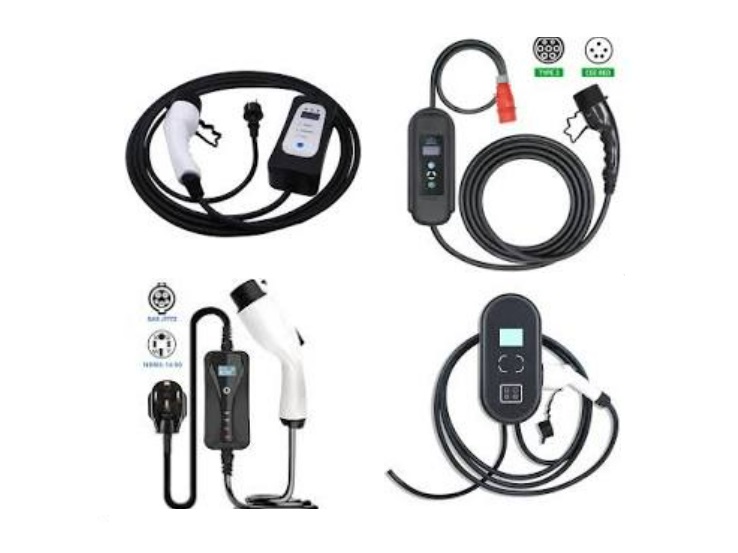
Recommend Slow Charger Products:
Charging pile:Contact Us
Contact Us
Whatsapp/Mobile: +86 18019762979
Email: sales@lkmixer.com