How to use ev charging stations?
How to Use EV Charging Stations
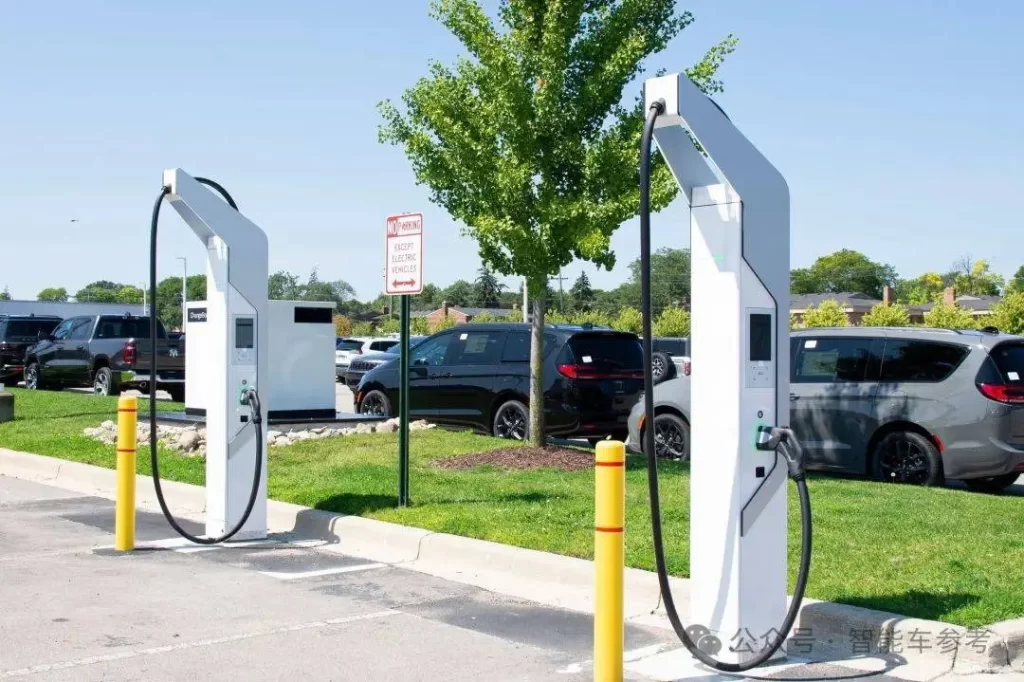
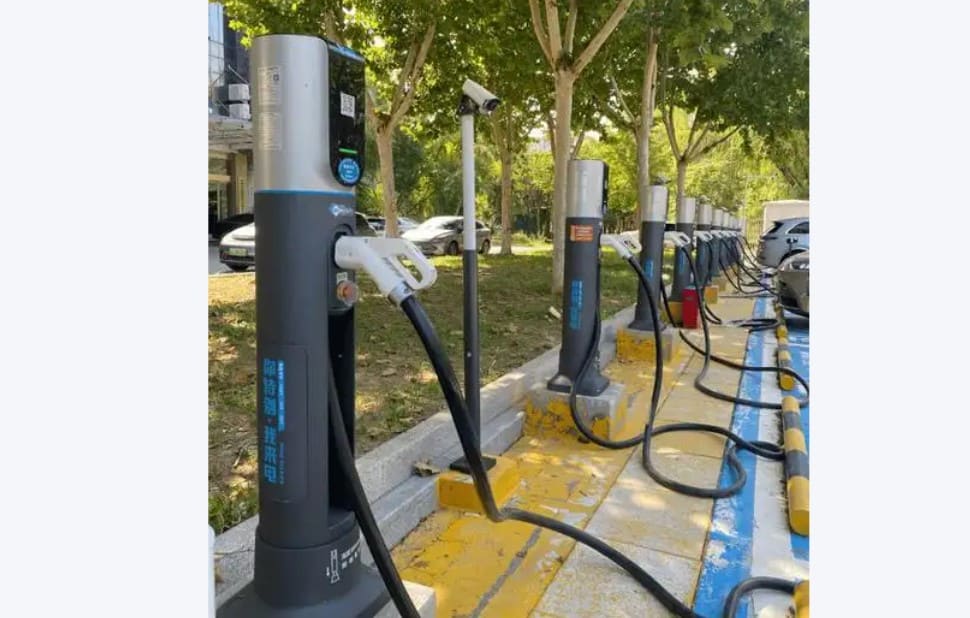
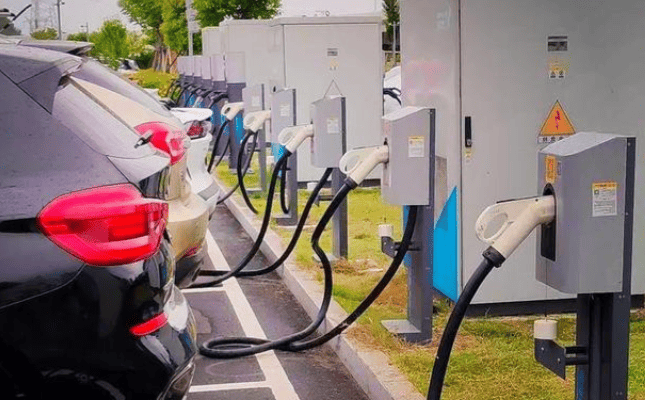
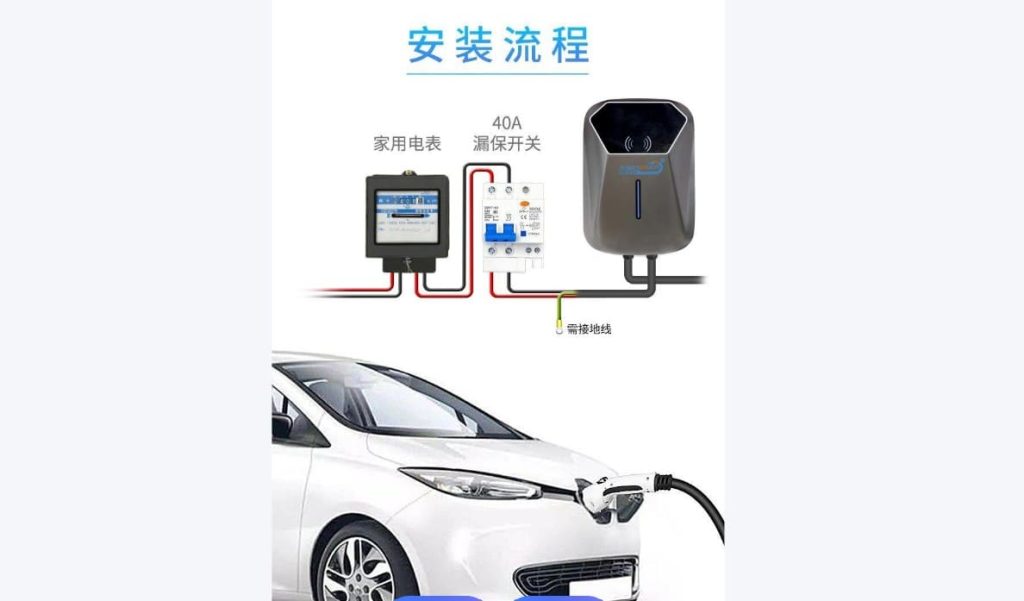
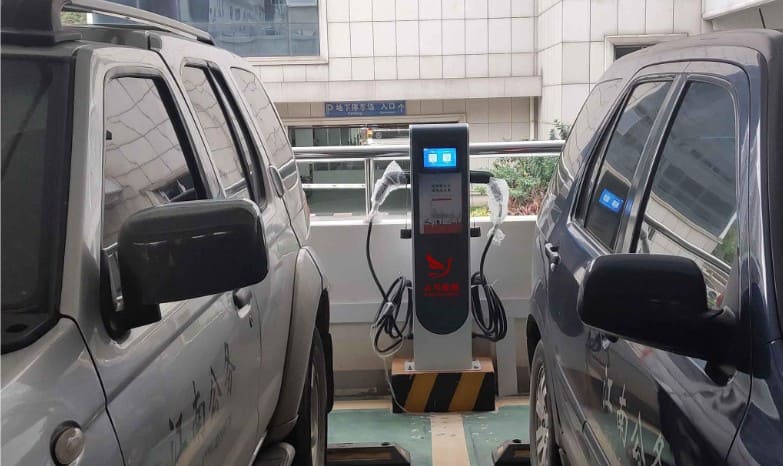
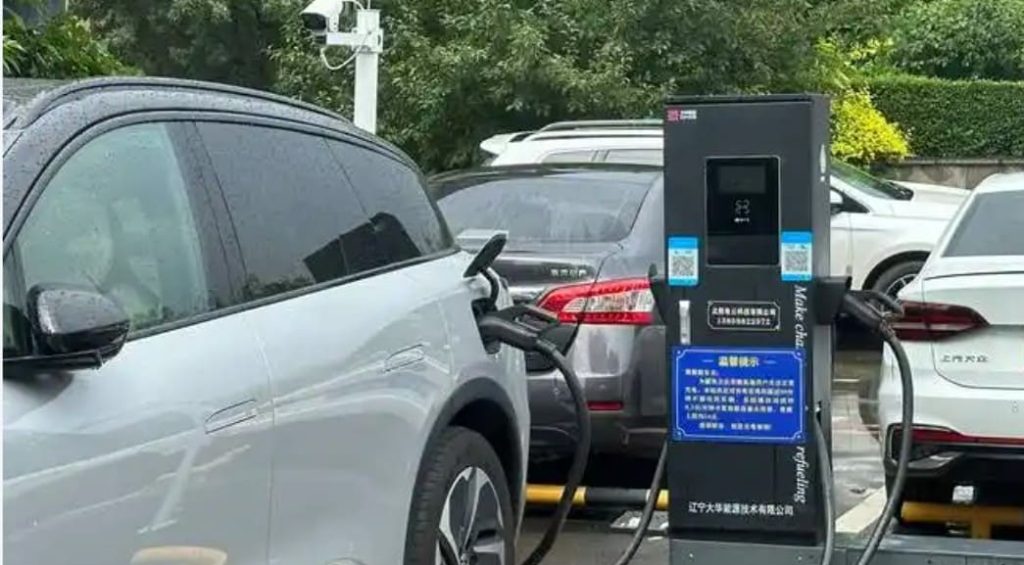
It’s easy to use an EV charging station: find a station, connect your car, begin charging, track your progress, and pay. As EVs become more popular, it’s critical for all EV owners to know how to use public charging infrastructure safely and effectively. This guide will walk you through each step so you can use EV charging stations with confidence.
Finding a Suitable Charging Station
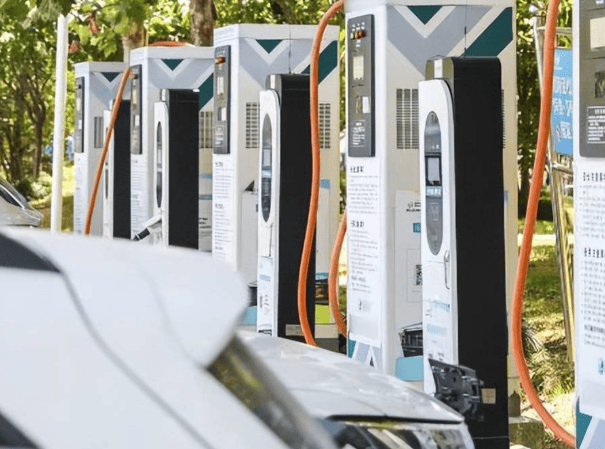
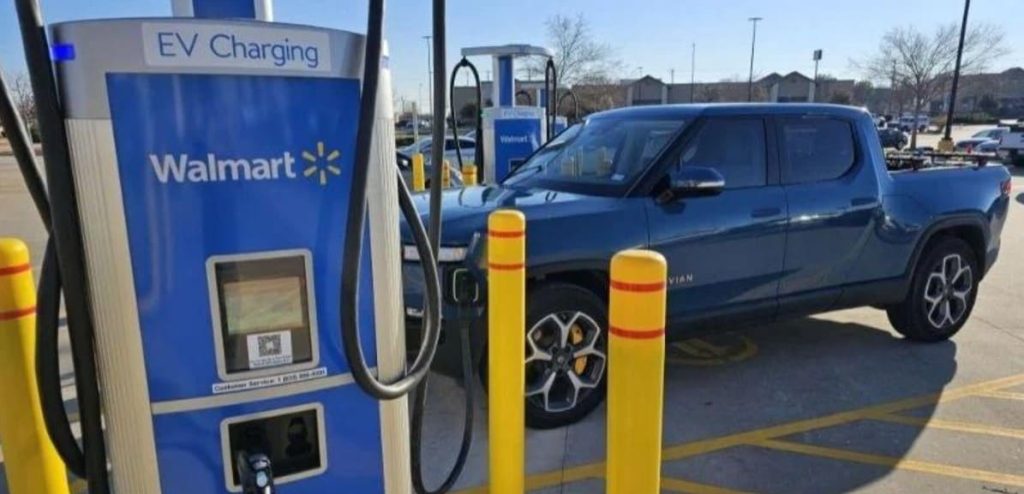
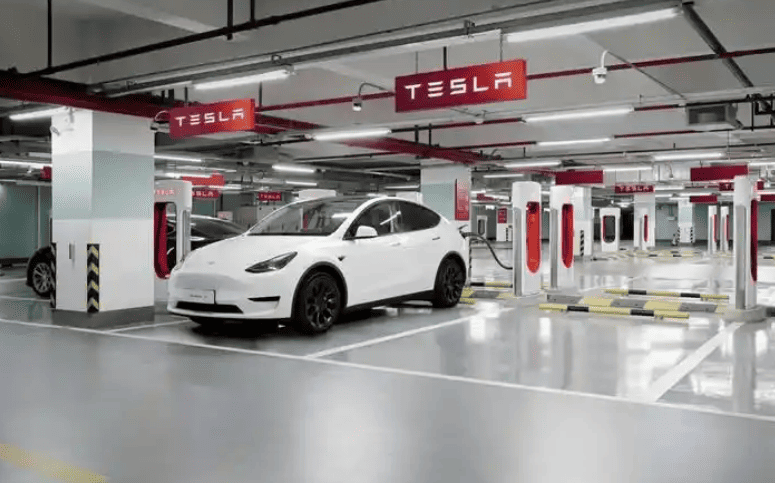
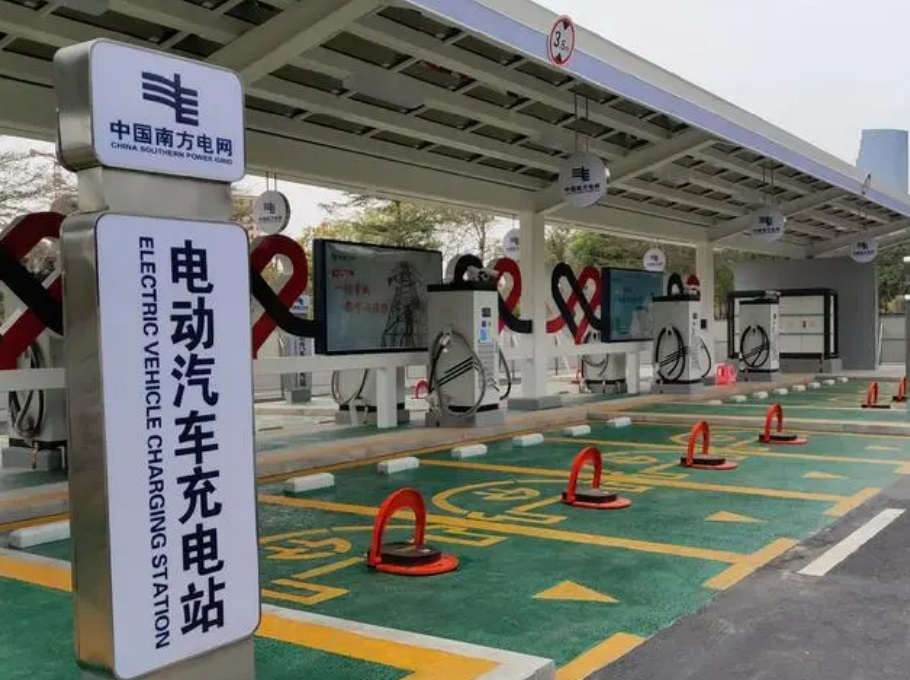
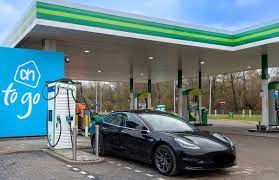
The first step is to locate a charging station that meets your needs. You can use various tools to find one, such as map applications on your phone like Google Maps or Apple Maps, which often show the locations and types of charging stations nearby. Many charging network operators, such as Tesla’s Supercharger, Electrify America, or ChargePoint, have their own apps that provide real-time information about charger availability, pricing, and even user reviews. Some vehicles also have built-in navigation systems that direct you to compatible charging stations. It’s important to consider factors like proximity, compatibility with your vehicle, and the type of charger available when making your selection. Planning your route around charging stops is especially useful for long trips to avoid range anxiety.
Choosing the Right Charger
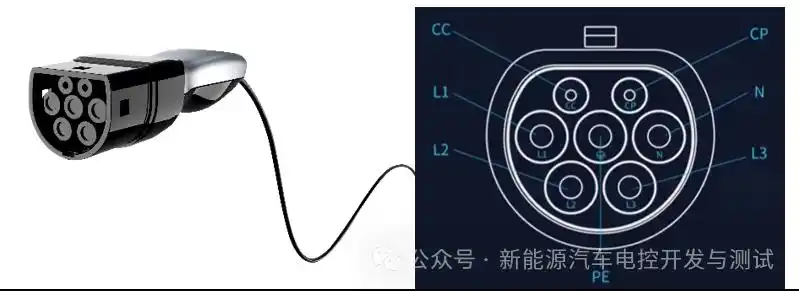
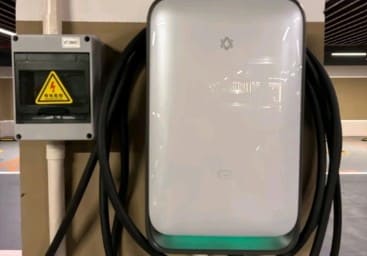
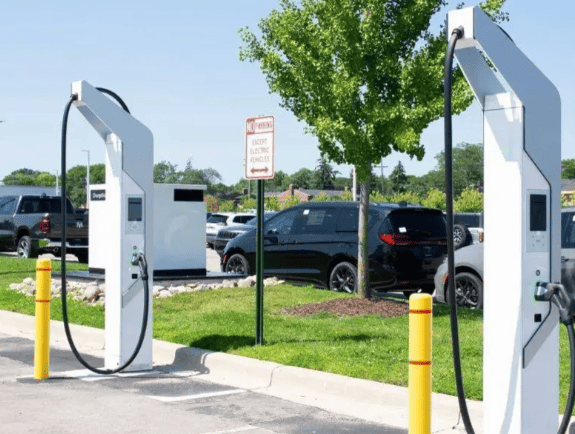
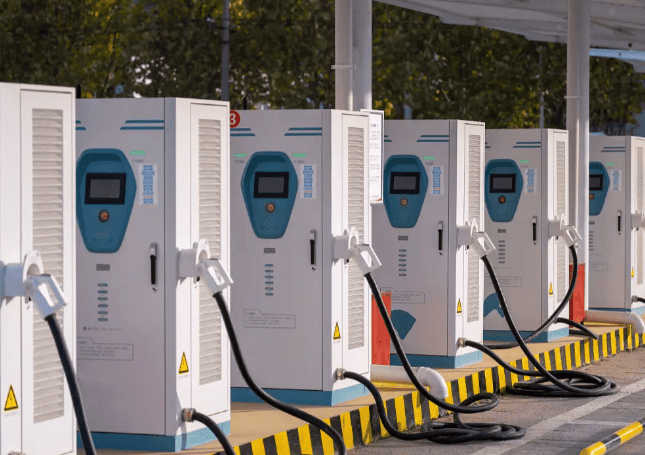
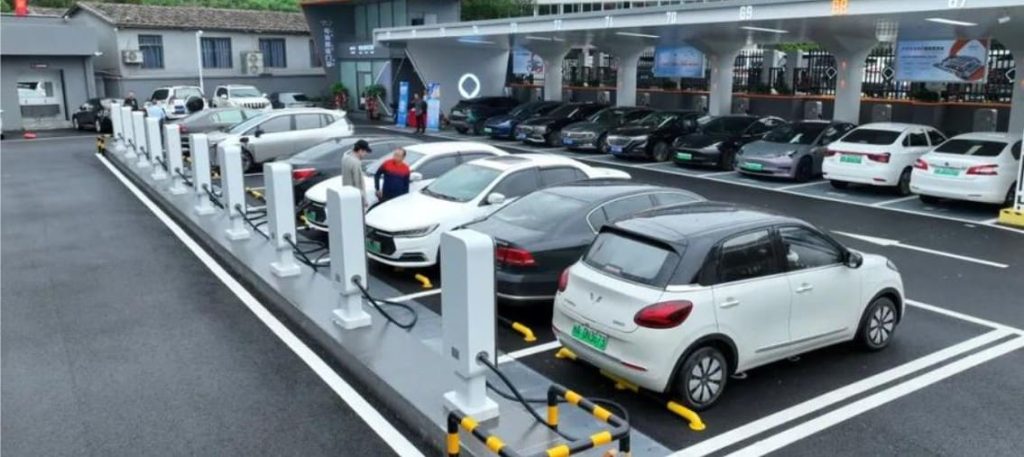
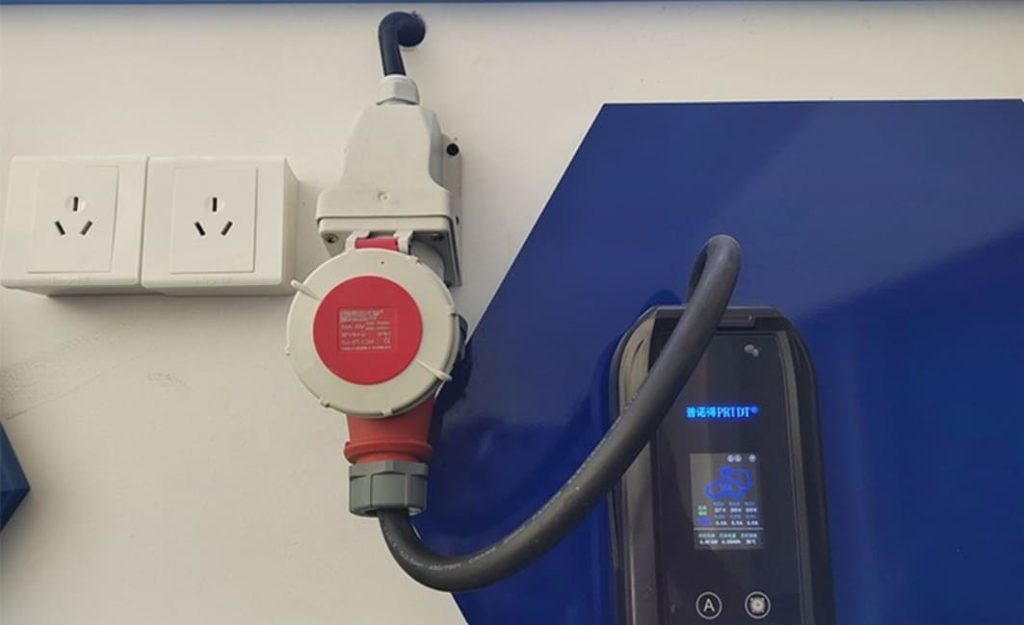
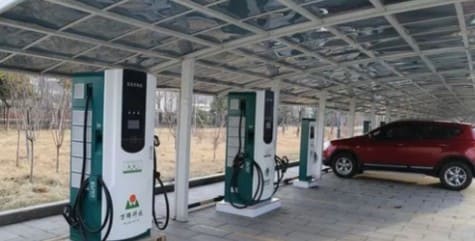
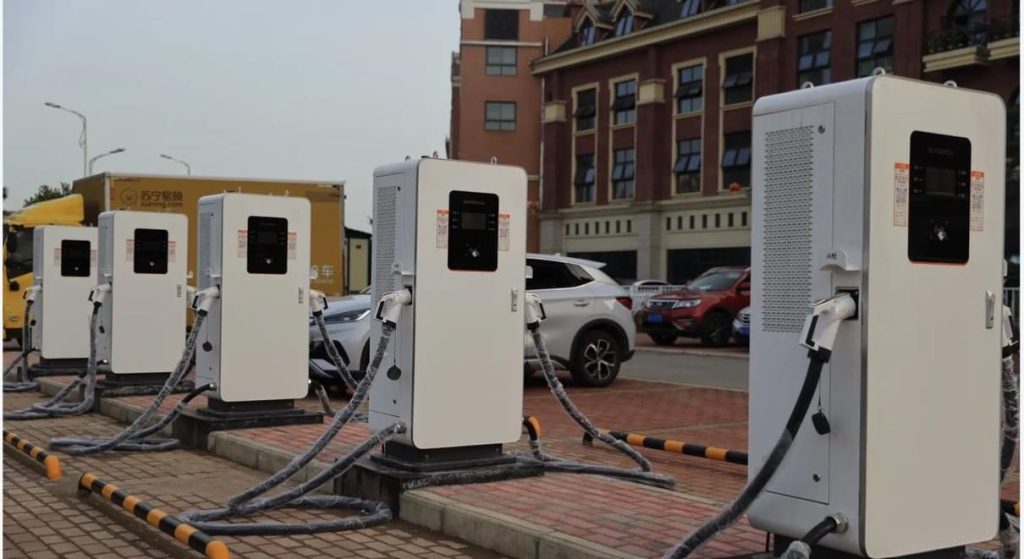
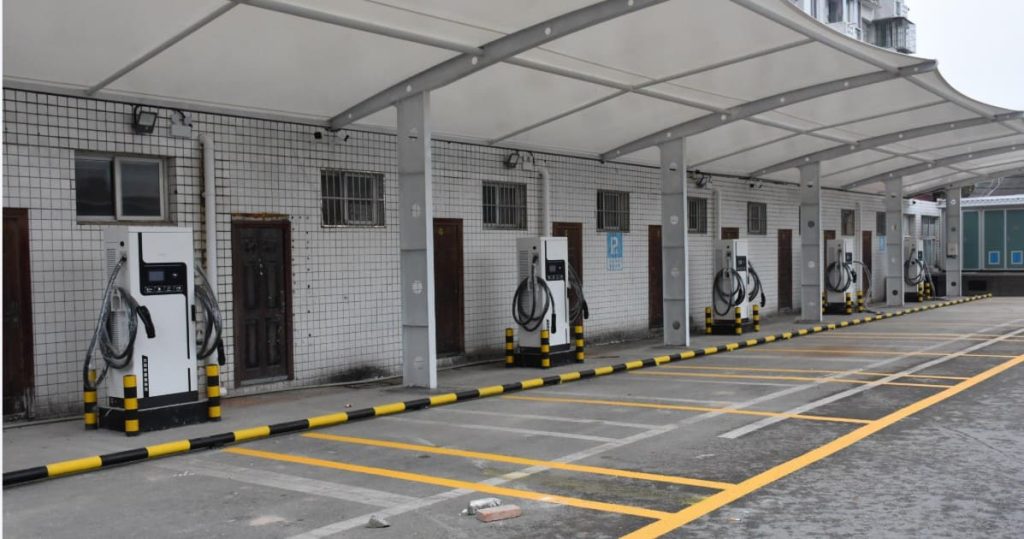
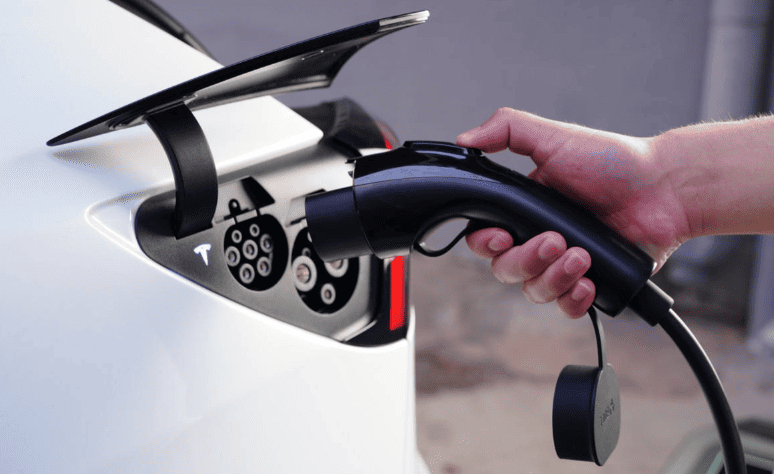
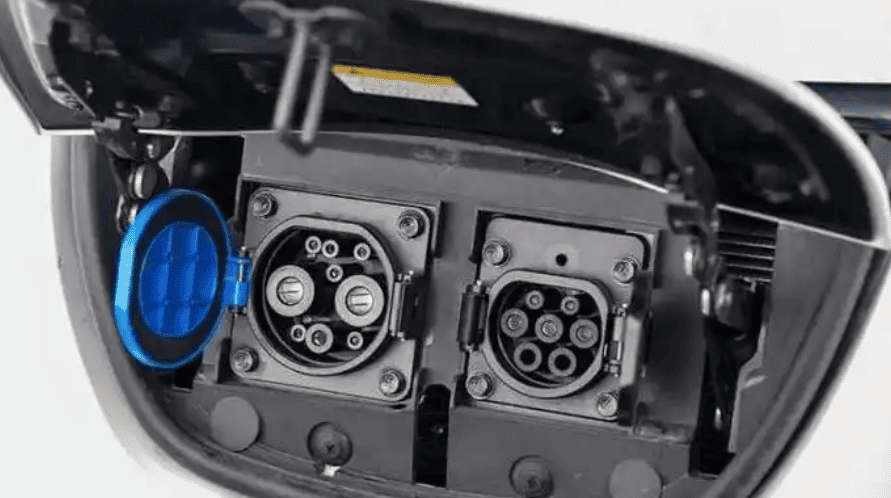
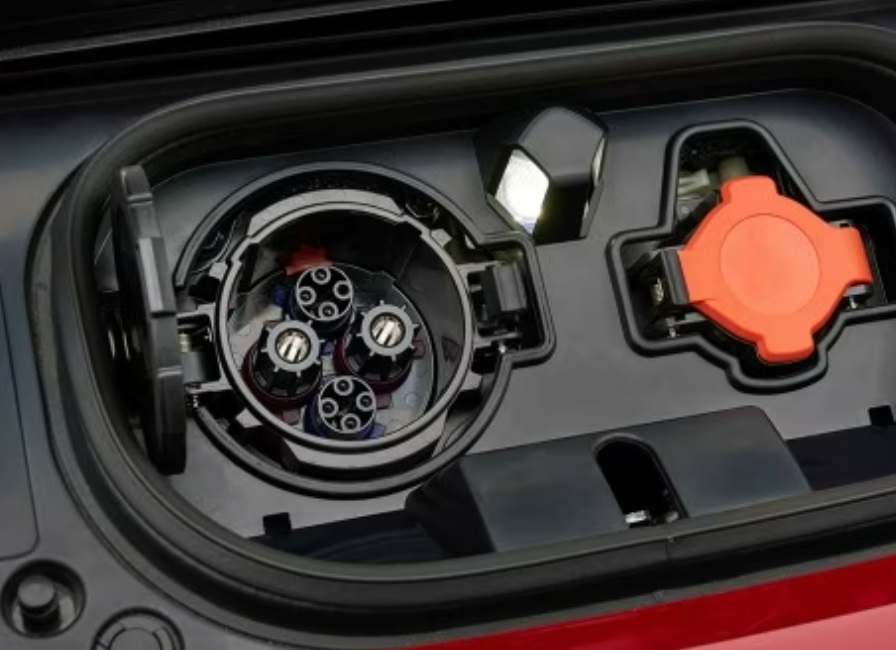
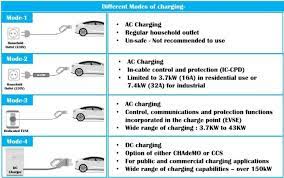
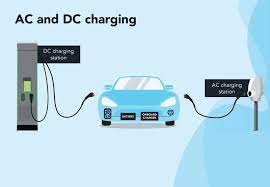
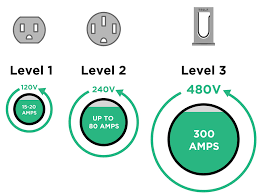
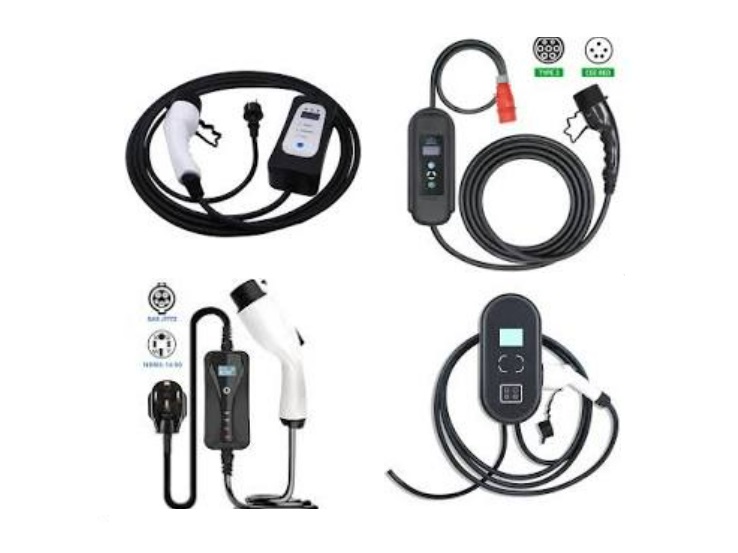
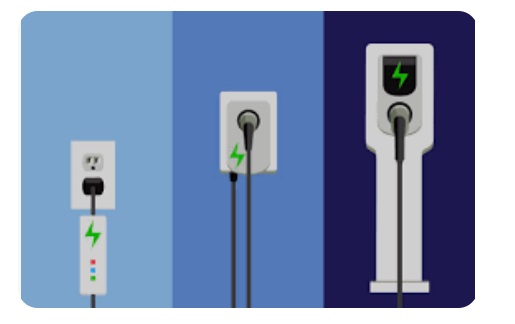
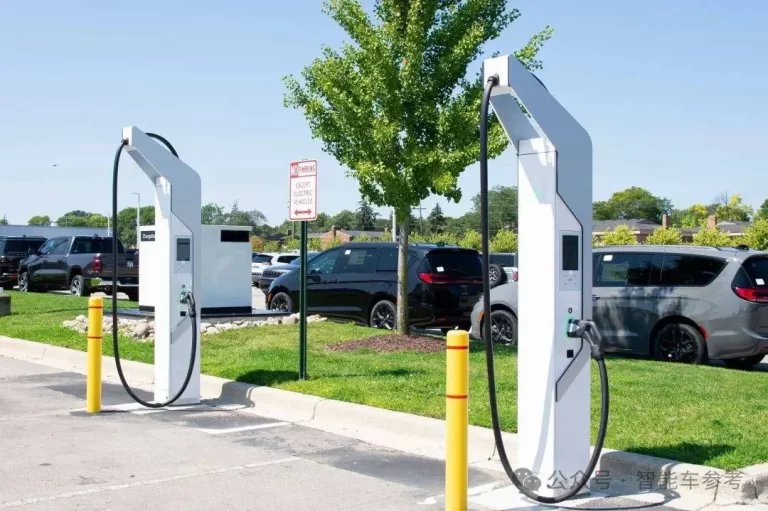
Not all chargers are the same, so it’s important to choose one that suits your vehicle and your needs. There are generally two types of public chargers: Level 2 chargers and DC fast chargers. Level 2 chargers provide power at a slower rate, usually taking several hours to fully charge a vehicle, which is ideal for longer stops like during work or shopping. DC fast chargers can charge most EVs to 80% in under an hour, making them perfect for quick top-ups during travel. However, frequent use of fast charging may affect battery health over time. Also, check the connector type—such as CCS, CHAdeMO, or Tesla’s proprietary connector—to ensure it matches your vehicle’s charging port. Visually inspect the charger for any damage or warning lights before use to ensure safety.
Parking and Preparing Your Vehicle
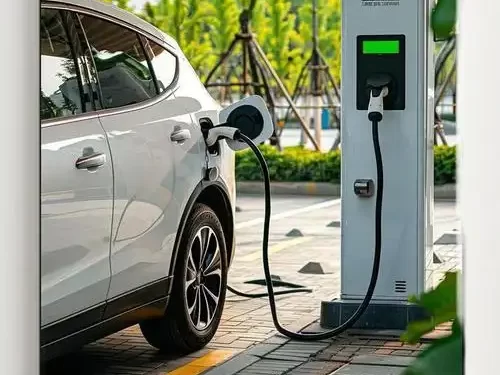
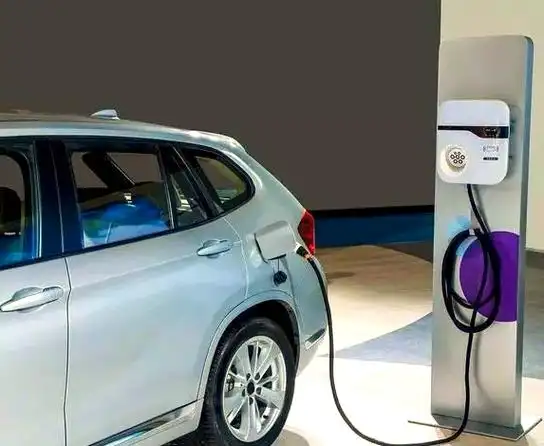
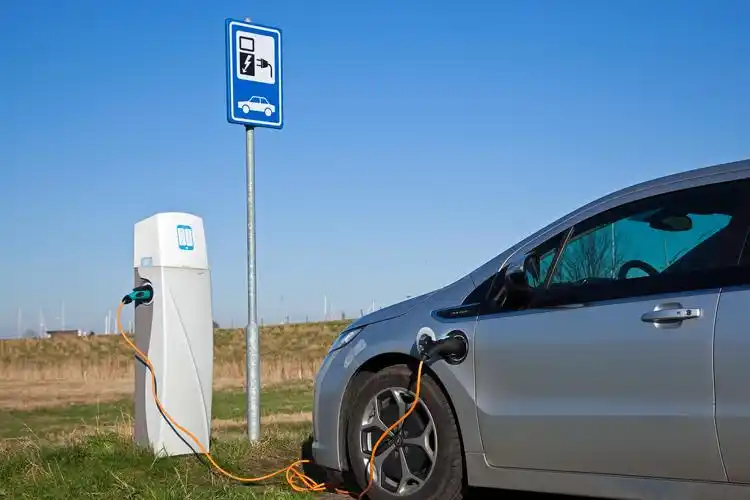
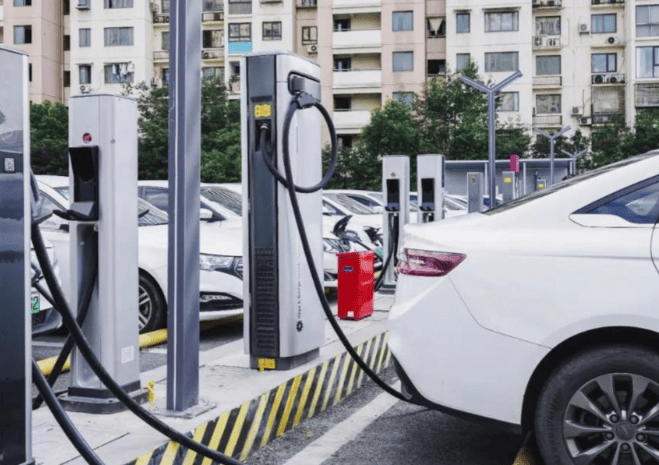
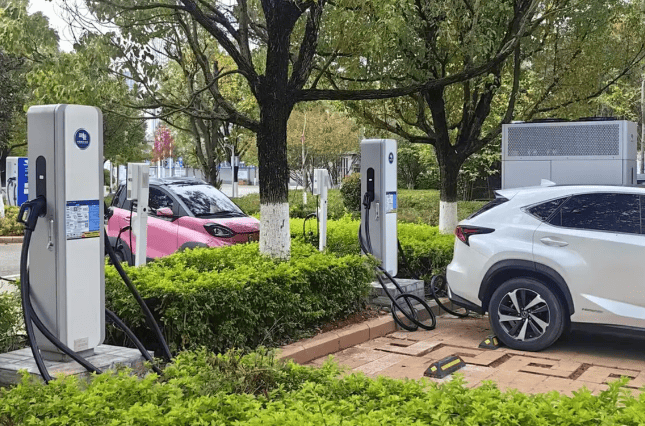
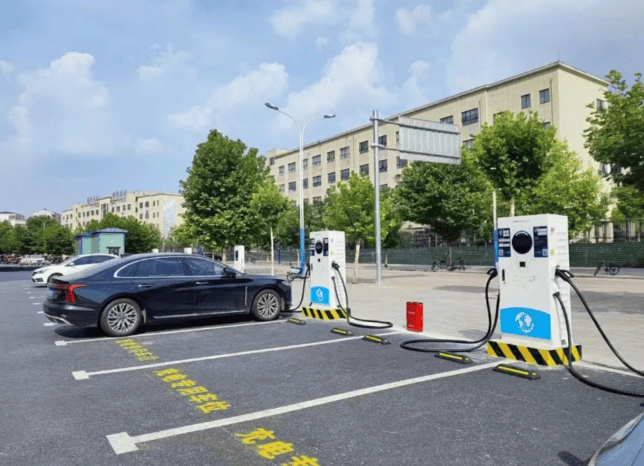
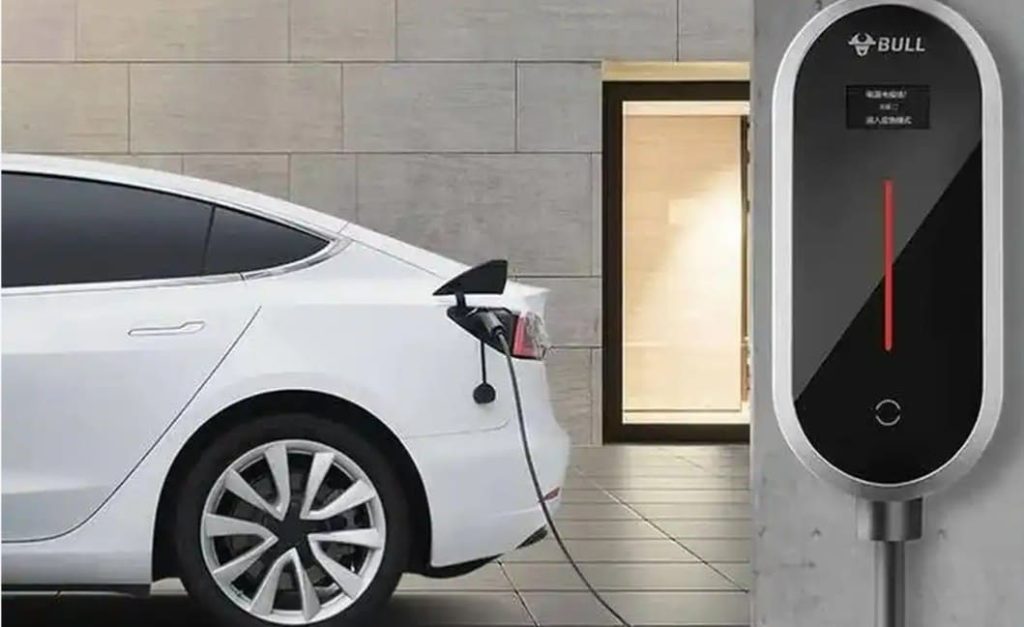
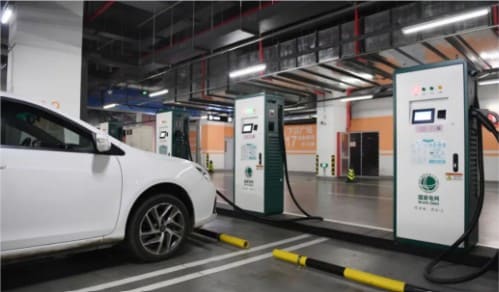
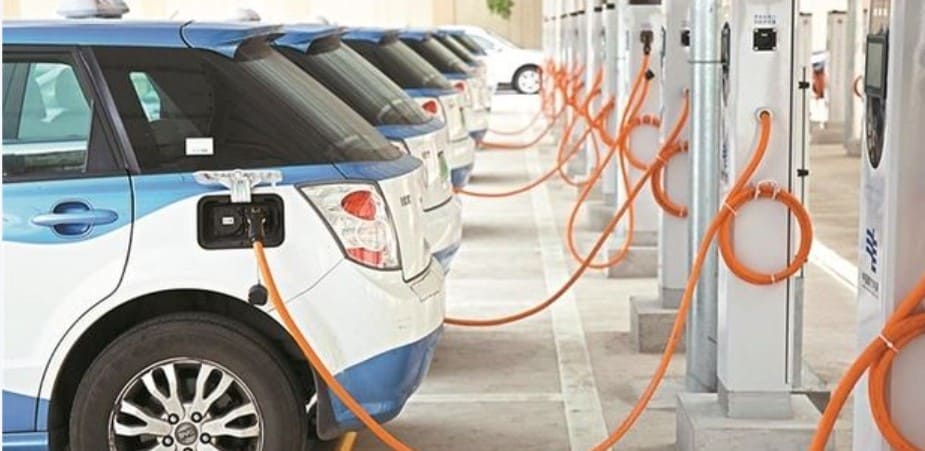
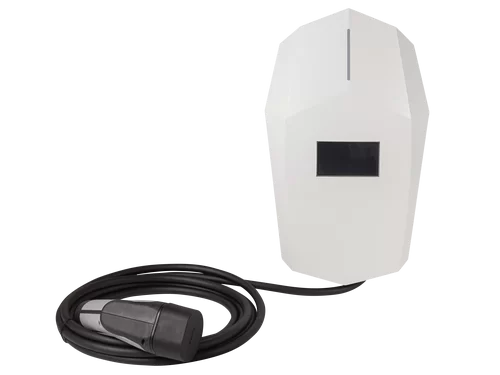
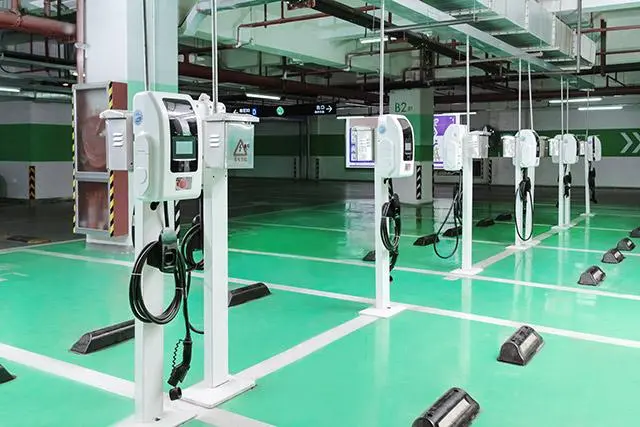
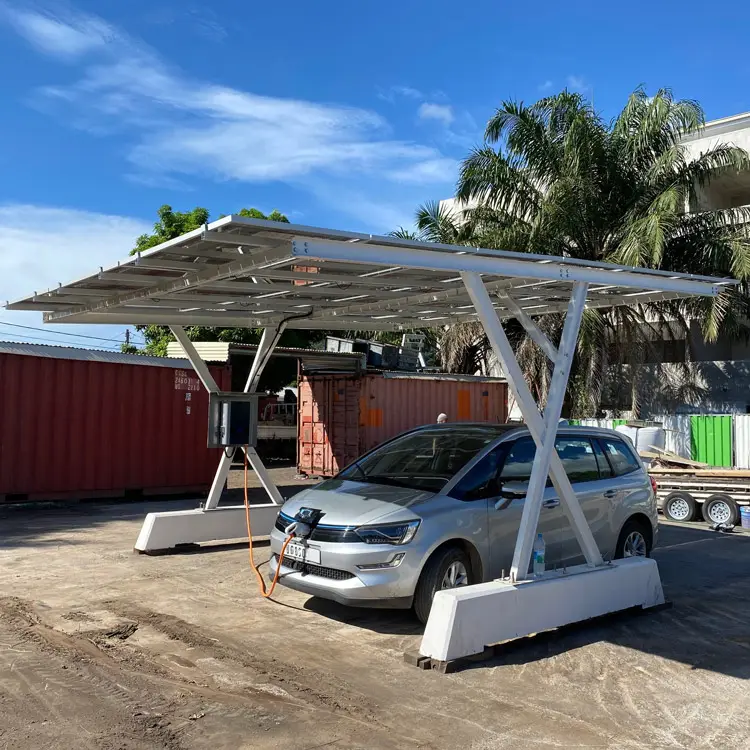
To lower the risk of an accident during the charging process, turn off the engine, put your car in park mode, and turn off all electronics. When you get to the charging station, park your car in the designated spot, making sure the charging cable can easily reach your car’s port. You should also make sure your charging port is accessible and free of obstructions.
Connecting the Charging Cable
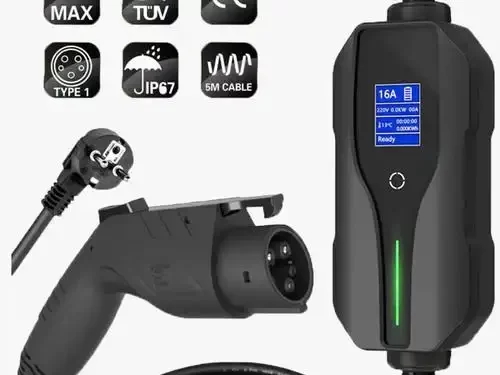
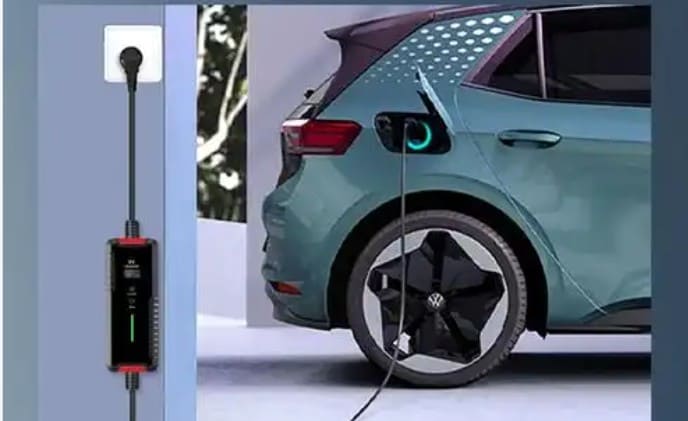
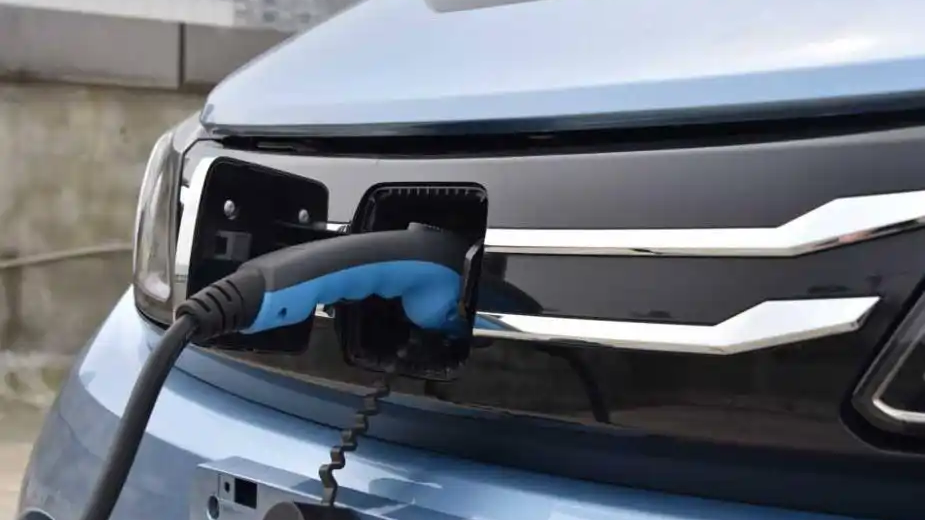
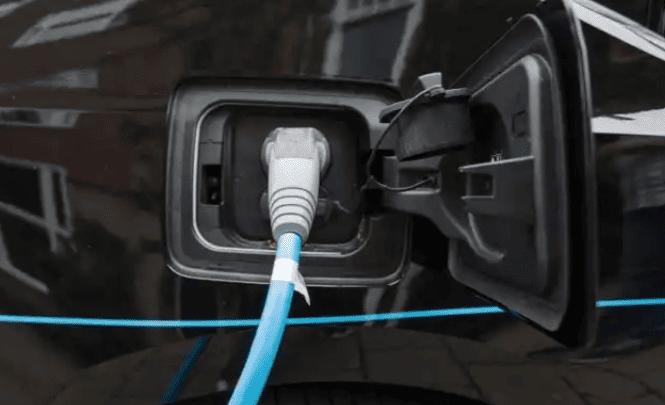
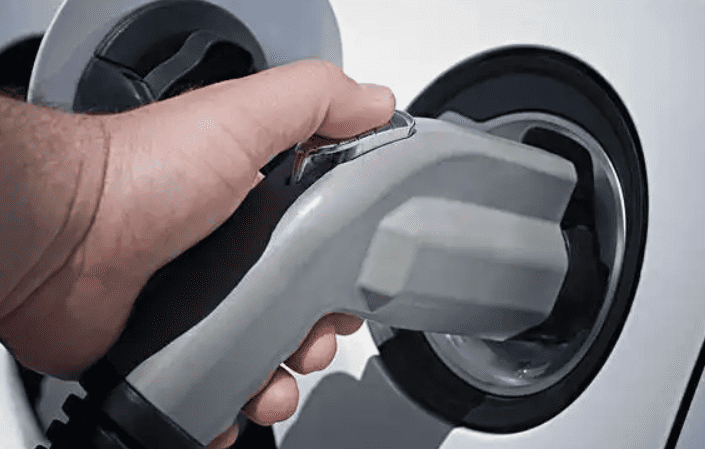
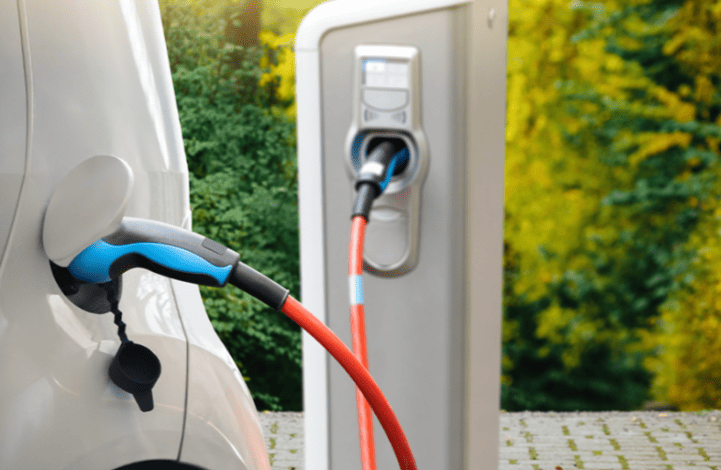
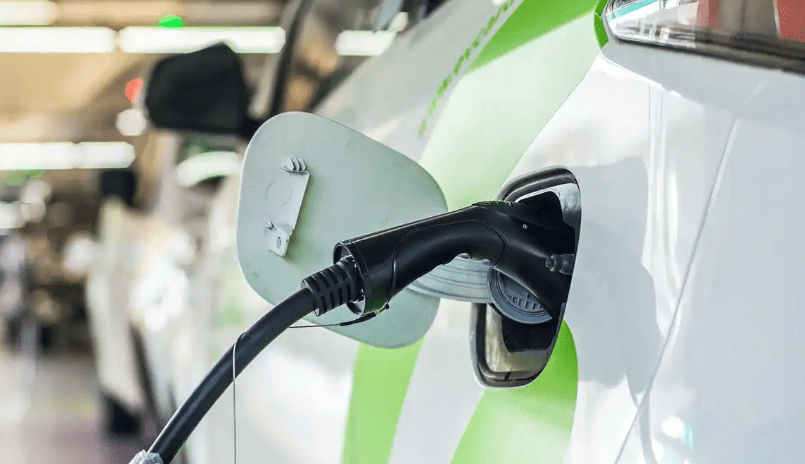
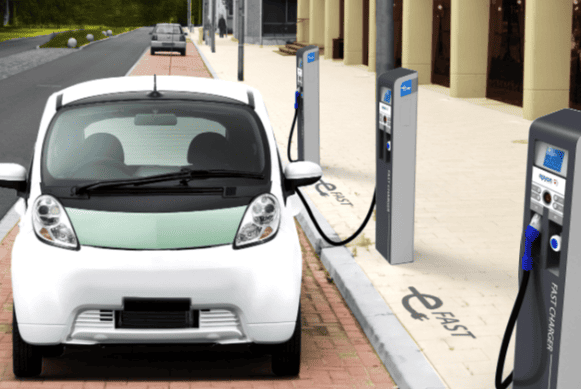
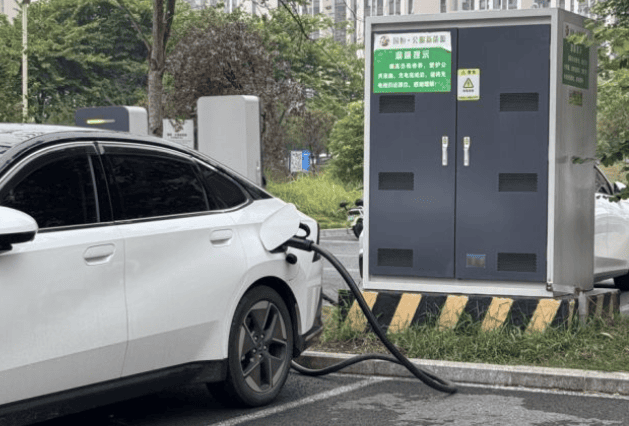
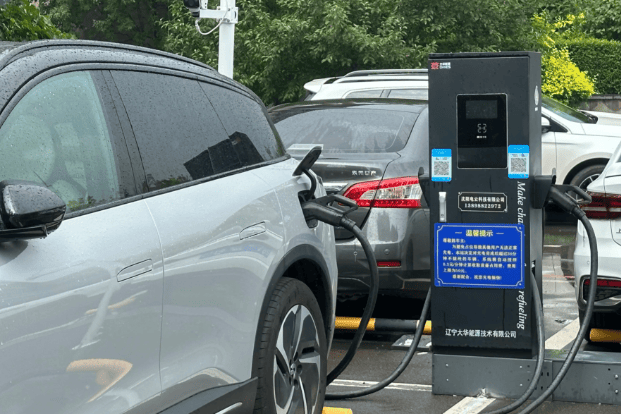
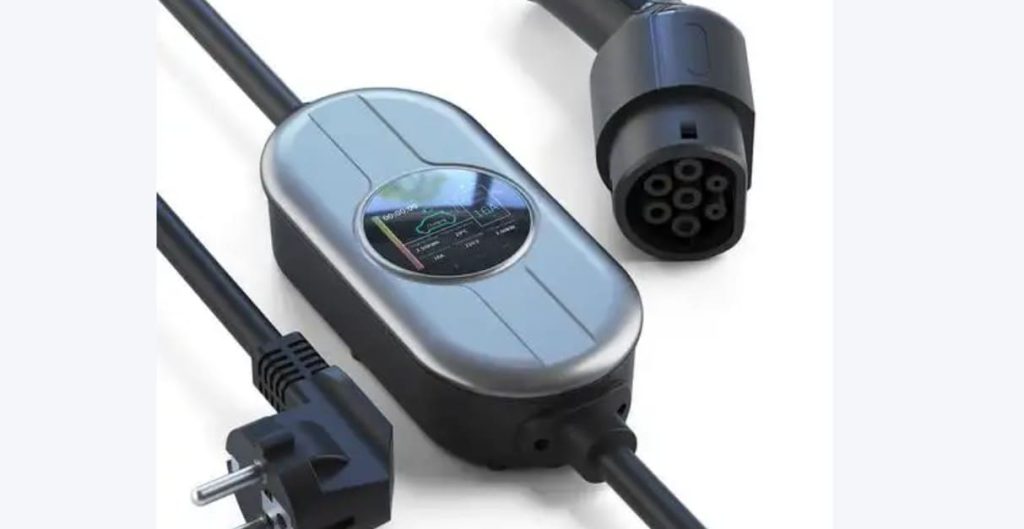
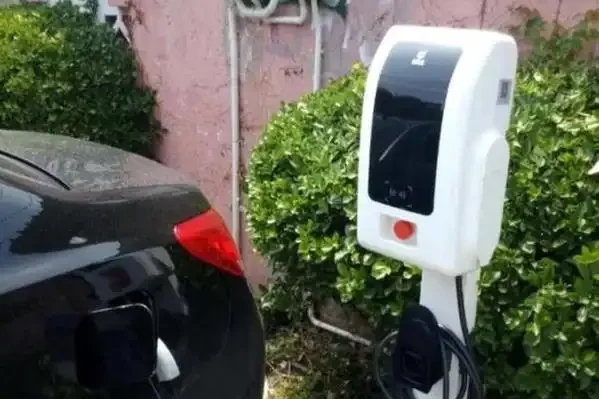
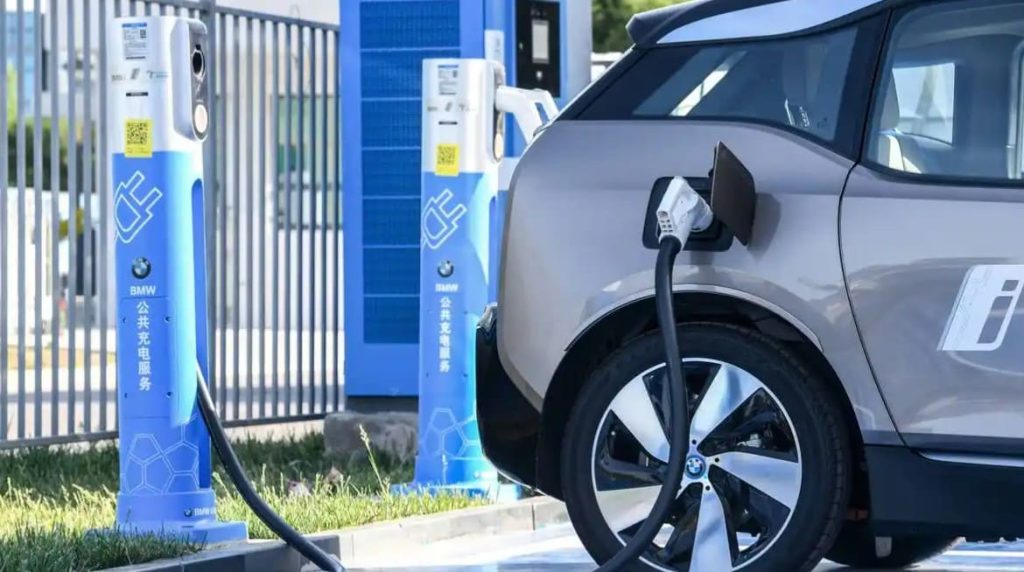
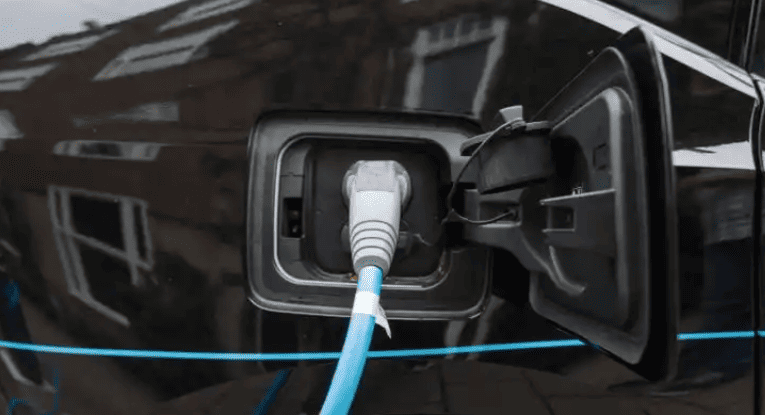
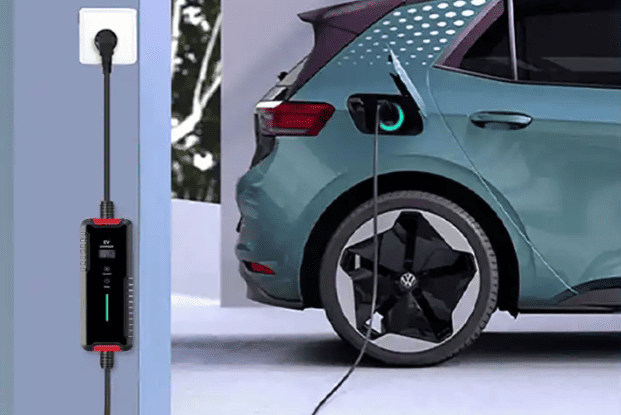
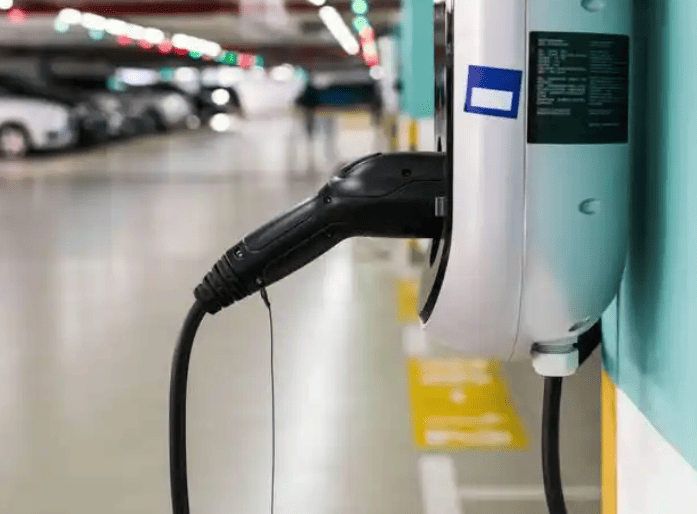
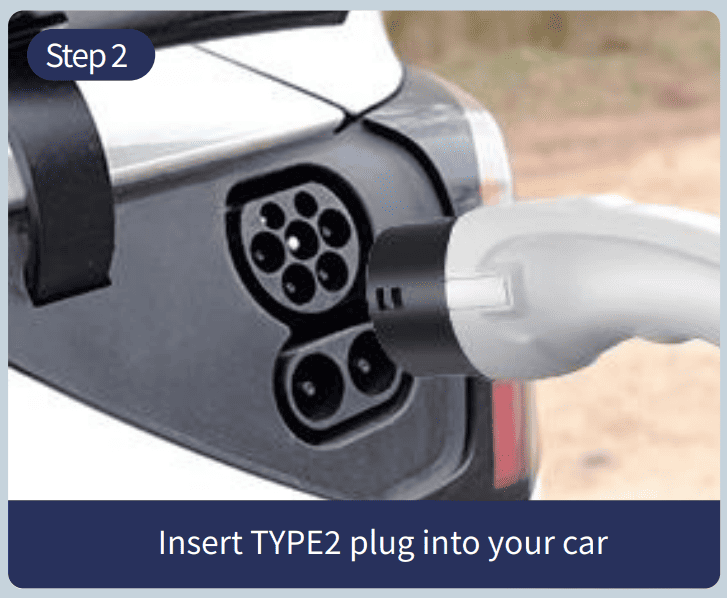
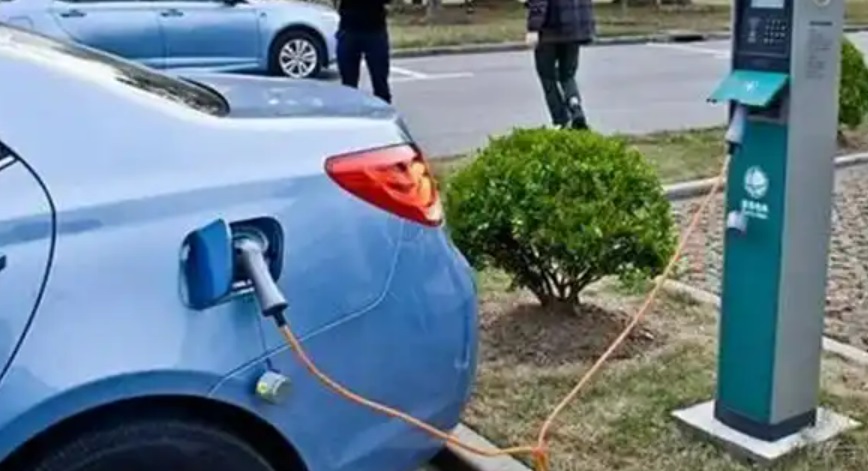
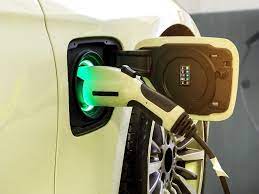
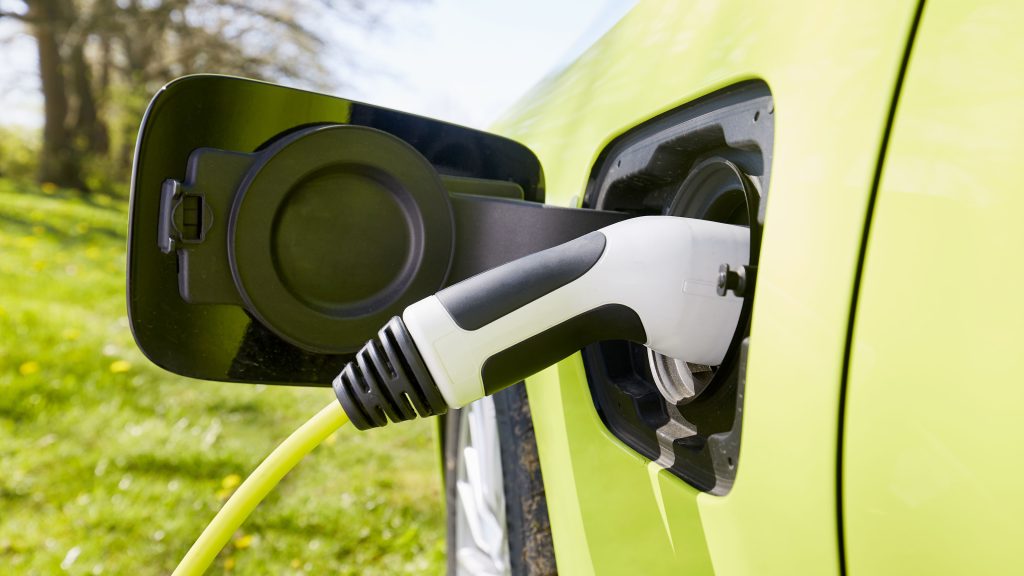
Open your vehicle’s charging port cover and check for any debris, dust, or moisture inside. If necessary, gently clean the area with a dry cloth. Then, remove the charging cable from the charger unit. Align the connector with your vehicle’s port and push firmly until you hear a click, indicating a secure connection. A properly connected charger will often signal this with a light or sound on the unit. Never force the connector if it doesn’t fit, as this could indicate an incompatible charger or a problem with the port.
Starting the Charging Session
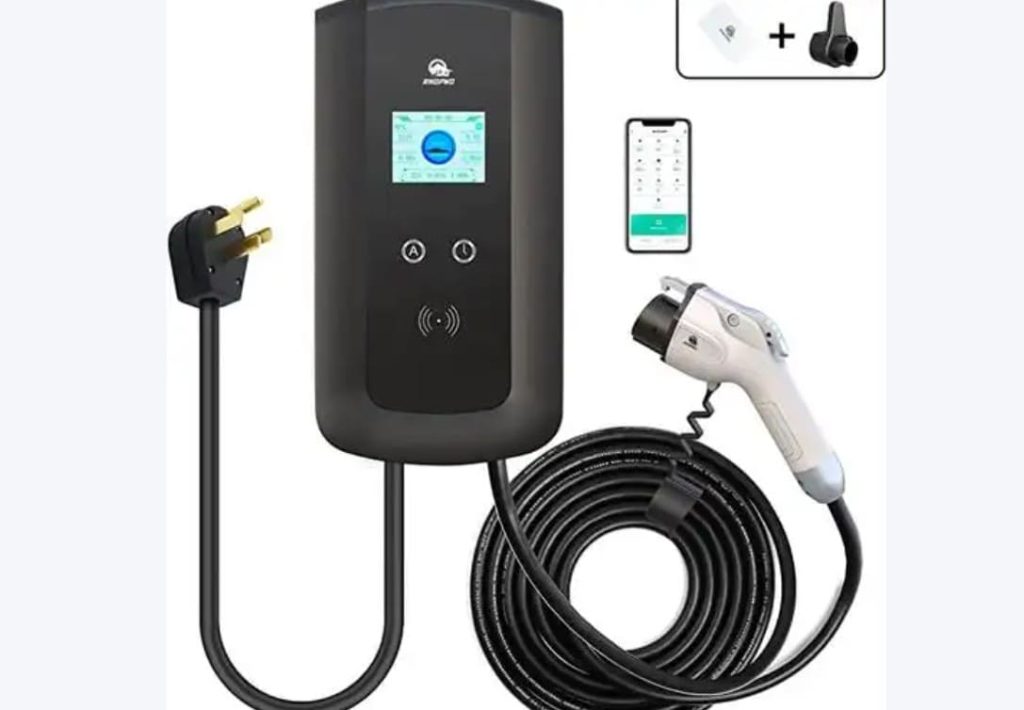
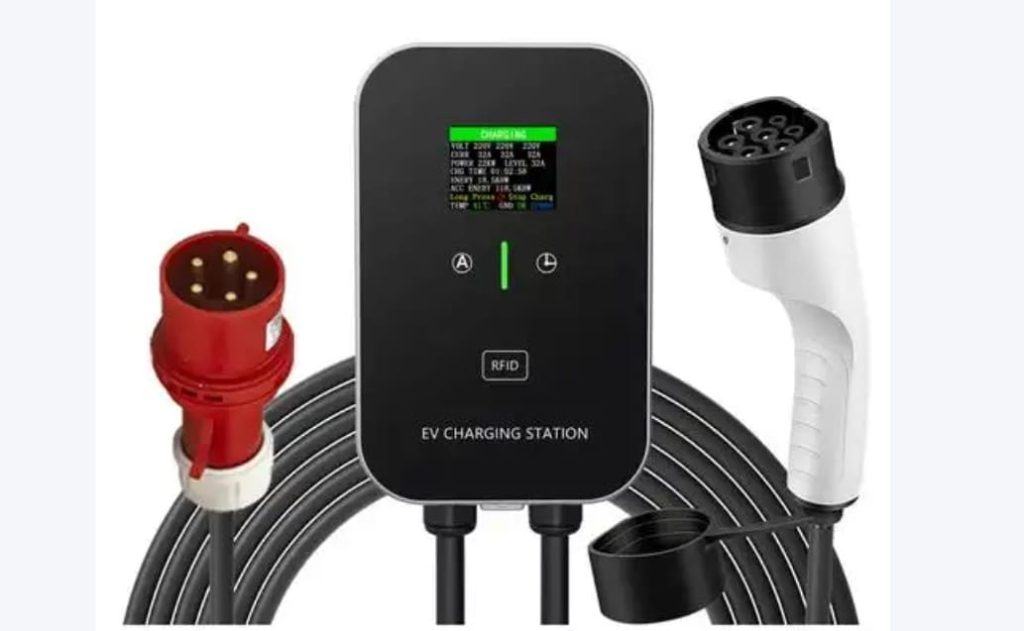
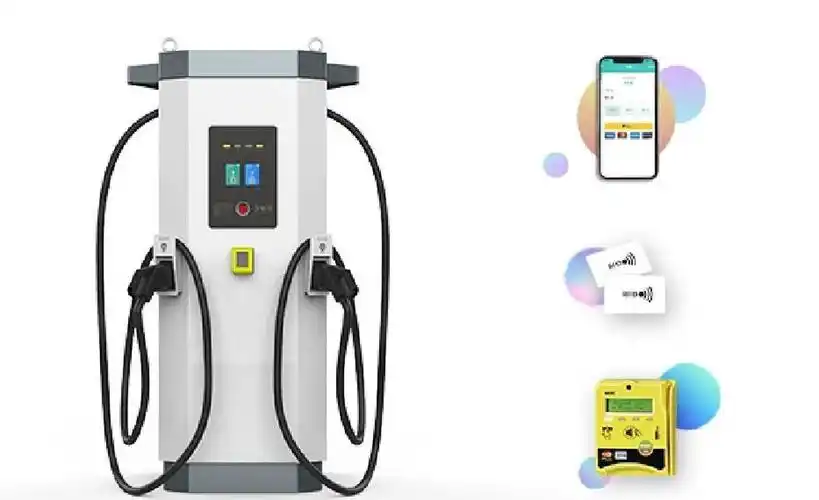
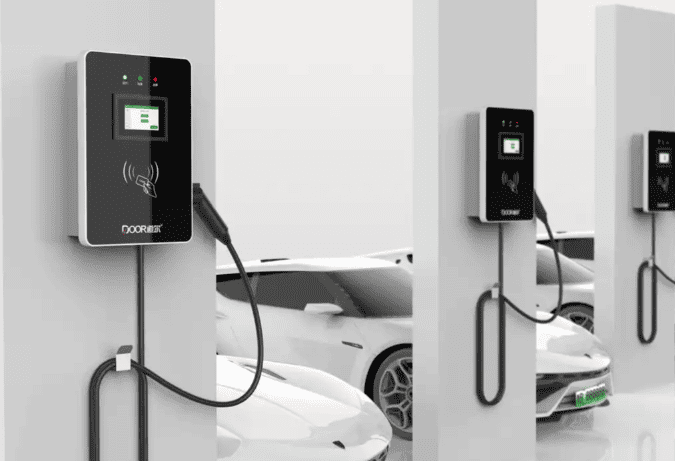
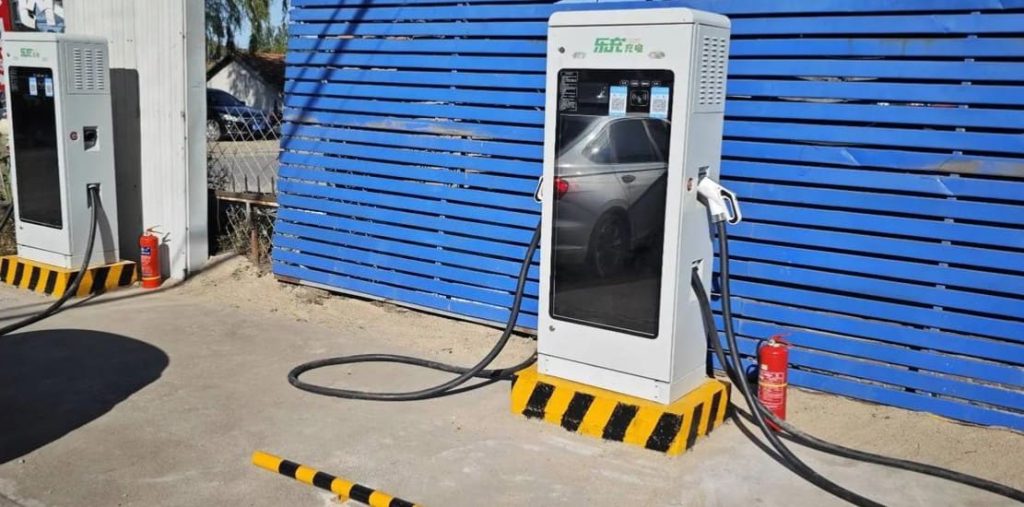
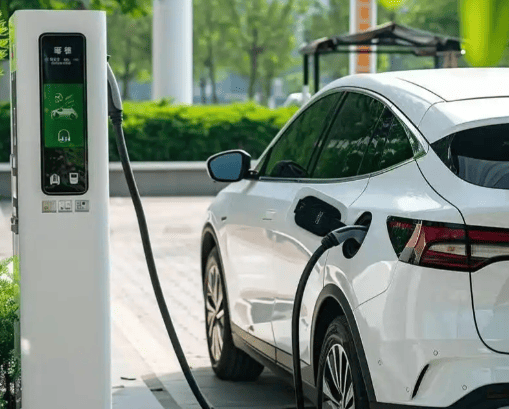
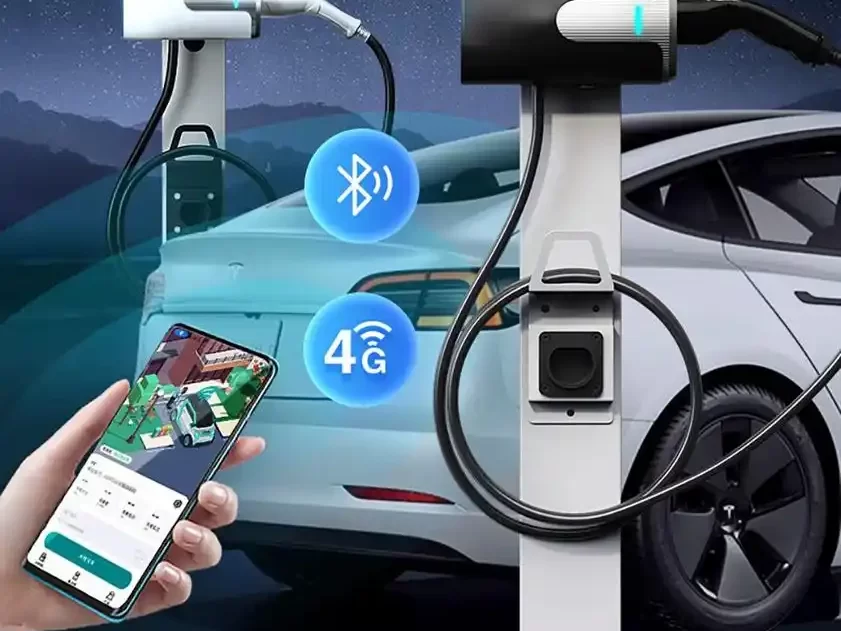
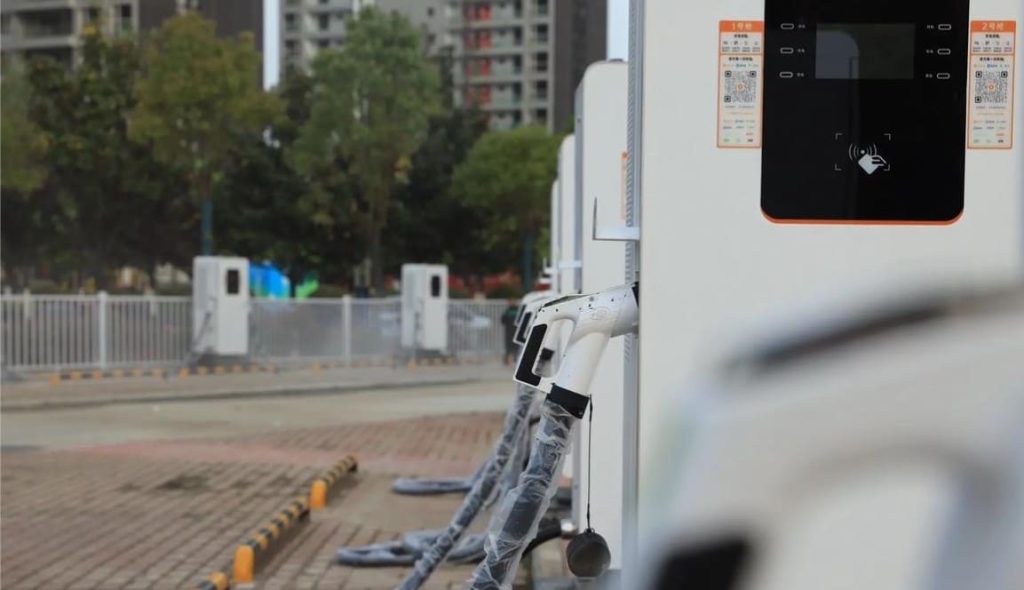
Most public charging stations require authorization to start. This is typically done through a mobile app, an RFID card, or a credit card. If using an app, scan the QR code on the charger or select the station within the app to initiate the session. You may need to choose a charging mode, such as charging to full, charging for a specific time, or charging until a certain battery level is reached. Some networks allow you to prepay or set a spending limit. If using an RFID card, tap it on the reader and follow the prompts. Stations that accept direct credit card payments will guide you through the process on the screen. Once started, the charger will usually display a confirmation message, and your vehicle’s dashboard may indicate that charging has begun.
Monitoring the Charging Progress
During the charging session, you can track the status through the charger’s display, your vehicle’s dashboard, or the mobile app. Information such as current battery level, time remaining, energy delivered, and cost is often available. Keep an eye out for any unusual behavior, like unusually slow charging or error messages on the charger, which could indicate a problem. If anything seems wrong, stop the session immediately and contact customer support for the charging network. It’s generally safe to leave your vehicle unattended during charging, but be mindful of station rules and time limits.
Ending the Charging Session
When charging is complete, the session will usually stop automatically, or you can end it manually via the app or the charger’s interface. After stopping, wait a moment for the system to finalize the session and process the data. The charger may display a message confirming the end of the session, and the vehicle’s dashboard might indicate that it is safe to disconnect. Never attempt to unplug the charger while charging is still in progress, as this can damage the equipment or pose a safety risk.
Unplugging and Returning the Charger
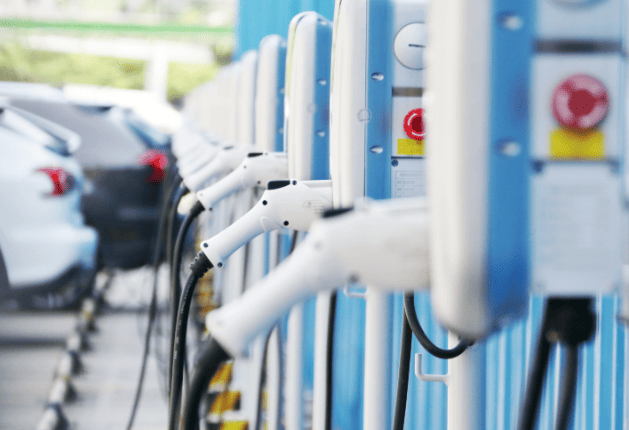
Once the session has ended and the charger has stopped supplying power, press the release button on the connector (if available) and gently remove it from your vehicle’s port. Carefully place the charger back in its holder on the charging unit, ensuring it is securely stored to avoid tripping hazards or damage to the cable. Properly returning the charger helps keep the station tidy and functional for the next user.
Paying for the Session
Payment is typically automatic. If you used an app or linked payment method, the amount will be charged based on the energy consumed or time spent charging. If you used an RFID card, you may need to tap again to complete the transaction. Most networks provide a receipt via email or the app. Be aware that some stations may have additional fees, such as idle fees if your vehicle remains connected after charging is complete, so it’s important to move your vehicle promptly.
Leaving the Charging Station
Once you have unplugged and paid, turn on your car and carefully leave the parking space. If the charging station is in a paid parking area, make sure you follow any parking payment regulations to avoid fines. Lastly, proceed with your trip knowing that your car is powered and ready to go. Using EV charging stations is an easy process that gets easier with practice. By following these steps, you can guarantee a seamless, effective, and safe charging experience each and every time.
Contact Us
Contact Us
Whatsapp/Mobile: +86 18019762979
Email: sales@lkmixer.com