How long does it take to charge a hummer ev?

How Long Does It Take to Charge a Hummer EV?
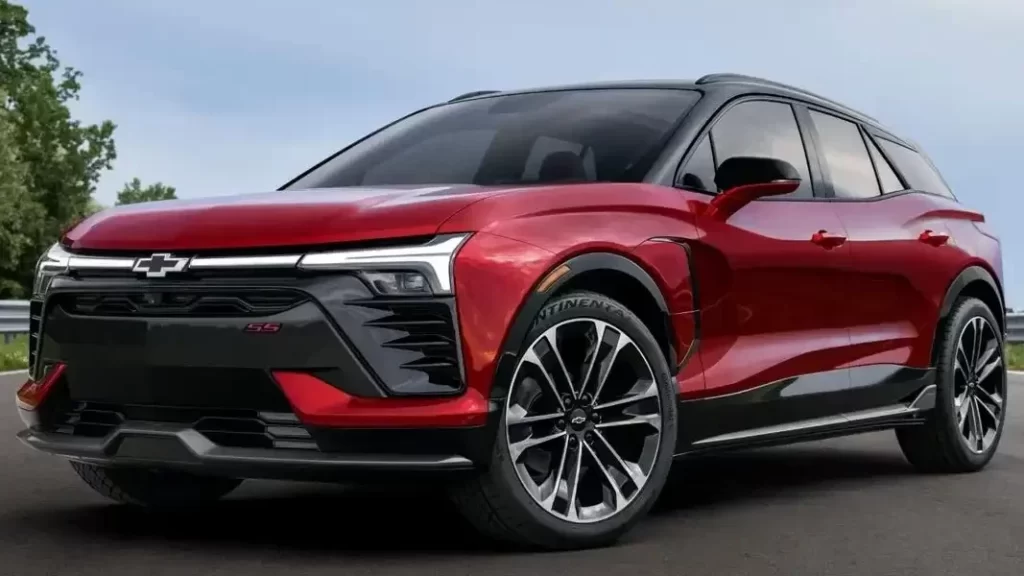
The enormous size of the battery, the kind of charger being used, and the current state of charge all play a major role in how long it takes to charge a GMC Hummer EV. A full charge from empty on a typical home charger could take well over a day, but with the fastest hardware, you can add roughly 100 miles of range in just 10 minutes. The hallmark of owning and using this ultra-high-performance electric vehicle, which has one of the biggest battery packs ever installed in a production car, is the vast difference in charging times.
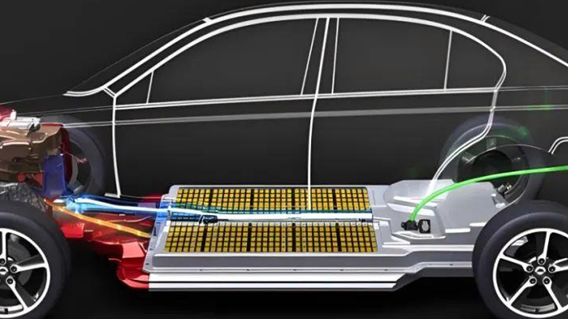
The battery’s enormous capacity is the single most significant factor affecting charge time. A 212.7 kWh Ultium battery pack powers the Hummer EV Edition 1. This is significantly larger than the battery in a Tesla Model S Plaid (~100 kWh), and it more than doubles the capacity of a typical long-range electric vehicle like a Tesla Model Y (~81 kWh). Similar to how a larger gas tank takes longer to fill up, a larger battery can store more energy, giving it an amazing range, but it also takes longer to fill up. An average American home could be powered for almost a week with the energy needed to charge this battery from 0% to 100%. This sheer volume of energy is the root cause behind both its impressively fast DC charging capabilities and its painfully slow AC charging times.
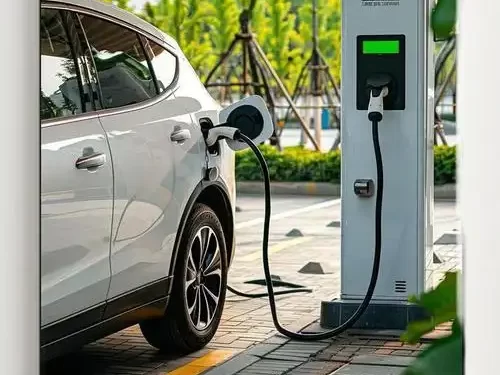
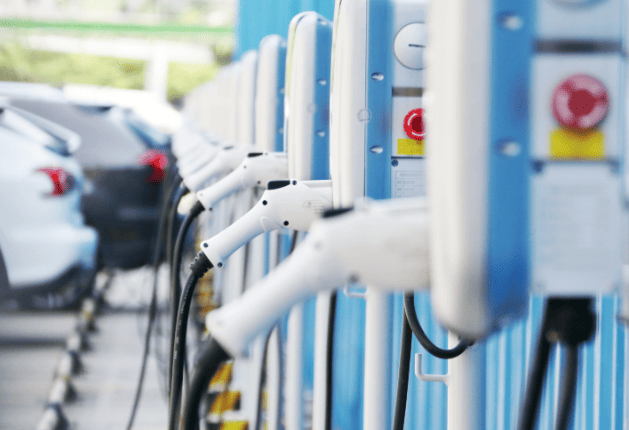
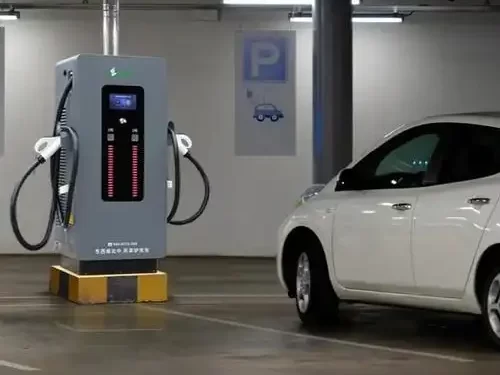
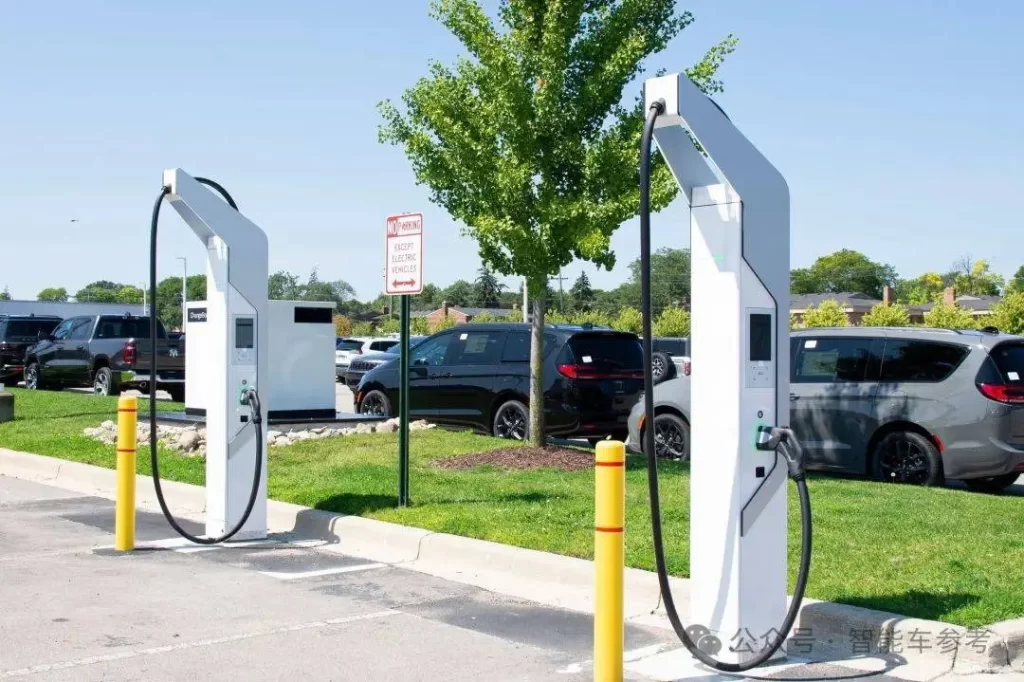
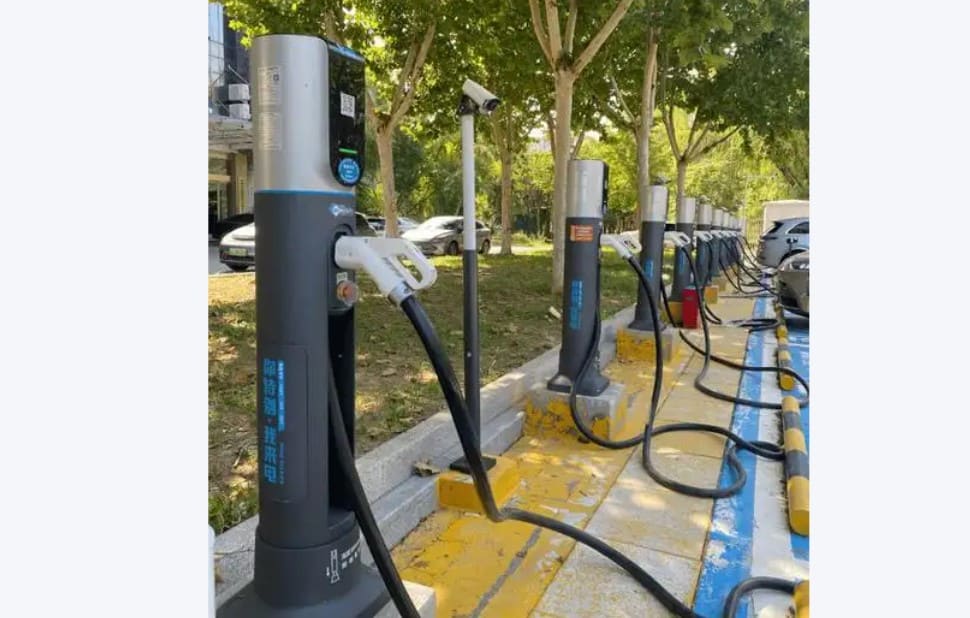
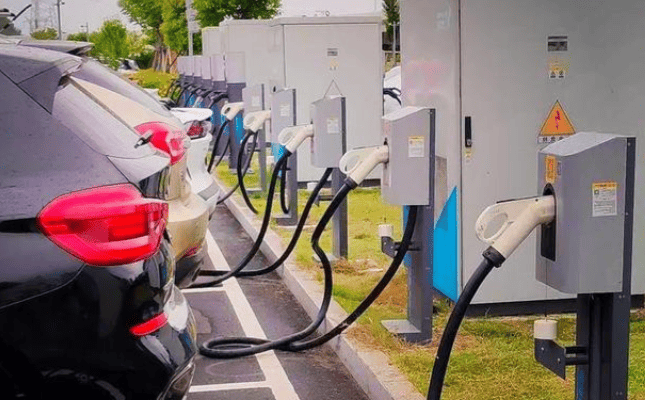
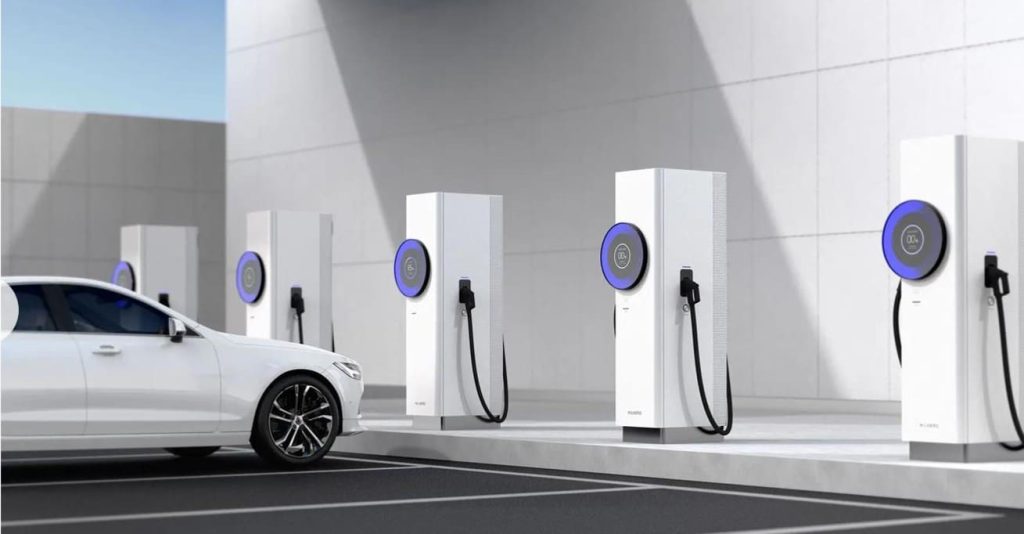
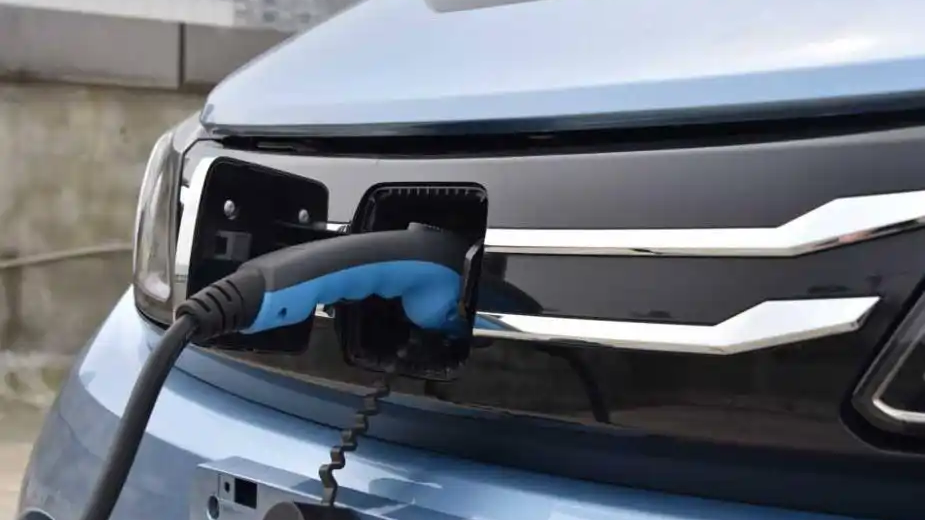
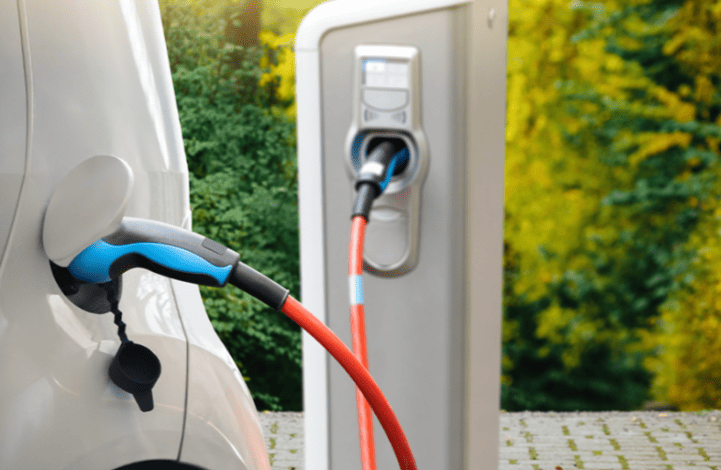
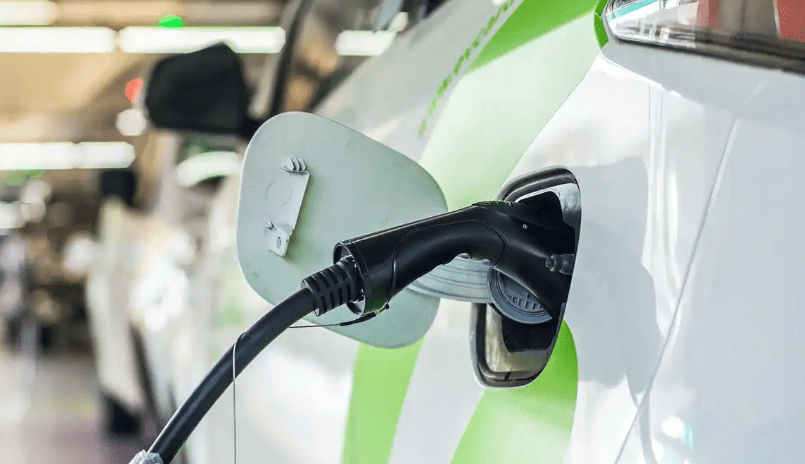
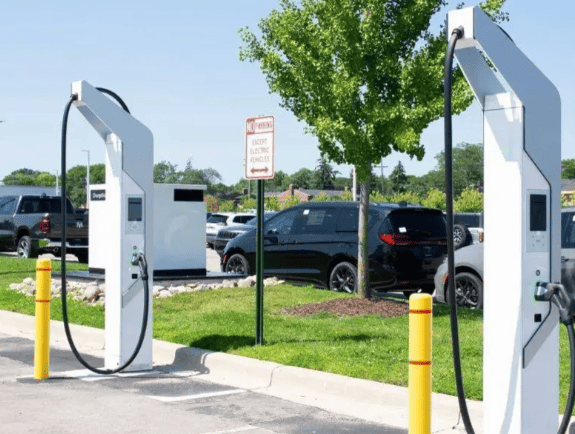
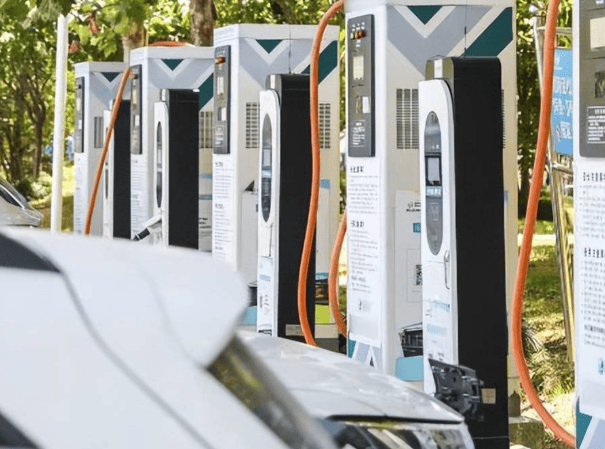
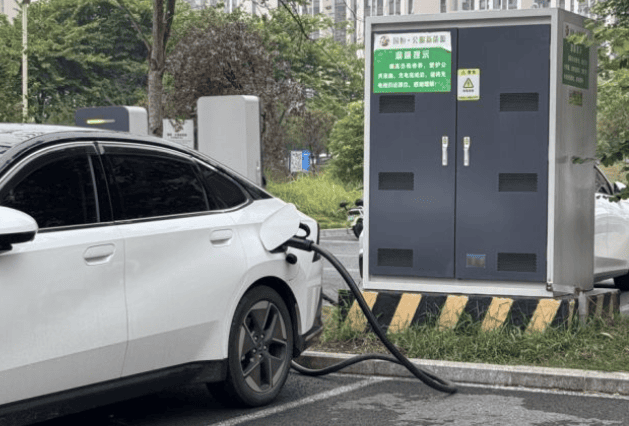
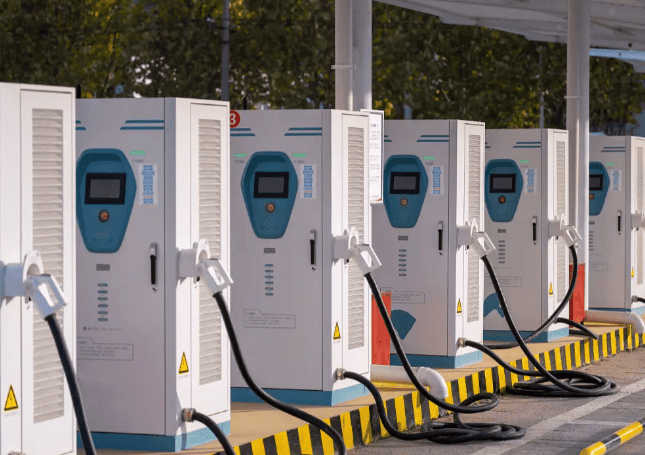
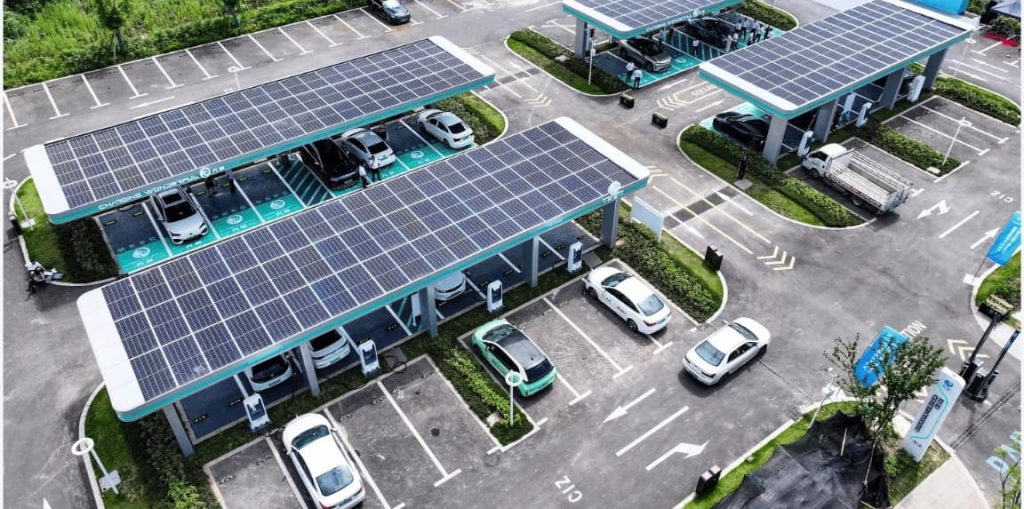
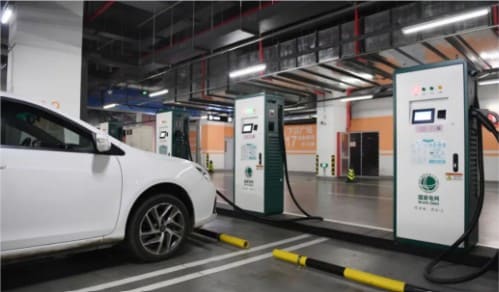
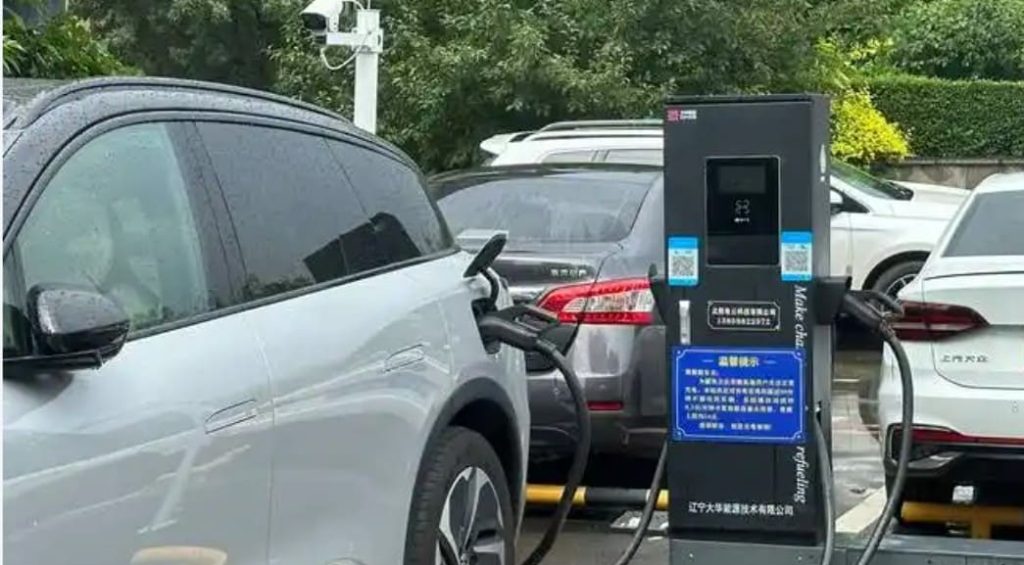
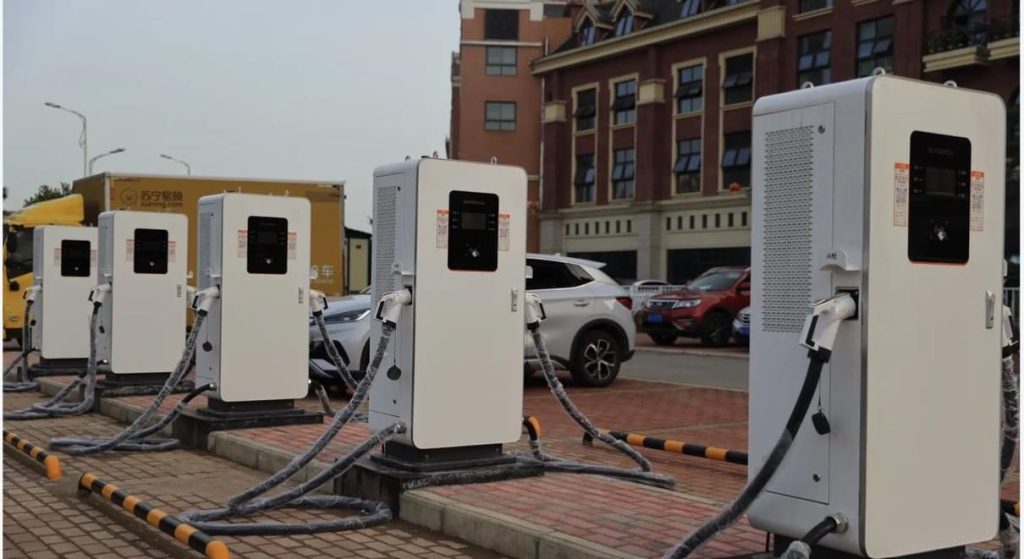
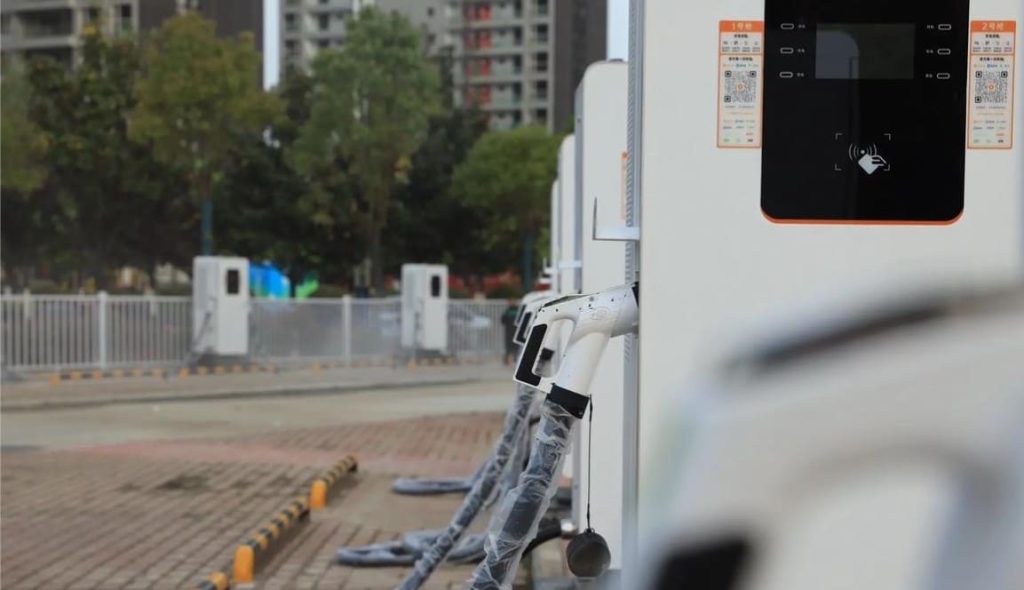
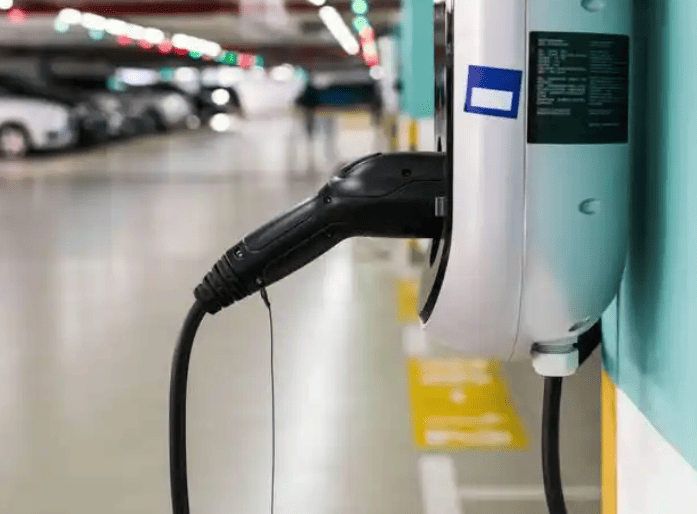
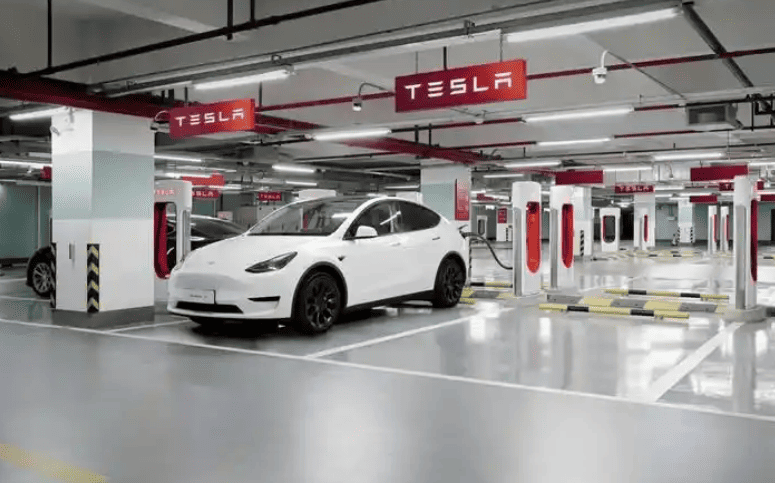
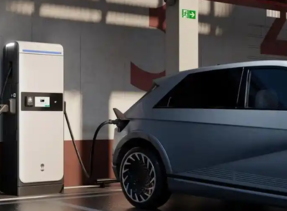
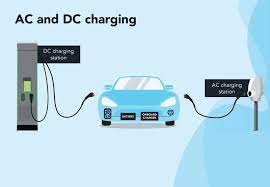
The Hummer EV is made to use DC fast chargers, especially those that can deliver ultra-high power, for the quickest charging experience. The car’s 800-volt architecture and “Charge 800” feature are its party trick. With the help of this system, the battery can electrically change its state during charging from 400V to 800V, allowing it to withstand exceptionally high power levels without the need for large, heavy parts to manage the resulting current. The Hummer EV can reach some of the fastest charging speeds available when plugged into a compatible 350 kW DC fast charger. According to GMC’s advertising, the car can regain its range of roughly 100 miles in just 10 minutes. A charging session from 10% to 80% state of charge—the typical sweet spot for fastest charging—can be accomplished in roughly 45 to 60 minutes. However, it’s crucial to understand that the charging rate is not linear. The battery charges fastest when it is at a lower state of charge. As it fills up, particularly after 80%, the vehicle’s battery management system will intentionally slow down the charging rate to protect the battery’s health and longevity, a process called tapering. Therefore, while getting to 80% might take less than an hour, the final 20% can take nearly as long again.
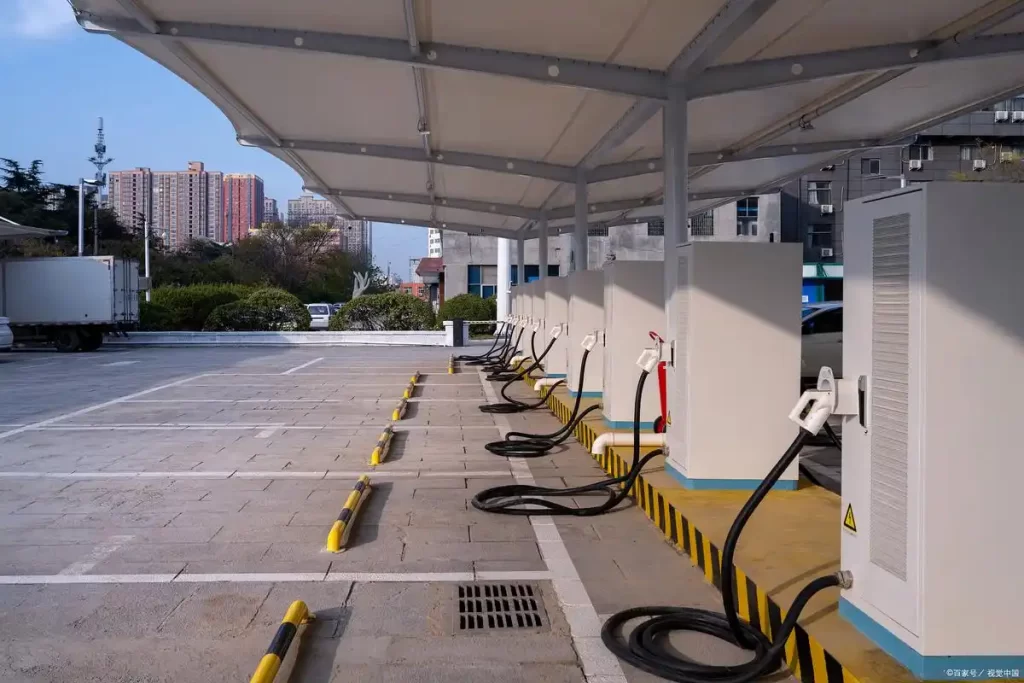
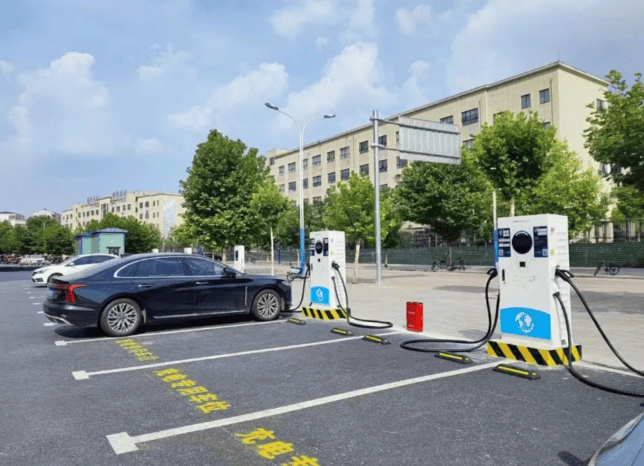
Experiences with DC fast charging vary. The power rating of the particular charger you are using has a significant impact on the actual charging speed that is attained. Many public DC fast chargers run at lower power levels, like 50 kW, 150 kW, or 200 kW, even though the Hummer EV can handle up to 350 kW. A 150 kW charger will still charge fairly quickly, but it will do so much more slowly than a 350 kW station. Additionally, outside variables like the battery’s temperature and the surrounding air temperature are important. A cold battery takes a lot longer to charge. An advanced battery preconditioning system is a feature of the Hummer EV. if you navigate to a DC fast charger using the built-in navigation, the car will actively heat or cool the battery to its ideal temperature to ensure it can accept the maximum possible charge rate upon arrival. If you just show up at a charger without preconditioning, especially in winter, your charging session could take significantly longer.
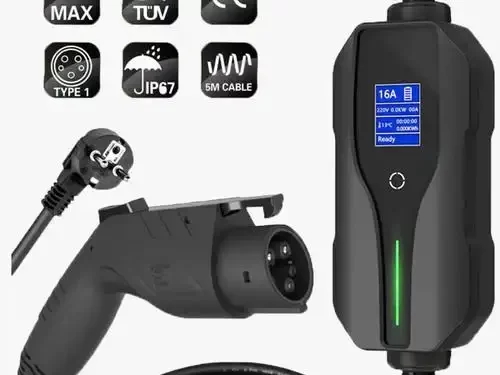
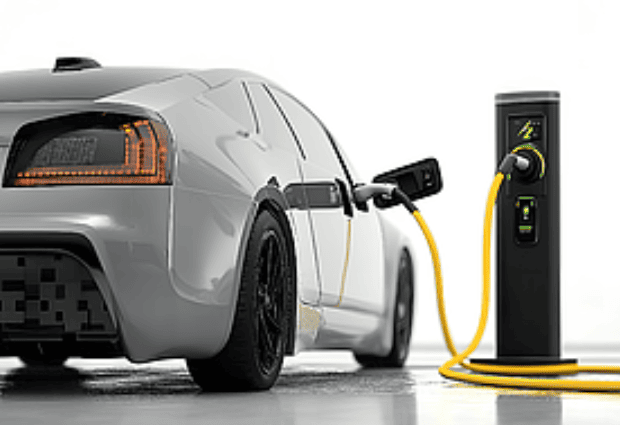
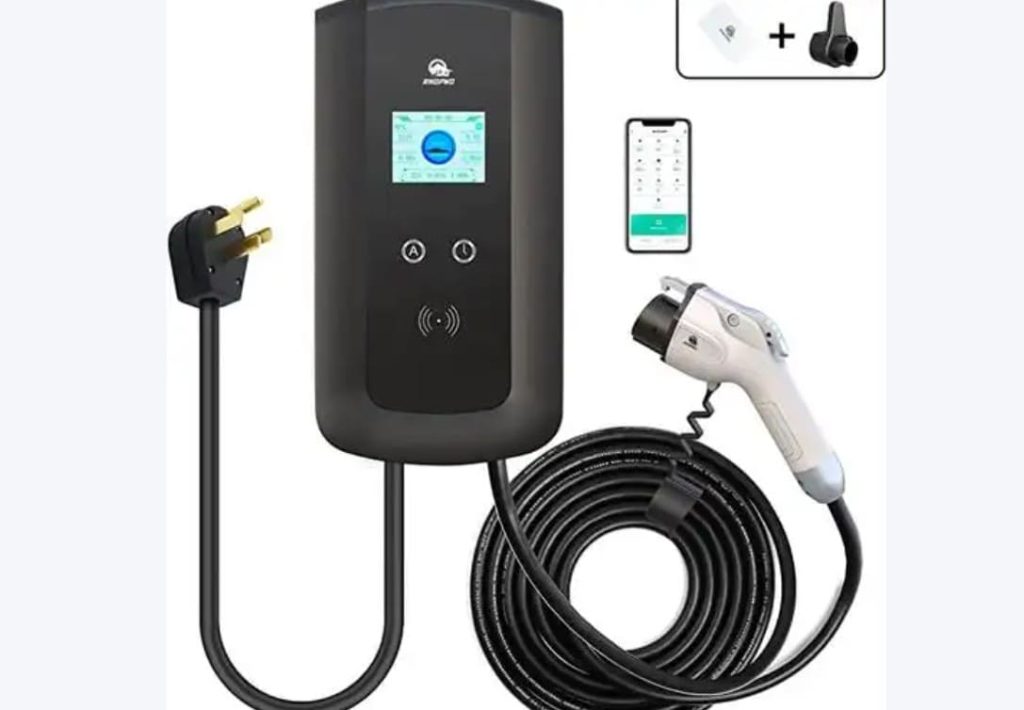
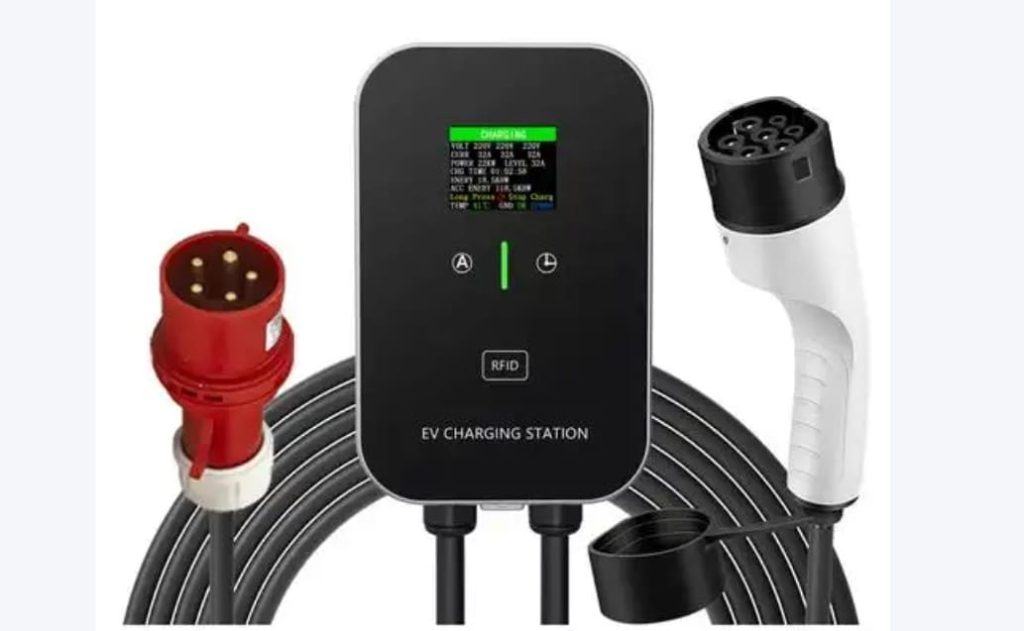
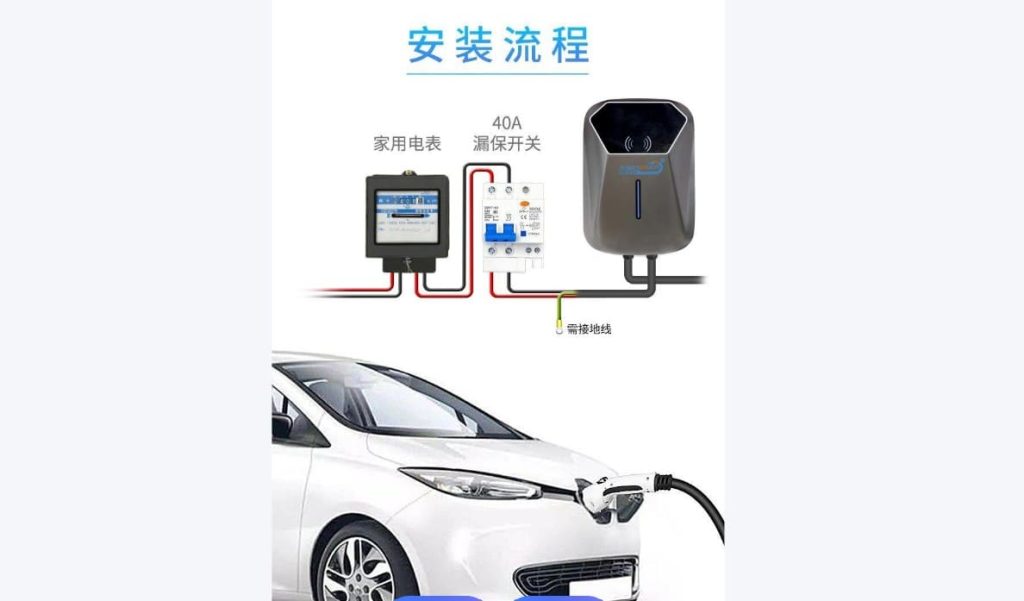
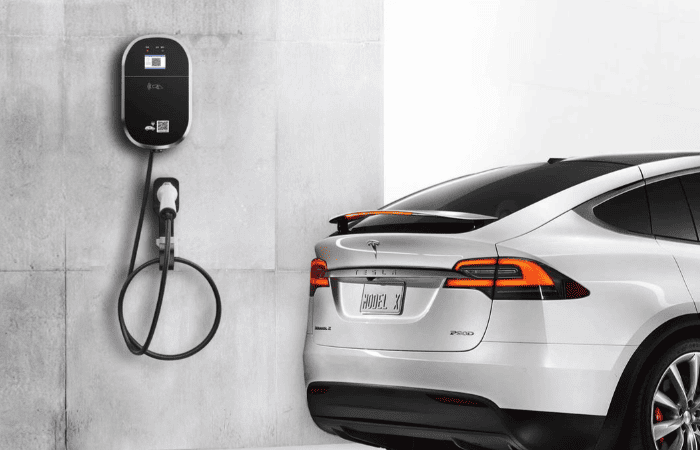
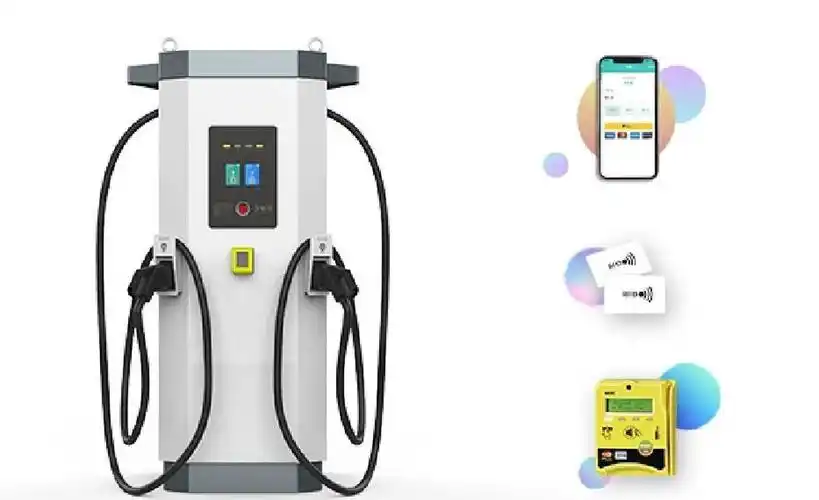
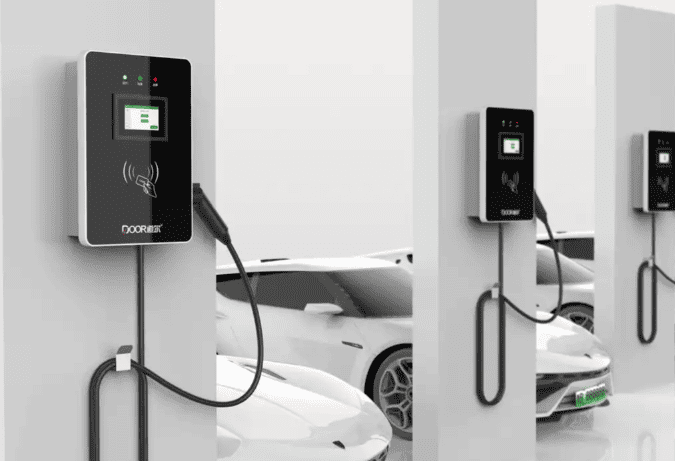
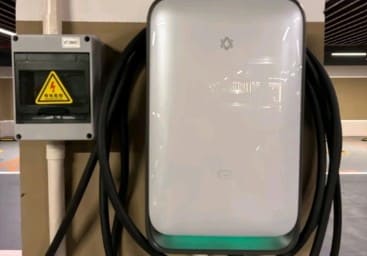
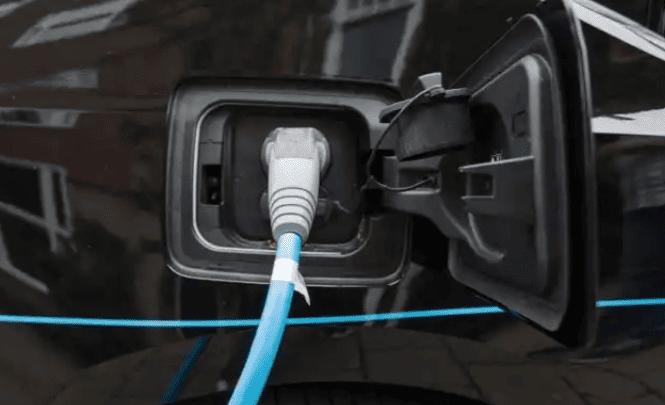
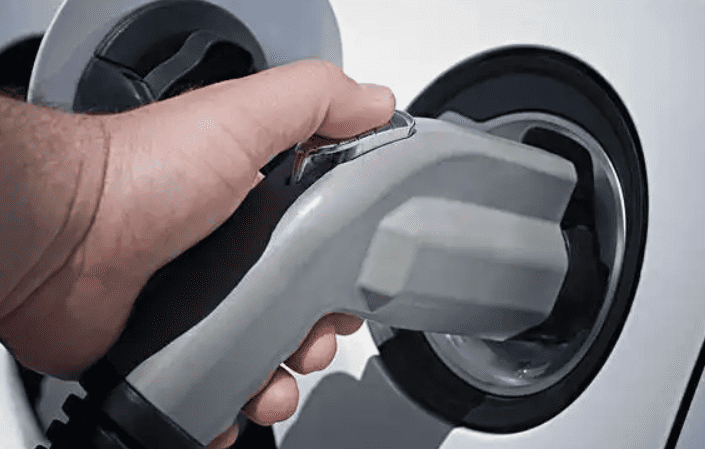
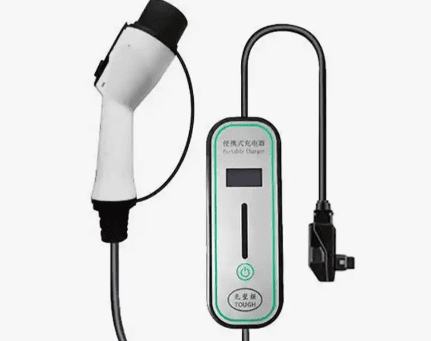
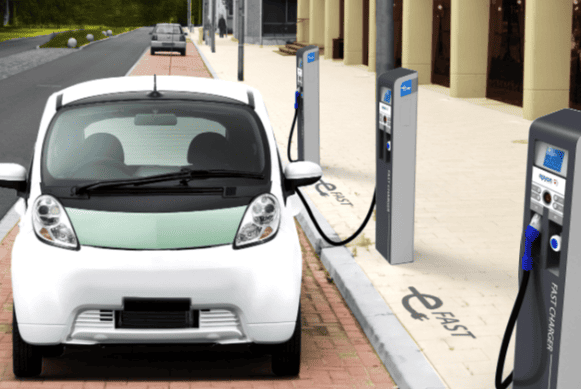
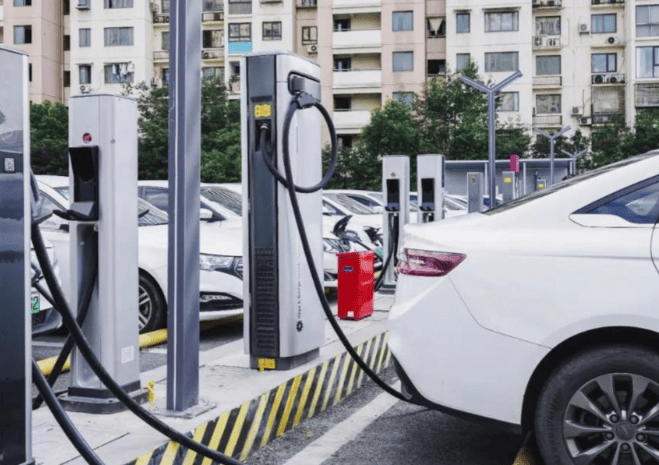
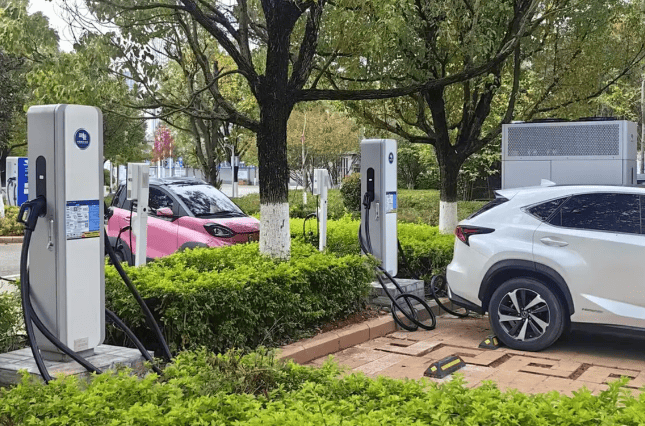
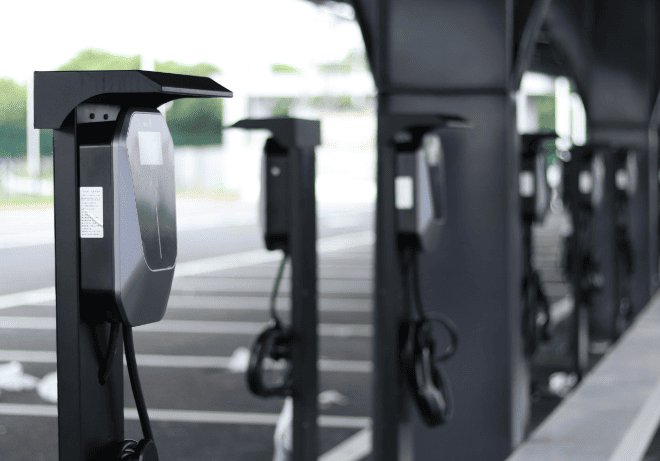
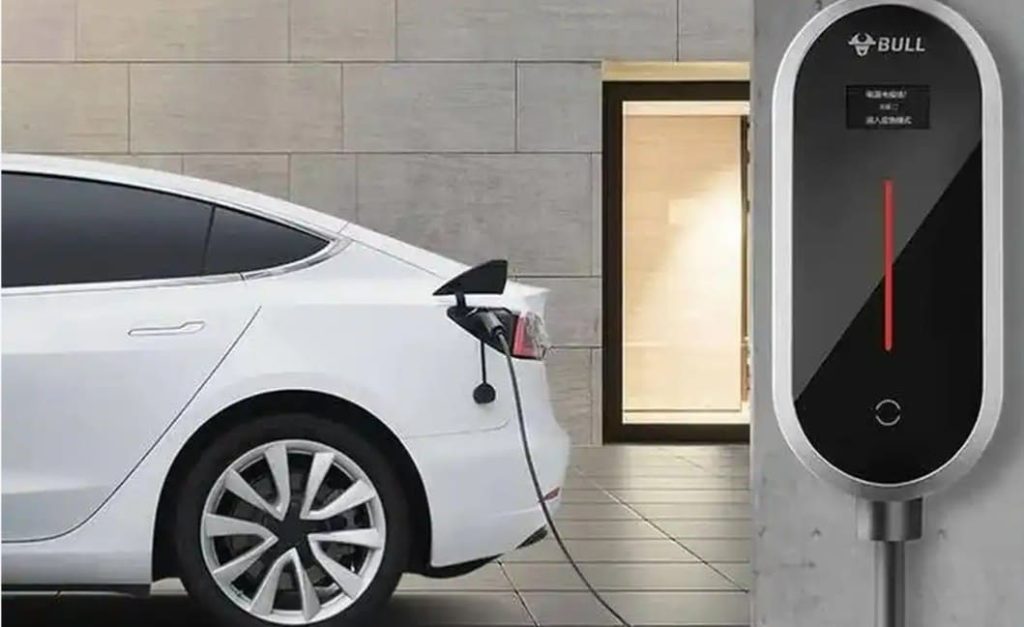
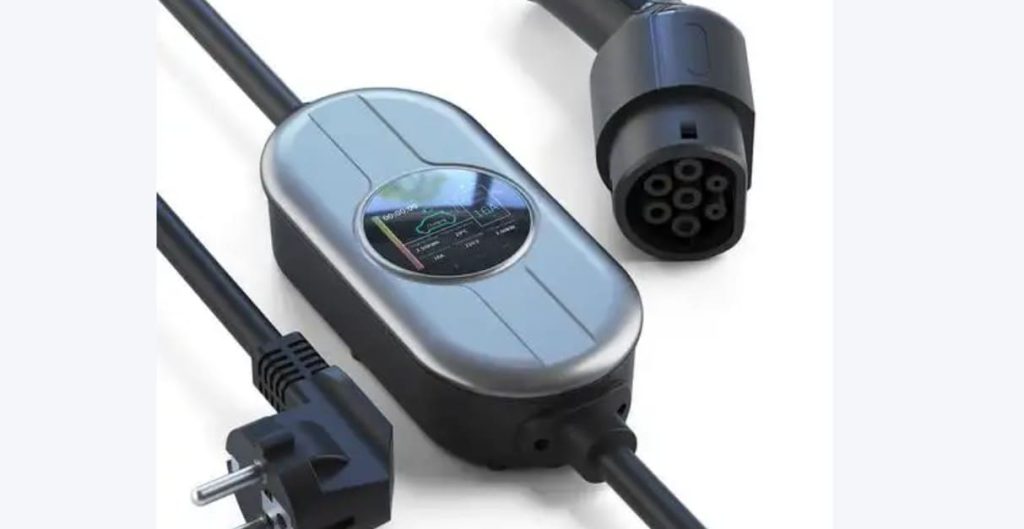
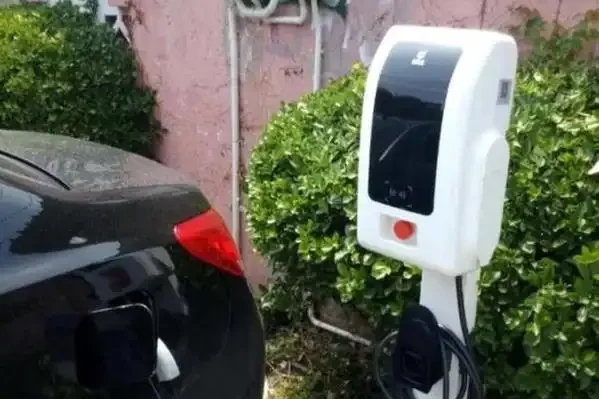
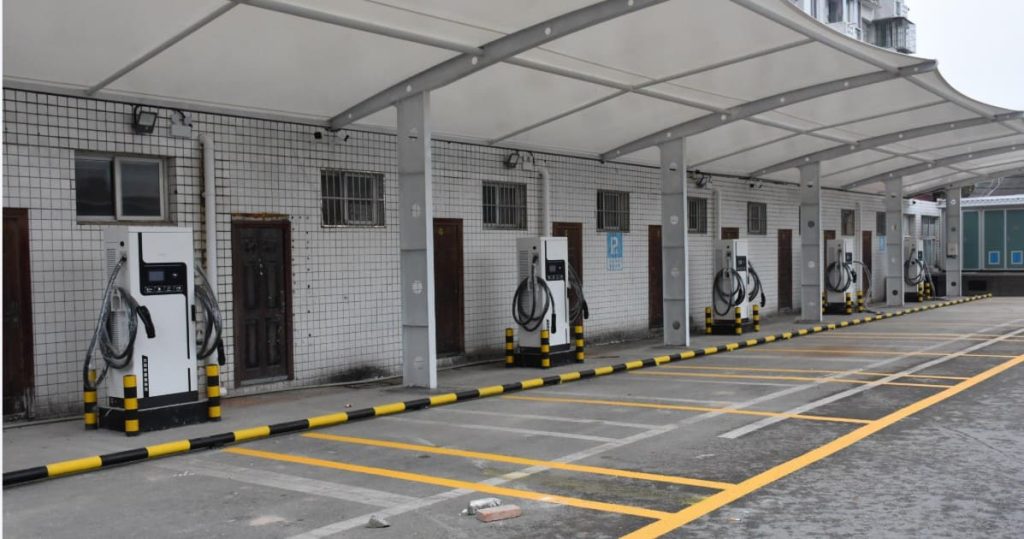
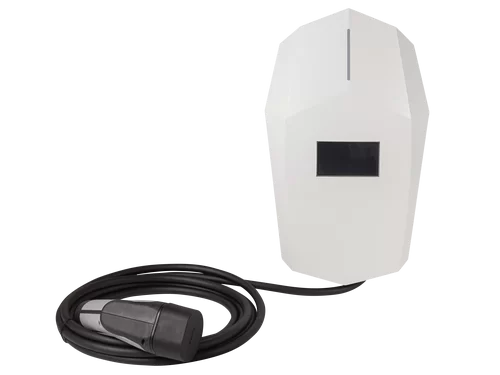
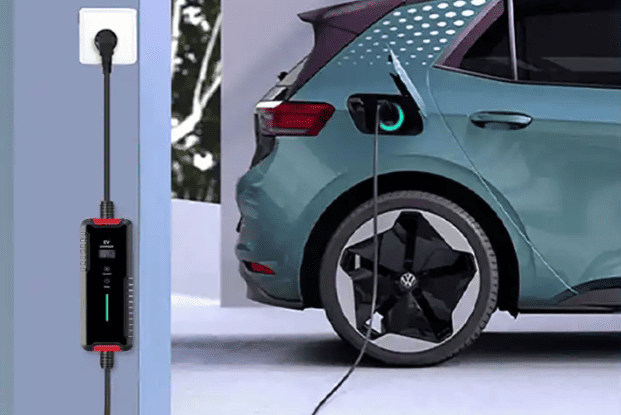
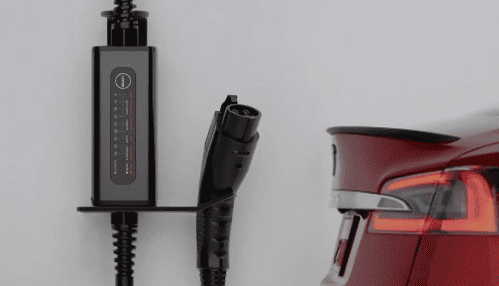
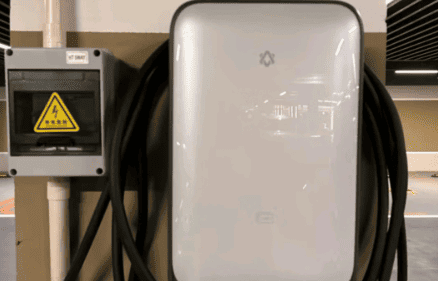
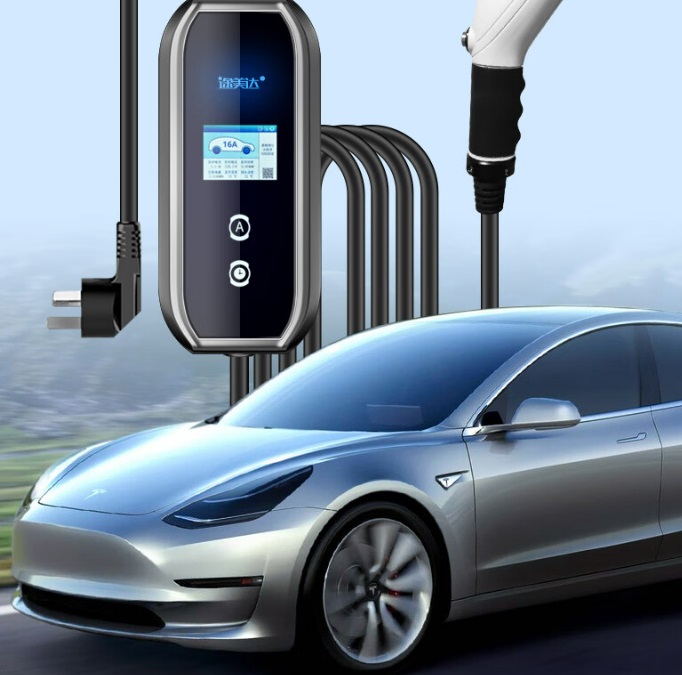
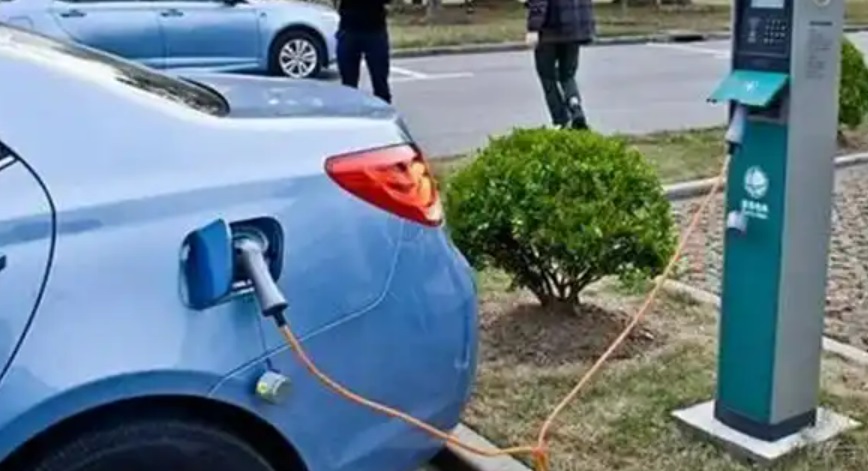
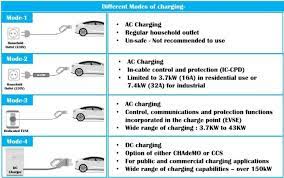
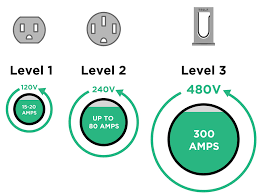
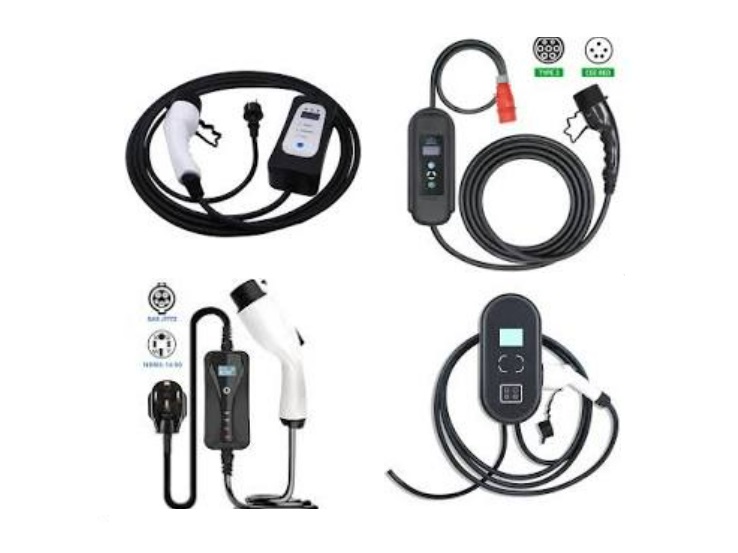
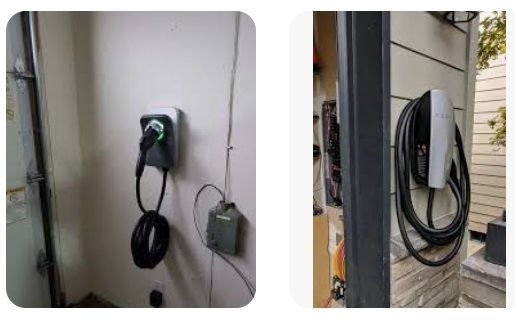
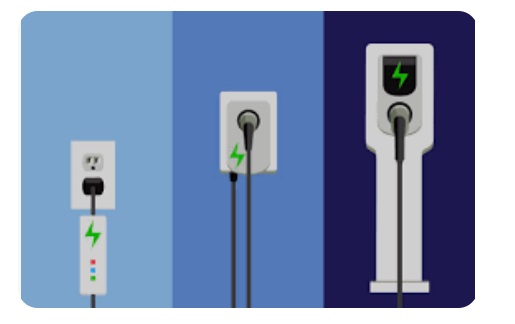
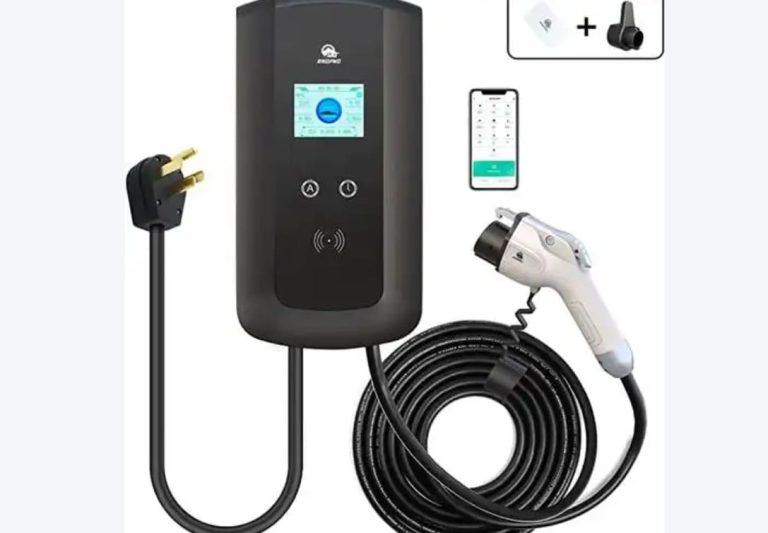
Level 2 AC charging is the most widely used technique for charging at home or at work. Here, the lengthy wait times are caused by the Hummer’s large battery capacity. The majority of public Level 2 chargers, such as those in parking garages or shopping malls, provide 6 kW to 11 kW of power. It takes several hours to add a significant amount of range to the Hummer EV at an 11 kW rate. It might take you at least 15 to 20 hours to charge from 0% to 100%. Installing a strong Level 2 charger at home can help the situation. If the optional dual charging module is installed, the Hummer EV’s onboard charger can handle up to 19.2 kW of AC power. To support this, a homeowner must install a powerful 100-amp dedicated circuit. Even at this maximum AC rate of 19.2 kW, a full charge from empty would still take approximately 11-12 hours—essentially an entire overnight session. For most owners, this is the primary way they will charge the vehicle, topping it up each night rather than waiting for it to run empty.
To sum up, the GMC Hummer EV charging experience is a tale of extremes. When paired with a strong enough DC fast charger, its sophisticated 800V architecture makes it one of the fastest-charging cars on the planet, enabling lengthy road trips with brief 30- to 45-minute stops. But because of its enormous battery capacity, charging at home—even with a strong AC station—takes all night. Therefore, the best people to own a Hummer EV are those who can access high-power DC charging for long trips once in a while and who mostly depend on overnight home charging to keep the car ready for daily use. A smooth and fulfilling ownership experience depends on your ability to comprehend this charging profile.
Contact Us
Contact Us
Whatsapp/Mobile: +86 18019762979
Email: sales@lkmixer.com