How much to install ev charger?
How much to install ev charger?
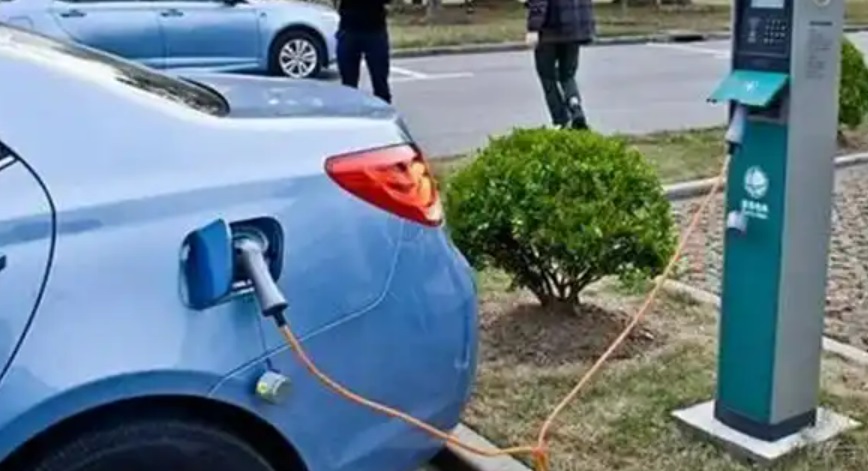
The type of charger selected and the particular installation site conditions are the main factors influencing the cost and time needed to install an electric vehicle (EV) charger at home. This main concept covers a lot of ground, from the hardware you buy to the intricacy of the electrical work your property requires. While more complicated situations can greatly raise the cost and project timeline, a simple installation can be reasonably quick and inexpensive.
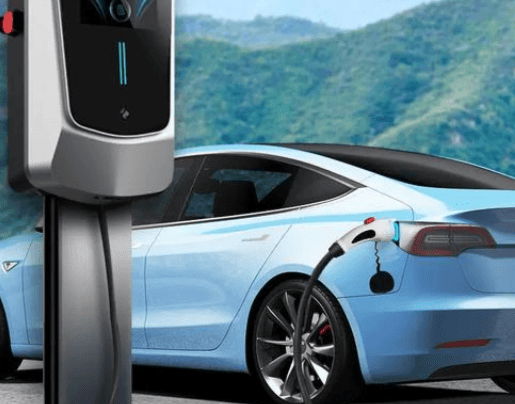
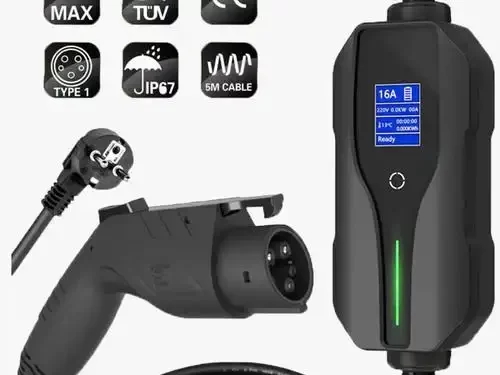
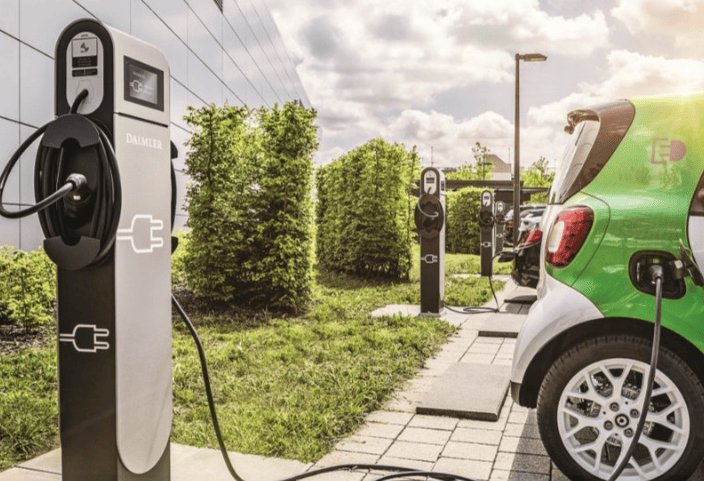
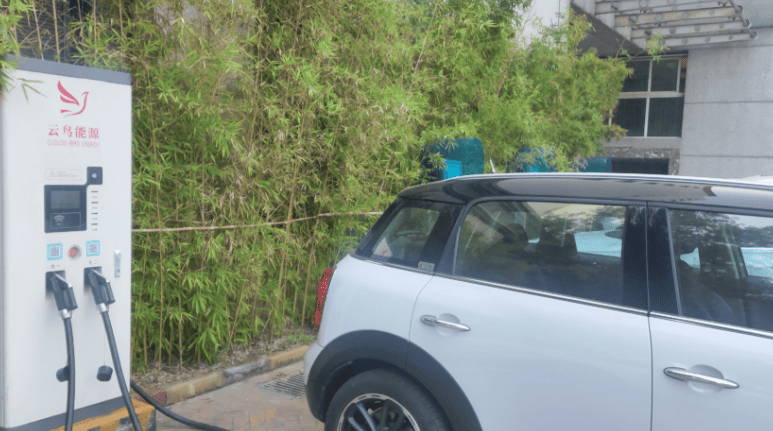
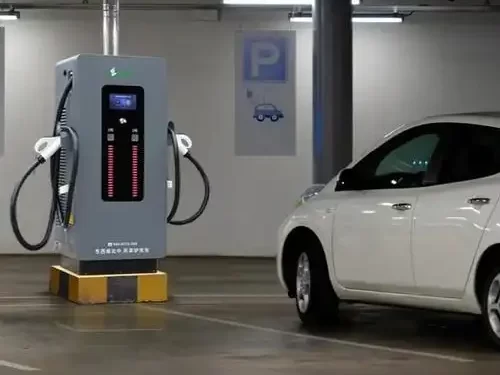
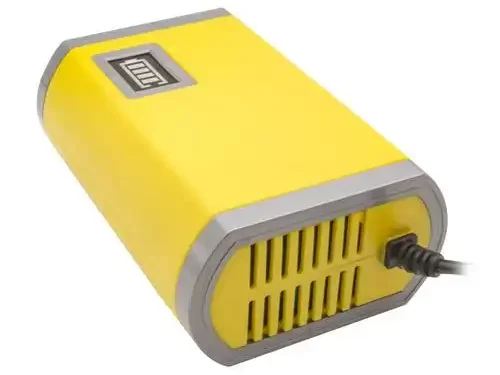
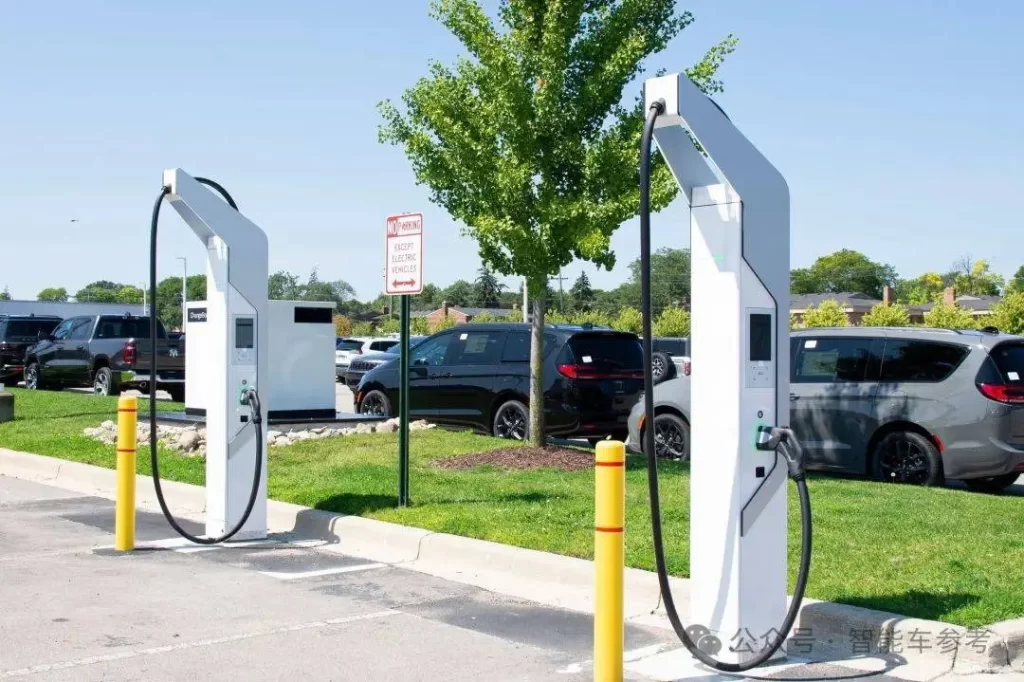
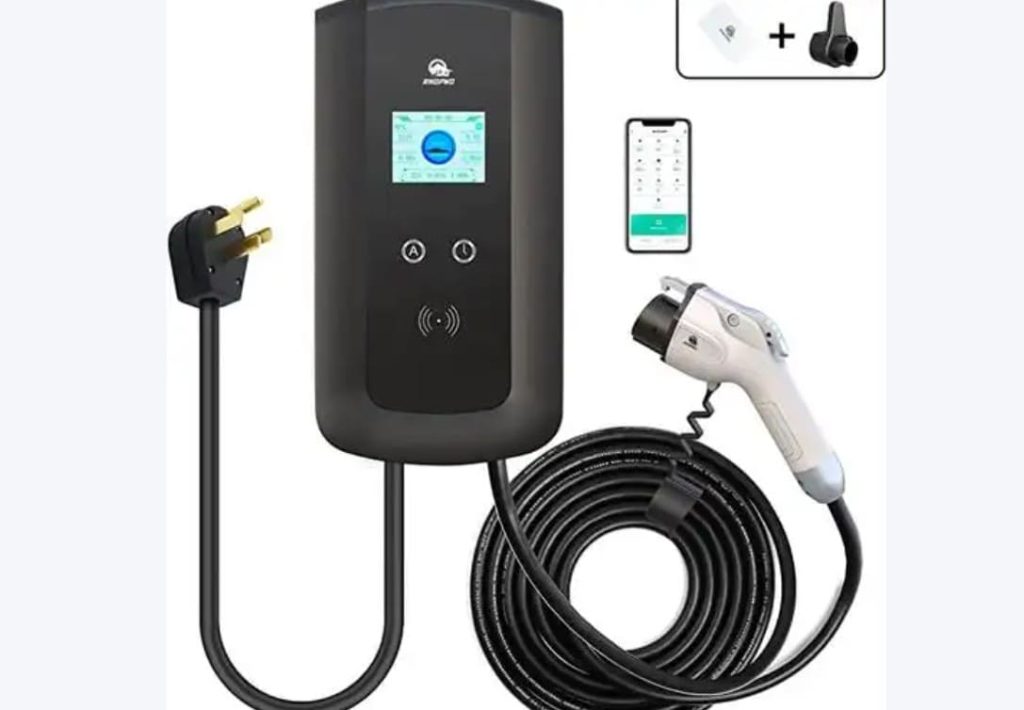
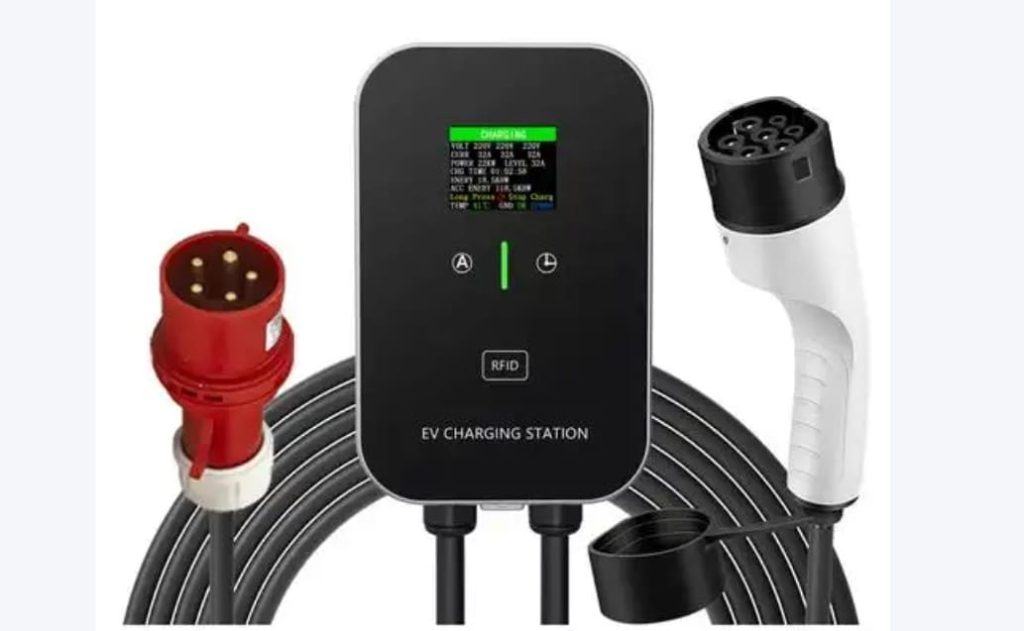
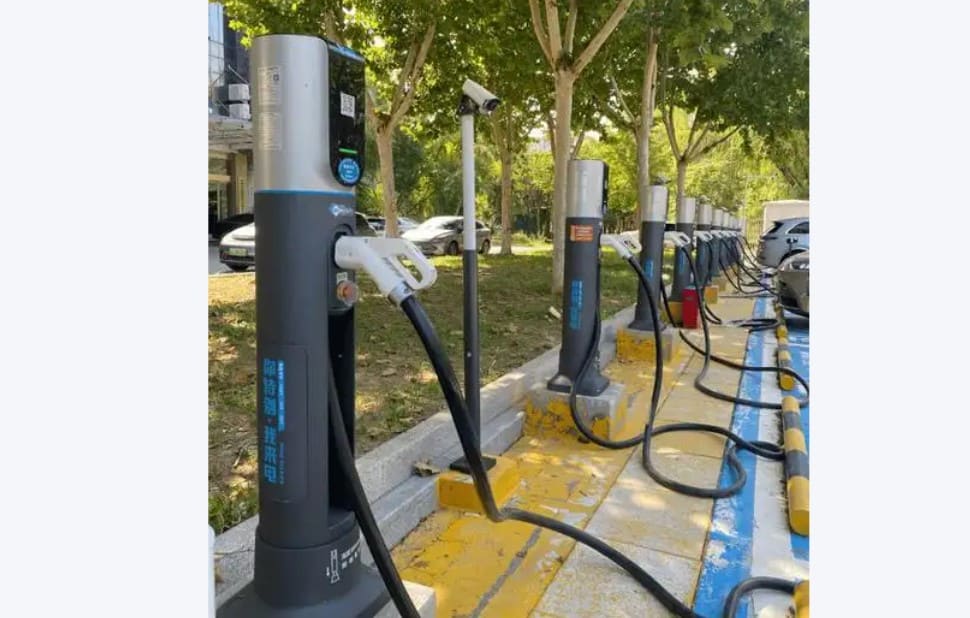
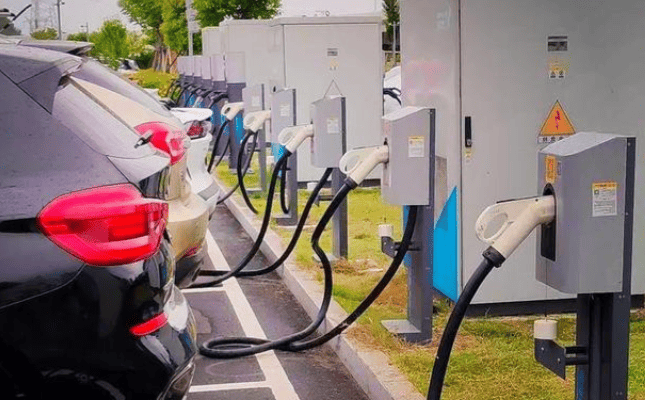
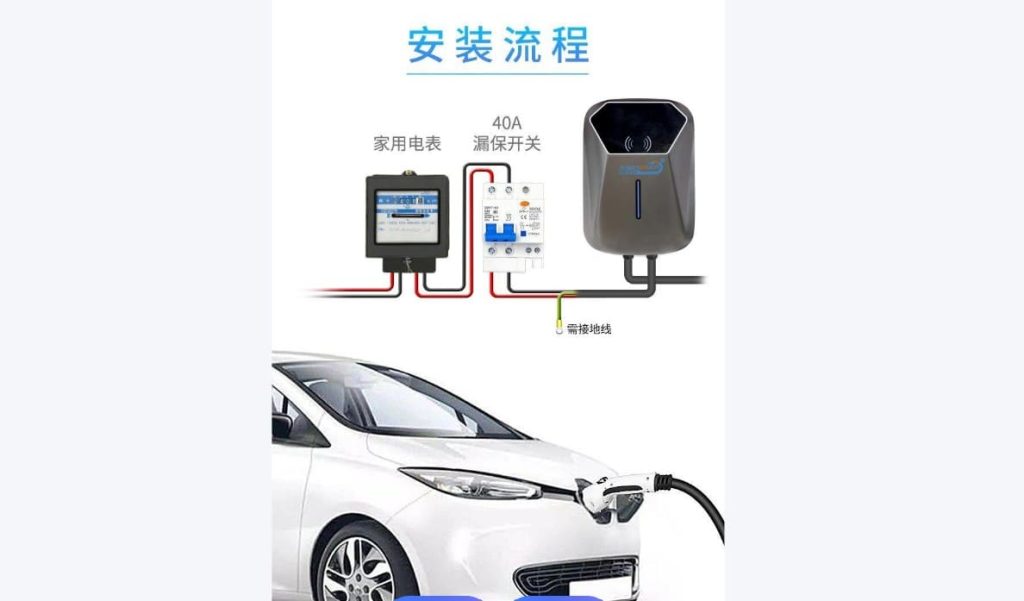
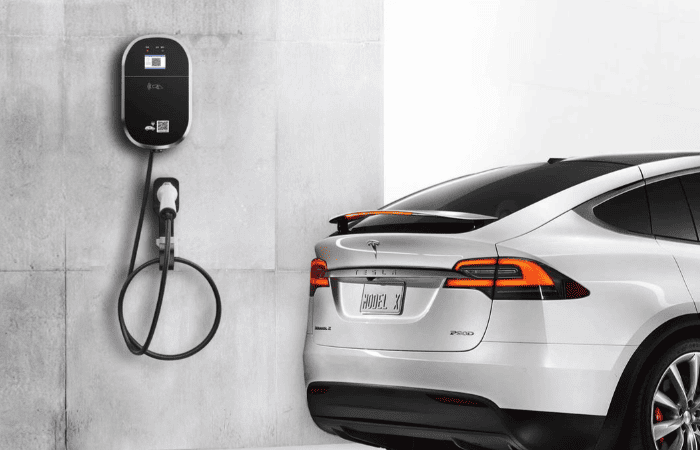
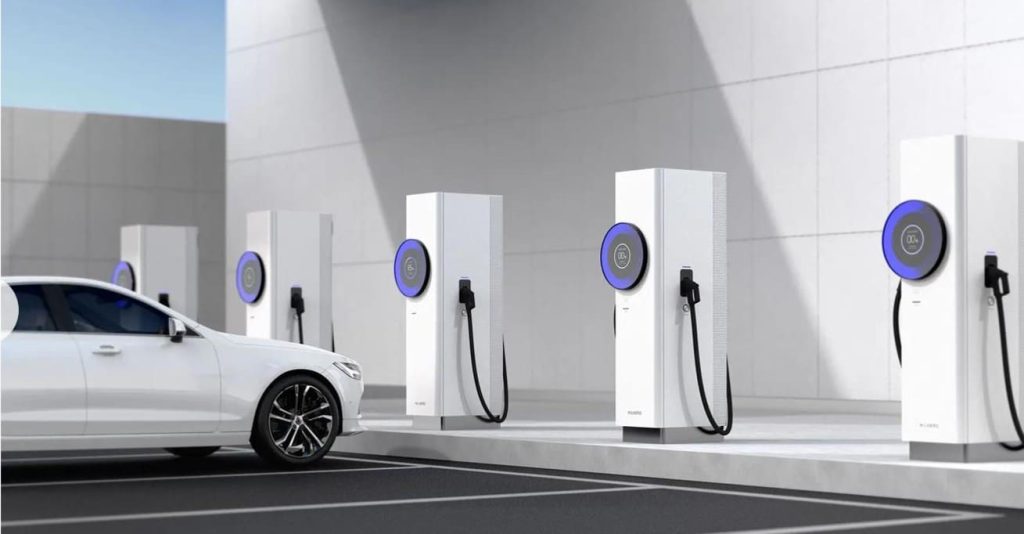
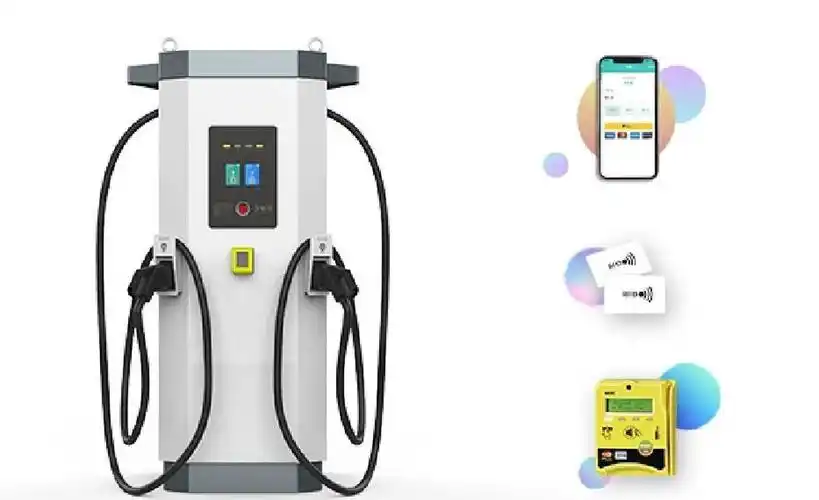
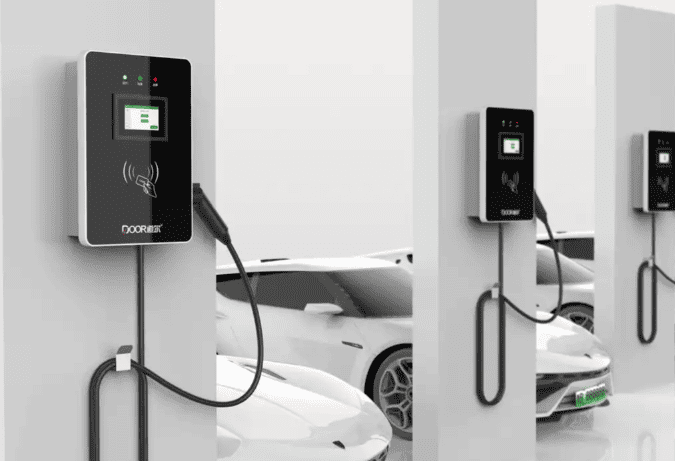
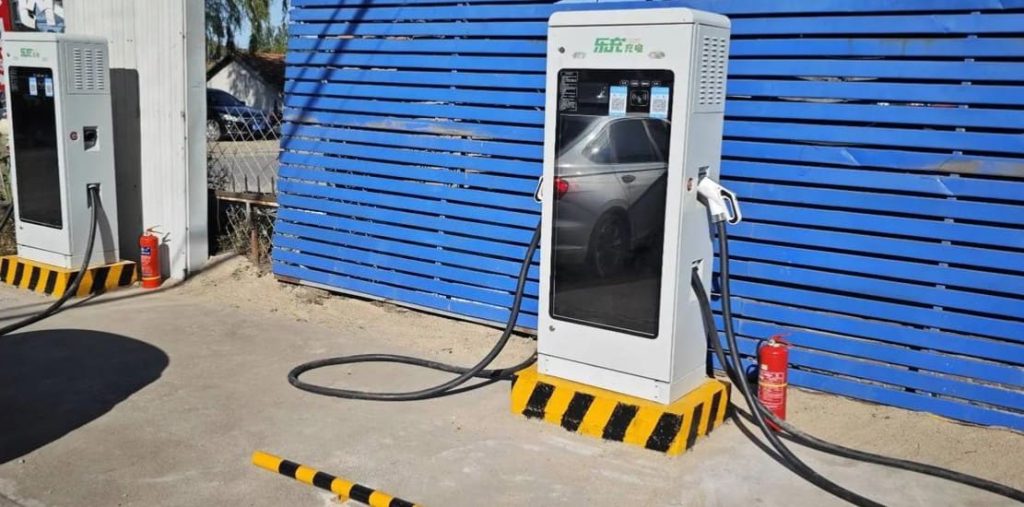
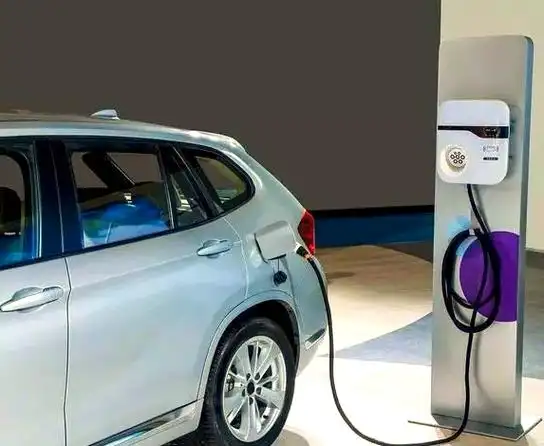
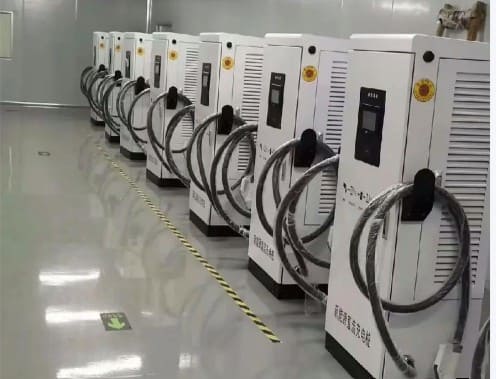
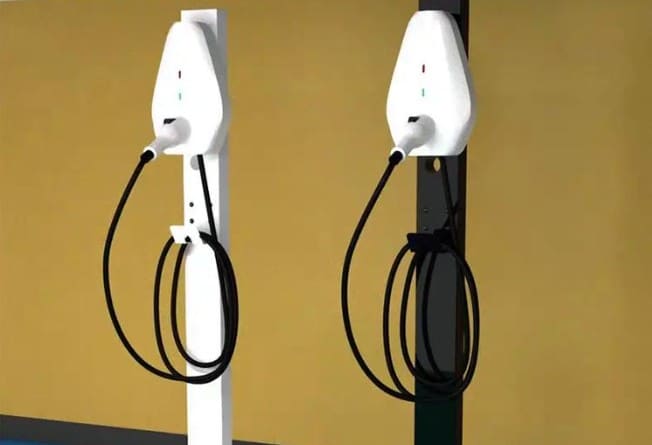
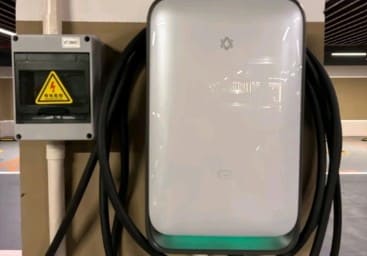
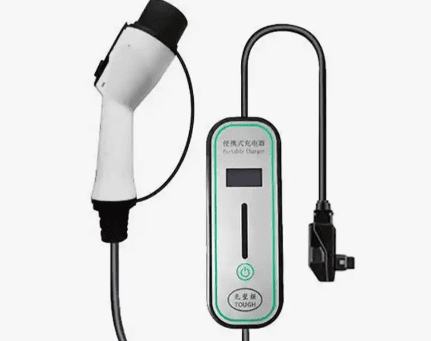
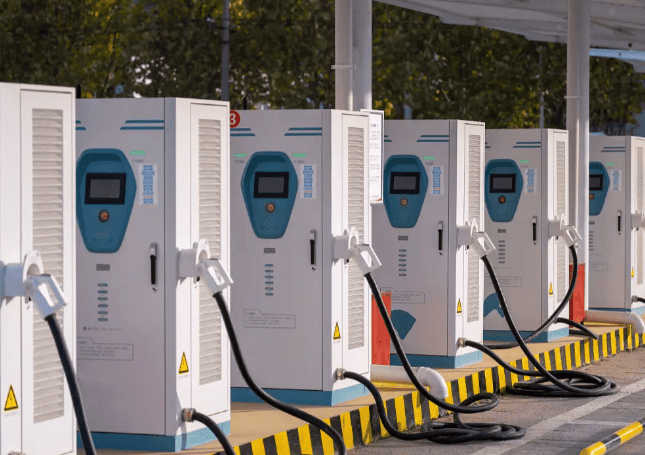
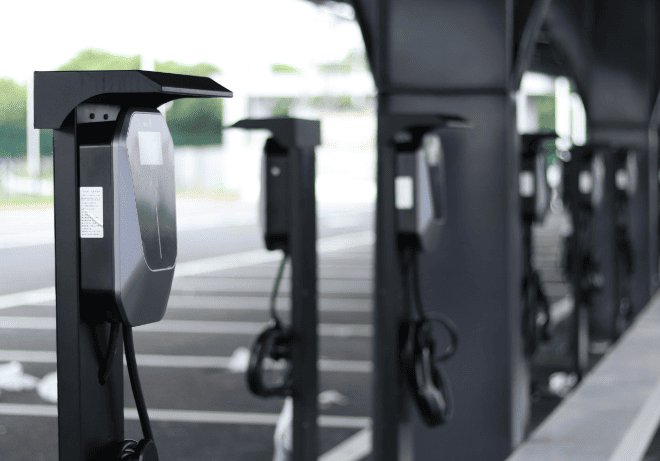
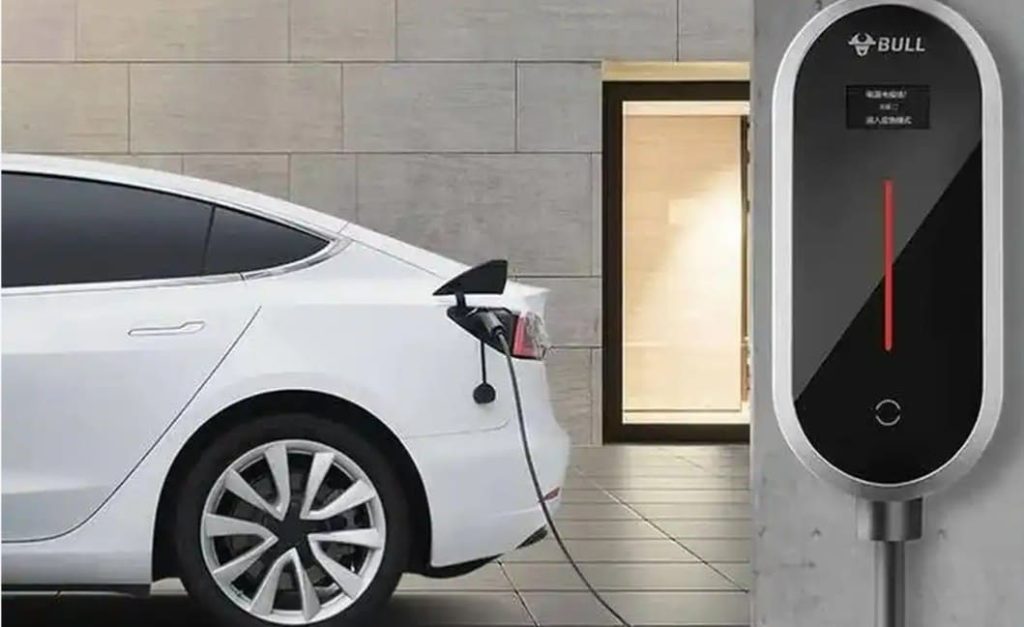
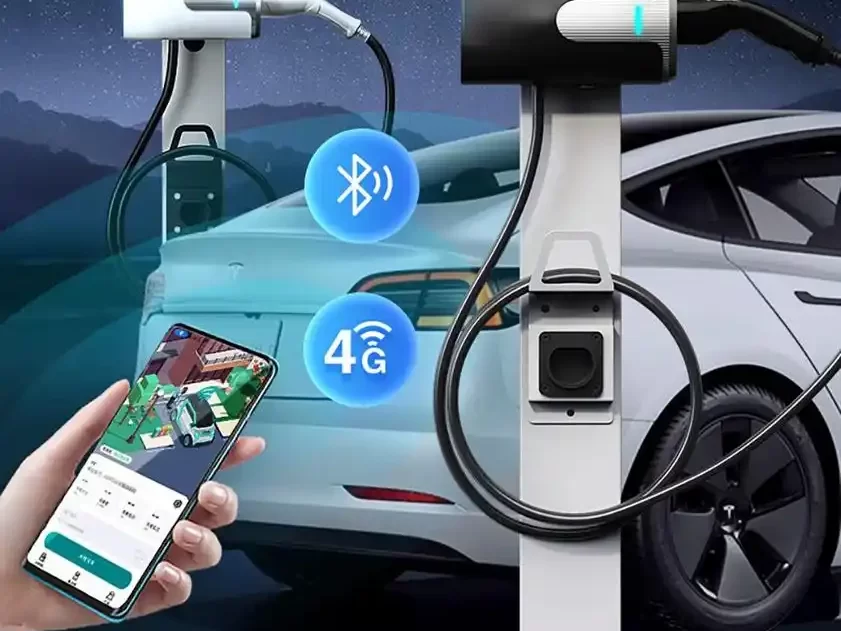
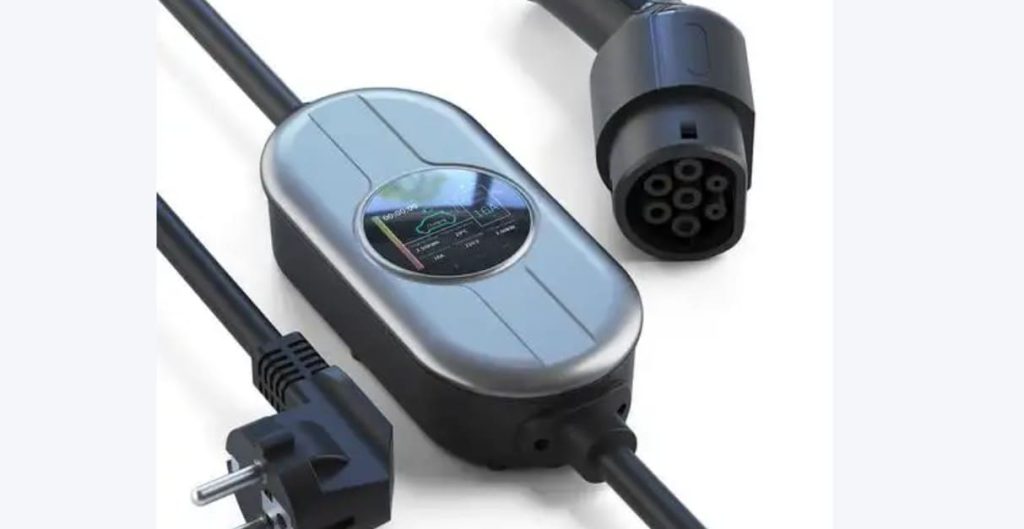
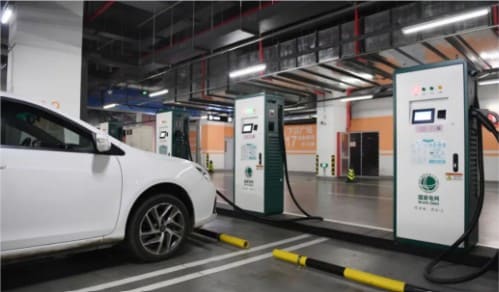
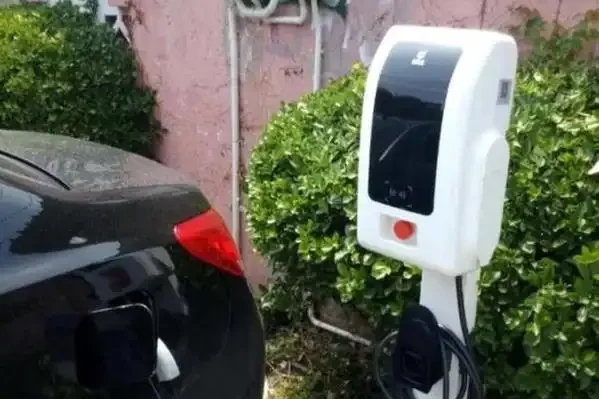
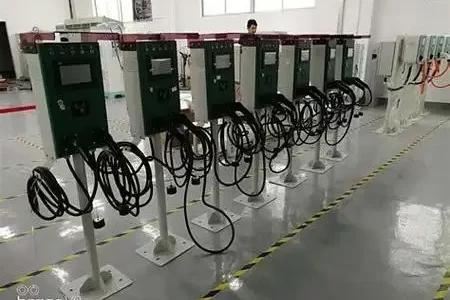
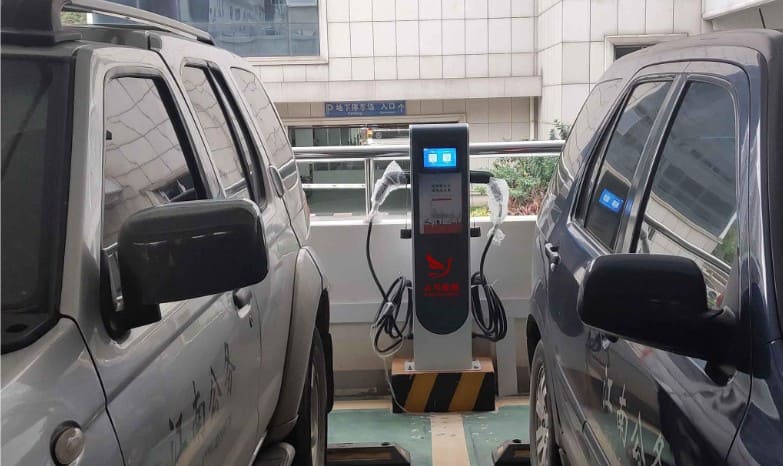
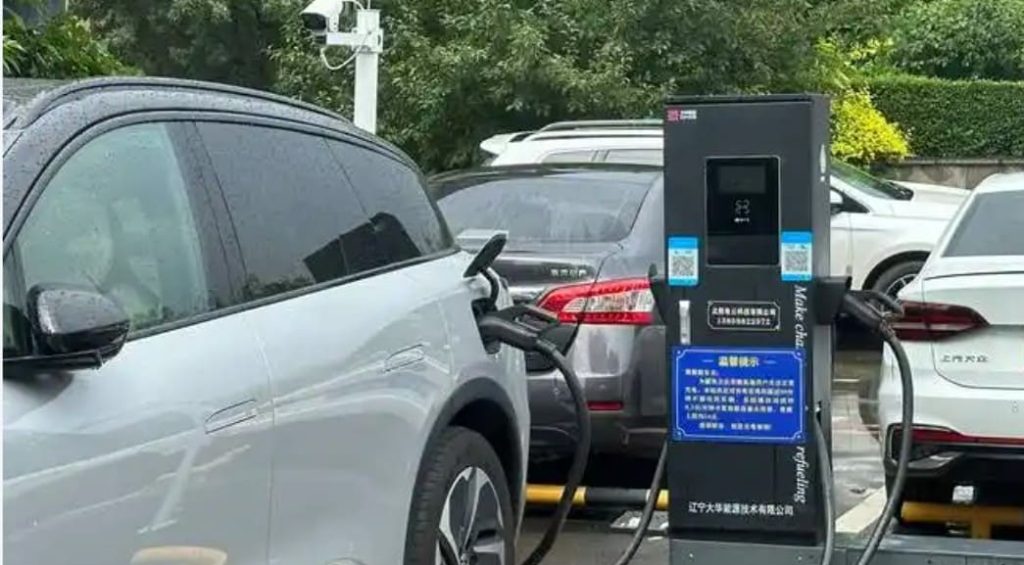
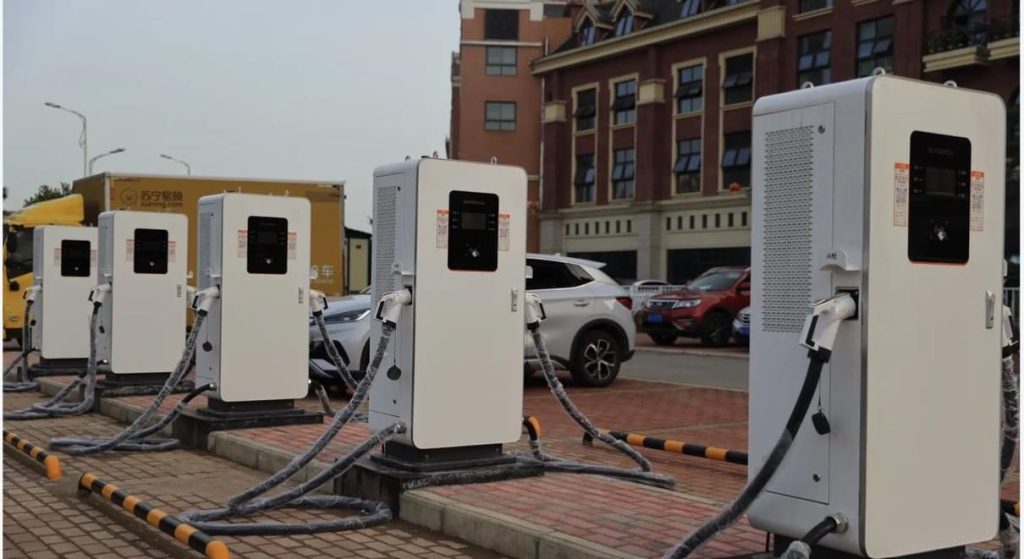
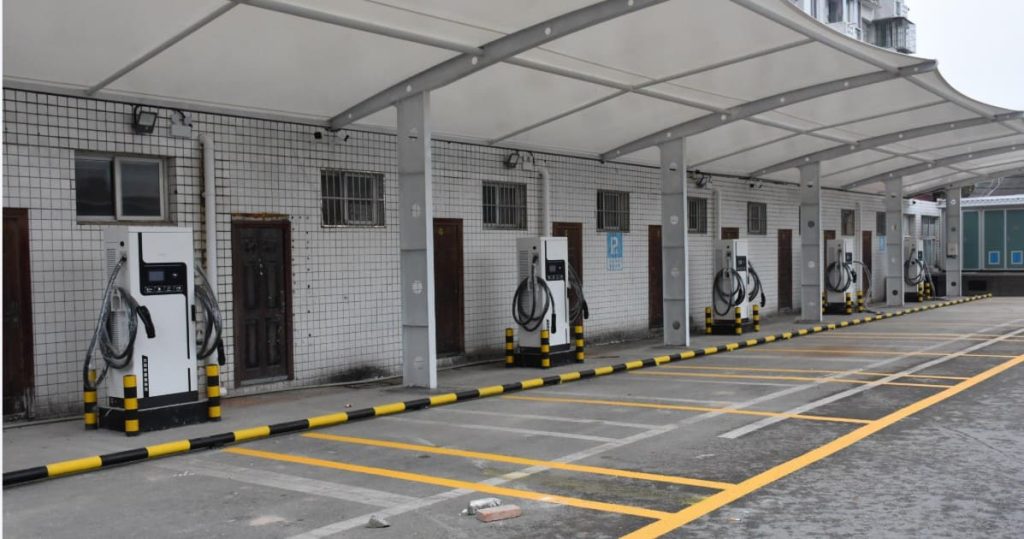
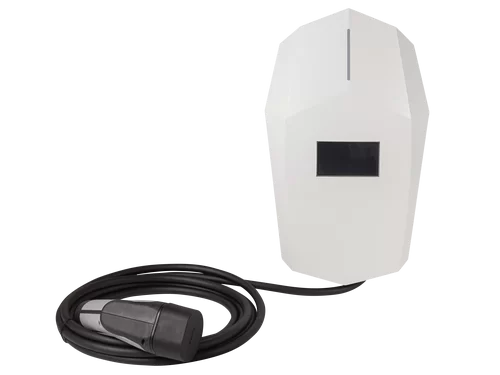
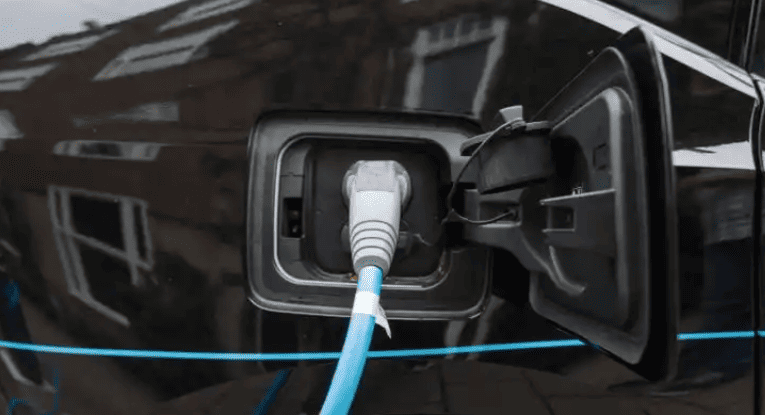
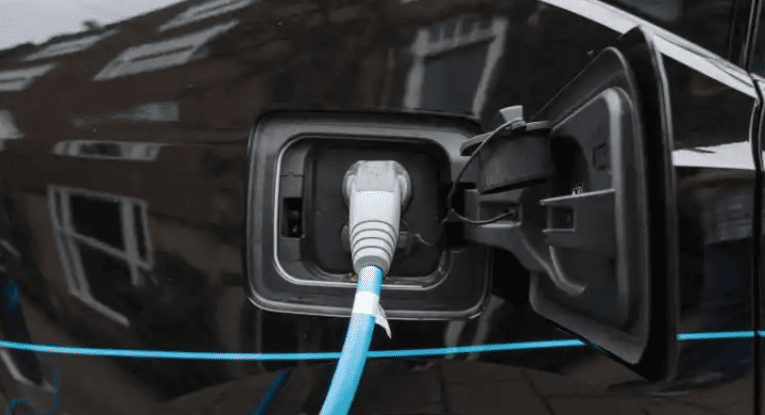
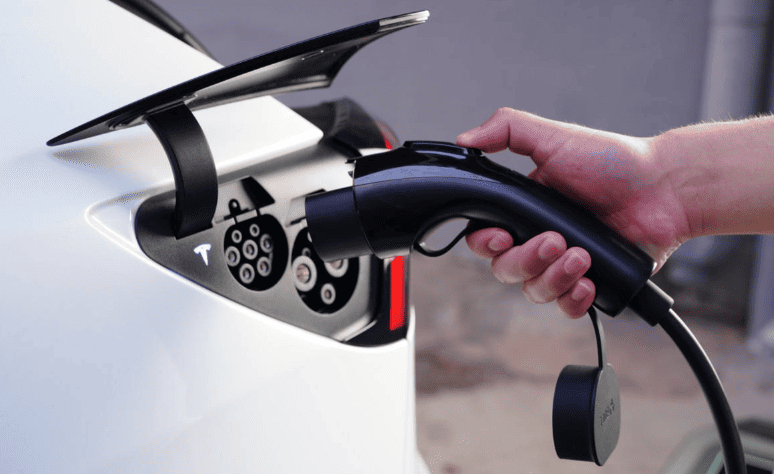
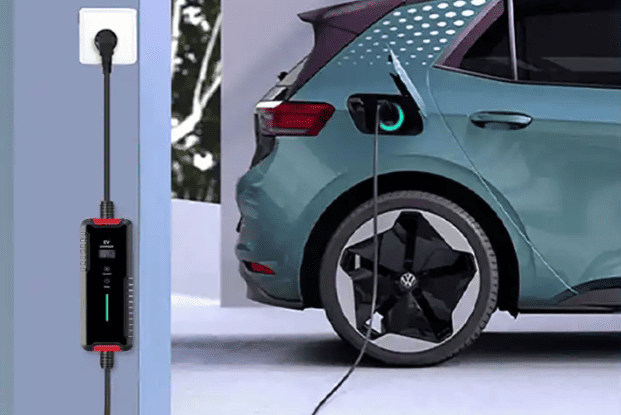
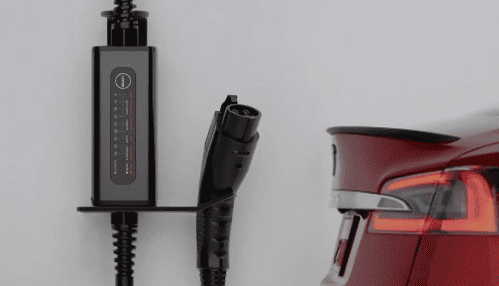
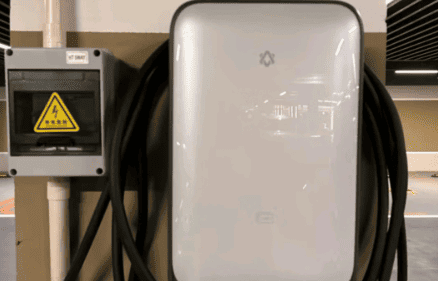
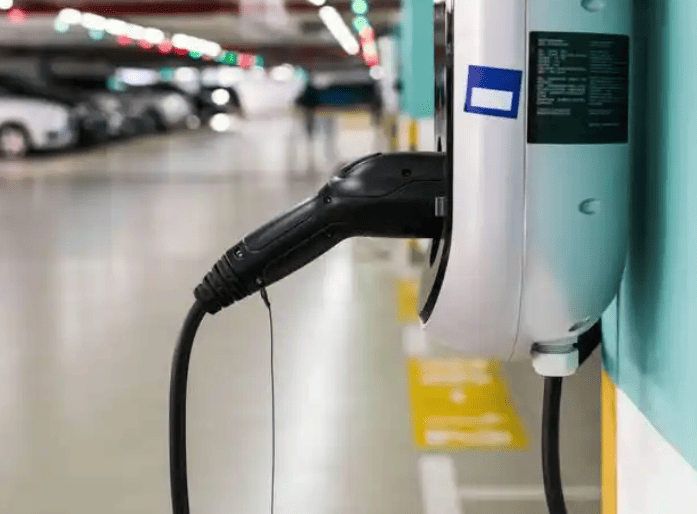
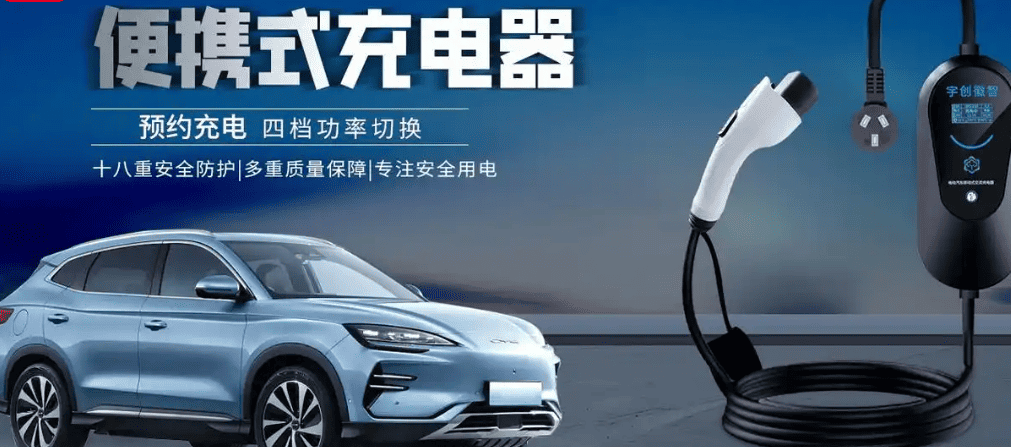
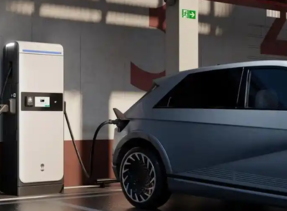
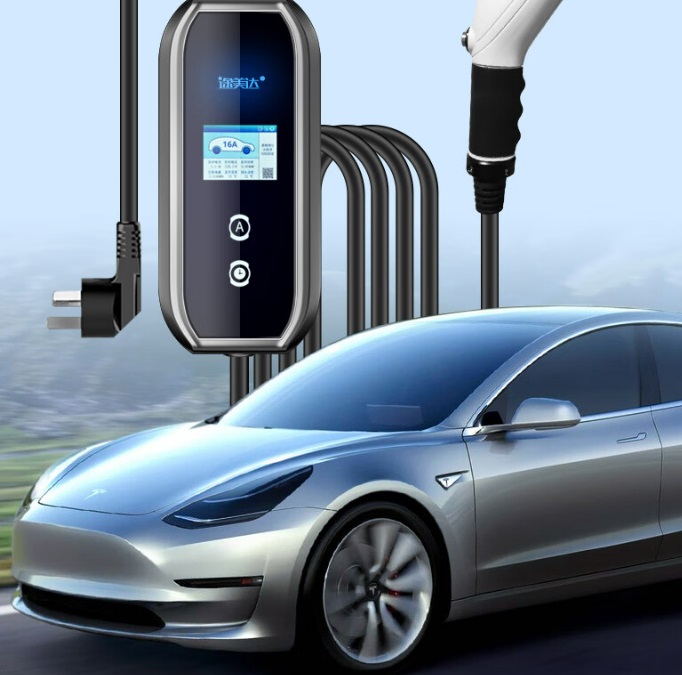
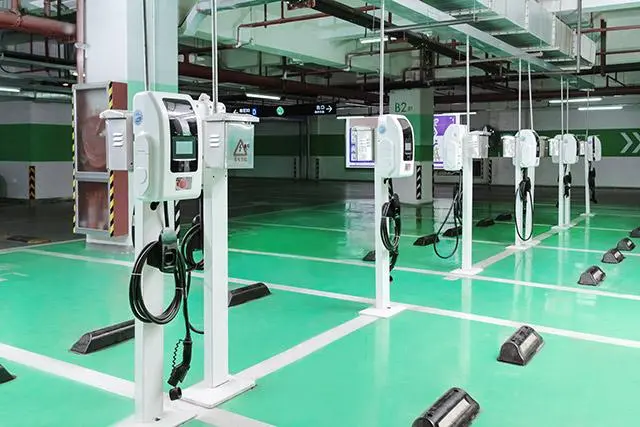
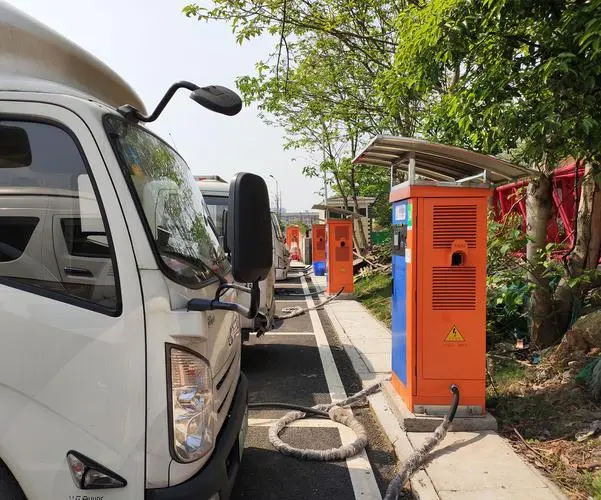
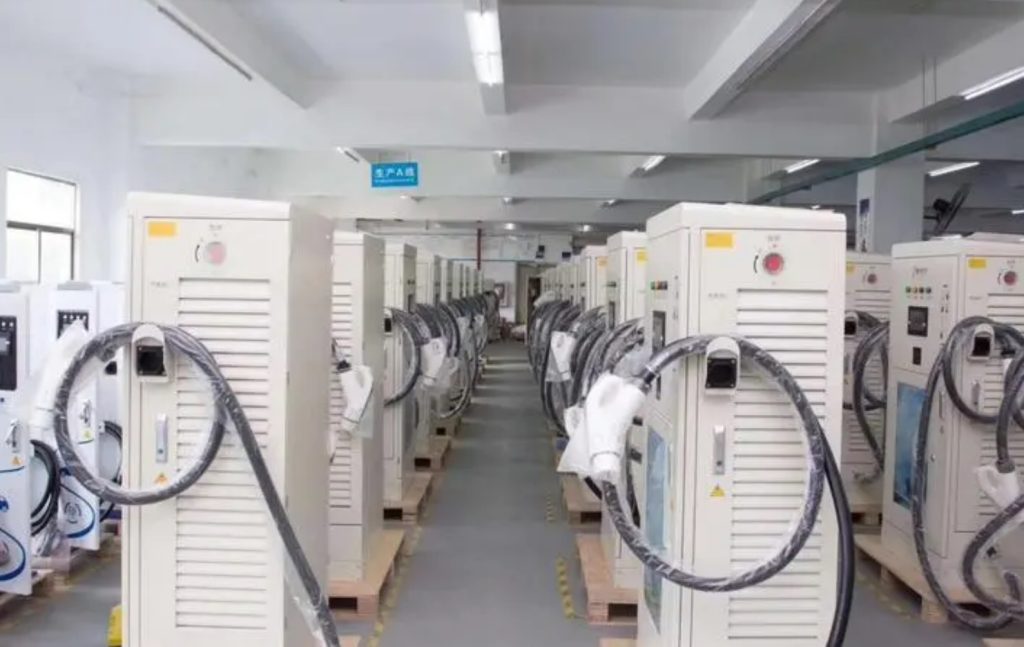
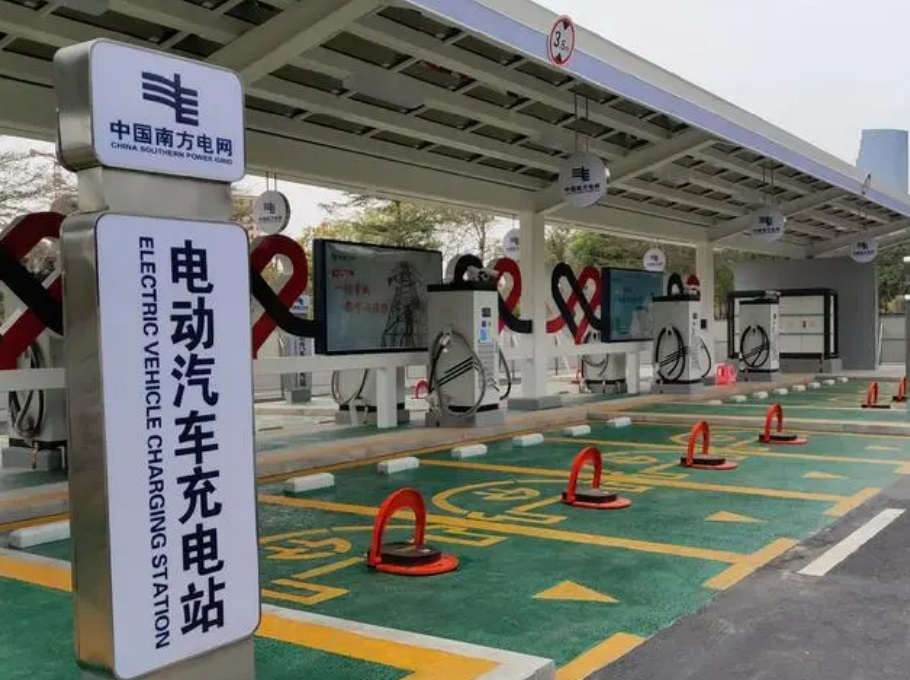
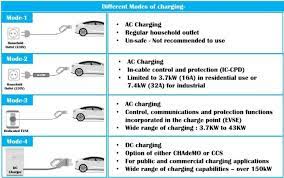
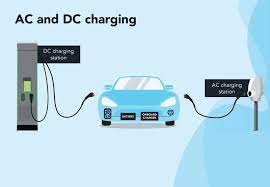
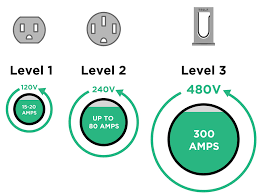
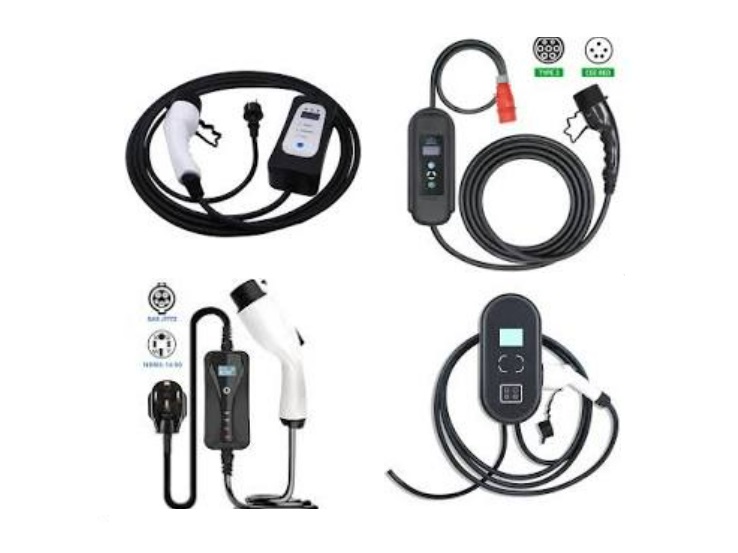
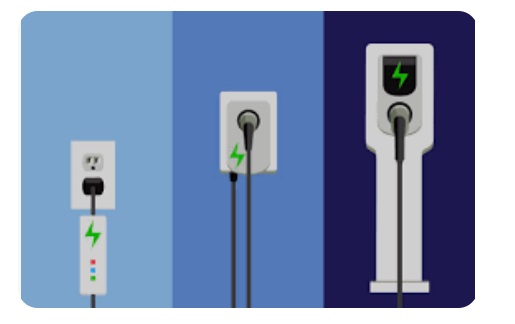
The charging equipment itself accounts for the single largest portion of the overall cost. A Level 2 AC charger is the best option for the great majority of homeowners because it strikes the ideal balance between cost and charging speed. Usually, these units produce 7kW or 11kW of power. The cost of a basic 7kW AC charger from reputable brands ranges from $200 to $350. The smart models, which range in price from $400 to $700, are what you should look for if you want more sophisticated features like Wi-Fi connectivity, smartphone app control for scheduling charging during off-peak electricity rates, and thorough energy consumption tracking. For those with exceptional needs, such as commercial properties or homes with vehicles capable of ultra-fast charging, DC fast chargers are an option. However, with power ratings starting at 30kW and prices soaring from $2,000 to $3,000 for the unit alone, plus extensive electrical upgrades, they are prohibitively expensive and impractical for most residential applications.
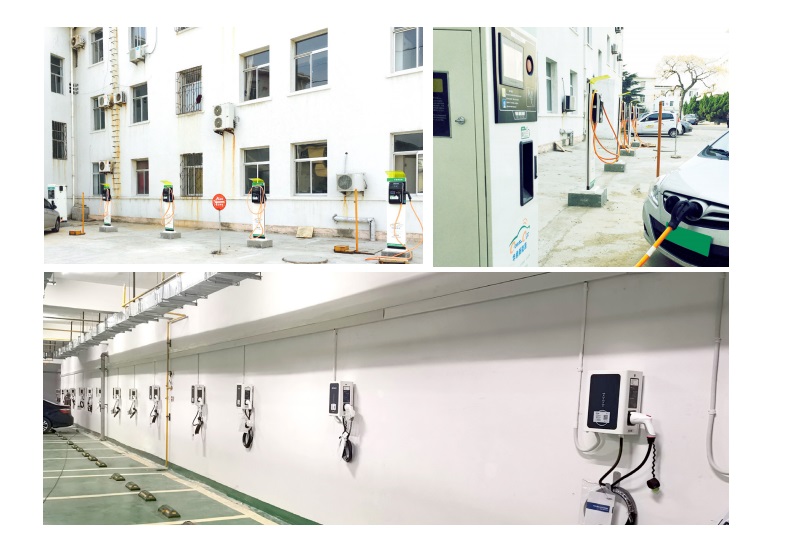
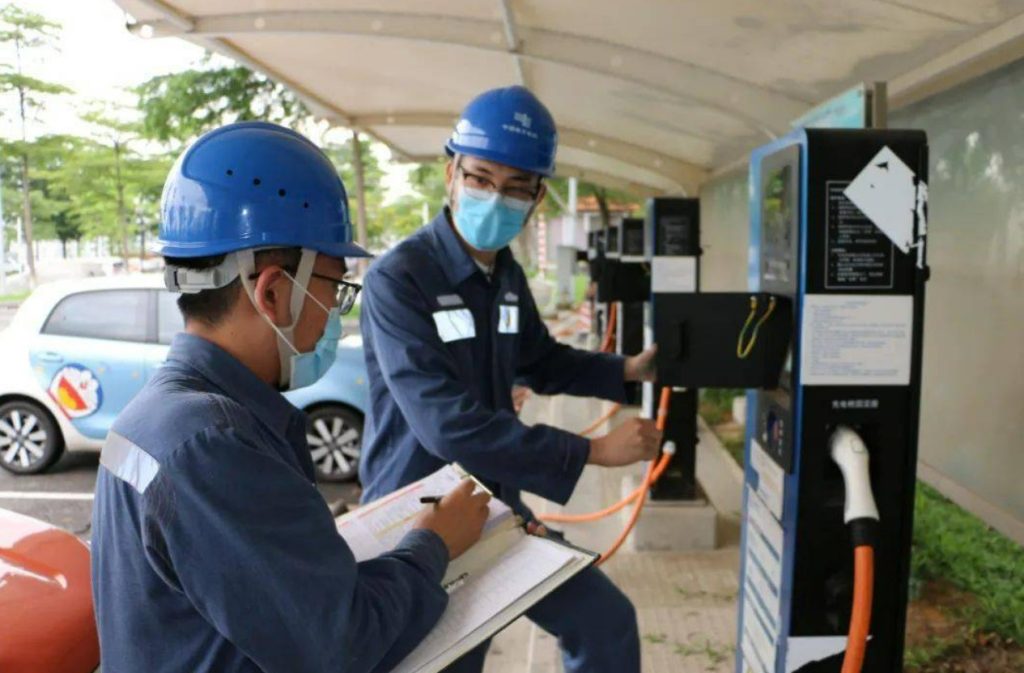
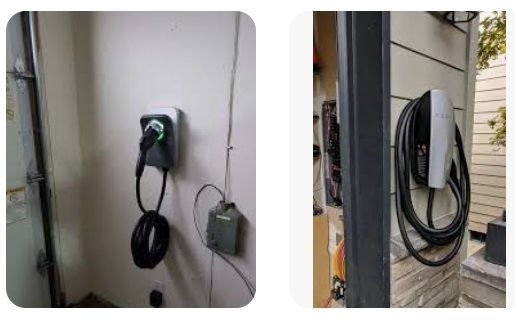
The installation cost is a variable and frequently overlooked expense that goes beyond the charger’s price tag. Usually, this cost includes all required supplies as well as the work of a licensed electrician. Labor costs for a typical installation, in which the electrical panel is situated near the intended charger location and has plenty of spare capacity, could range from $300 to $800. An additional $200 to $500 may be needed for the materials, which include a specialized circuit breaker, an adequate length of premium copper cable (usually 6mm² for a 7kW charger), conduit piping to shield the wiring, and different connectors and terminals. It is crucial to hire a qualified professional for this work to ensure the installation meets all local electrical codes and safety standards, which always include the use of a GFCI (Ground Fault Circuit Interrupter) breaker for enhanced protection.
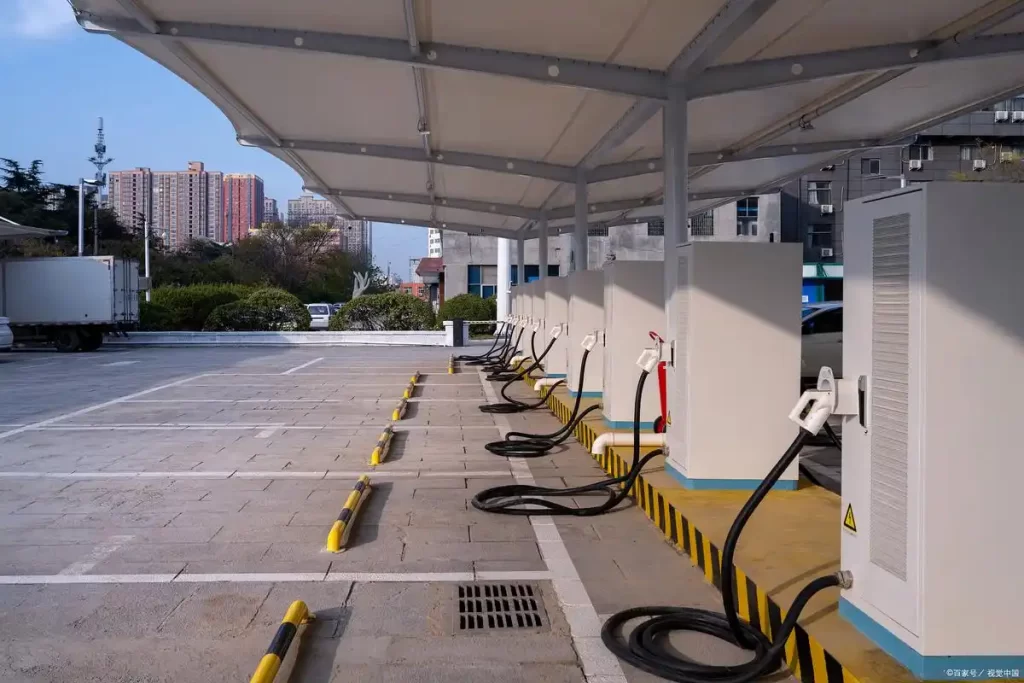
However, many installations are not standard and incur additional costs. The most common extra charge is for cable runs that exceed a certain basic length, often set at 30 meters by installers. Every additional meter of cable beyond this point can cost $8 to $12 per meter, as it requires more materials and labor. If the installation path requires drilling through thick walls, excavating a short trench to bury conduit underground, or installing a dedicated protective post or enclosure for the charger, each of these tasks can add $100 to $500 to the bill. The most significant potential cost increase comes from the need for a electrical panel upgrade or service upgrade. Older homes may have electrical panels that are already operating at full capacity. Adding a high-power circuit for an EV charger might require upgrading the main panel, which can be a major project costing anywhere from $1,000 to $3,000. In some cases, if the local power grid connection to the house is insufficient, a service upgrade from the utility company might be needed, which can be even more expensive and time-consuming.
Permissions and fees are the last factor that affects upfront costs. You must get approval from your homeowners association or property management before starting any work. Some might impose a nominal supervision or administrative fee. Additionally, there may be application fees associated with requesting a dedicated electricity meter from your utility provider, which is strongly advised in order to benefit from special EV charging rates.
Just as significant as the financial investment is the time commitment required for the entire process. Paperwork and logistics are part of the first stage of preparation. It may take a few days to obtain your property manager’s approval for the installation. The next step is to apply for a new meter or to verify grid capacity with your local electricity utility company. Depending on their workload, this approval process may take a few business days or several weeks.
Once all permissions are secured, the physical installation phase can begin. For a standard, straightforward setup, a certified electrician can typically complete the entire job—running the cable, mounting the charger, installing the breaker, and making all connections—within a single day. If the installation is more complex, involving long cable runs, difficult wall penetrations, or trenching, the physical work could extend to two or three days. After the installation is complete, there is a final step of inspection and connection. In many regions, a city or utility inspector must approve the work before the new circuit can be officially energized. Coordinating this inspection and final connection can add another few days to the overall timeline. Therefore, from start to finish, a homeowner should realistically expect the entire process to take between one to three weeks.
In conclusion, it is important to consider that this is a very variable range, even though the average cost and duration of a 7kW home EV charger installation can range from $1,500 to $2,500 and take roughly two weeks. Careful planning is essential to a successful and economical project. Get several thorough quotes from certified electricians that include labor, material, and equipment costs. To find any potential obstacles, such as the need for a panel upgrade or lengthy cable runs, have them evaluate the capacity of your particular electrical panel and the planned charger location. You can set reasonable expectations and create an accurate budget for adding convenient and reasonably priced EV charging to your house by being aware of all these factors up front.
Recommend Slow Charger Products:
Charging pile:
Contact Us
Whatsapp/Mobile: +86 18019762979
Email: sales@lkmixer.com