Can you charge an ev with a generator?
Can you charge an ev with a generator?
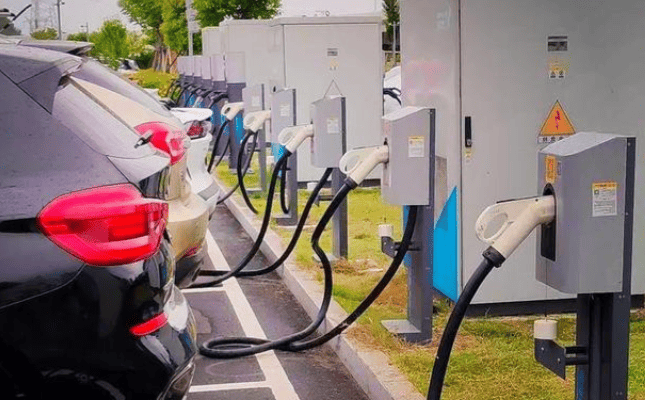
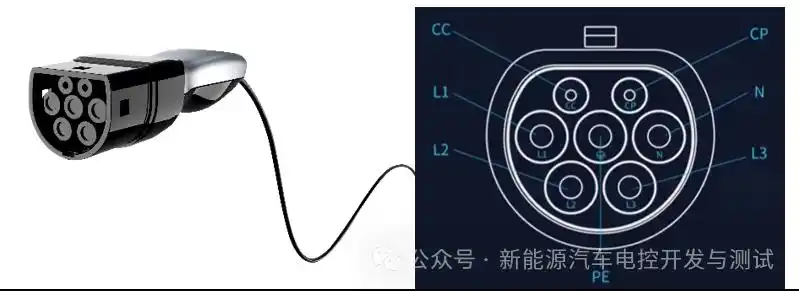
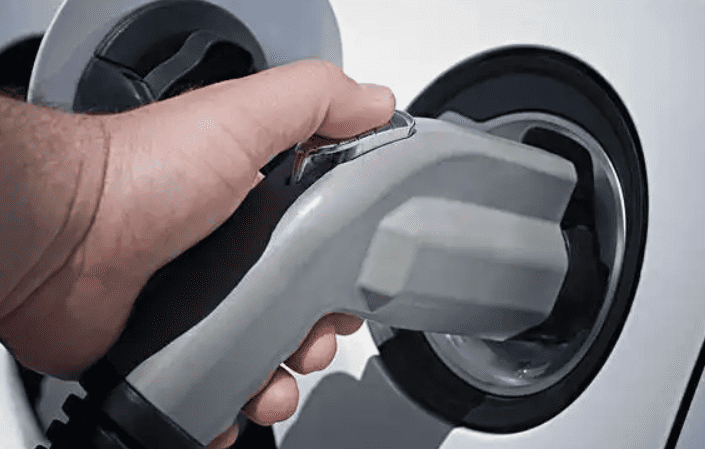
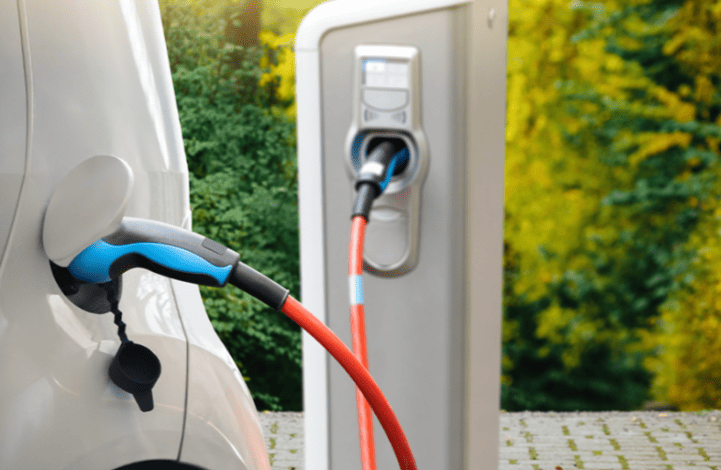
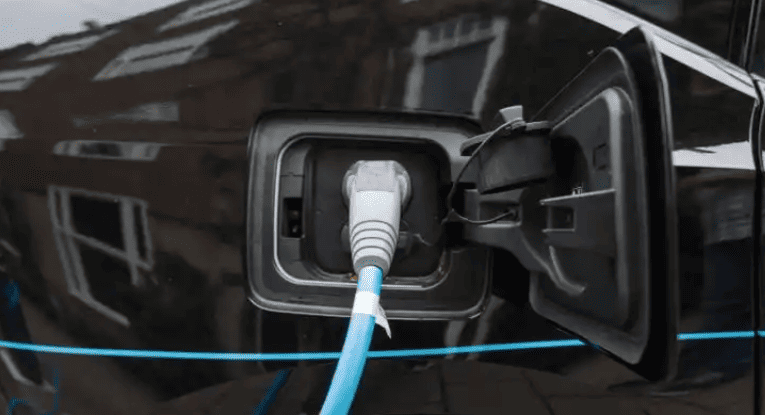
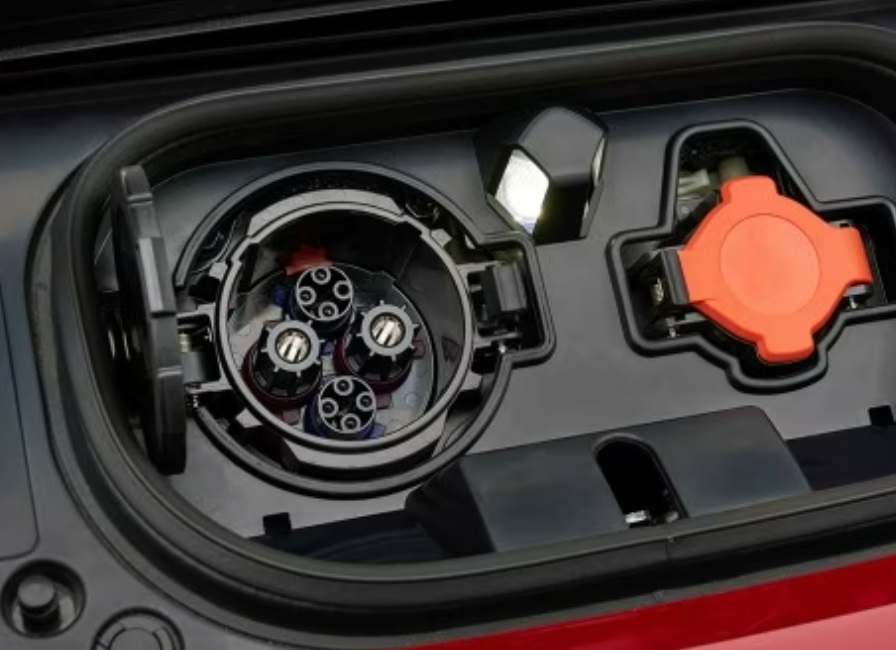
Although charging an EV with a generator is possible, it is not a simple plug-and-play process. The main thesis is that, even though it is technically possible, using a generator to charge an EV entails a number of risks and complications. On the one hand, a typical generator is typically unable to directly charge an EV. A successful charge depends on the generator’s power output being adequate, its voltage being in line with the needs of the EV battery, and its current output being suitable for the battery’s capacity. This is because a mismatch between the generator’s output voltage and the battery’s required voltage will prevent any charging from occurring. On the other hand, if the generator’s output voltage and current are perfectly matched to the EV’s charging port specifications, charging can proceed. However, due to the EV’s exceptionally high demand for voltage stability, improper operation could severely damage the vehicle’s expensive battery pack. Therefore, this process is best undertaken by, or at least with the guidance of, a professional to mitigate risks.
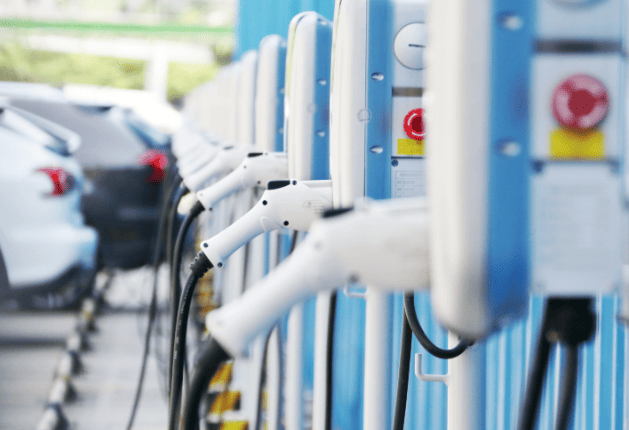
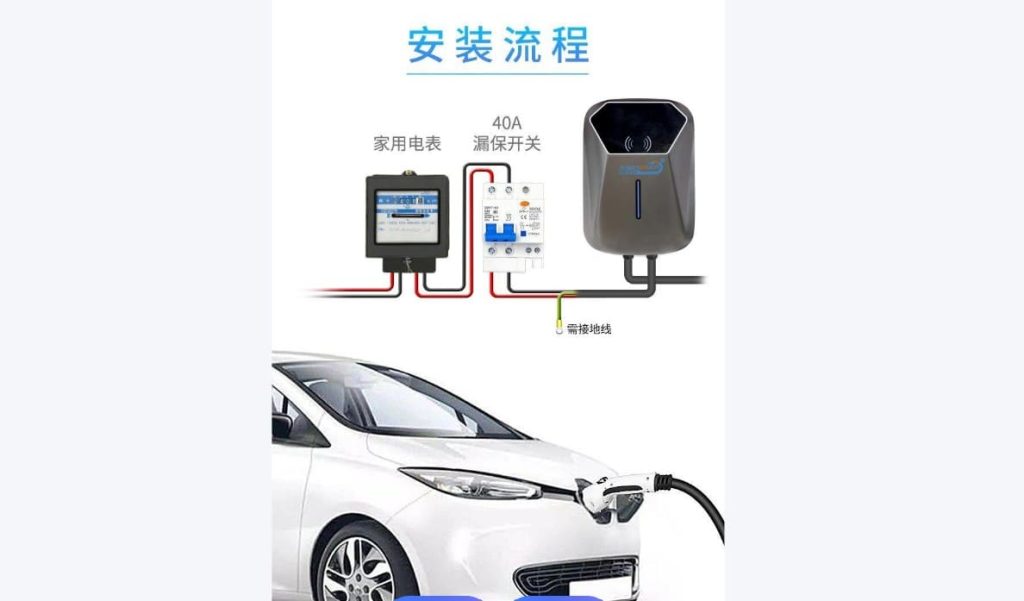
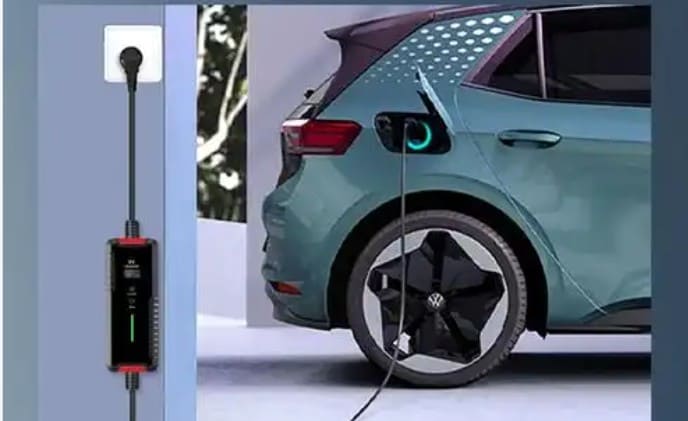
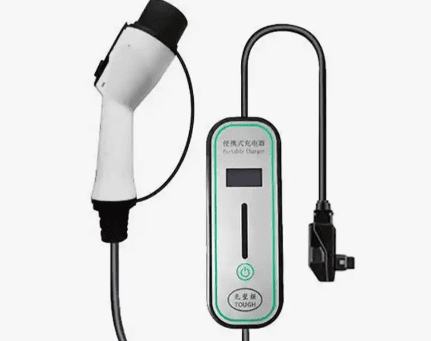
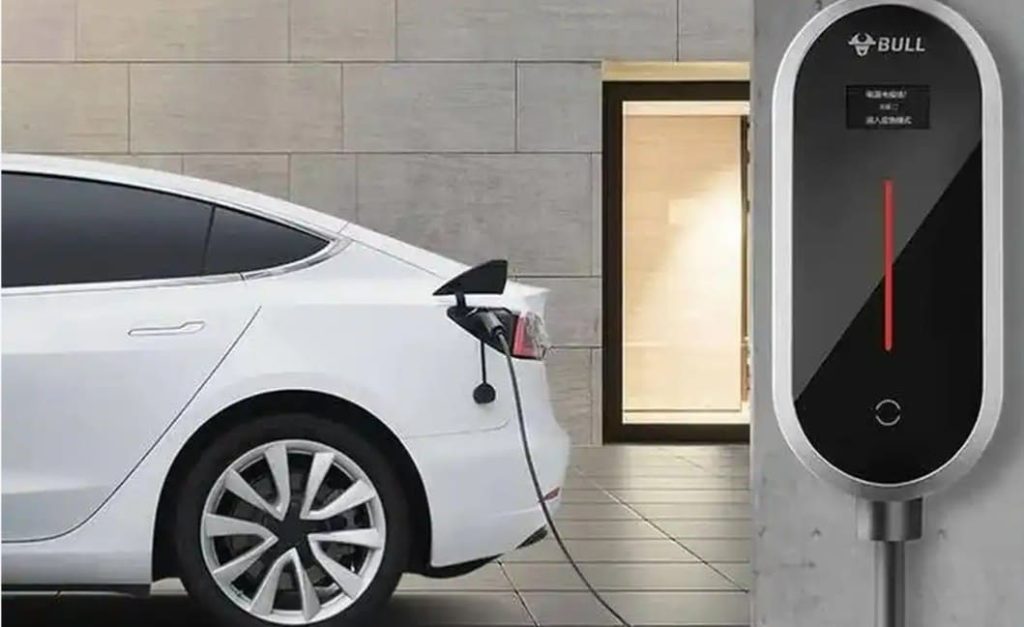
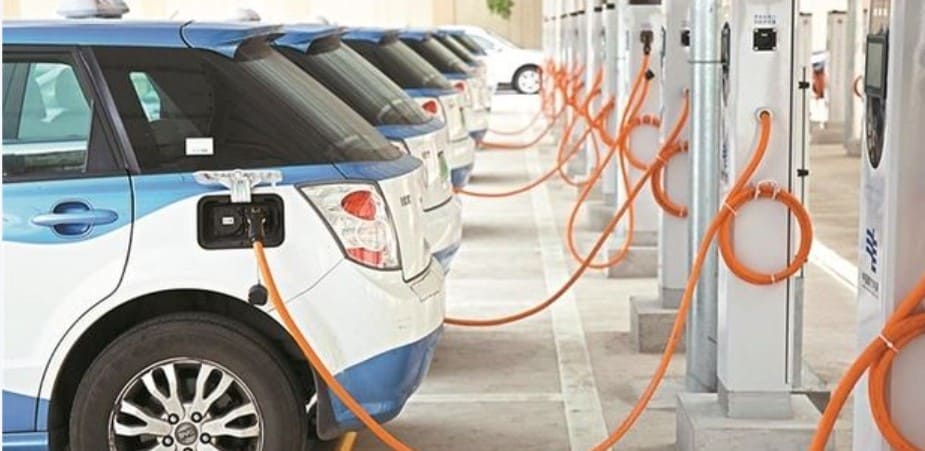
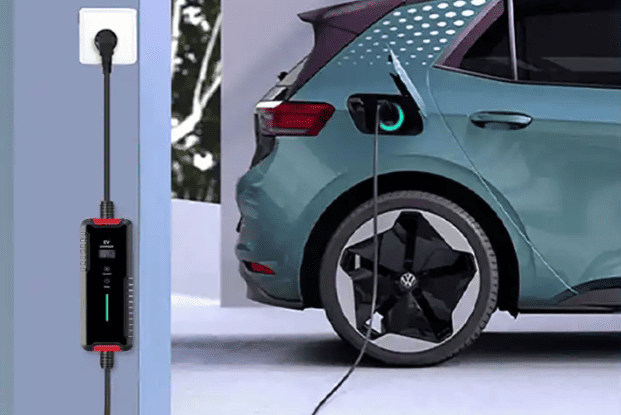
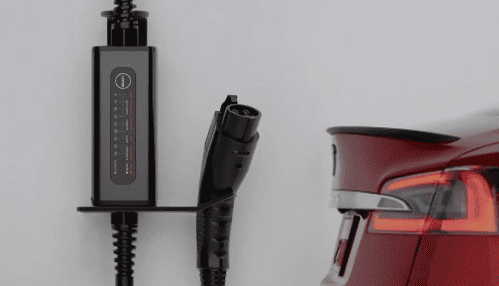
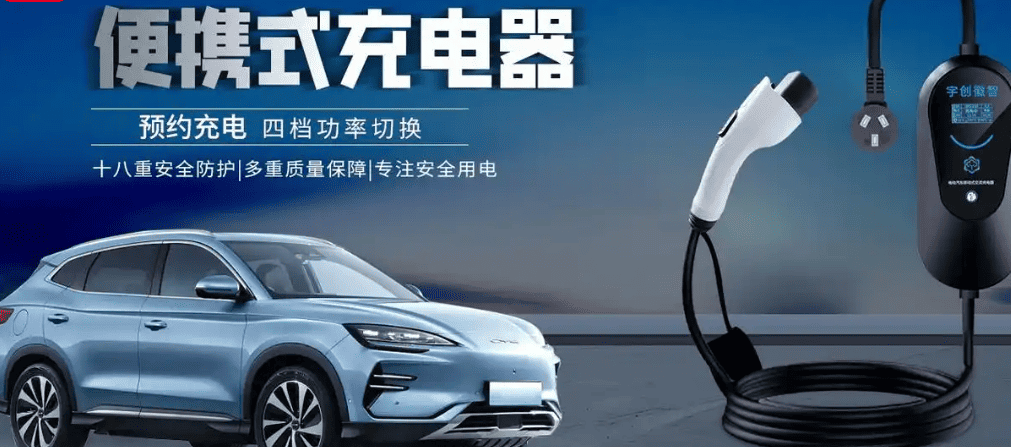
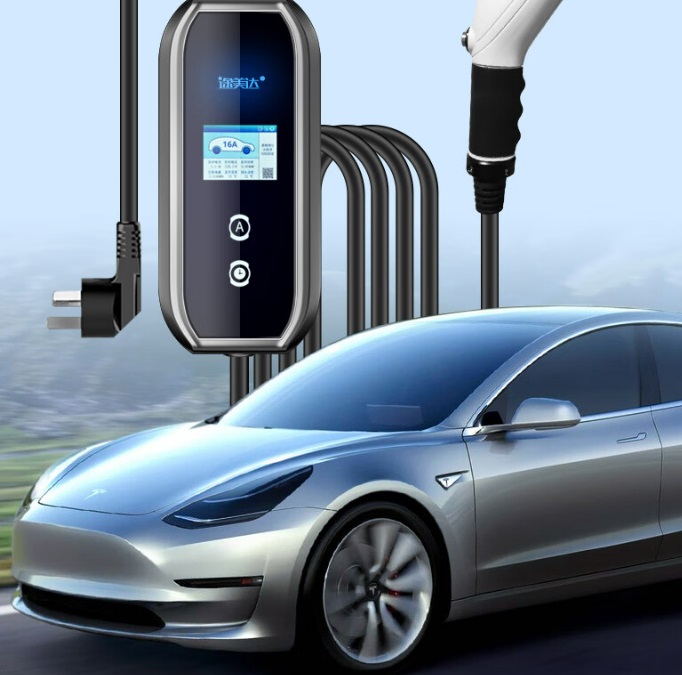
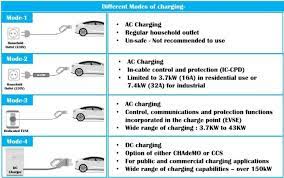
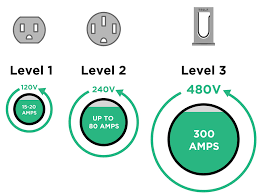
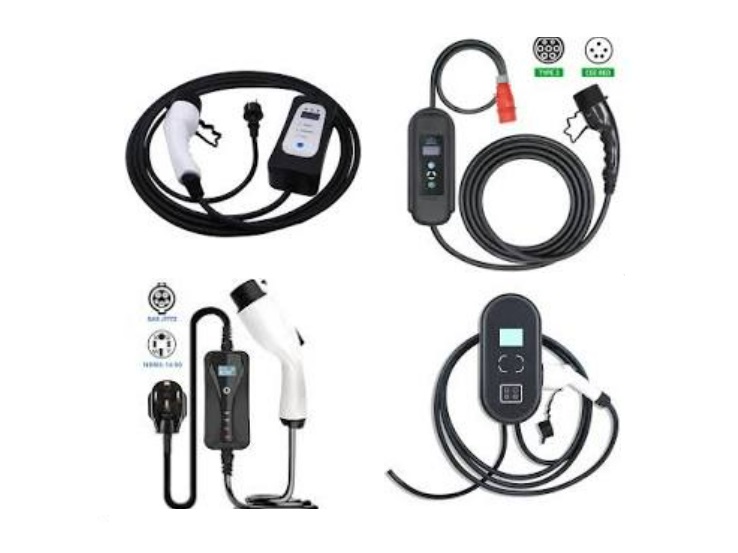
The requirements are very specific and frequently higher than one might first think when looking at generator power output. For instance, the standard portable slow-charging cables (also known as granny chargers) for the BYD series of electric vehicles usually have a power rating of no more than 1.5kW. Since it establishes a baseline, this number is essential. It implies that a generator with a continuous output rating much higher than 1.5kW—ideally a 2kW or larger model—must be chosen in order to even try charging. This additional power headroom is required to compensate for the generator’s efficiency losses and guarantee that it can sustain the ongoing load without experiencing strain or stalling.Even with a sufficiently powerful generator, the charging speed will be exceptionally slow, comparable to or even slower than a standard household outlet, making it impractical for quickly replenishing a depleted battery and suitable only for emergency situations where a small amount of range is needed.
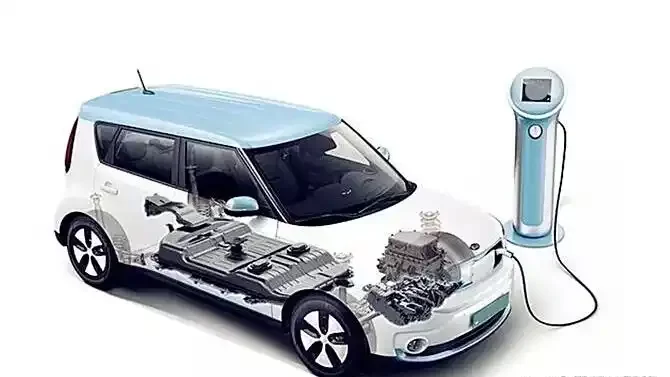
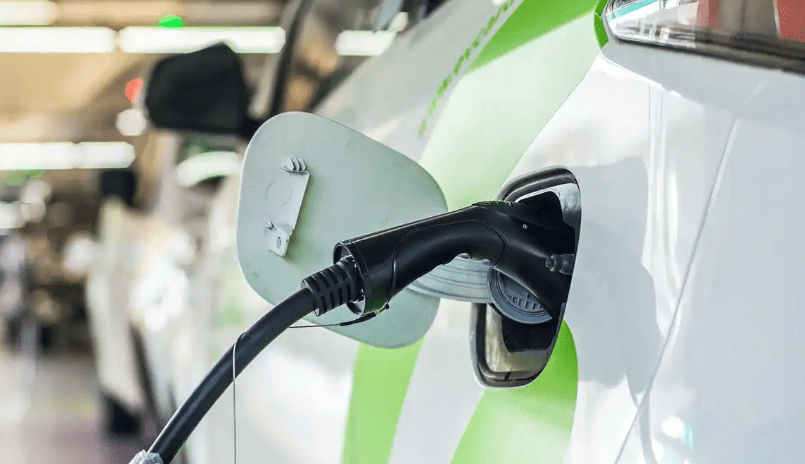
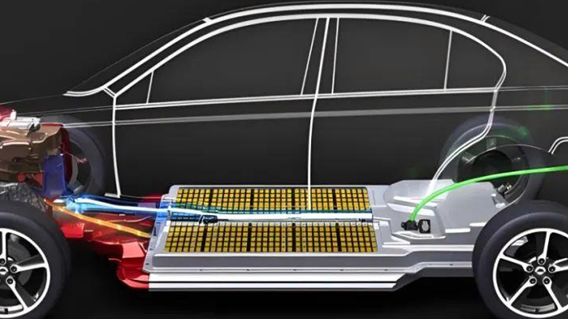
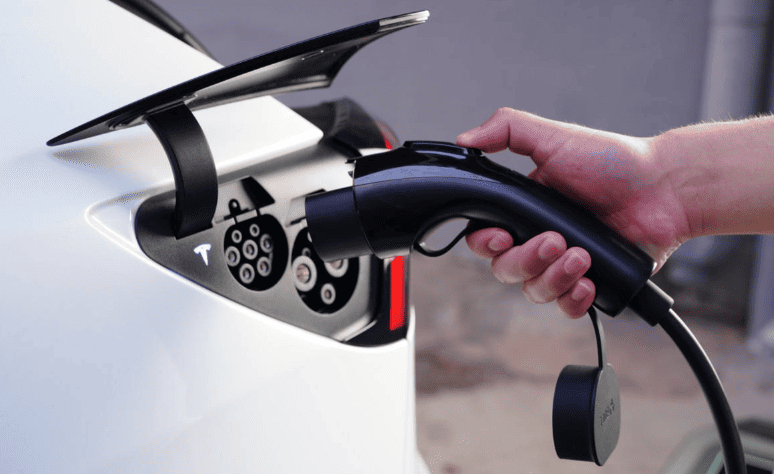
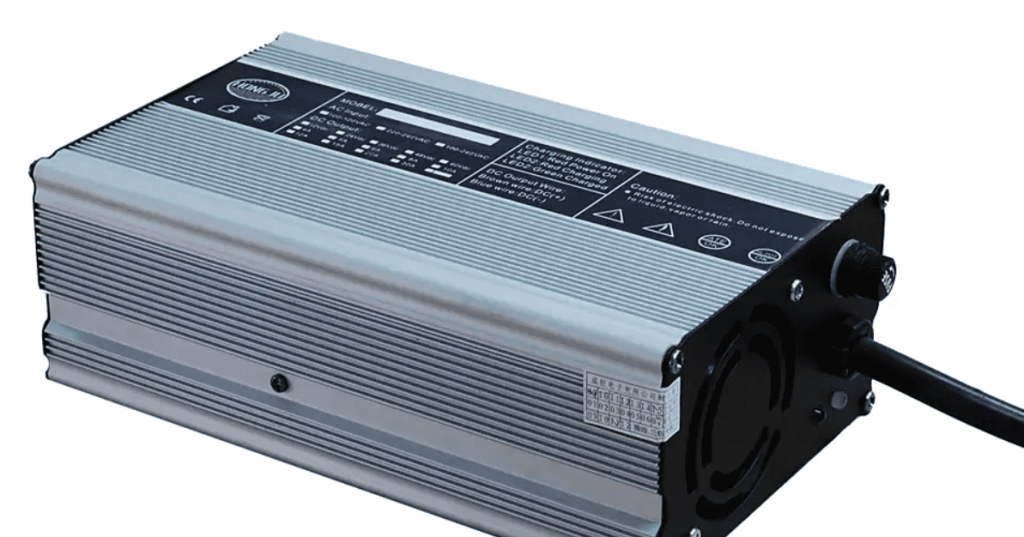
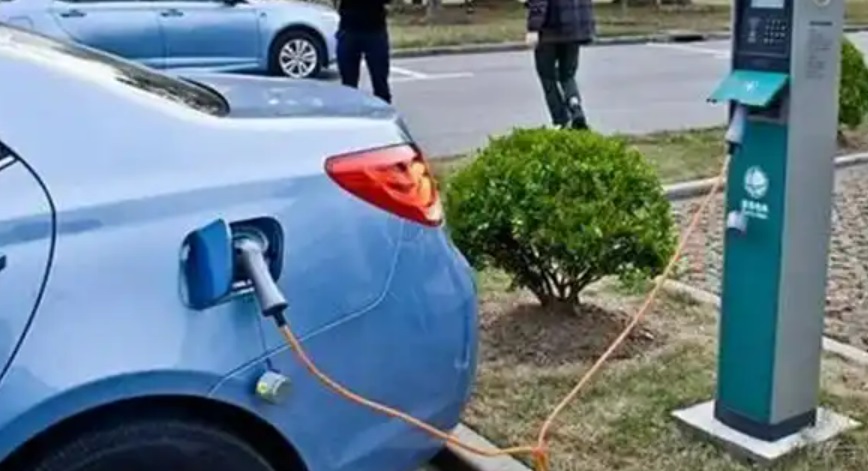
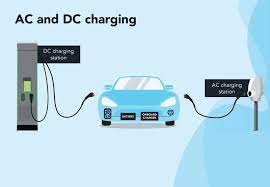
The type of generator plays a critical role in its compatibility with an electric vehicle. There are two primary types of electrical outputs to consider: direct current (DC) and alternating current (AC). If a generator produces a stable DC output that matches the EV battery’s voltage and current specifications, it could, in theory, be connected directly for a form of rapid charging, bypassing the car’s internal charging systems. However, this is extremely rare and highly dangerous without expert knowledge and custom equipment, as it risks overriding the vehicle’s sophisticated battery management system. In virtually all practical scenarios, generators produce AC power. An EV cannot use AC power directly; it must be converted to DC. This conversion is handled by the vehicle’s onboard charger, a component built into the car itself. The generator simply acts as a replacement for the grid, supplying AC power to the vehicle, which then handles the conversion internally. This process requires a clean and stable sine wave from the generator; many cheaper generators produce a modified sine wave, which can be harmful to the sensitive electronics in both the EV’s onboard charger and the battery management system over time. Therefore, understanding the precise specifications of both the generator and the EV’s charging equipment is paramount to ensuring the process is both safe and effective.
Notably, automakers are currently investigating cutting-edge generator technologies that have the potential to streamline or completely transform this procedure. In order to increase overall efficiency and range, some companies are creating new kinds of generators that use waste heat from the vehicle’s own systems, like the motor or brakes, to create electricity that can be used to charge the battery. The installation of solar panels straight onto the sides and roof of automobiles is being pioneered by other businesses. These panels function as an inbuilt, constantly present micro-generator by continuously gathering solar energy, converting it into electrical power, and storing it in the battery.While these technologies currently provide only a small trickle charge, they represent a significant step towards greater energy independence for EVs and point to a future where the concept of “charging from a generator” is seamlessly integrated into the vehicle itself.
Furthermore, there is a specific product on the market known as a range extender. This is essentially a dedicated, integrated generator designed specifically for certain EV models. The range extender, typically a small gasoline engine coupled to a generator, automatically turns on when the battery level drops to a certain point, producing electricity to power the vehicle or directly charge the battery, thus extending its driving range. While functionally similar to using an external generator, a range extender is engineered from the ground up to be perfectly matched to the vehicle’s electrical system, eliminating the compatibility and safety concerns associated with a makeshift external generator setup. However, the cost of purchasing and installing a range extender is relatively high. For those determined to use a standard external generator, consulting a professional generator technician is highly advisable. These experts can analyze the specific parameters of the EV—such as its required voltage, maximum AC input current, and needed power rating—to select a suitable generator model. Not all generators are created equal; a cheaper, lower-quality model may lack the voltage stability, pure sine wave output, and robust power delivery necessary to safely charge an EV without risking damage.
In conclusion, although it is technically feasible to charge an electric vehicle using a generator, a number of intricate technical requirements and inherent risks significantly restrict its practicality. Power output, voltage, current type, and waveform stability are among the parameters that must be carefully matched during the process. When putting this method into practice, one must proceed extremely cautiously, making extensive preparations and, in the majority of cases, seeking the assistance of a qualified professional. The only way to possibly accomplish a successful charge while guaranteeing the security and durability of the car’s high-voltage battery system is to take this careful approach.
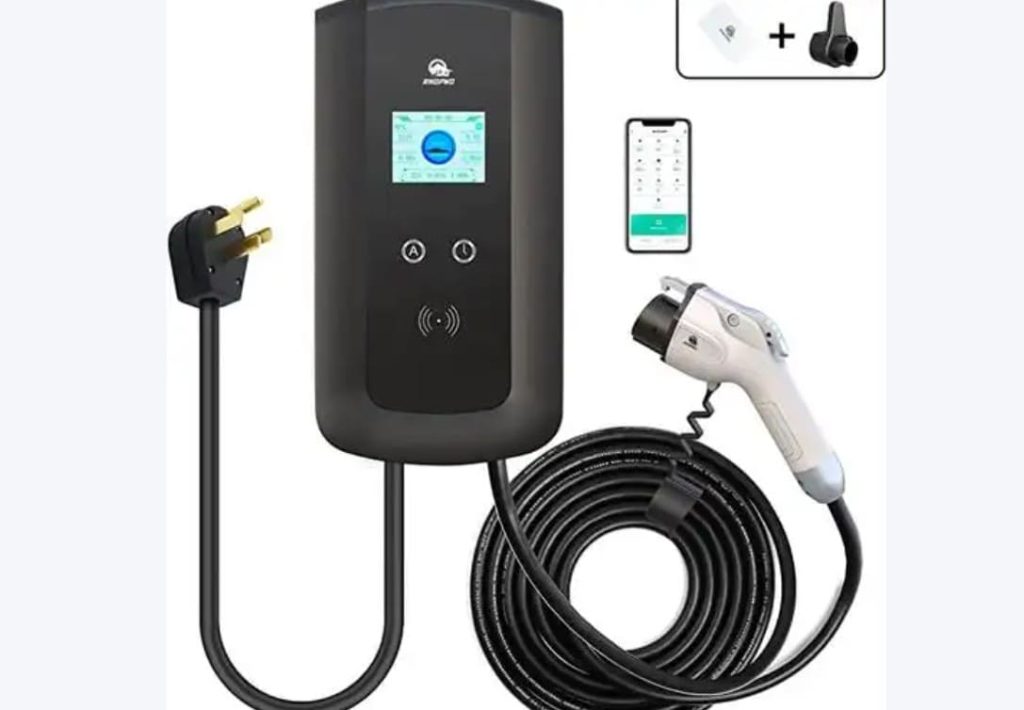
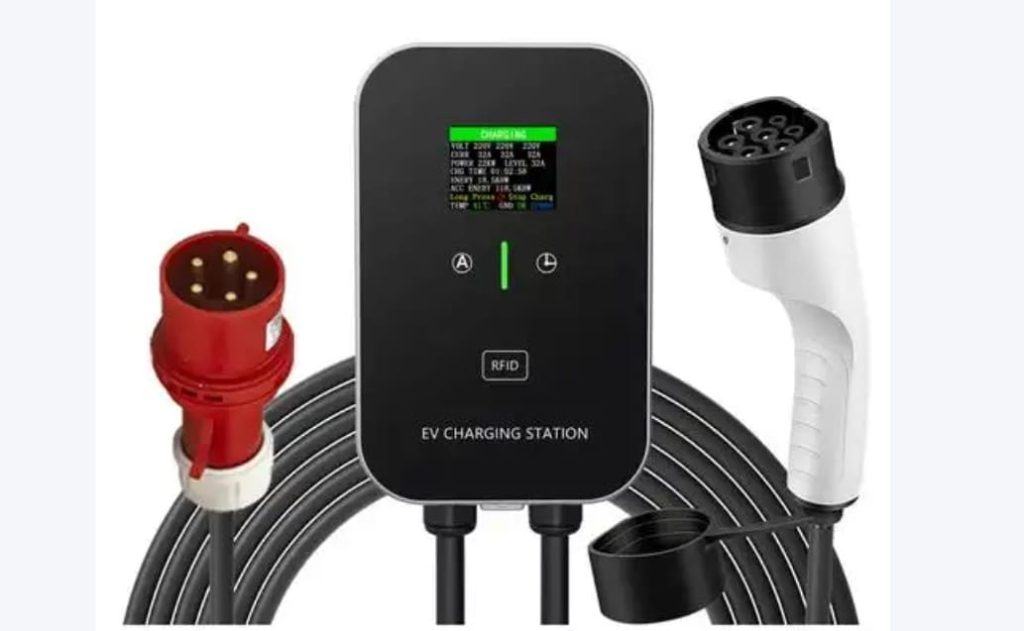
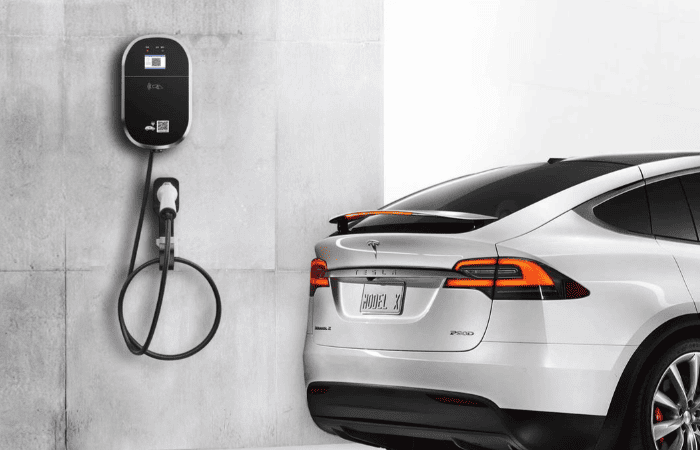
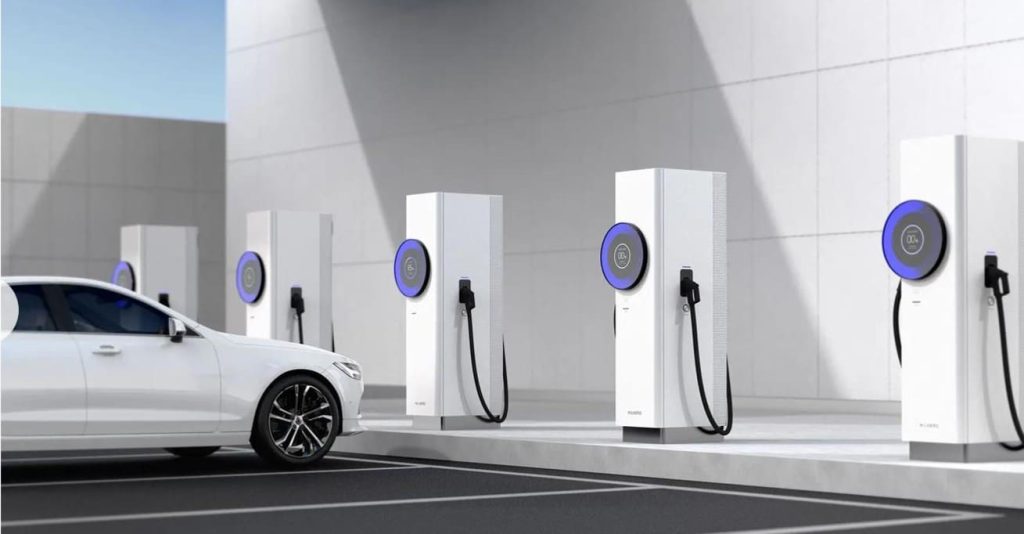
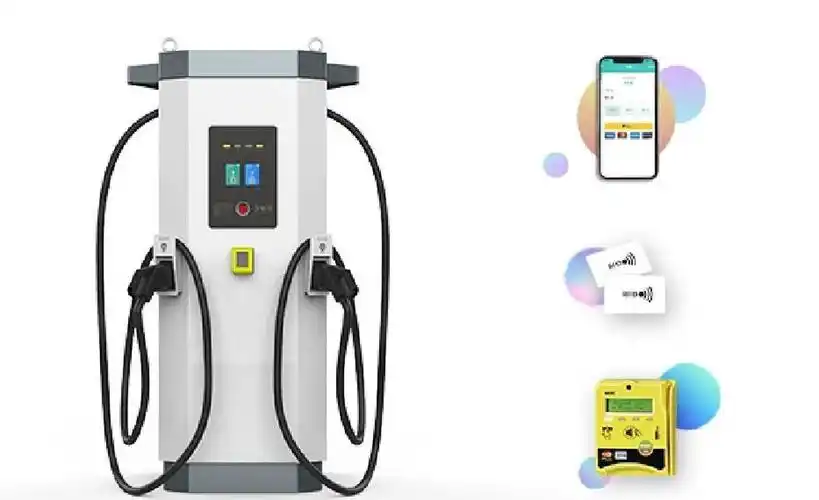
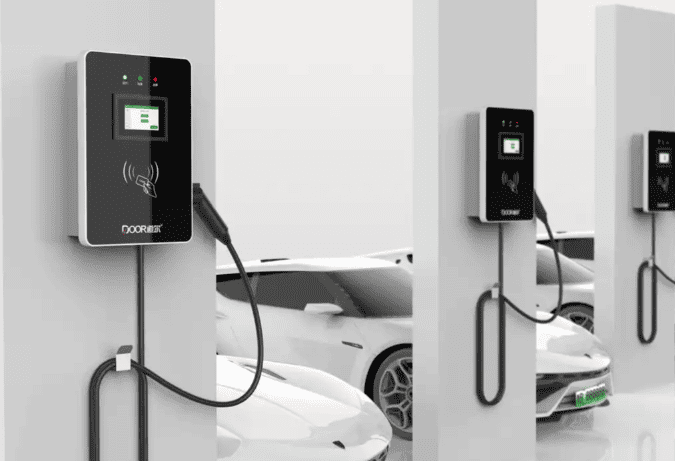
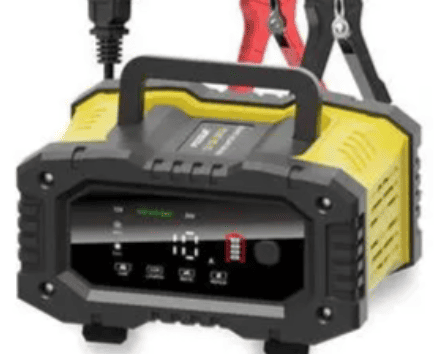
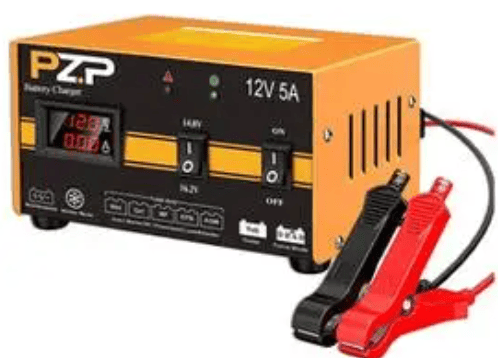
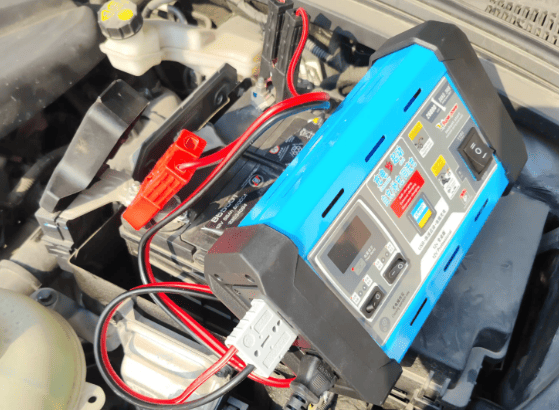
Recommend Slow Charger Products:
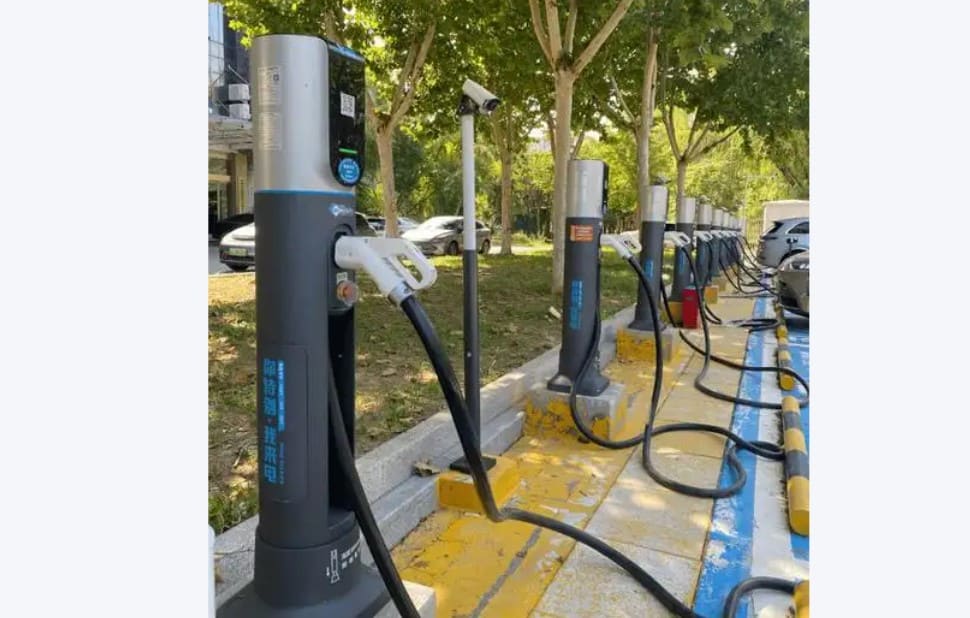
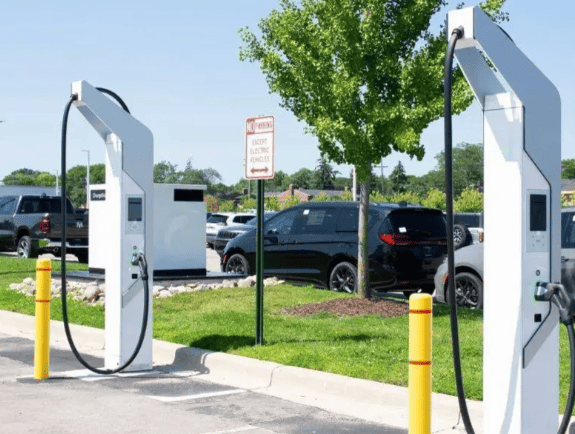
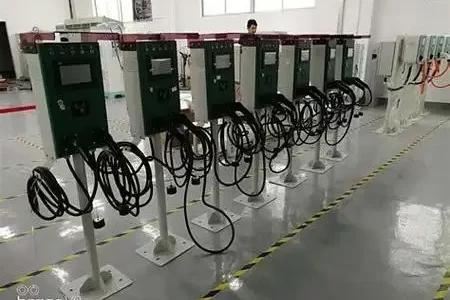
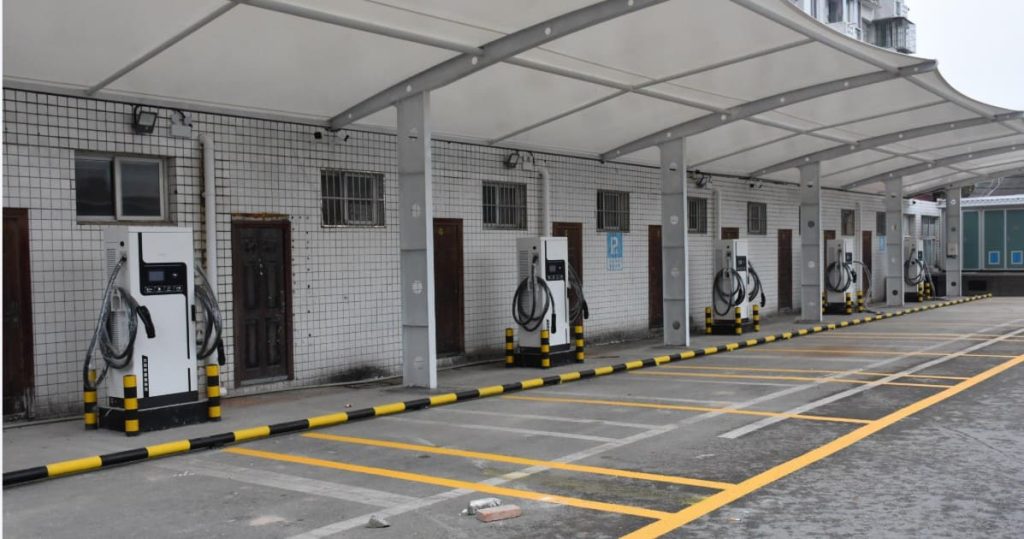
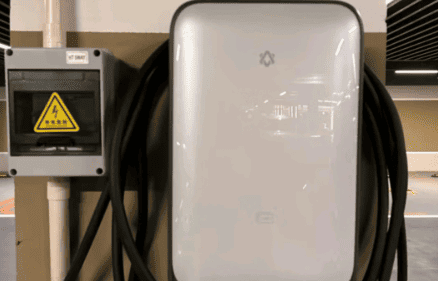
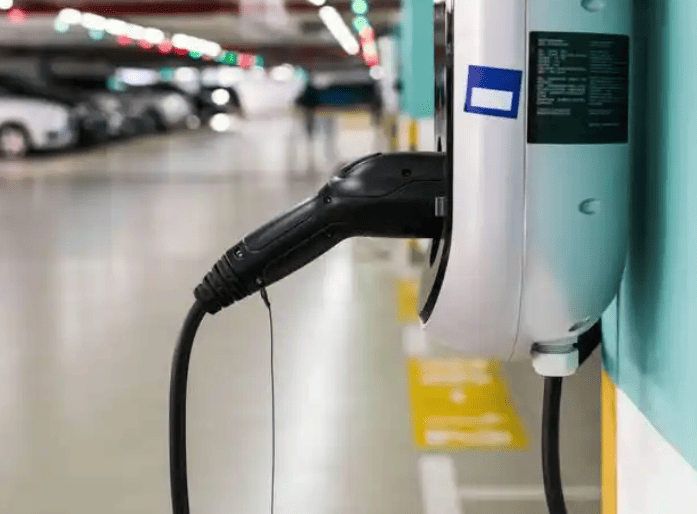
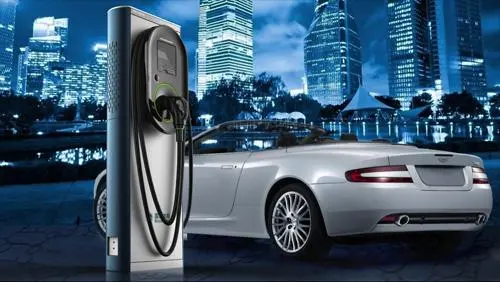
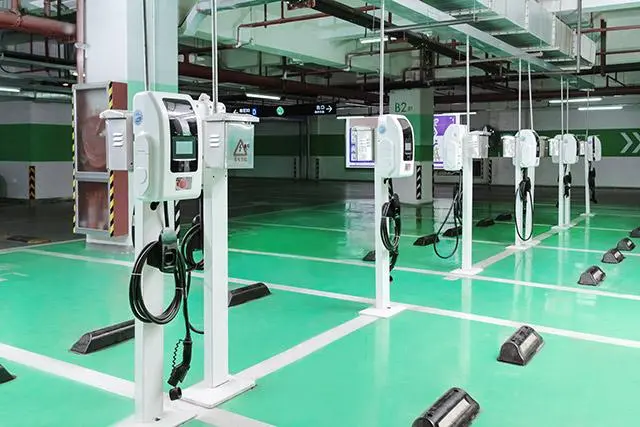
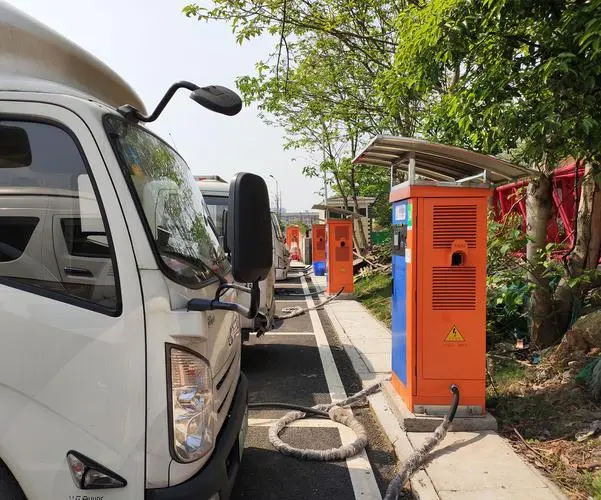
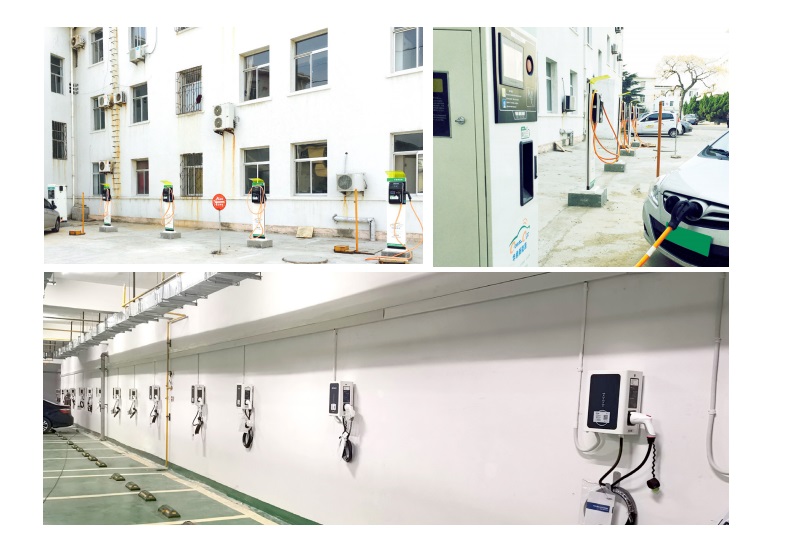
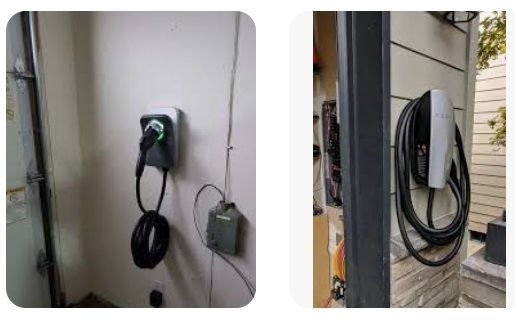
Charging pile:
Contact Us
Contact Us
Whatsapp/Mobile: +86 18019762979
Email: sales@lkmixer.com