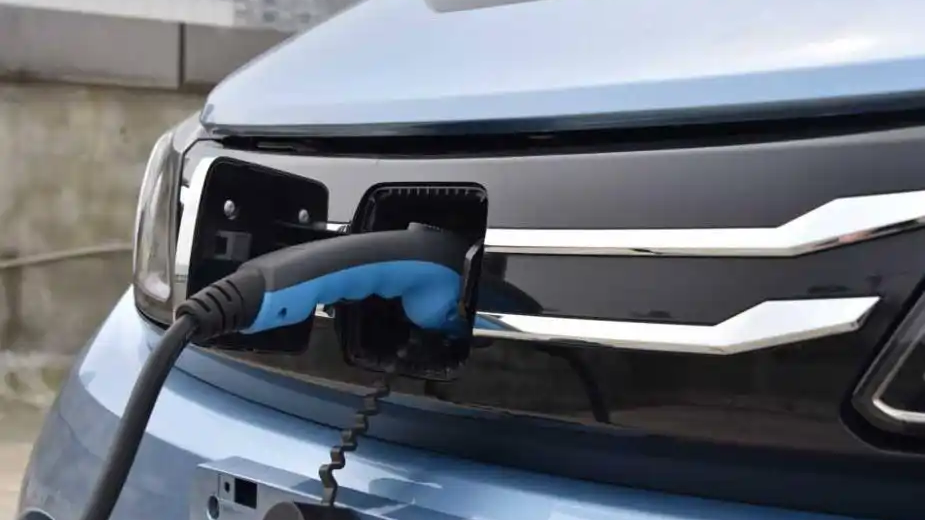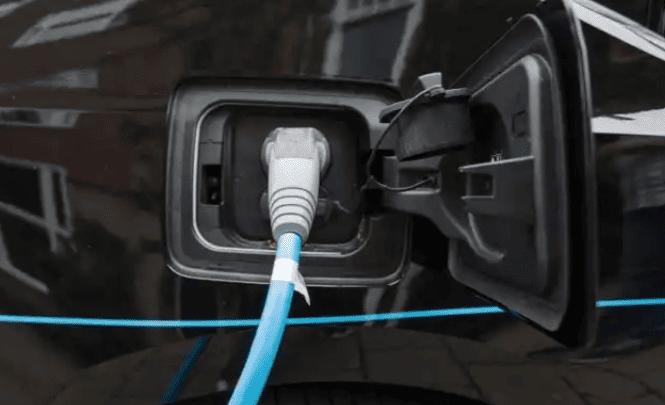
How to charge ev at home?
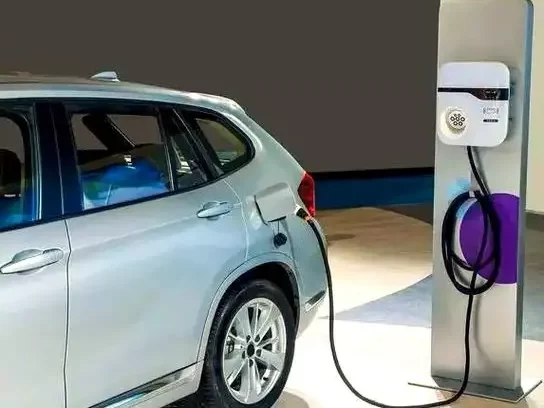
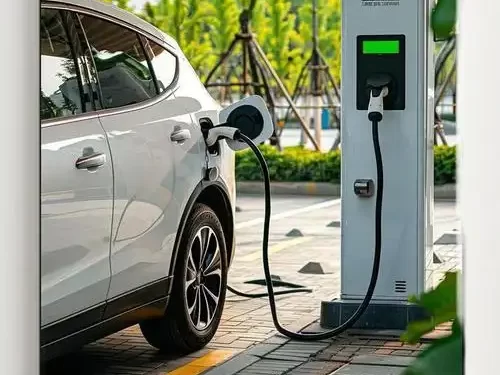
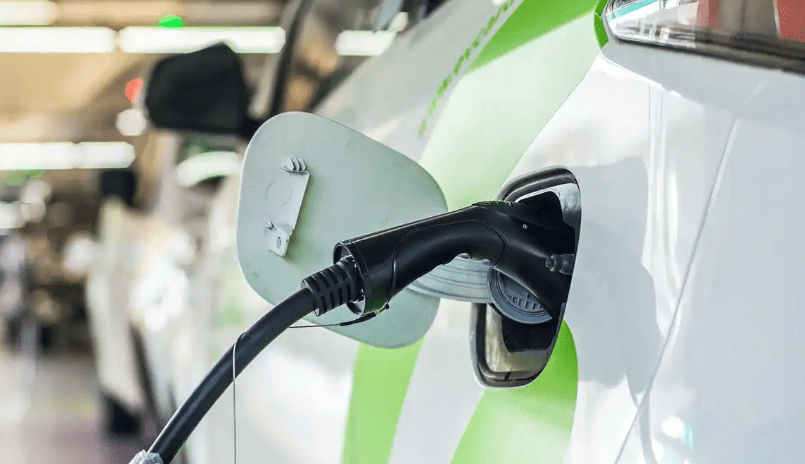
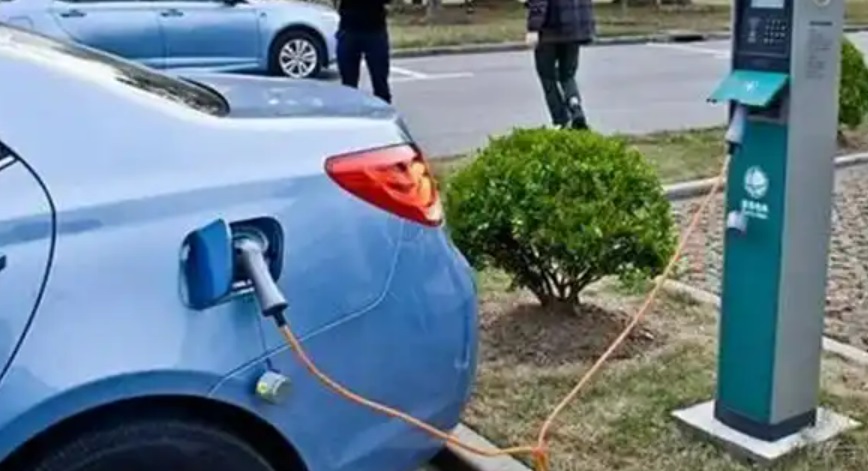
How to charge ev at home? Despite being far less expensive than gasoline, EV charging is not usually free at home. The cost of charging at home is solely determined by your household’s electricity rates and charging habits, even though public fast chargers frequently charge fees. Although you will always be responsible for the electricity used, charging overnight during off-peak hours can significantly lower costs. We examine the principles, procedures, and international subtleties of home EV charging below.
How to Charge an Electric Vehicle at Home
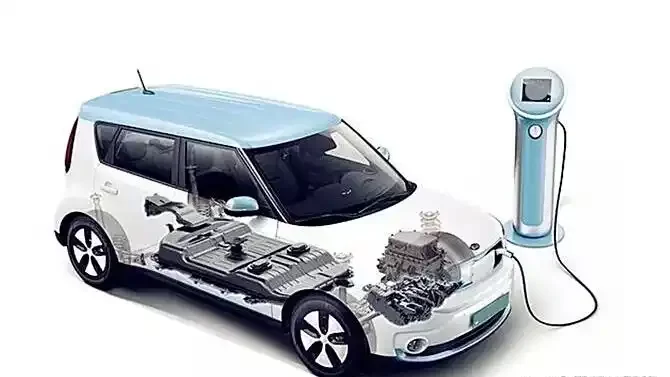
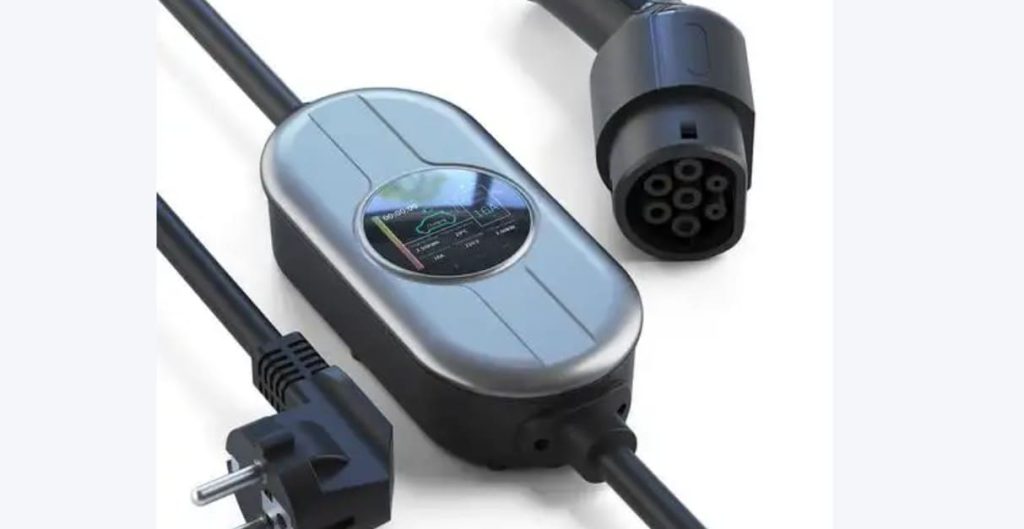
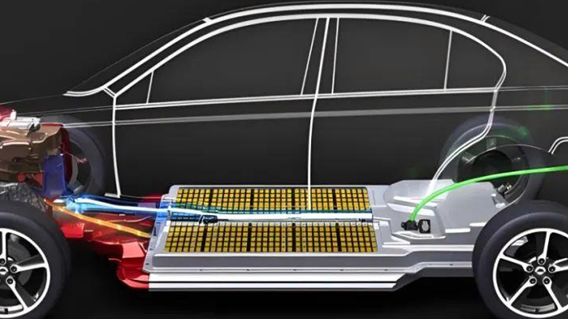
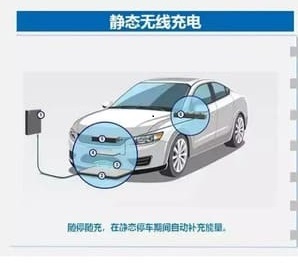
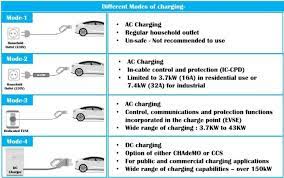
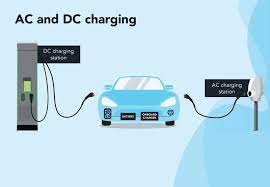
Charging your EV at home is straightforward but requires understanding your options. Most residential charging uses alternating current (AC), which flows through an onboard converter to direct current (DC) stored in the battery. The speed depends on your home’s electrical capacity and the charger’s power output.
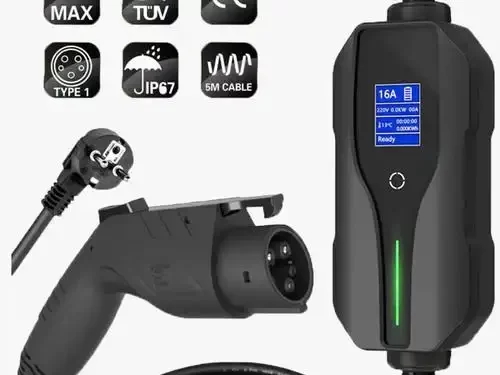
Method 1: Portable Charging (Level 1)
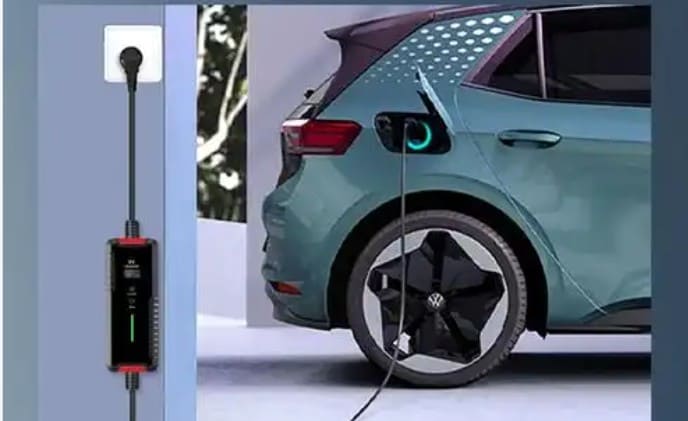
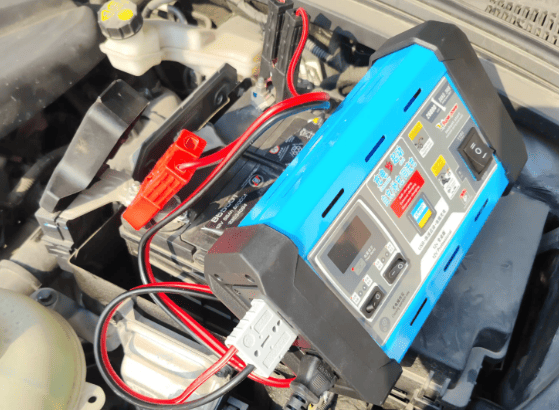
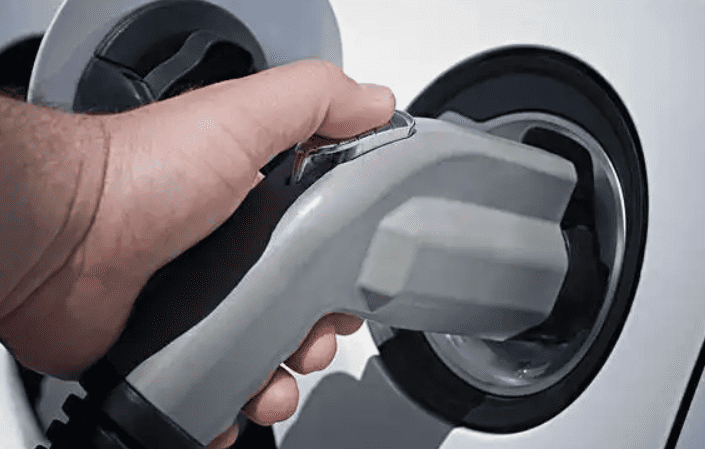
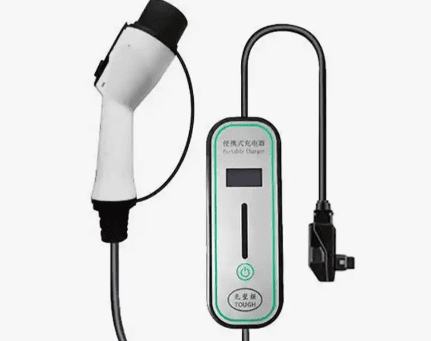
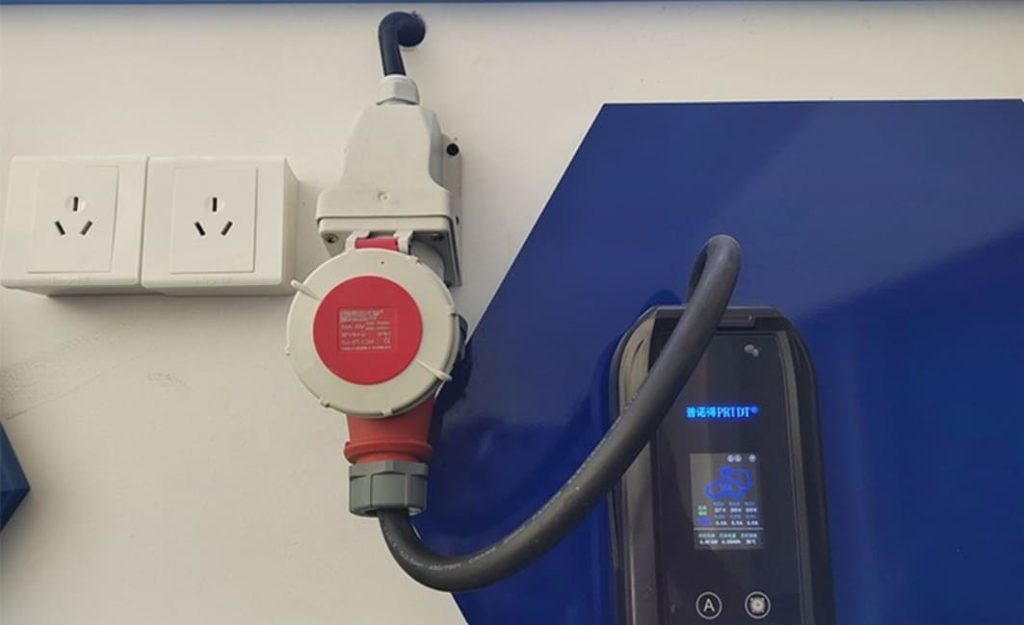
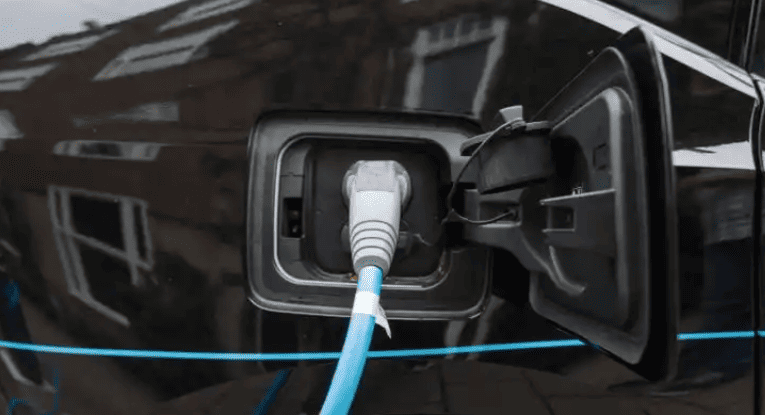
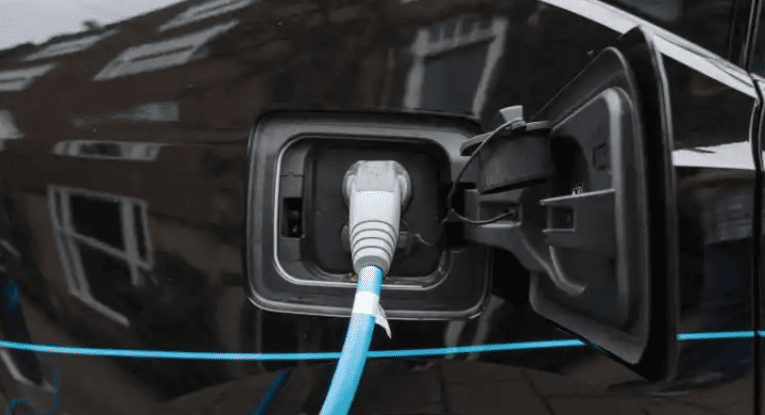
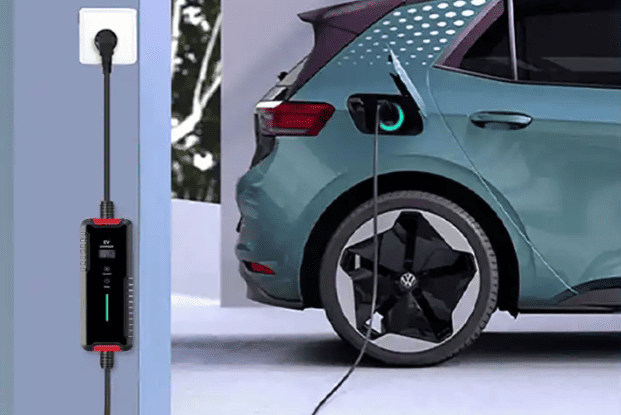
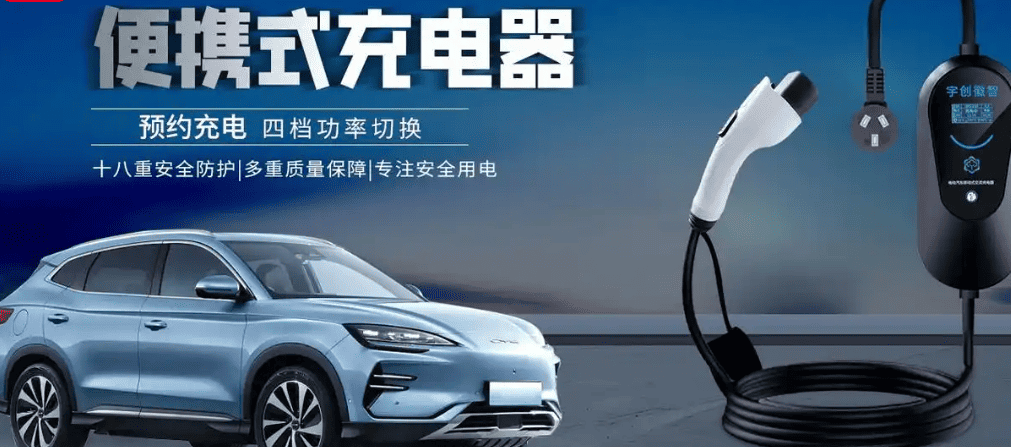
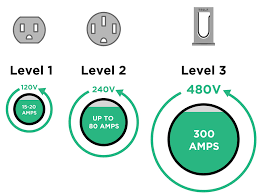
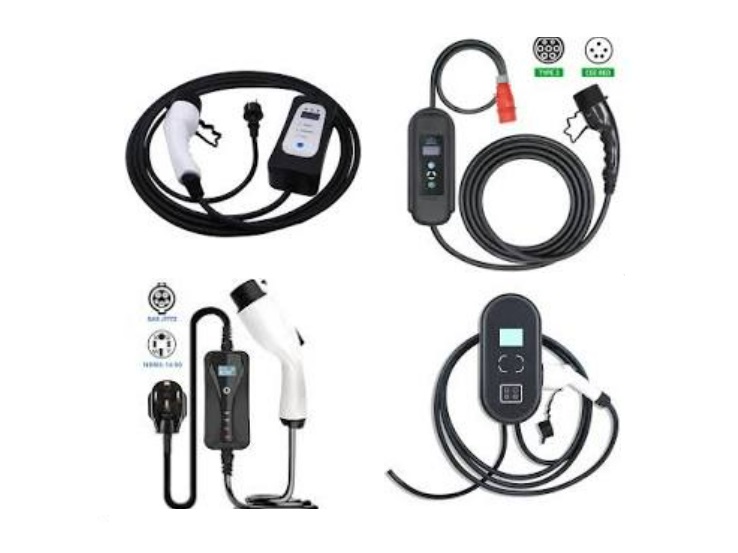
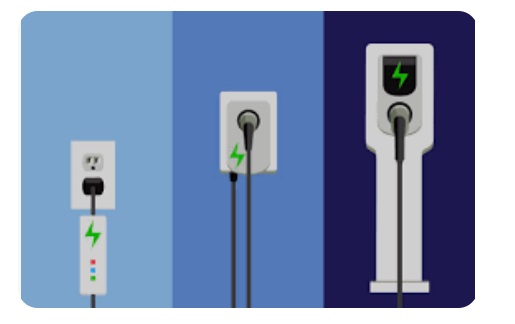
Using the cable included with your EV, plug into a standard 120V (North America) or 230V (Europe/Australia) household outlet. This “Level 1” charging delivers 1.4–2.3 kW, adding just 5–12 km of range per hour. A full charge can take 24+ hours. It’s ideal for low-mileage drivers or as a backup. Caution: Avoid extension cords or multi-plug adapters, which can overheat. Use dedicated circuits only.
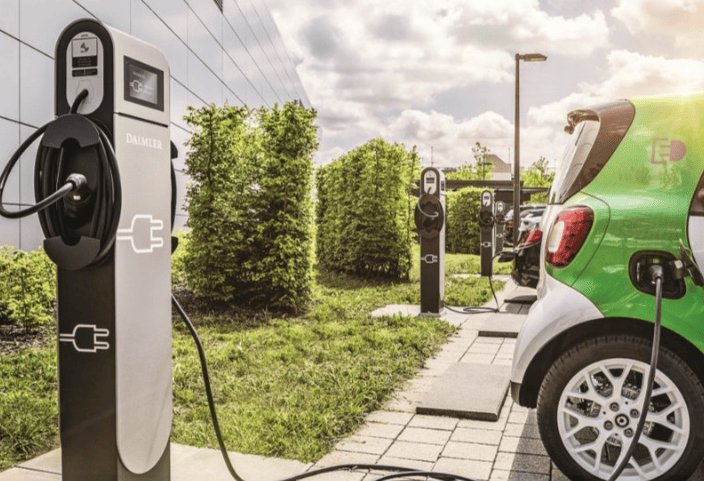
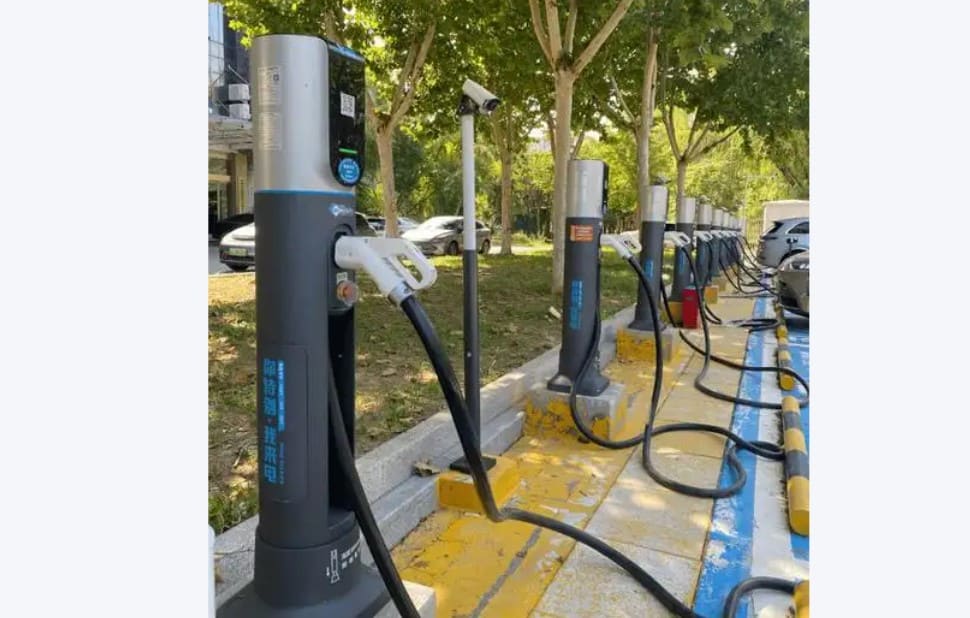
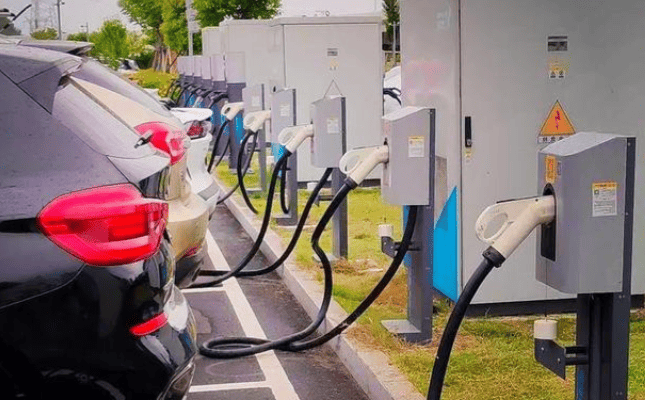
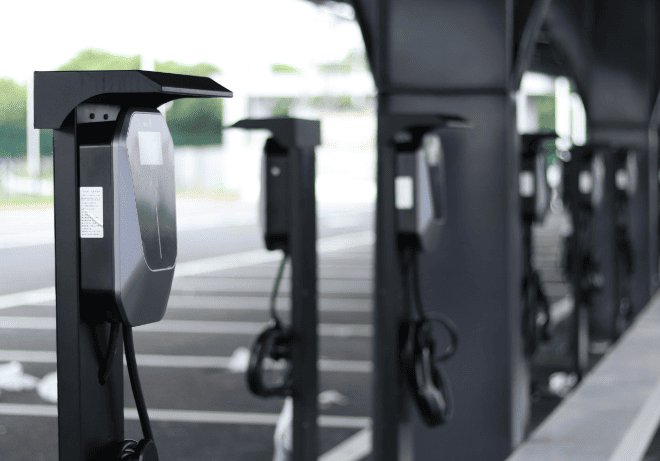
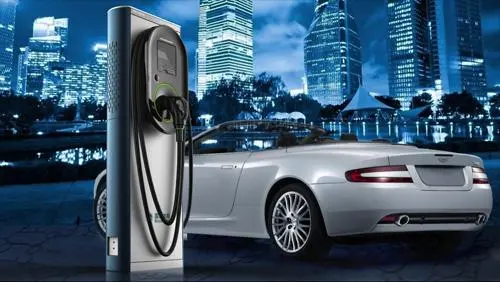
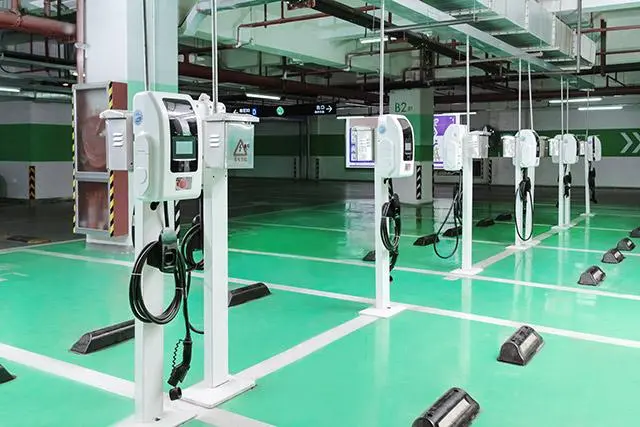
Method 2: Dedicated Home Charging Station (Level 2)
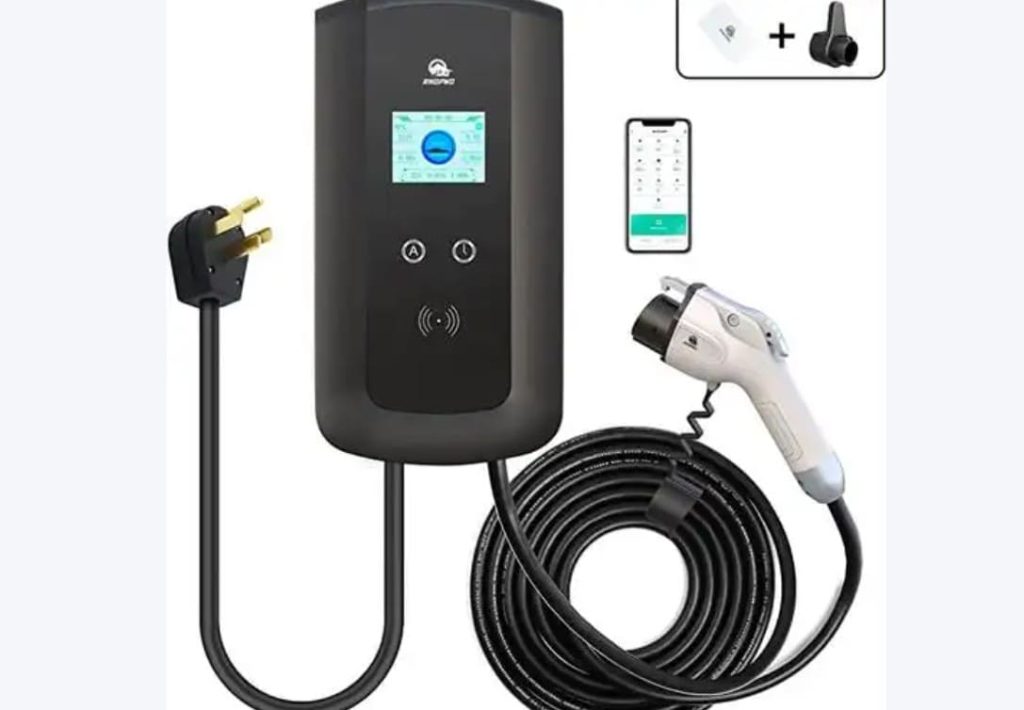
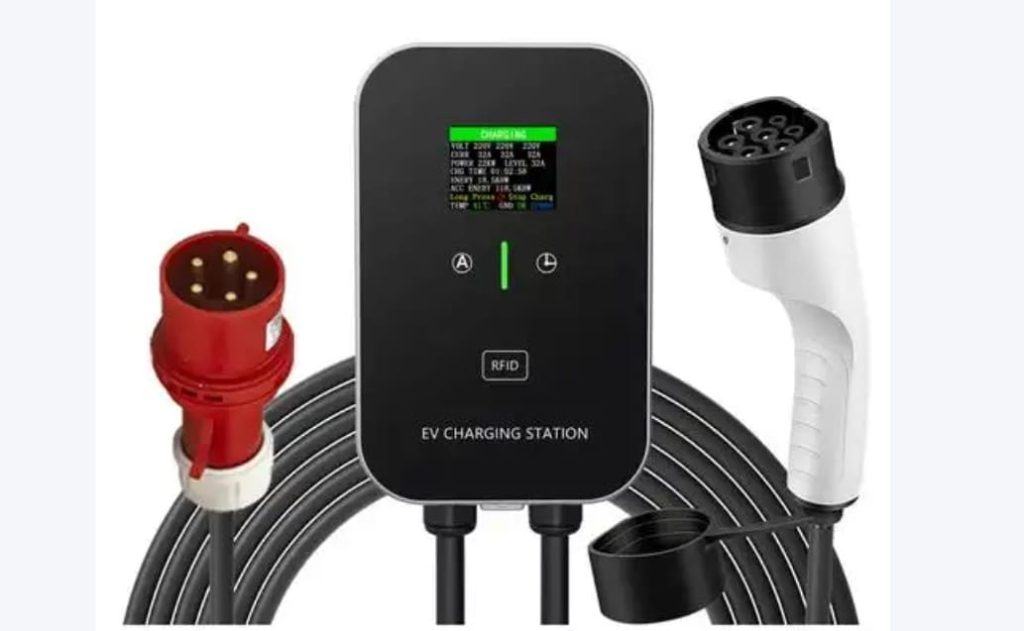
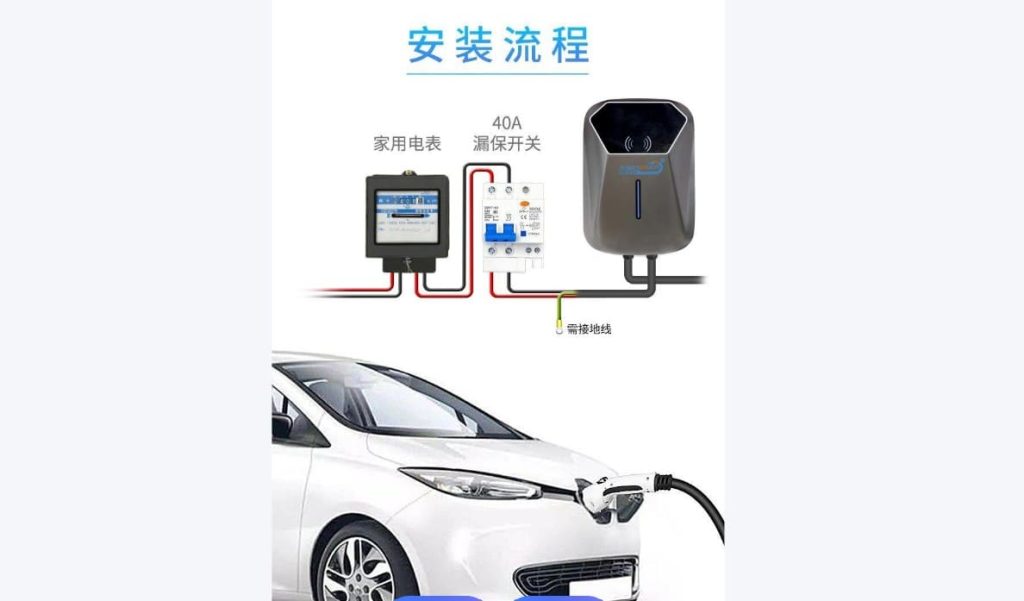
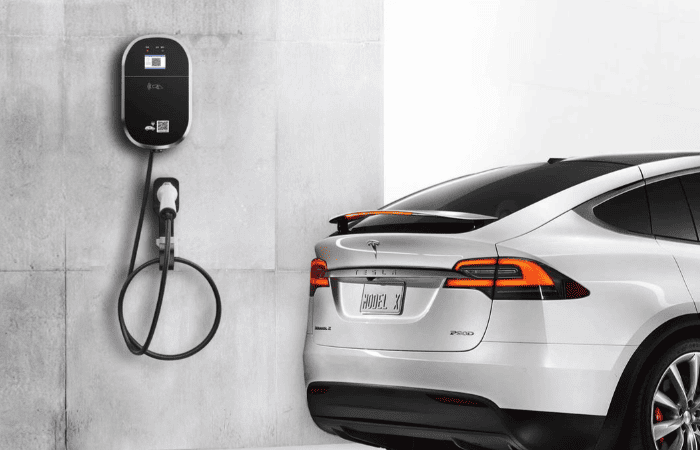
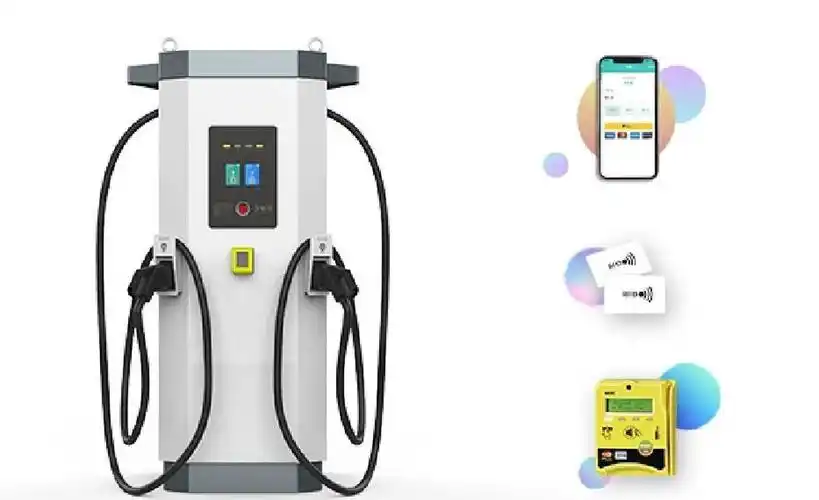
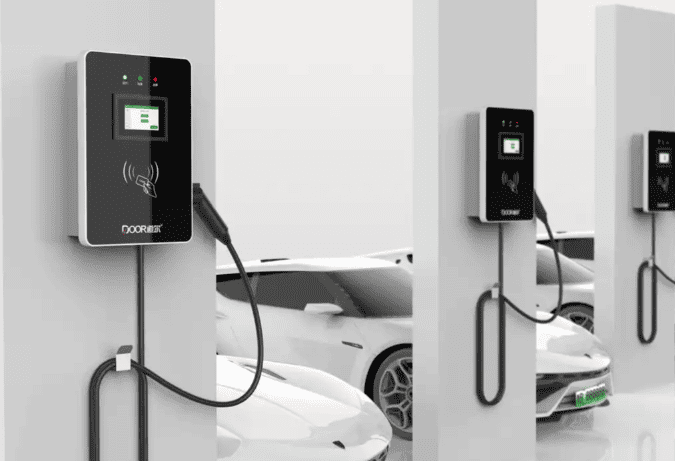
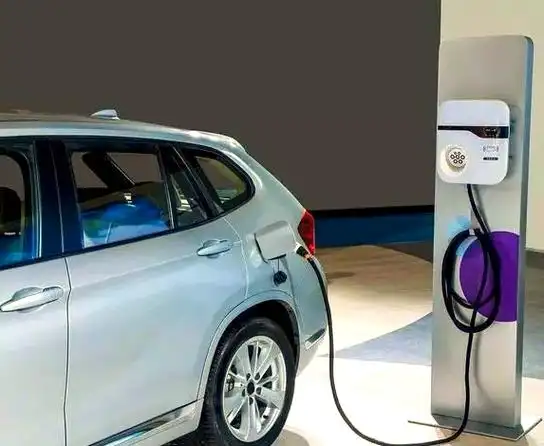
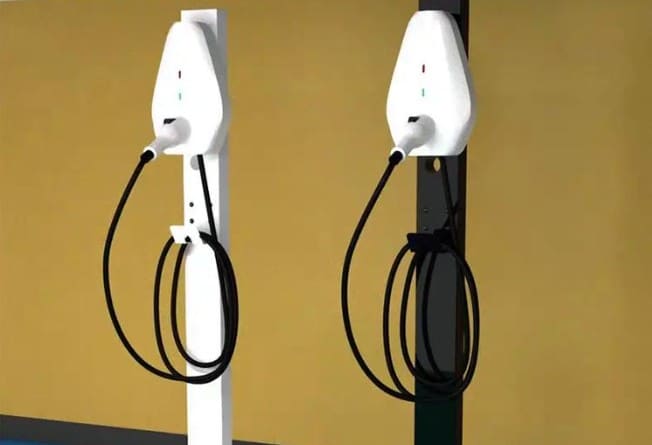
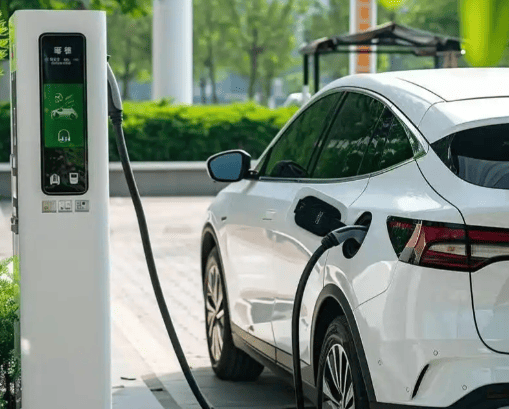
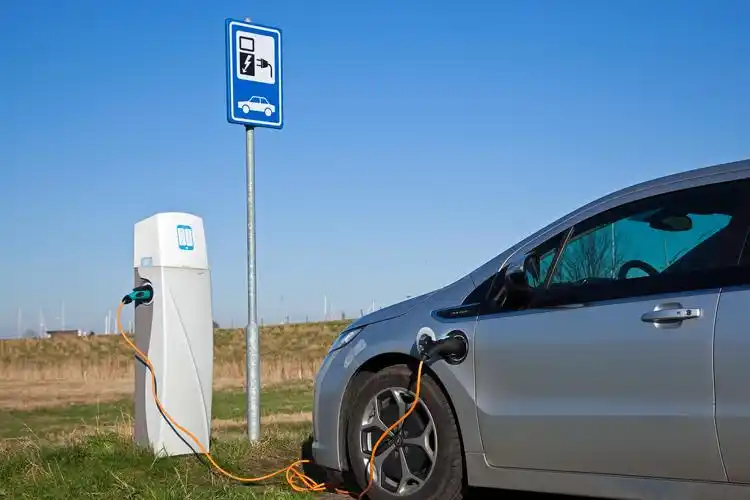
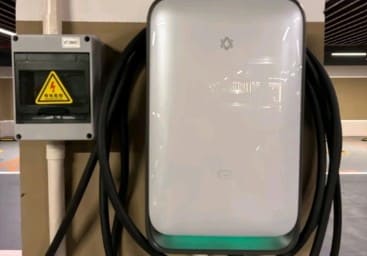
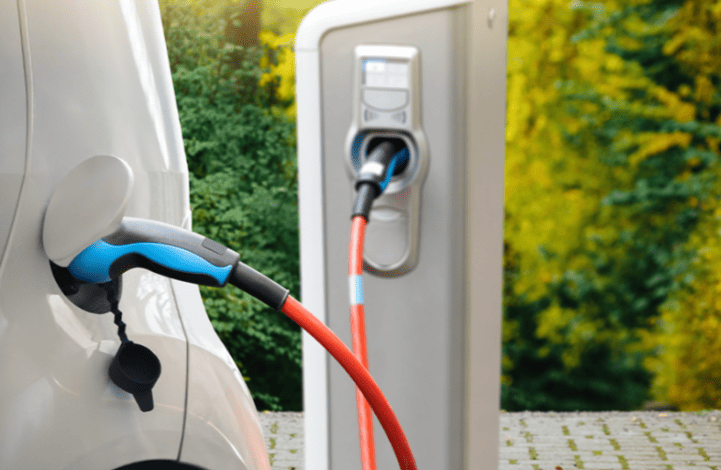
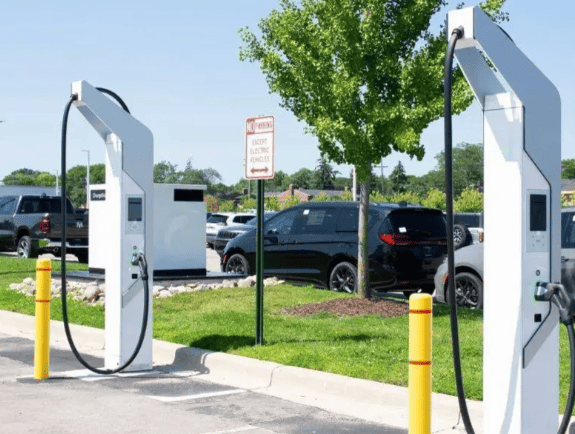
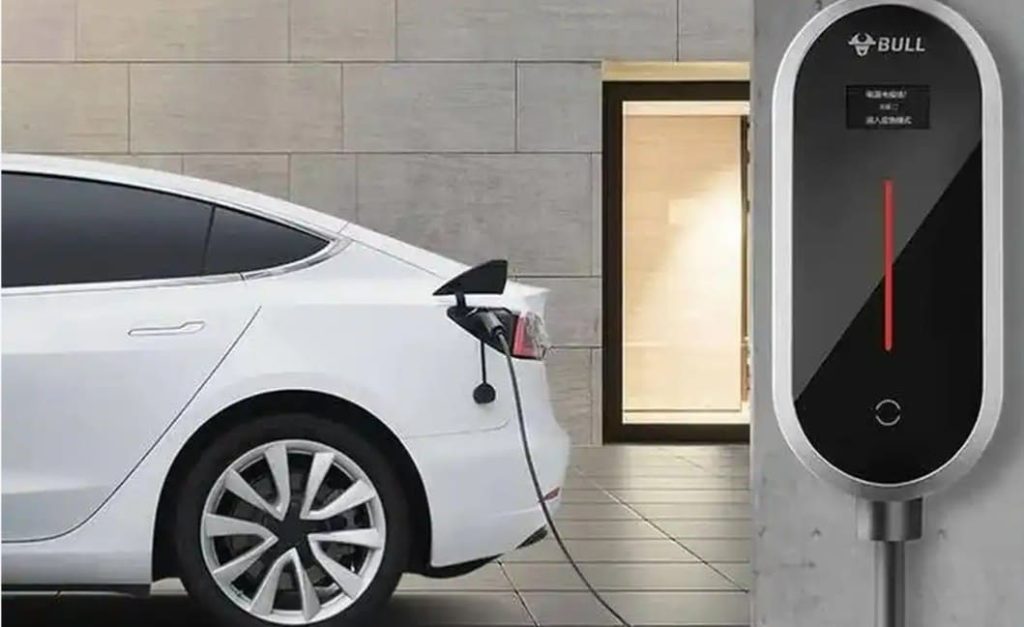
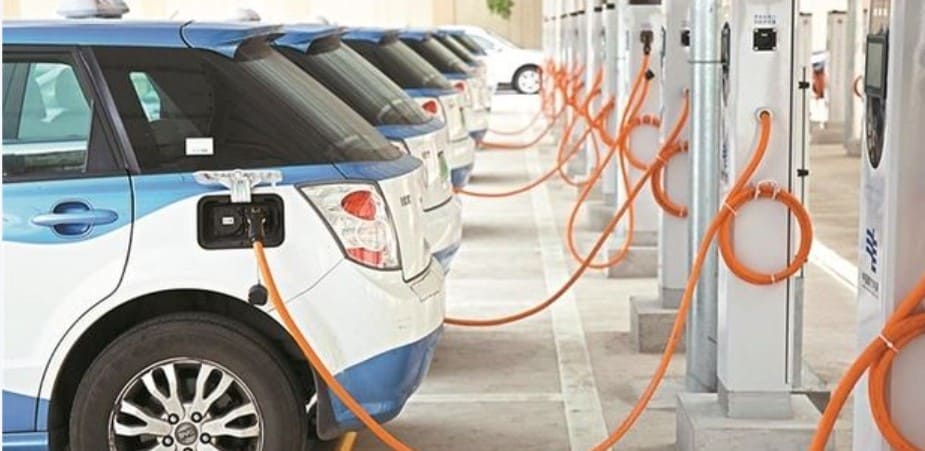
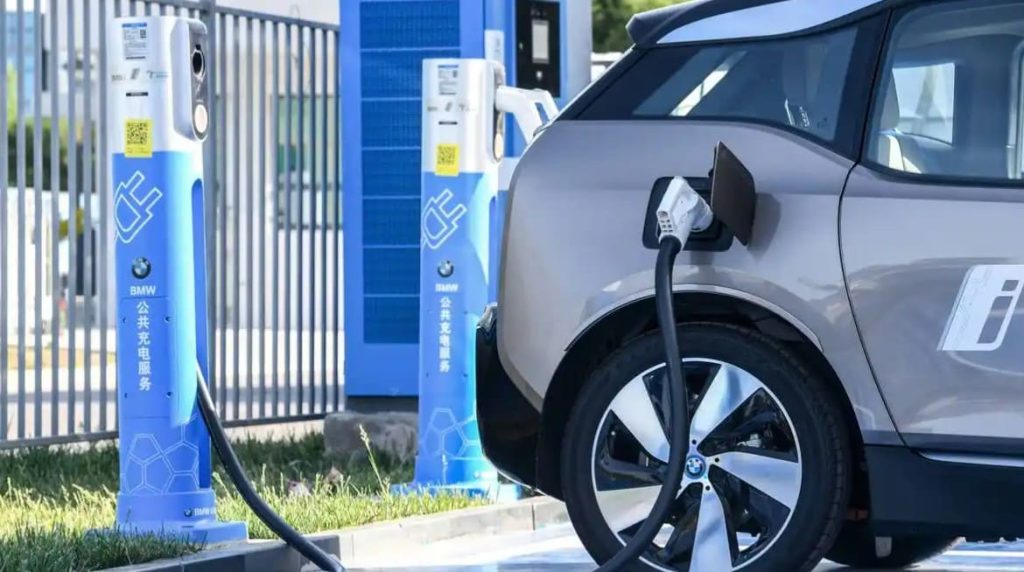
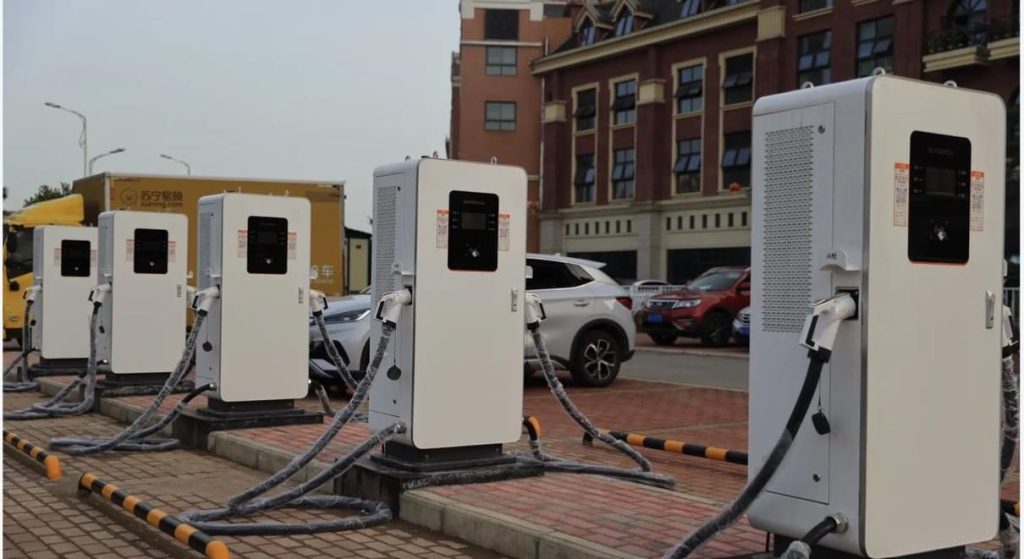
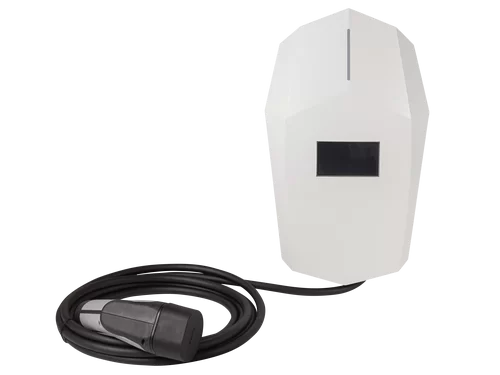
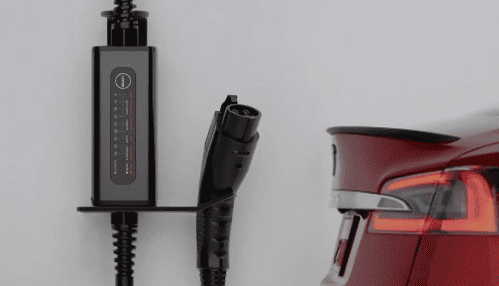
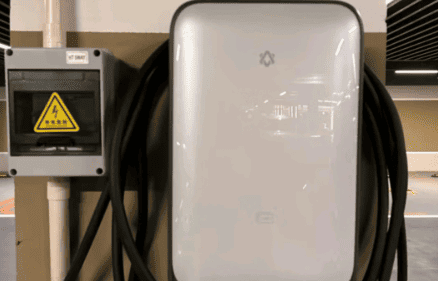
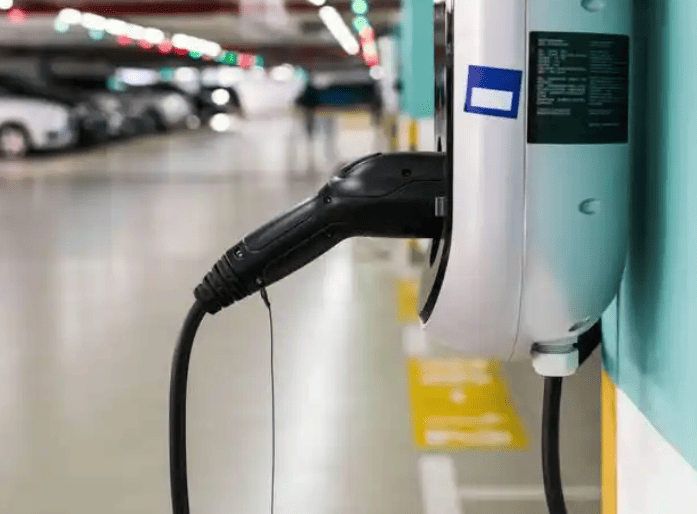
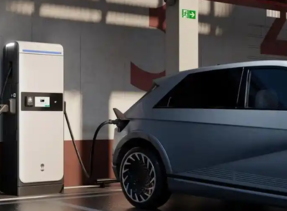
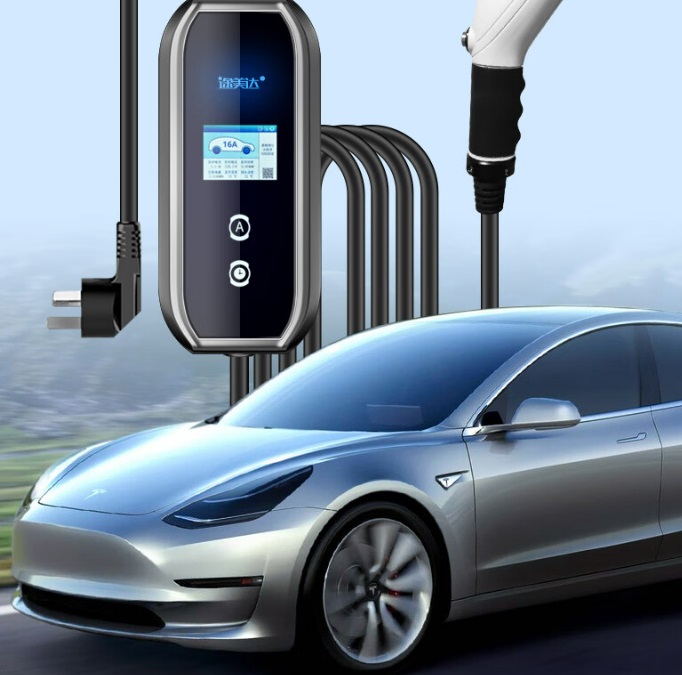
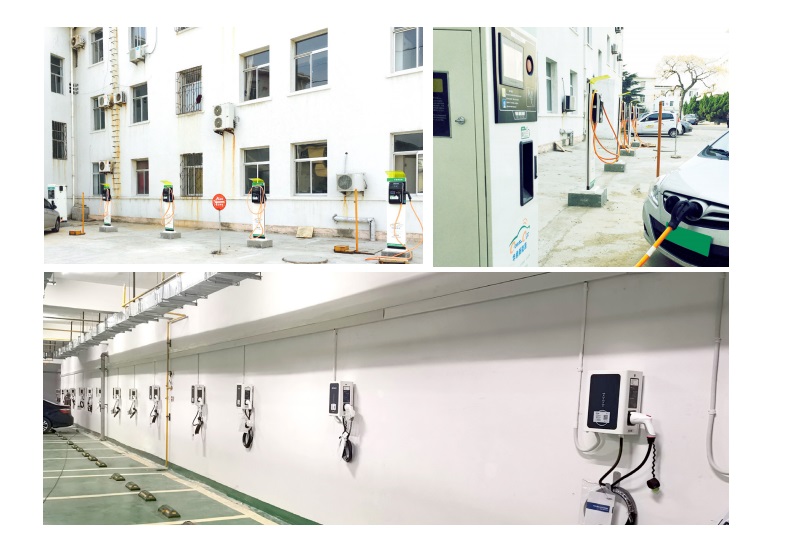
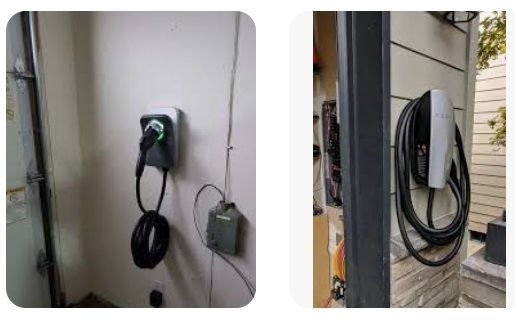
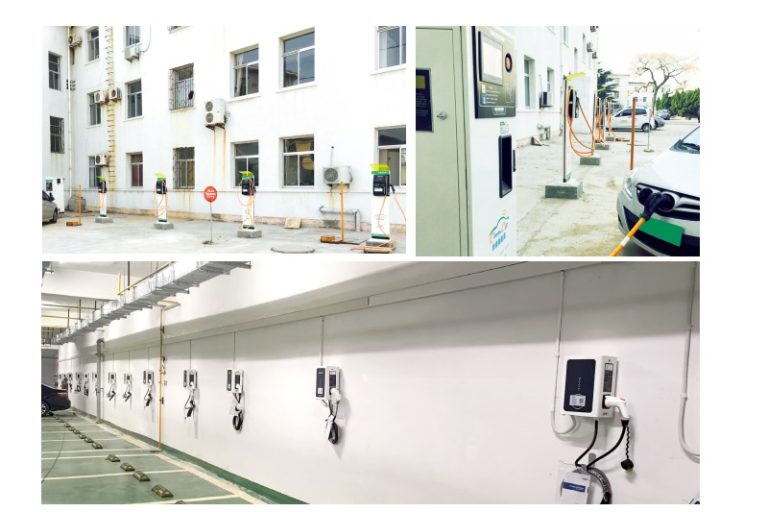
A professionally installed Level 2 charger uses 240V (North America) or 230V/400V (Europe) circuits, delivering 7–22 kW. This adds 30–120 km of range hourly, enabling overnight full charges. Installation requires:
- A dedicated circuit (e.g., 40–60 amps in North America).
- A wall-mounted unit with safety certifications (UL, CE, etc.).
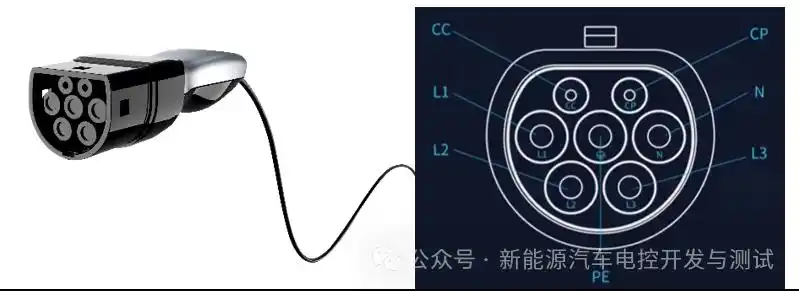
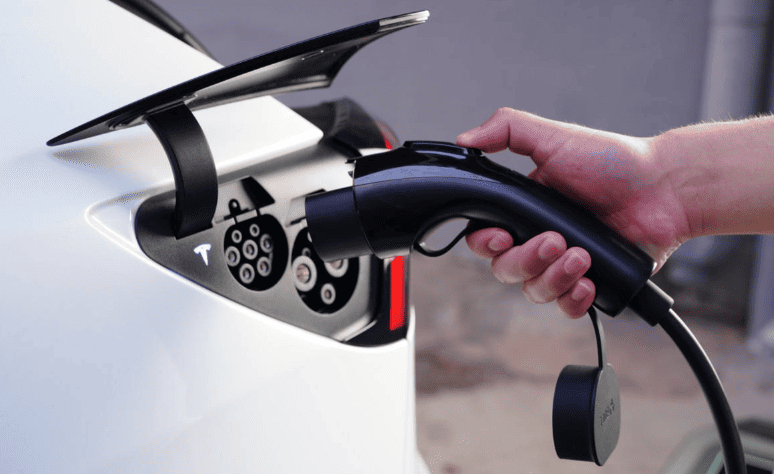
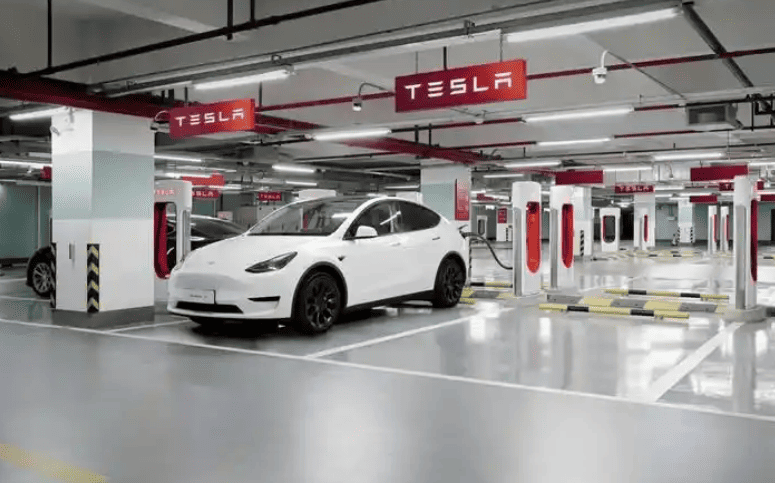
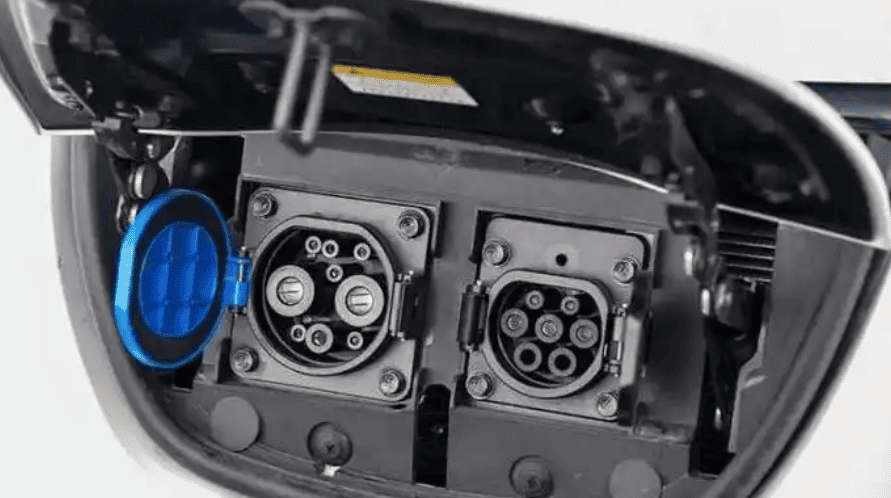
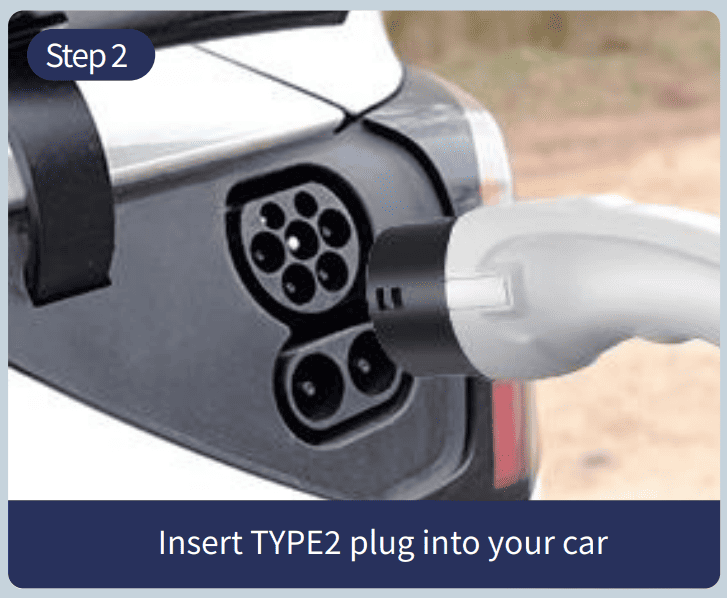
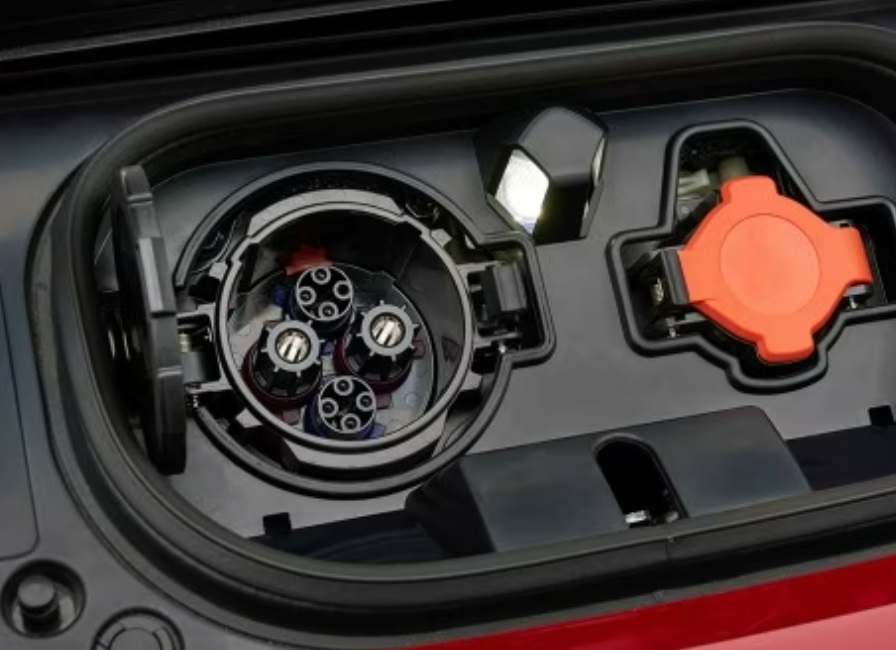
- Compatibility with your car’s connector (Type 1, Type 2, or Tesla).
Costs range from $500–$2,000 for hardware plus electrician fees. Many utilities offer rebates to offset this.
Method 3: Smart Charging Systems
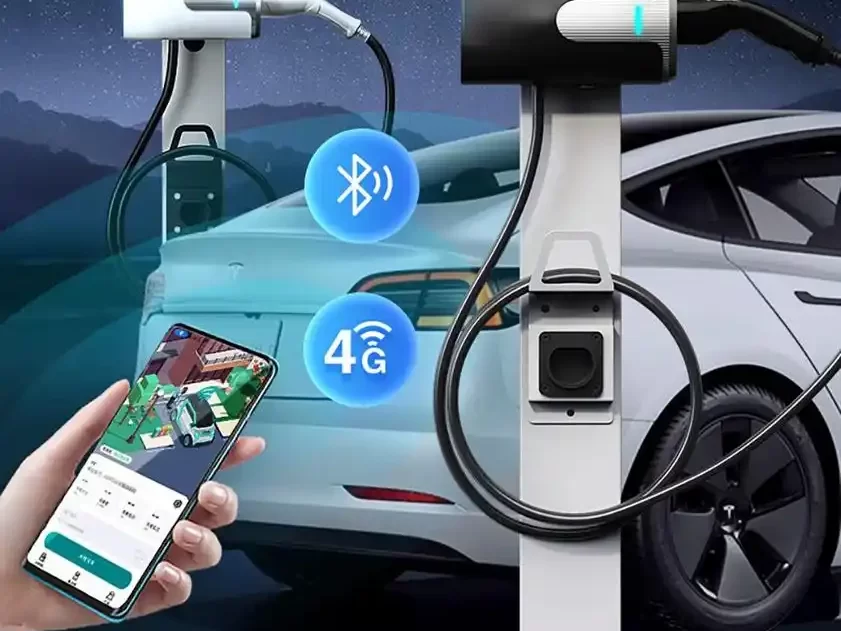
Modern chargers integrate Wi-Fi and apps to:
- Schedule charging during off-peak hours (saving 30–50% on electricity).
- Monitor energy use and costs.
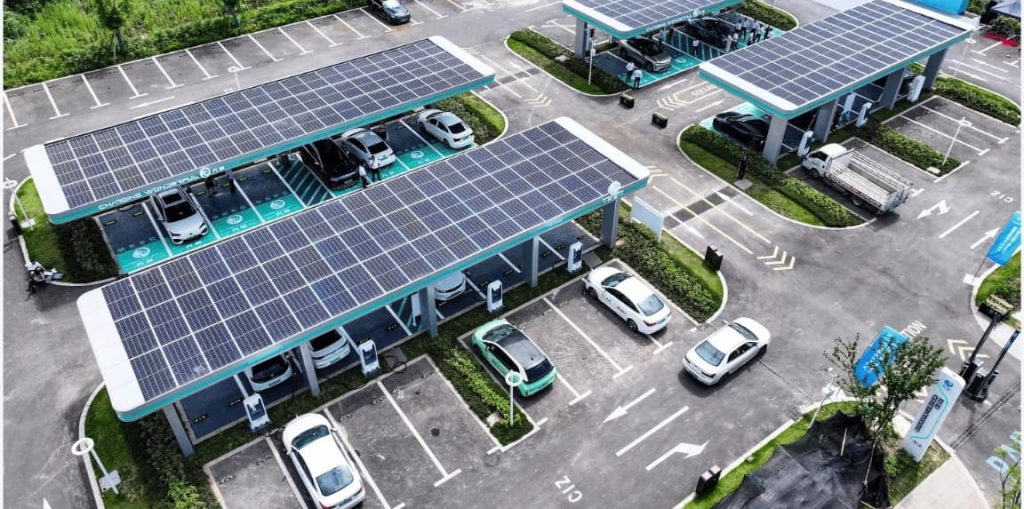
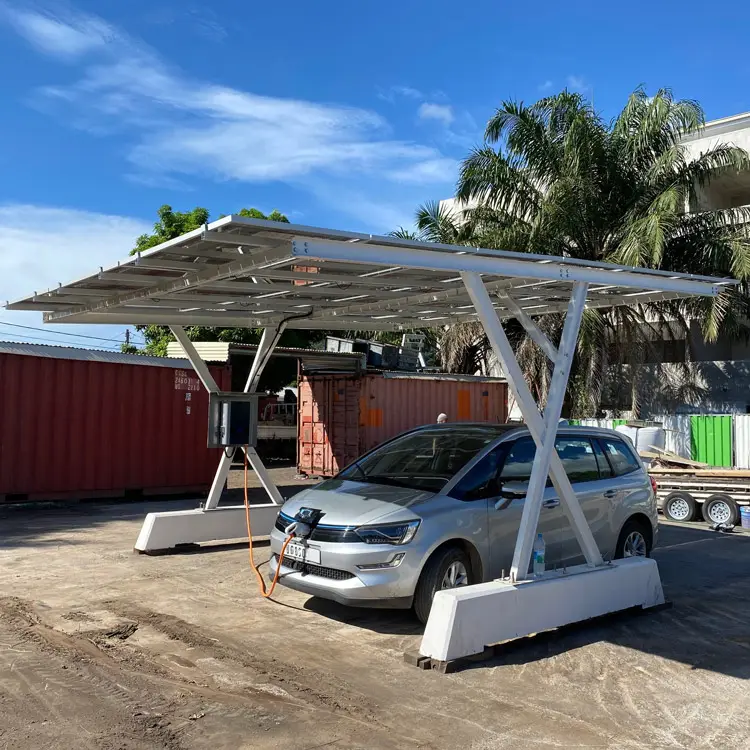
- Sync with solar panels or battery storage.
- Enable vehicle-to-grid (V2G) functions (in Europe/Japan) to sell surplus power back to utilities.
Critical Safety and Maintenance Guidelines
1. Avoid Extreme Battery States
Never drain your battery below 10–20% or consistently charge to 100%. Lithium-ion batteries degrade faster when stored at full or empty states. Set charging limits to 80–90% for daily use.
2. Use Certified Equipment Only
Non-compliant chargers risk fires or battery damage. Ensure your charger meets regional standards:
- UL in North America.
- CE in Europe.
- KC in Korea.
Regularly inspect cables for cracks or fraying.
3. Environmental Precautions
Charge indoors or in covered areas to protect connectors from rain/snow. Never charge in temperatures above 40°C (104°F) or below -20°C (-4°F), which can reduce efficiency or damage cells.
4. Long-Term Storage Tips
If storing your EV for weeks, charge the battery to 50–60% and disconnect it. Check monthly to maintain this level.
Global Home Charging: Key Market Differences
North America (USA/Canada)
- Voltage: 120V (standard outlets) or 240V (dryer/oven circuits).
- Connectors: Tesla uses proprietary plugs; others use J1772.
- Installation: Requires UL-certified chargers, dedicated circuits, and often a licensed electrician.
- Cost Savings: Off-peak rates average $0.10–0.15/kWh, translating to $6–12 for a 300-mile charge (vs. $30–45 for gasoline).
Europe (EU/UK)
- Voltage: 230V single-phase or 400V three-phase.
- Connectors: Type 2 (Mennekes) is mandatory.
- Smart Features: Load balancing and solar integration are prioritized.
- Regulations: CE certification required; apartments need strata approval.
Japan & South Korea
- Voltage: 100V (Japan) or 220V (Korea).
- Connectors: CHAdeMO (Japan) or Type 2 (Korea).
- Space Constraints: Compact chargers are essential for dense urban housing.
Australia
- Voltage: 230V single-phase; some homes support three-phase.
- Weatherproofing: IP65-rated outdoor units are critical for harsh climates.
- Solar Synergy: 30% of homes use rooftop solar, enabling near-zero-cost daytime charging.
Maximizing Home Charging Efficiency
- Time-of-Use Optimization
Utility off-peak windows (e.g., 11 PM–6 AM) can cut rates by 50%. Program your charger accordingly. - Solar Integration
Pairing EV charging with home solar reduces costs by 60–100%. Smart chargers auto-adjust to solar output. - Battery Longevity Practices
- Charge slowly (Level 1/2) when possible; DC fast charging stresses batteries.
- Keep the vehicle plugged in during temperature extremes to enable thermal management.
- Load Management
Install chargers with dynamic current control to prevent circuit overloads if using other high-power appliances.
Conclusion: Smart Charging = Significant Savings
Although EV charging at home isn’t free, it’s much more affordable and practical than using gas or public transportation. With electricity savings, a $600 Level 2 charger usually pays for itself in 1-2 years. Drivers can save 80% on costs compared to fossil fuels by choosing certified hardware, charging during off-peak hours, and keeping their batteries healthy—all from the convenience of their garage. Future developments like bidirectional charging will further turn EVs into mobile energy assets as global standards change, converting today’s costs into tomorrow’s revenue.
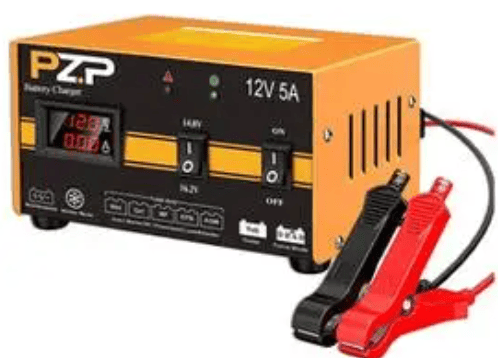
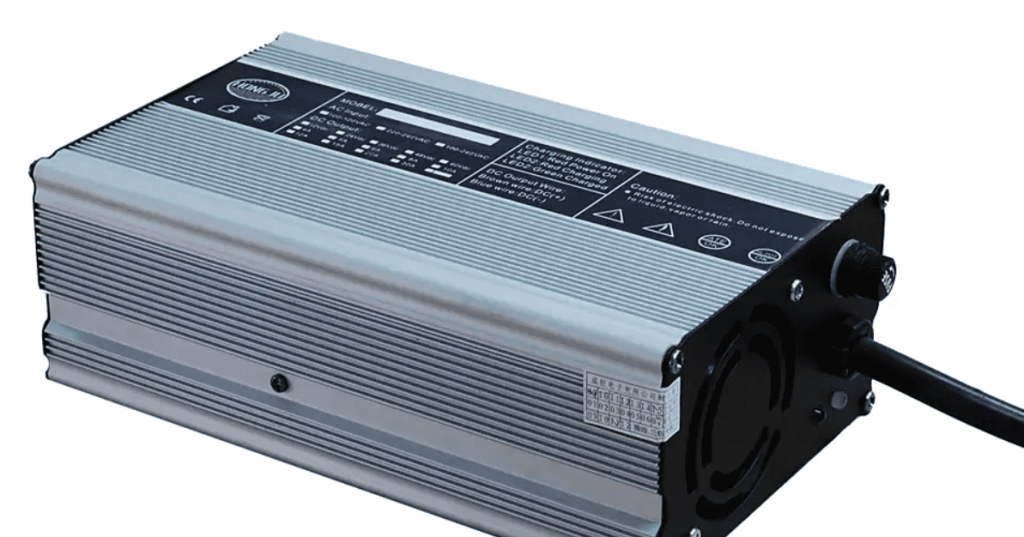
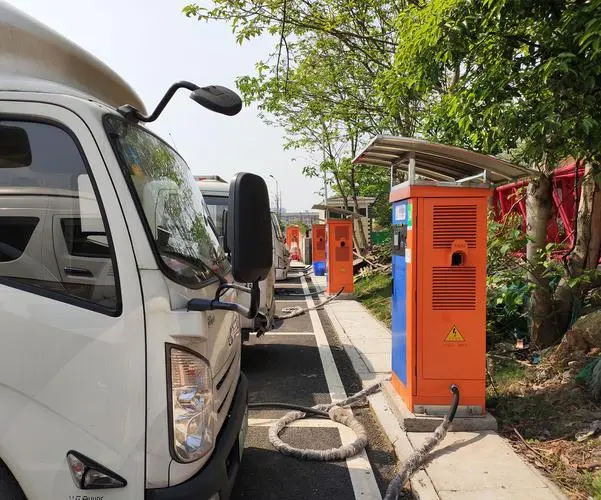
Recommend Slow Charger Products:
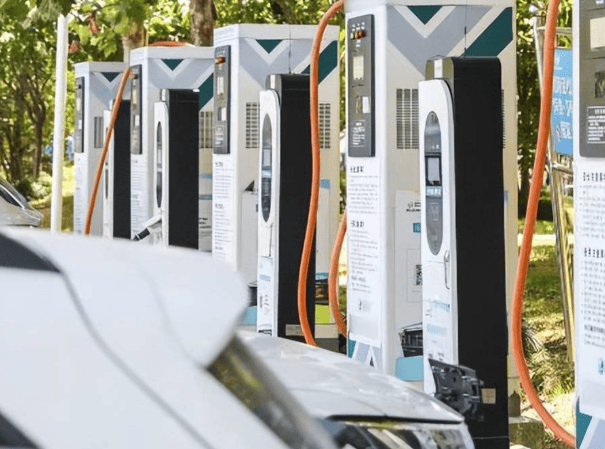
Charging pile:
Contact Us
Whatsapp/Mobile: +86 18019762979
Email: sales@lkmixer.com