Should I Charge My EV Every Night?
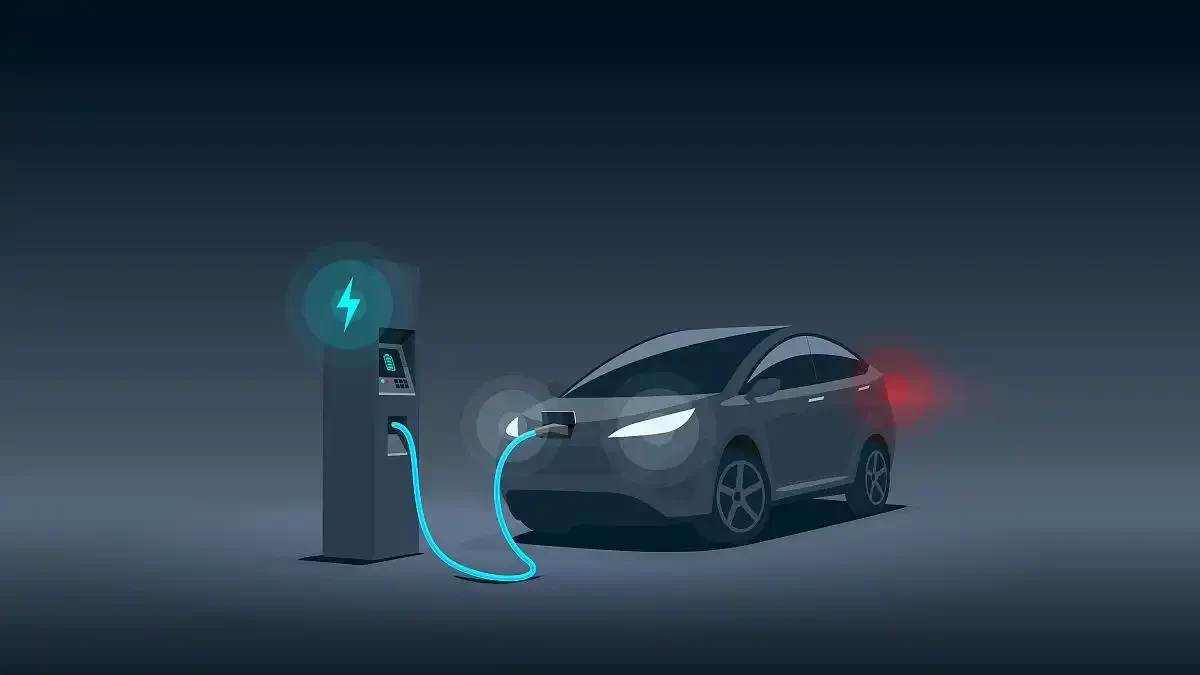
Should I Charge My EV Every Night?Although charging your EV every night is usually safe and convenient, it is not always required for battery health; the best charging schedule will depend on your daily driving requirements, the type of battery in your car, your access to home charging, and your local electricity prices.
Understanding Lithium-ion Battery Chemistry and “Stress”
The decision of whether to charge nightly is rooted in the science of lithium-ion batteries. These batteries experience minimal stress when kept in a moderate state of charge, typically between 20% and 80%. Consistently charging to 100% and leaving the battery at a high voltage for extended periods, or frequently draining it to very low levels (e.g., below 10%), can accelerate long-term chemical degradation.
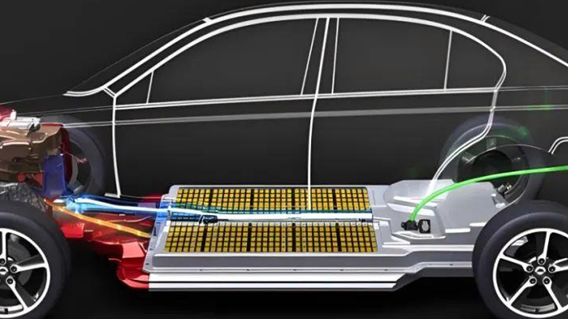
This degradation manifests as a reduction in the battery’s maximum capacity (it won’t hold as much charge) and an increase in its internal resistance (it can’t deliver power as efficiently). Modern electric vehicles have a sophisticated Battery Management System (BMS) that acts as a guardian. It includes built-in buffers, meaning when your dashboard shows 100%, the battery is not actually at its true, most stressful electrochemical maximum. The BMS also carefully manages the charging rate, slowing it down significantly as it approaches full capacity to reduce heat and strain. Therefore, while keeping the battery at a very high or very low state of charge for long periods is not ideal, the BMS provides a large safety net that makes nightly charging to a preset limit (like 80-90%) a perfectly viable and low-risk habit.
The Convenience and Economic Factor of Home Charging
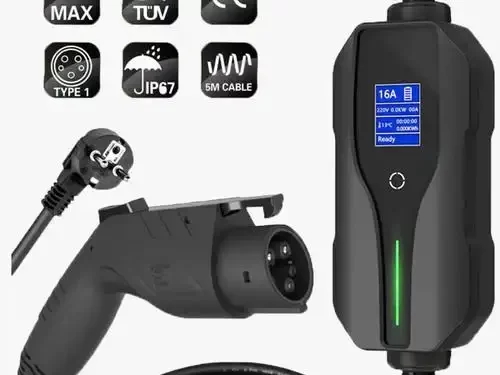
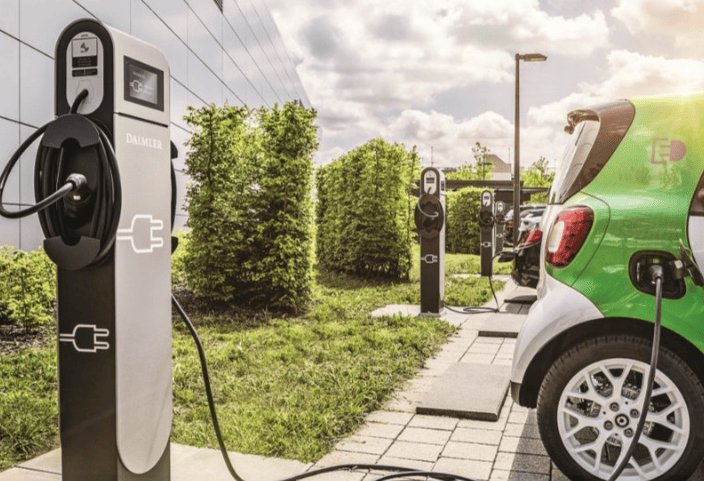
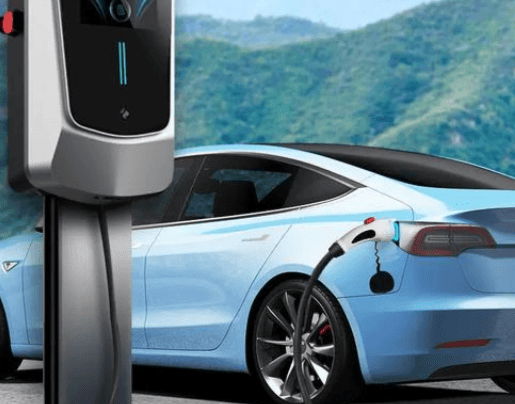
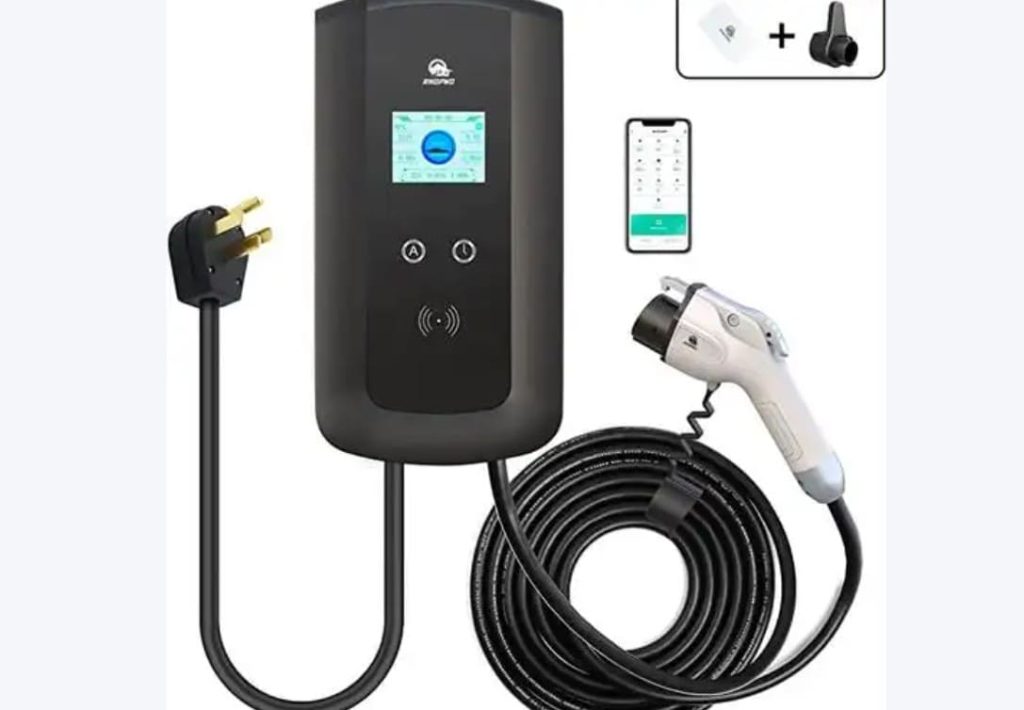
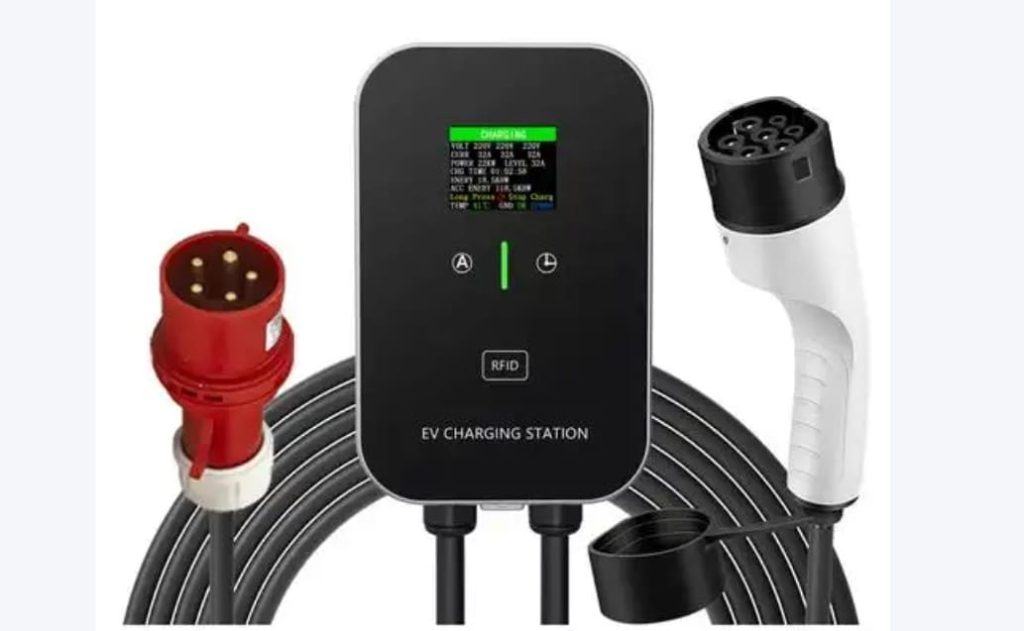
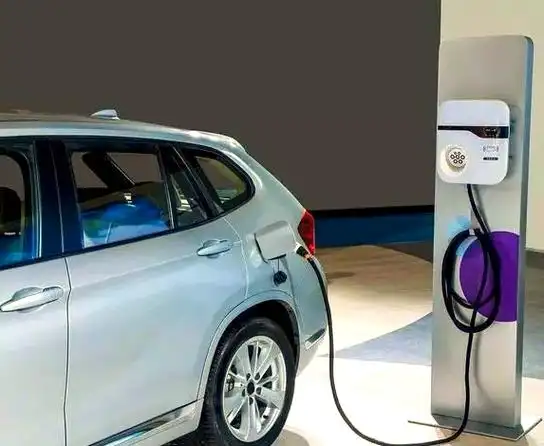
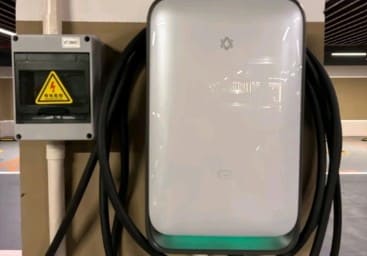
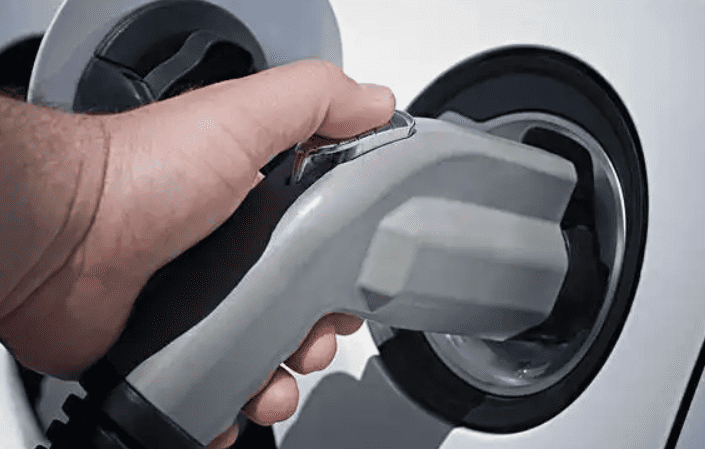
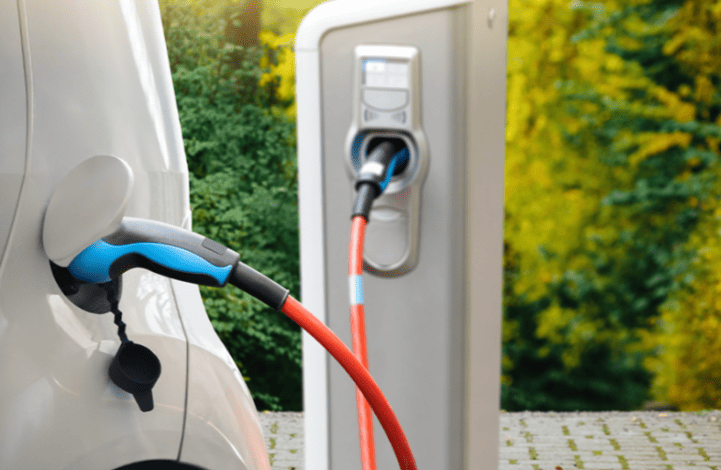
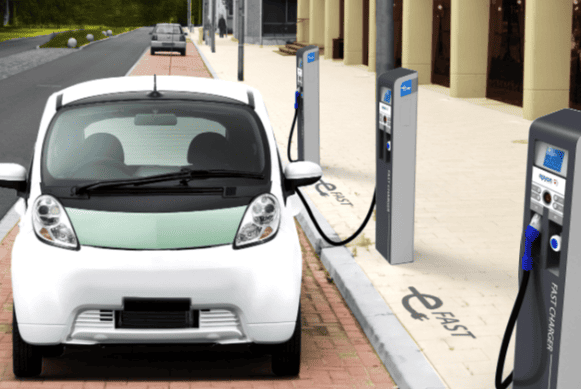
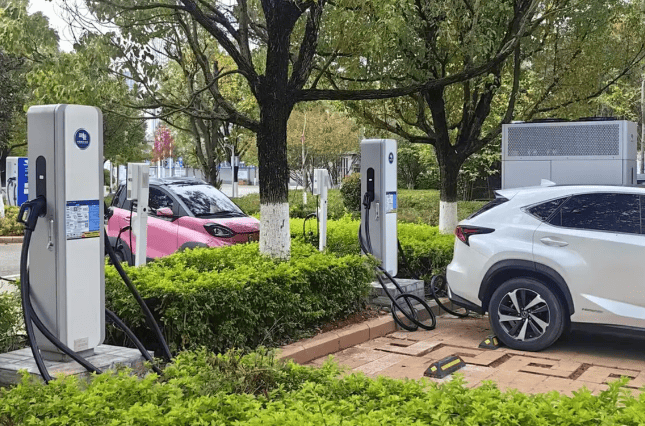
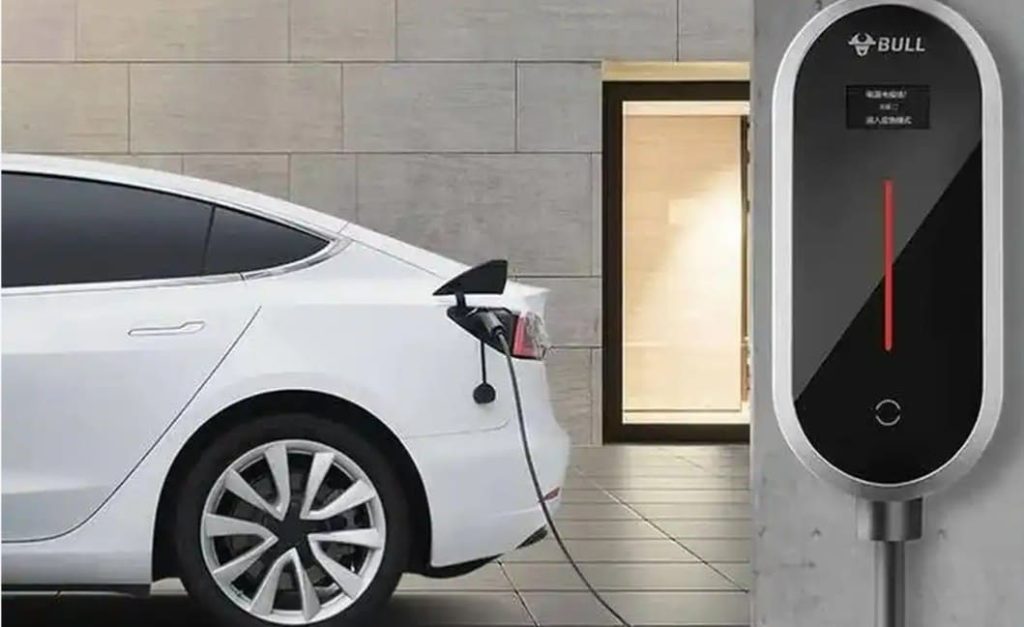
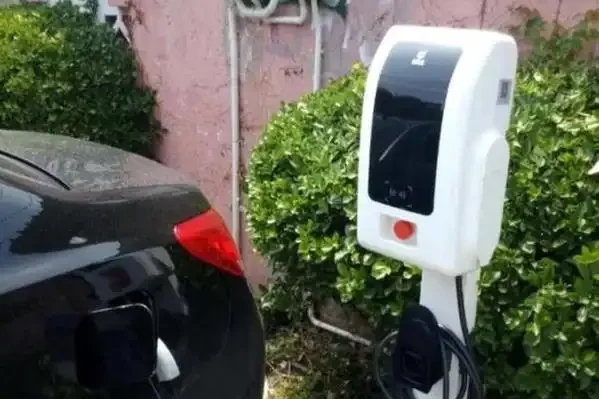
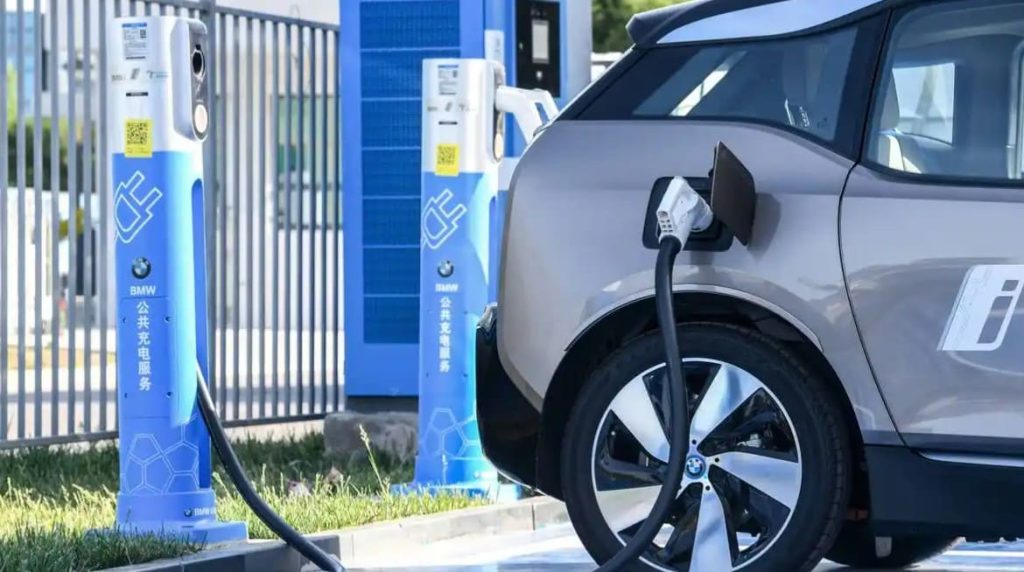
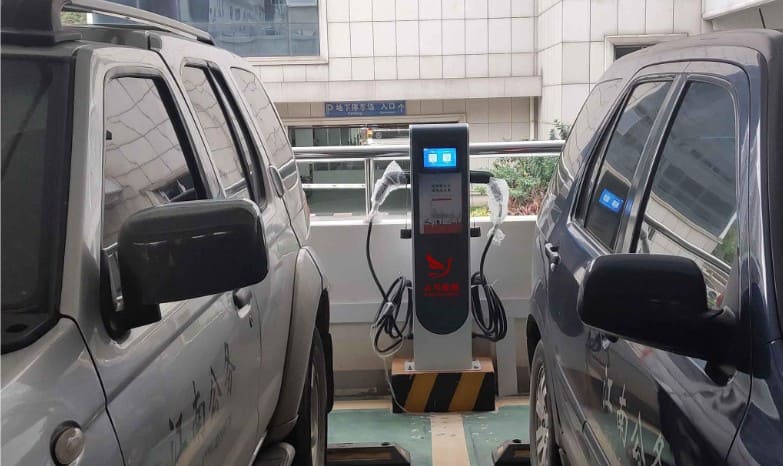
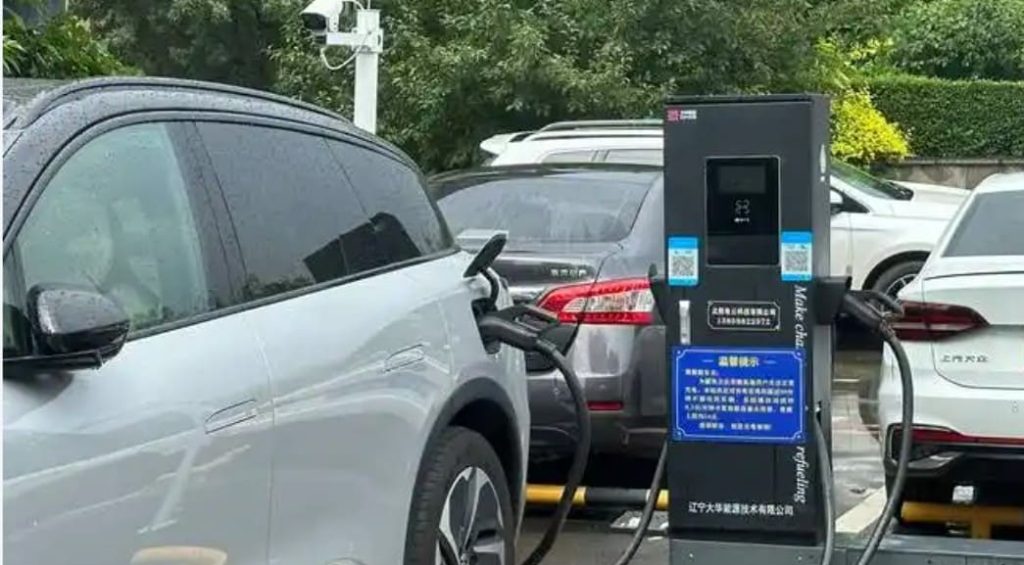
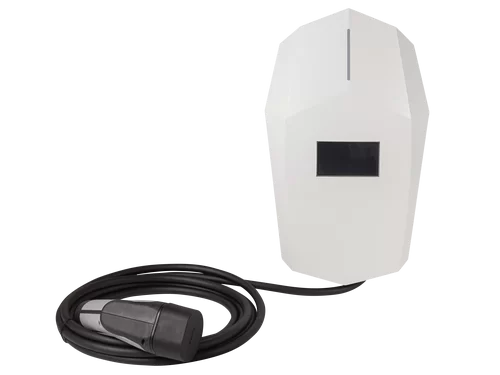
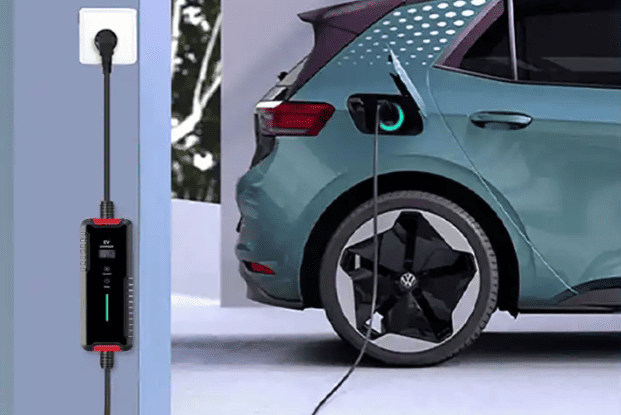
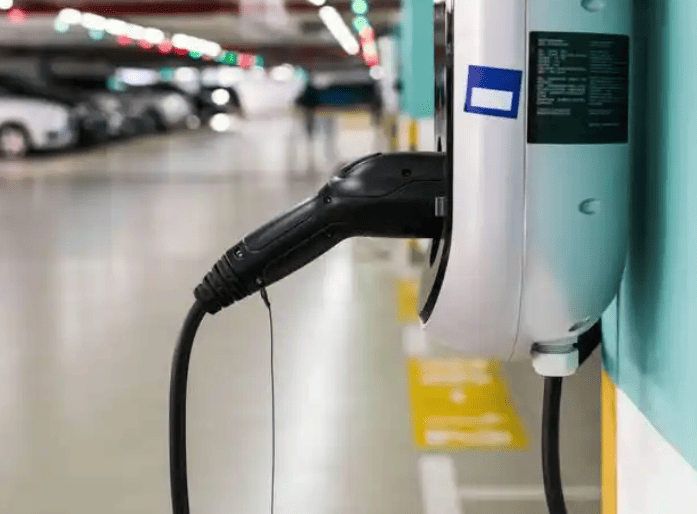
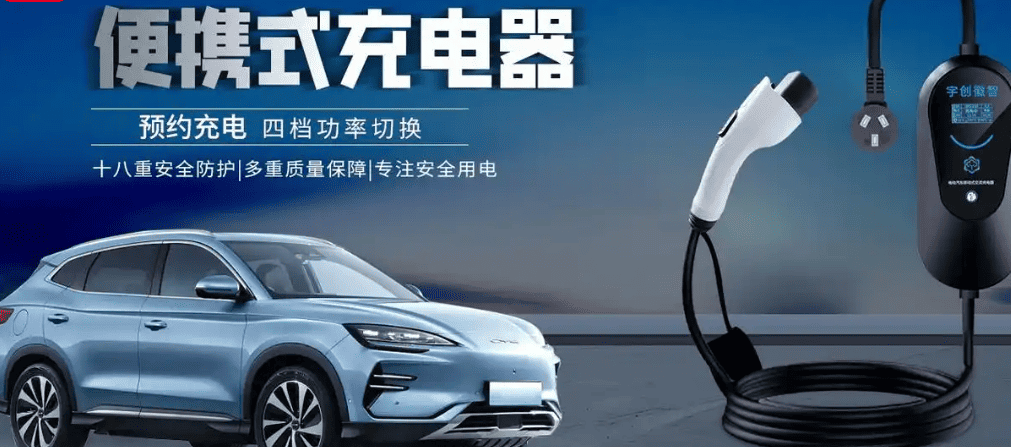
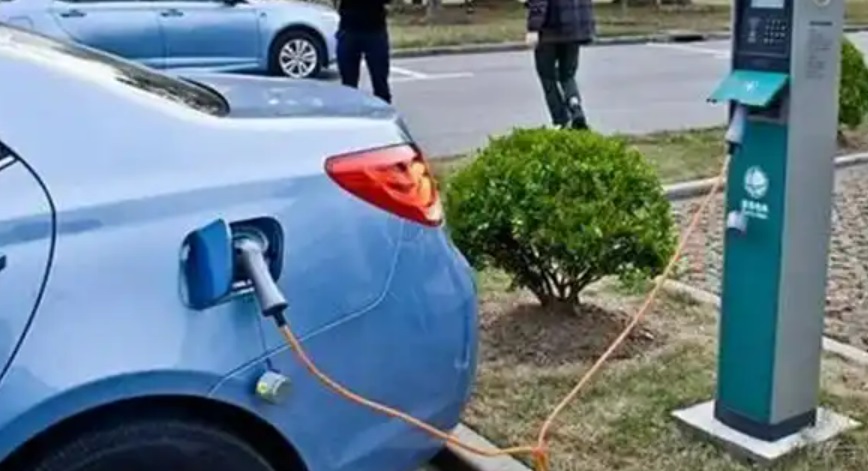
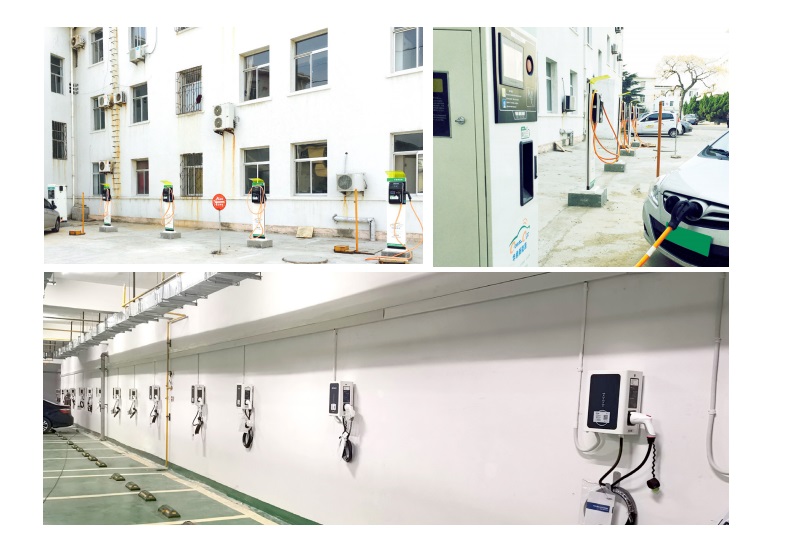
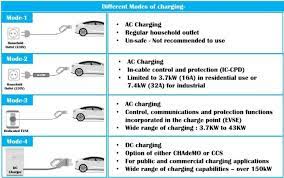
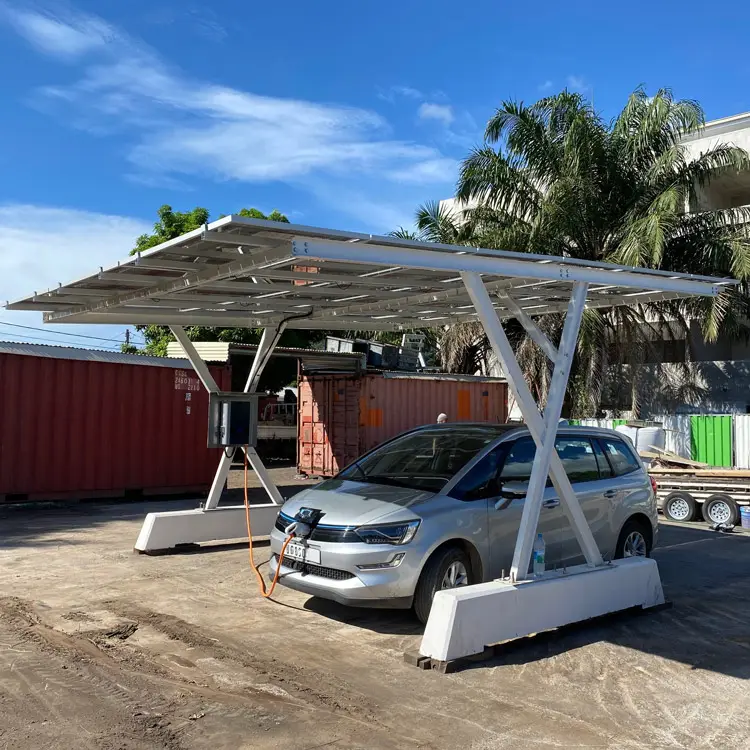
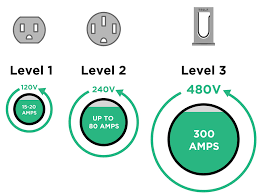
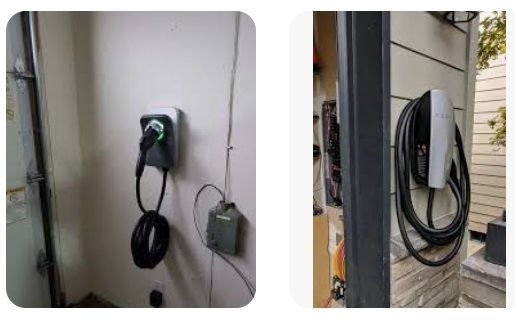
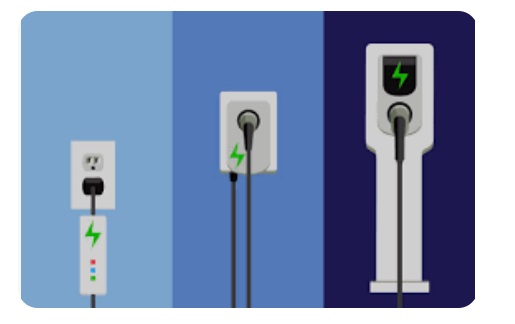
For EV owners with a Level 2 home charger, plugging in every night offers unparalleled convenience and can be the cheapest option. Waking up every morning to a “full tank” eliminates any range anxiety for daily commutes or unexpected errands. It transforms the EV ownership experience, making it more convenient than having to periodically visit a gas station.
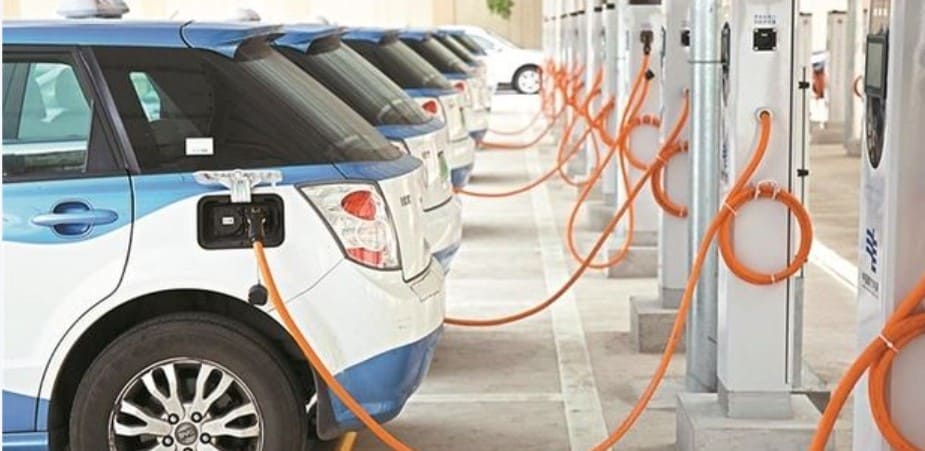
Furthermore, this habit allows you to fully capitalize on time-of-use (TOU) electricity rates. Many utility companies offer significantly lower prices for electricity during off-peak hours, usually overnight (e.g., 11 p.m. to 7 a.m.). By scheduling your charging sessions to occur exclusively during these super-off-peak windows, you can cut your charging costs by 50% or more compared to charging during the day or using public stations. In this scenario, nightly charging isn’t just convenient; it’s the most economically savvy strategy.
When Nightly Charging is Unnecessary or Inadvisable
Despite the benefits, charging every single night is not a requirement and can sometimes be counterproductive.
- Low Daily Mileage: If your daily driving only uses a small fraction of your battery’s range (e.g., 10-20 miles out of a 250-mile range), there is no technical need to recharge every night. The battery will experience less cumulative electrochemical stress if you allow its state of charge to vary within a band, say between 50% and 70%, only plugging in every two or three days. This is a “shallow cycling” pattern that is very gentle on the battery.
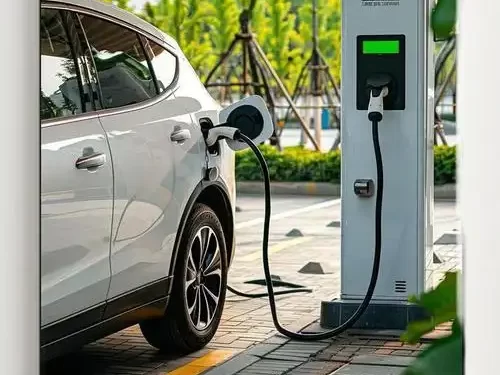
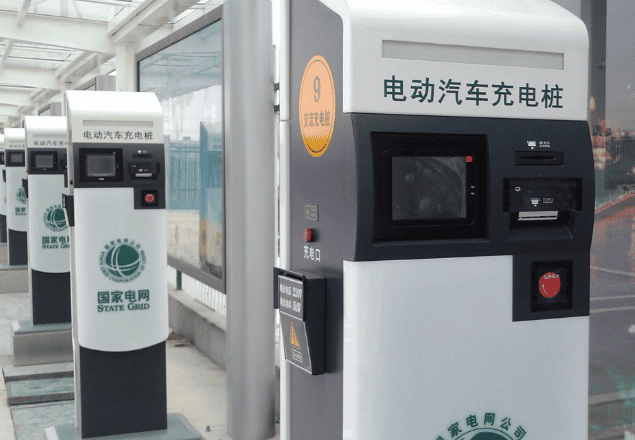
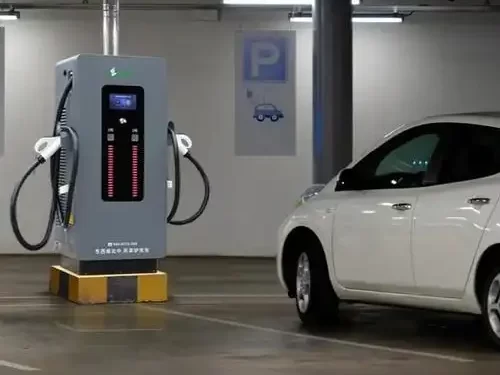
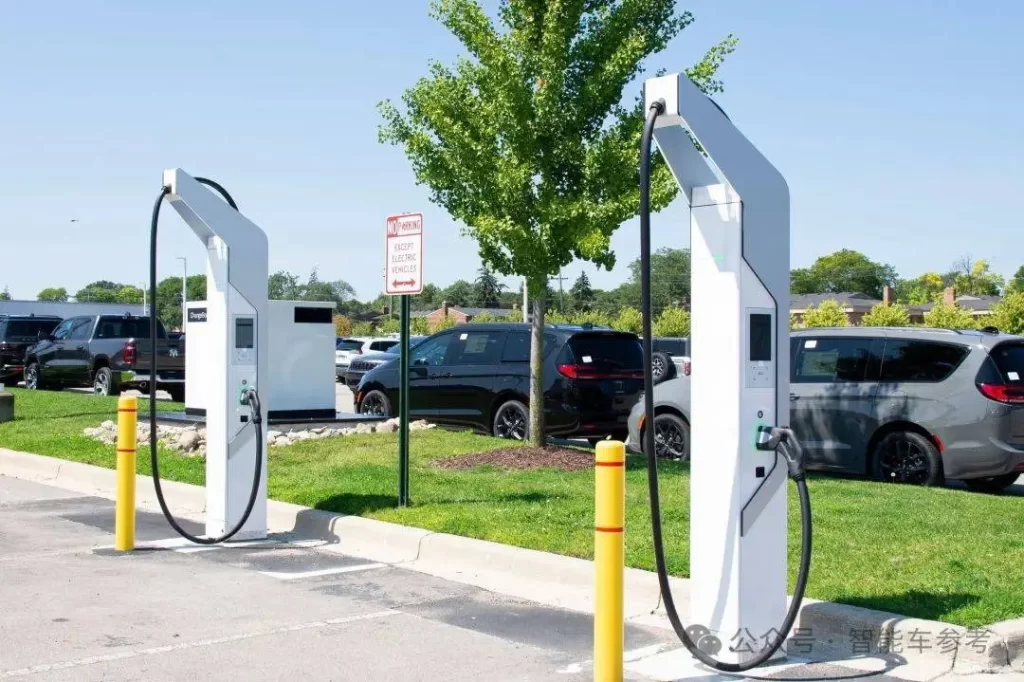
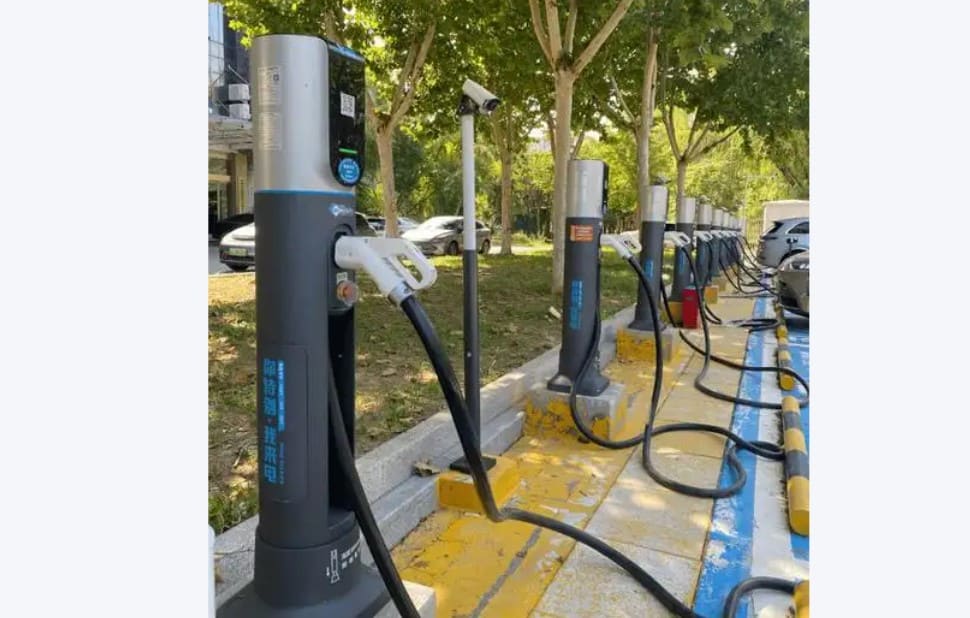
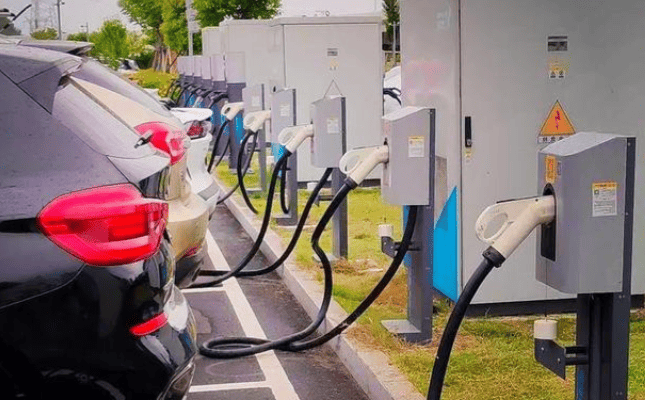
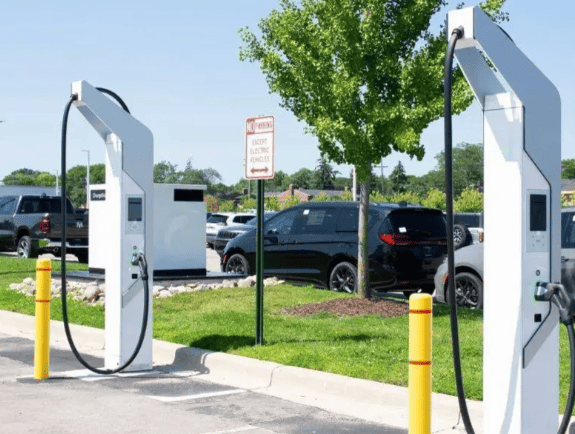
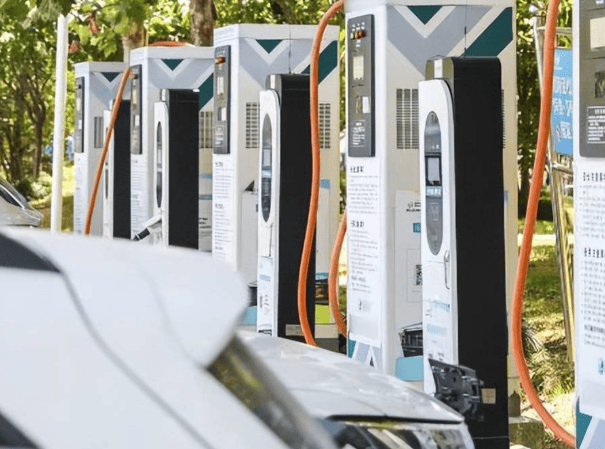
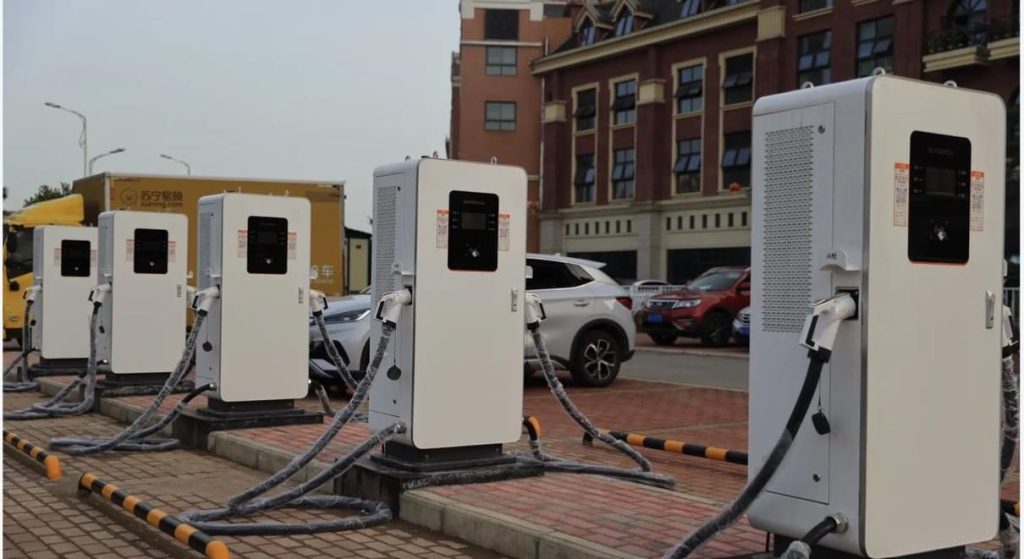
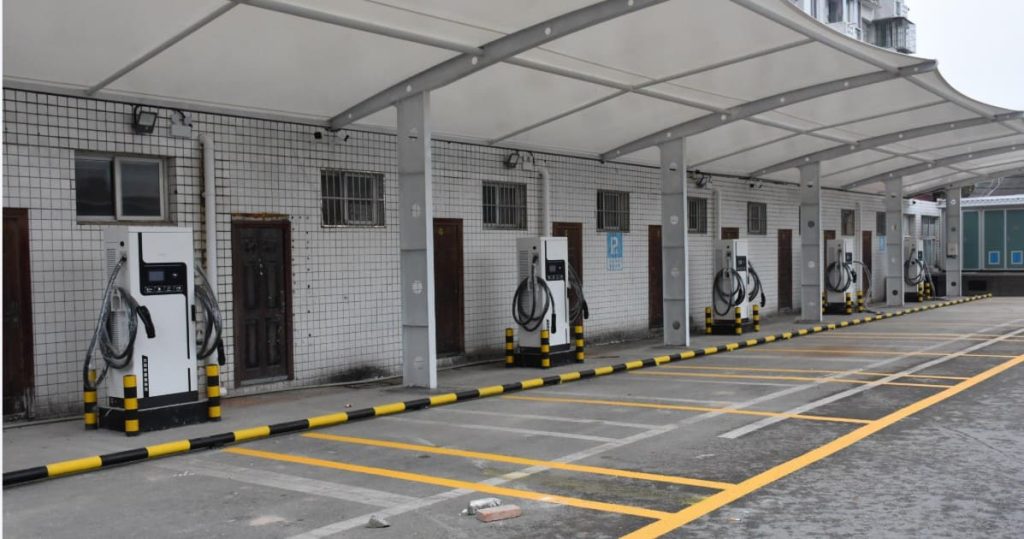
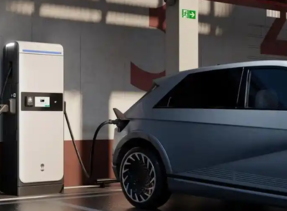
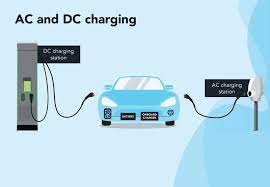
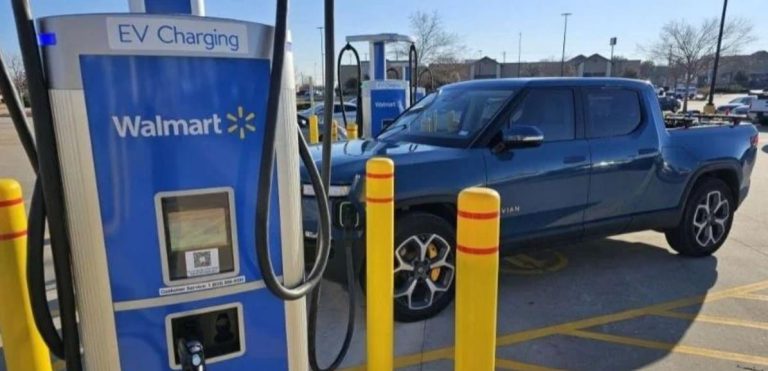
- Reliance on Public DC Fast Charging: If you do not have home charging and rely on public DC fast chargers, nightly charging is impractical and expensive. The high costs per kWh and the time required to travel to and from a station make this routine unsustainable. In this case, a better strategy is to charge to 80% at a public station once or twice a week, or whenever the battery level drops to around 20-30%.
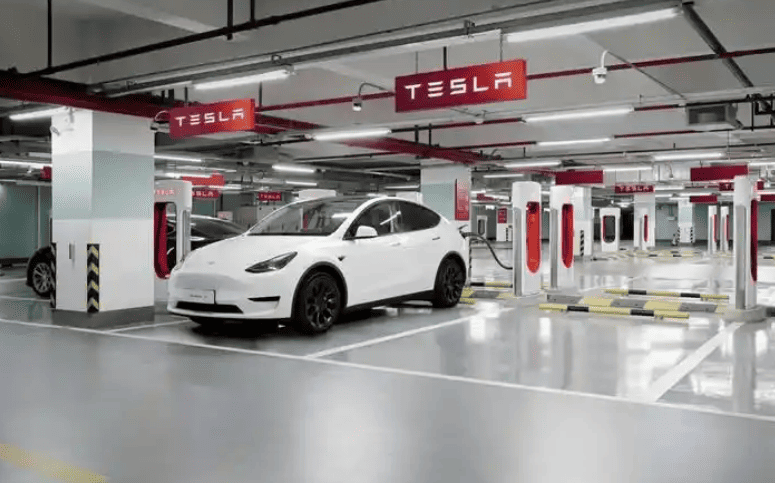
- Battery Type Considerations: Most EVs use Nickel Manganese Cobalt (NMC) batteries, for which staying in the 20-80% range is ideal. However, some vehicles (like standard-range Teslas and many Chinese EVs) use Lithium Iron Phosphate (LFP) batteries. LFP chemistry is more robust and suffers less degradation from being kept at 100%. In fact, manufacturers of LFP-equipped vehicles often recommend charging to 100% at least once a week to allow the BMS to accurately calibrate and display the remaining range.
Practical Recommendations and Best Practices
The optimal approach is to be intentional with your charging habits rather than just plugging in on autopilot every night.
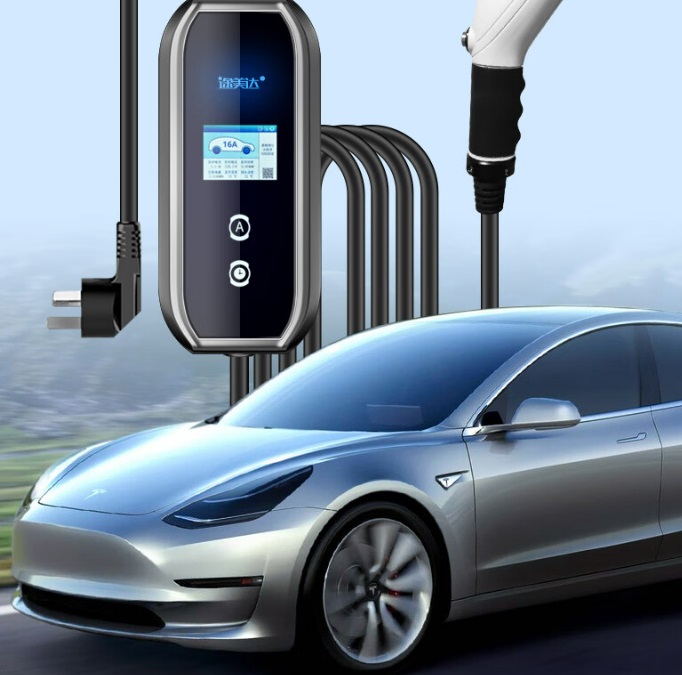
- Set a Charge Limit: Use your vehicle’s or charger’s software to set a daily charge limit of 80% or 90%. This is the single most effective way to protect your battery long-term while still enjoying the convenience of nightly charging. Only change this limit to 100% when you need the full range for a long trip.
- Plug In, But Don’t Always Charge: Get into the habit of plugging the car in every time you park in your garage. This allows the vehicle to use power from the wall (rather than the battery) for any auxiliary functions like battery temperature management or software updates. The car’s BMS is smart enough to only begin charging when scheduled or needed to reach your preset limit.
- Utilize Scheduling: Always use the charging scheduler to ensure charging occurs during your utility’s off-peak hours to maximize cost savings.
- Listen to Your Driving Needs: Let your actual usage dictate your routine. If you know you have a light driving week ahead, feel free to skip a night or two. If your week will be busy, lean on the convenience of nightly top-ups.
Conclusion: A Flexible and Informed Approach
In conclusion, if you have a home charger and use a daily charge limit, charging your EV every night is a safe, practical, and economical practice. It makes use of inexpensive overnight electricity and guarantees that you are always prepared to go.
It is not a rigid necessity, though. A less frequent charging schedule is not only acceptable but might even be better for people who don’t drive much or who have to rely on pricey public fast charging. Avoiding the extremes of constantly charging to 100% or regularly draining the battery to almost zero is crucial. You can create a charging schedule that precisely strikes a balance between cost, battery health, and convenience by being aware of your driving habits and your battery’s requirements.ensuring your EV remains a pleasure to drive for years to come.
Contact Us
Contact Us
Whatsapp/Mobile: +86 18019762979
Email: sales@lkmixer.com