What ev charger can i install at home?
What EV Charger Can I Install at Home?
The primary EV chargers suitable for home installation are portable chargers (Level 1), wall-mounted AC charging stations (Level 2), and potentially high-power DC fast chargers, with the 7kW wall-mounted AC charger being the most recommended choice for its balance of speed, cost, and practicality. Installing a home charger transforms EV ownership, offering unparalleled convenience and significant cost savings compared to public charging. Understanding your options is crucial for selecting the right solution.
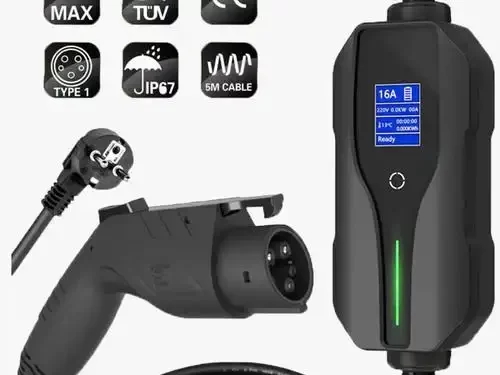
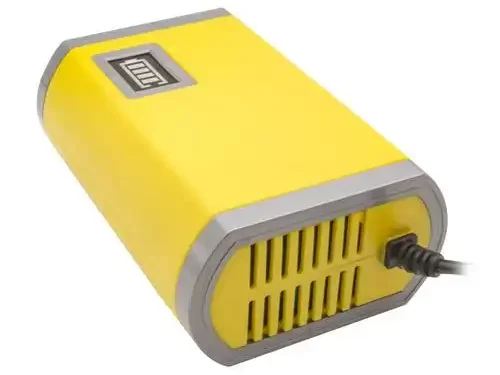
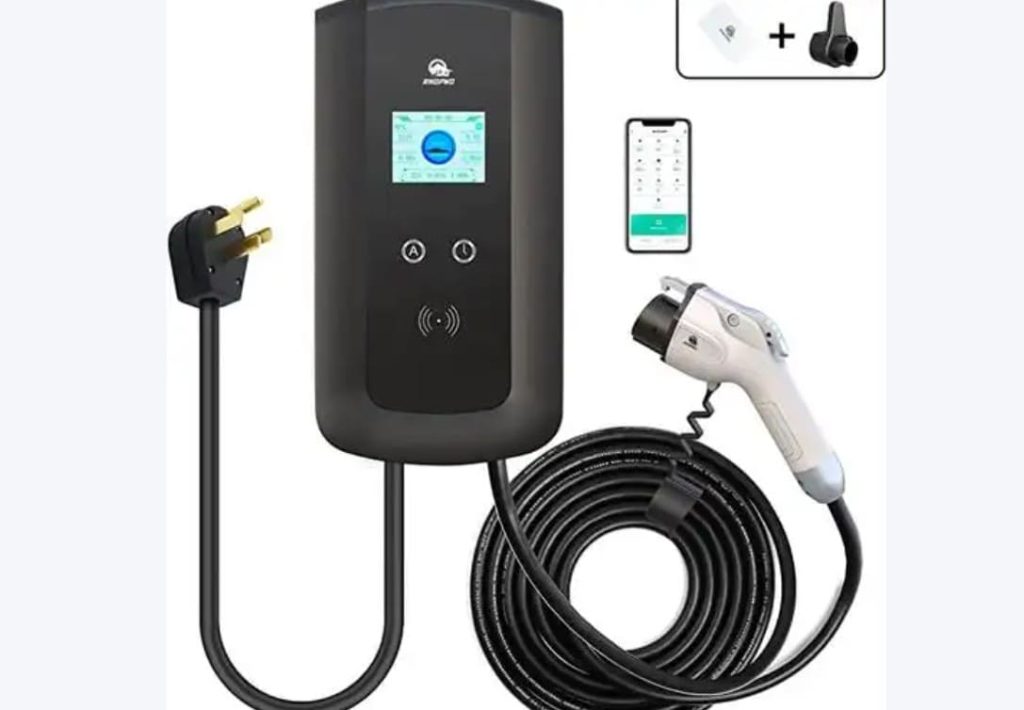
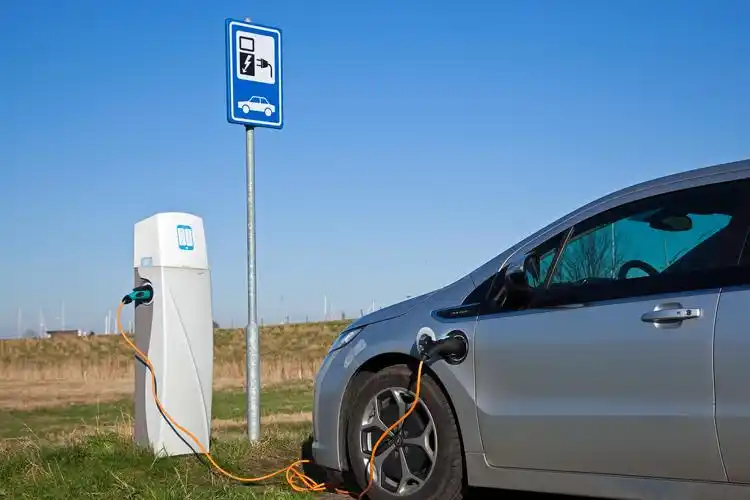
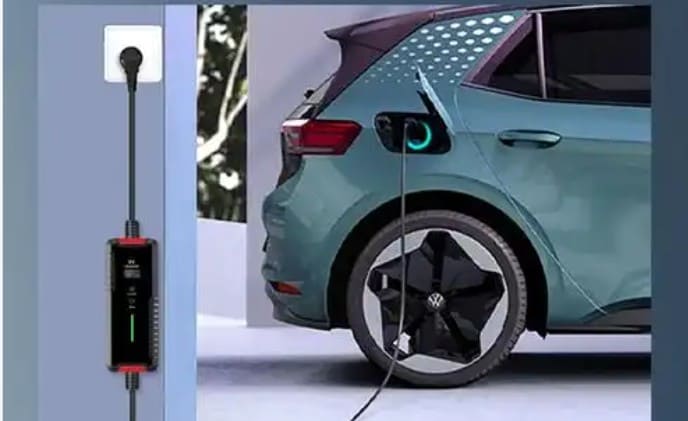
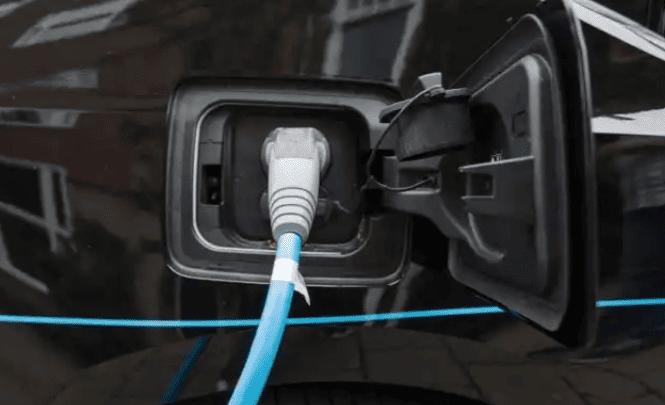
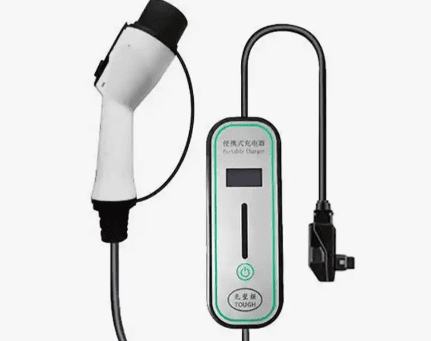
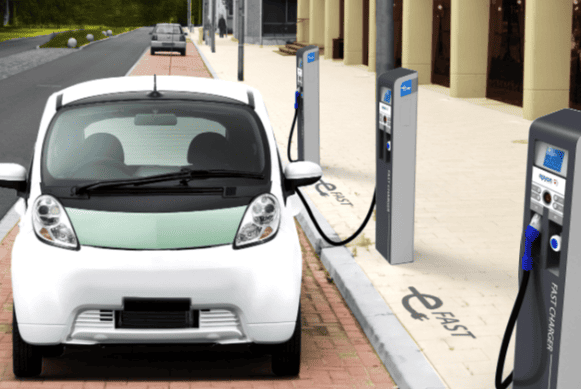
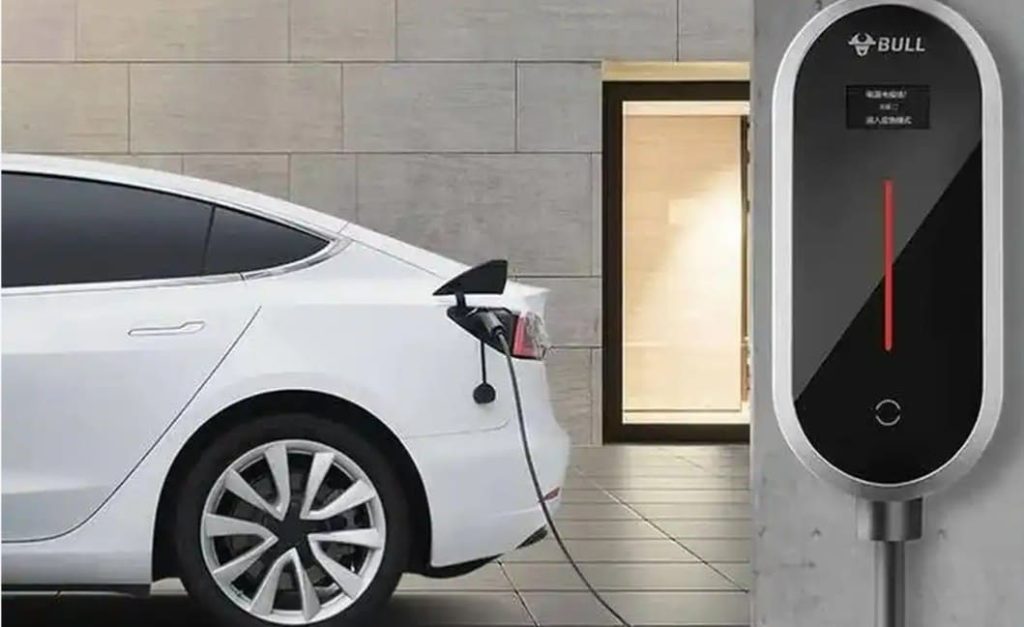
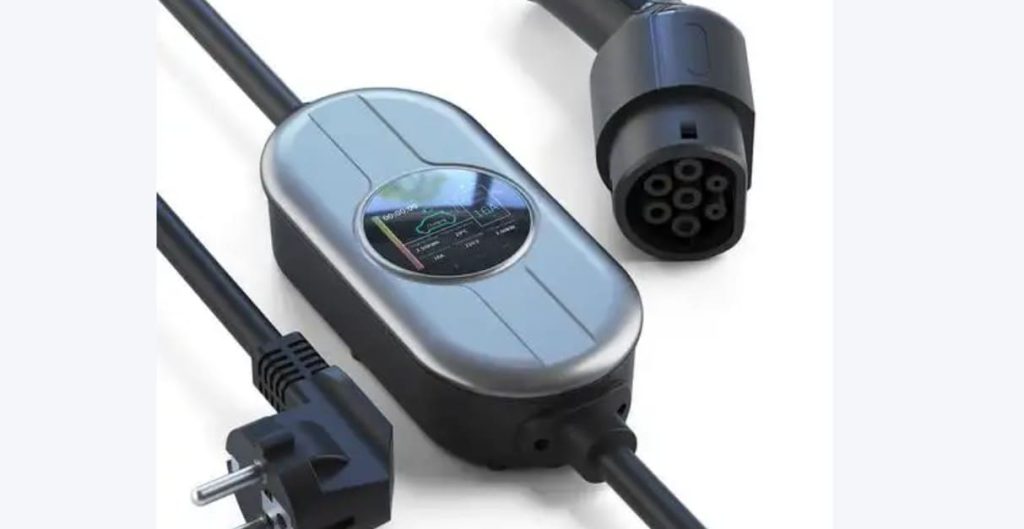
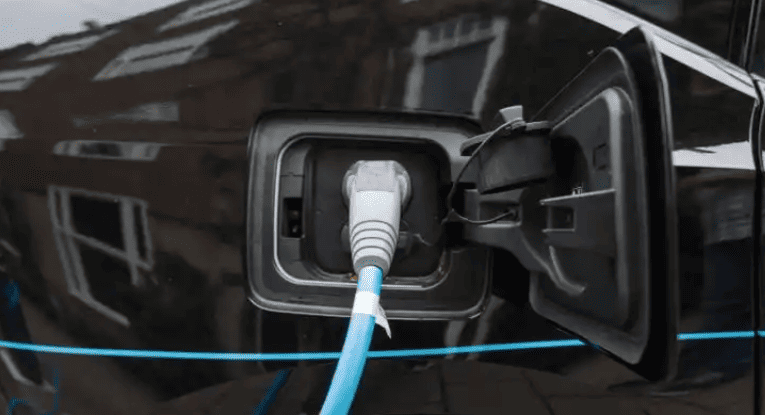
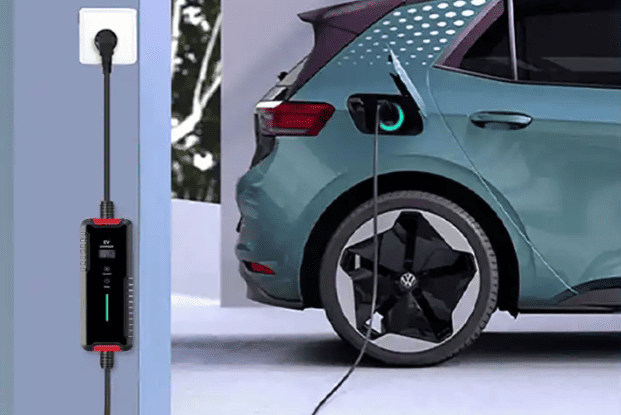
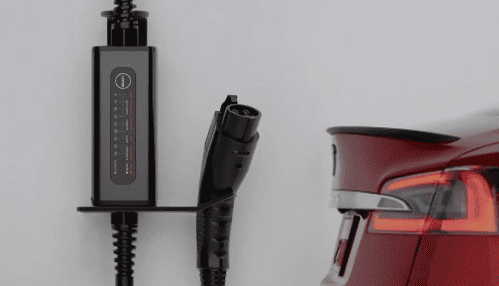
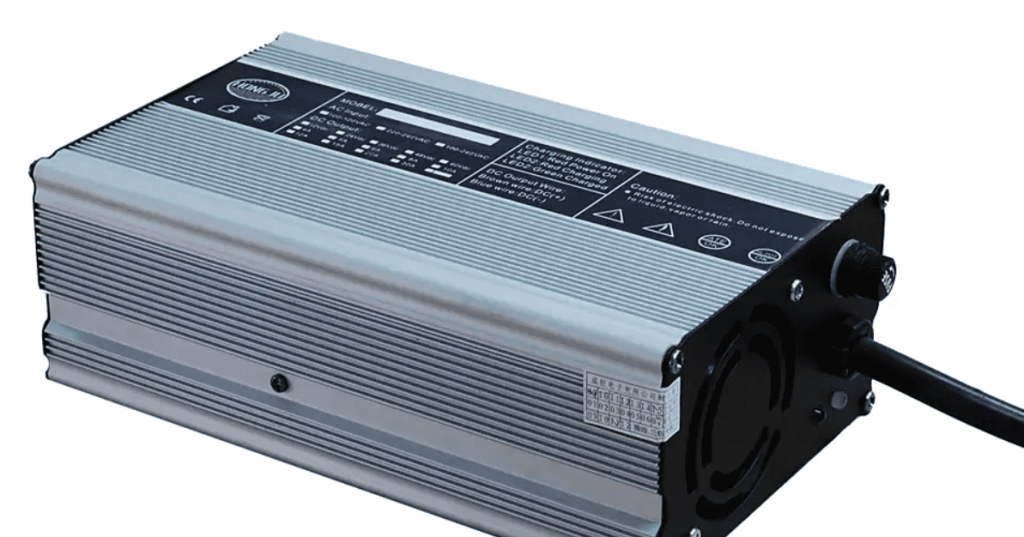
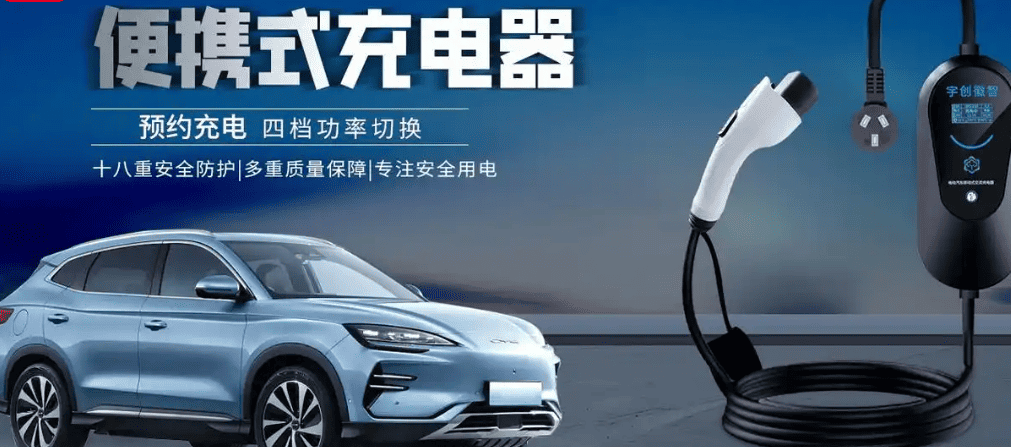
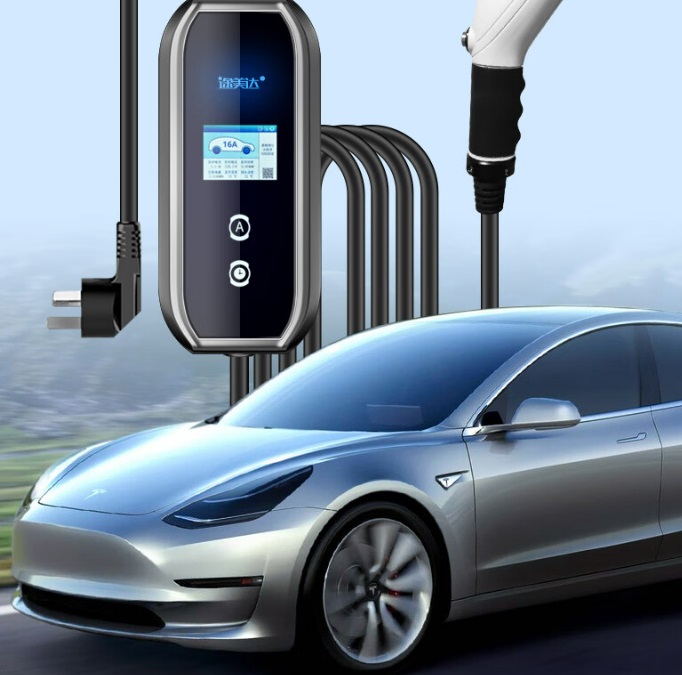
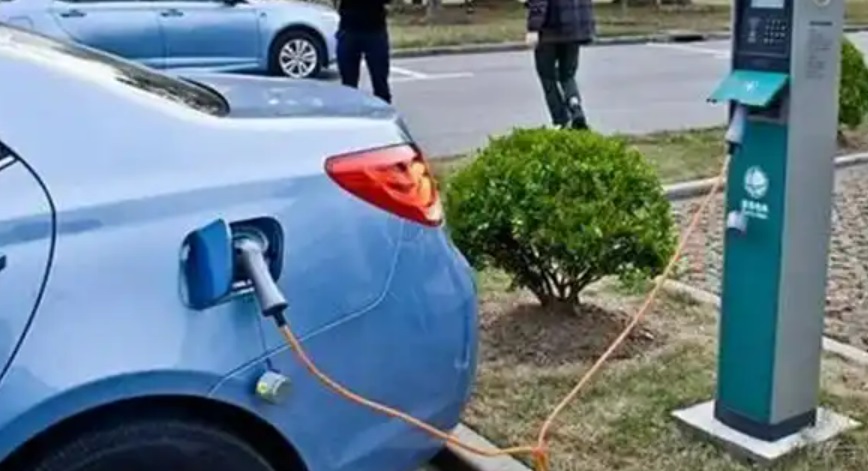
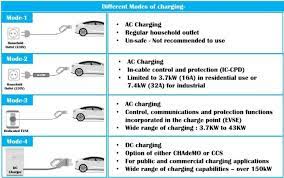
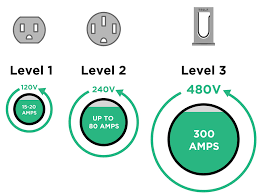
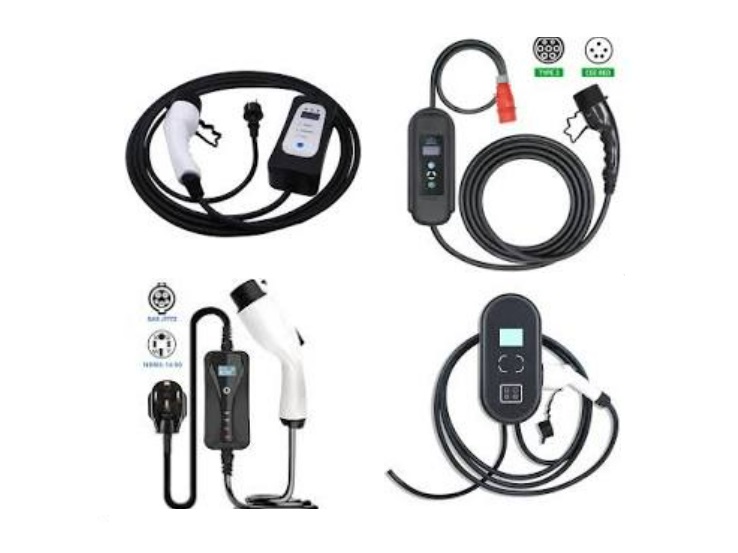
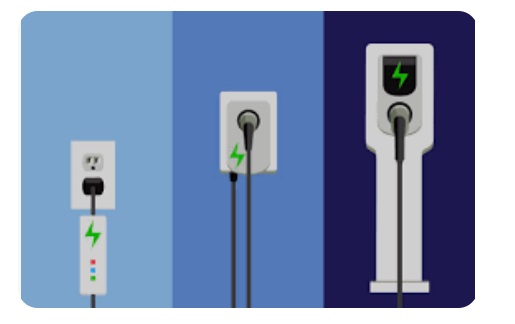
Portable Chargers (Level 1 Charging) represent the simplest entry point. These chargers connect straight to a typical 220V household outlet and are frequently included with the car. Their primary benefit is their low setup requirements; aside from making sure the outlet is in good shape and grounded correctly, no additional electrical work is needed. Because of this, they are perfect for short-term use, overnight top-ups when you just need a little range boost, or as a dependable backup option stored in the trunk for emergencies. Slow charging speed is a major drawback of this simplicity, though. With a typical output of only 1.4kW to 2.3kW, a portable charger may only increase range by 4–8 miles per hour. It may take well over 24 hours to fully charge a medium-sized battery pack (e.g., 60-80 kWh).Some advanced models, like the Bull 7kW portable charger, offer adjustable current settings for slightly faster charging (up to ~30 miles per hour), but they still require a dedicated, appropriately rated circuit similar to a wall-mounted unit, reducing their primary advantage of plug-and-play simplicity. While incredibly convenient for occasional use or as a backup, relying solely on a portable charger for daily driving with a modern EV often proves impractical due to the long charging times.
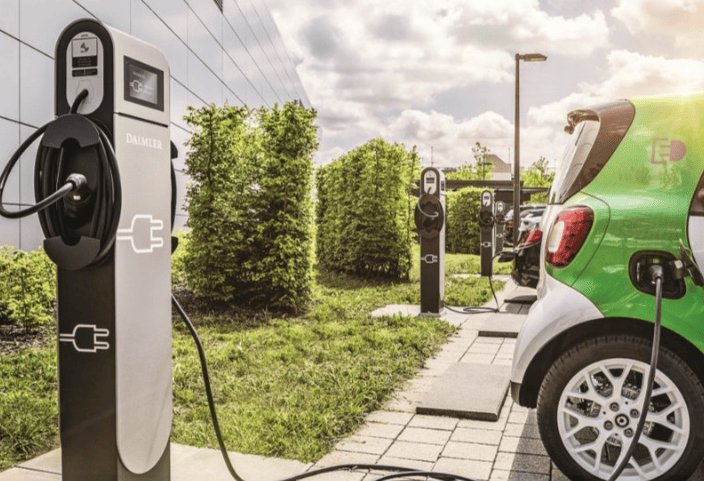
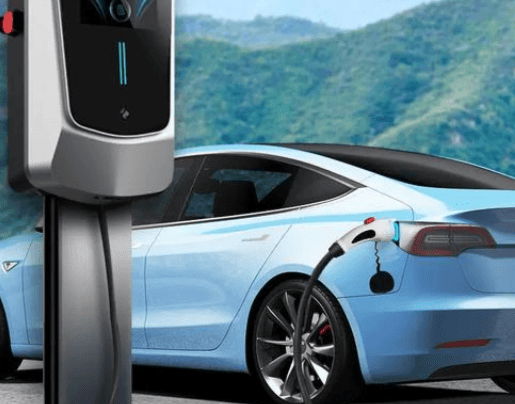
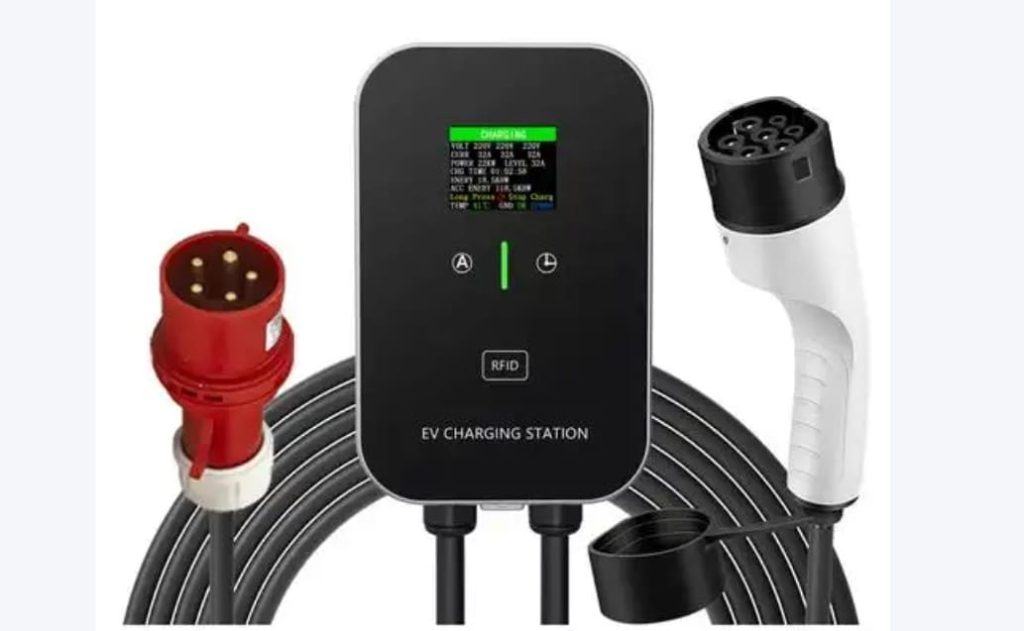
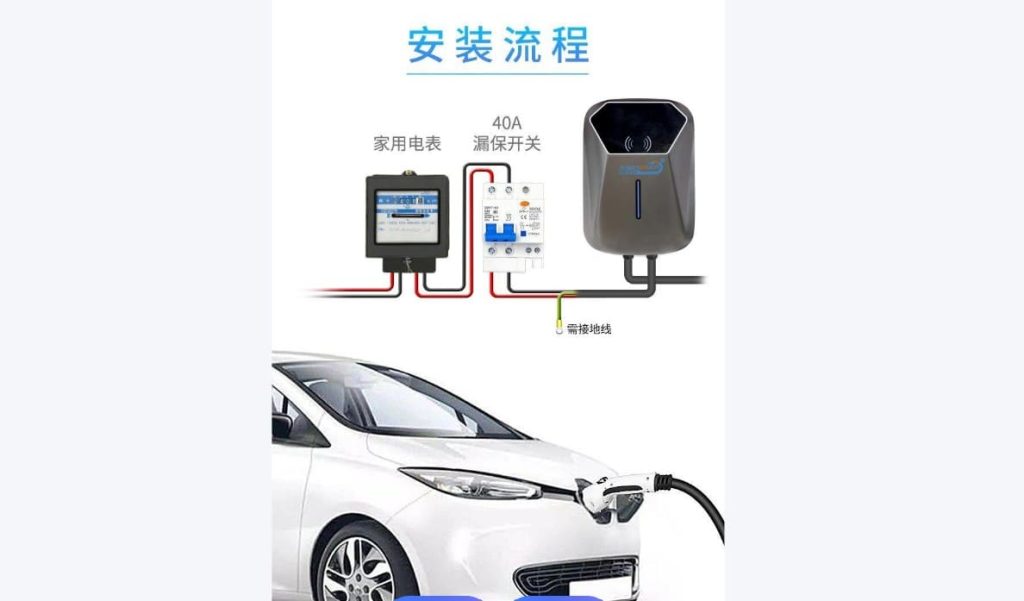
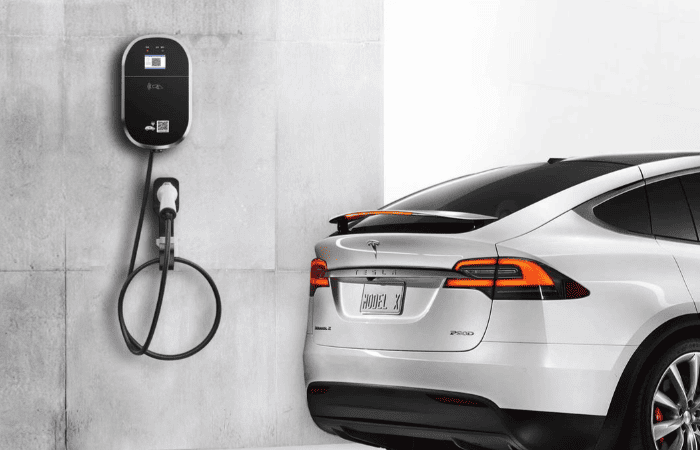
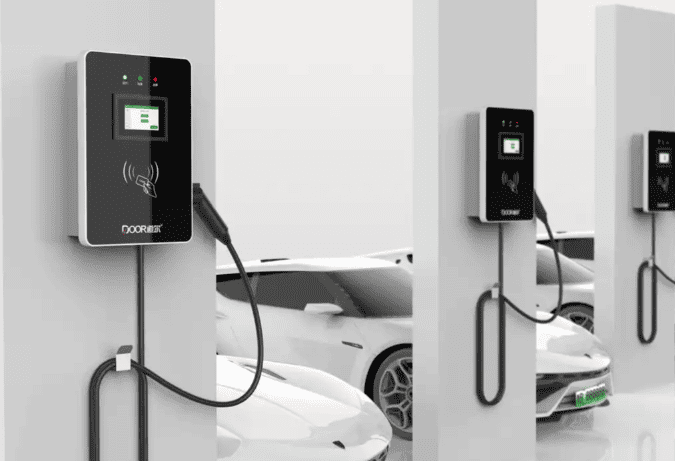
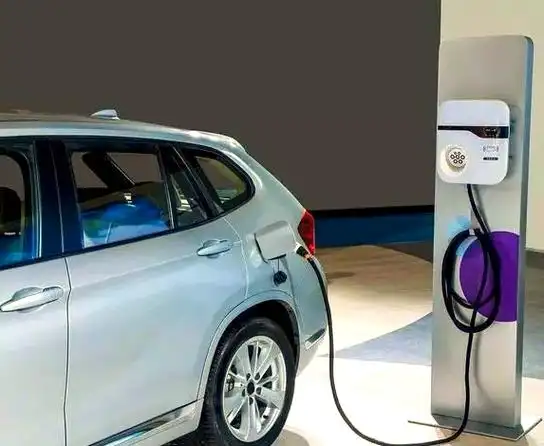
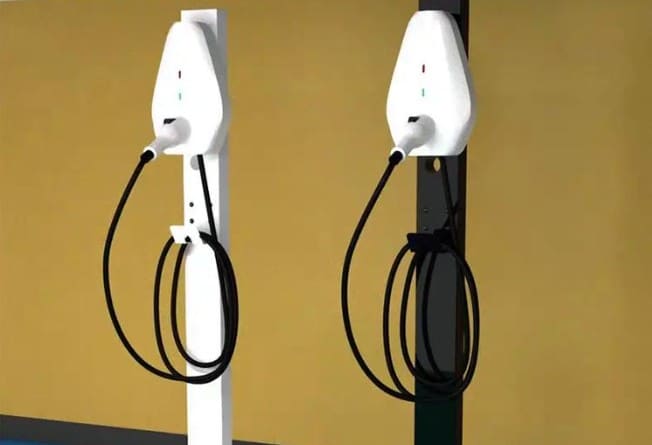
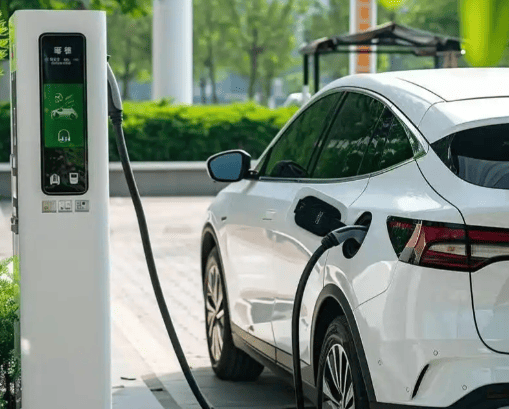
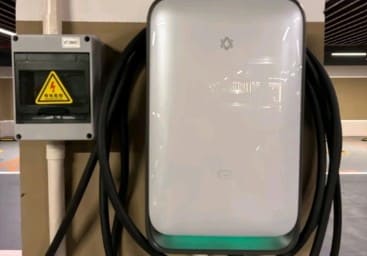
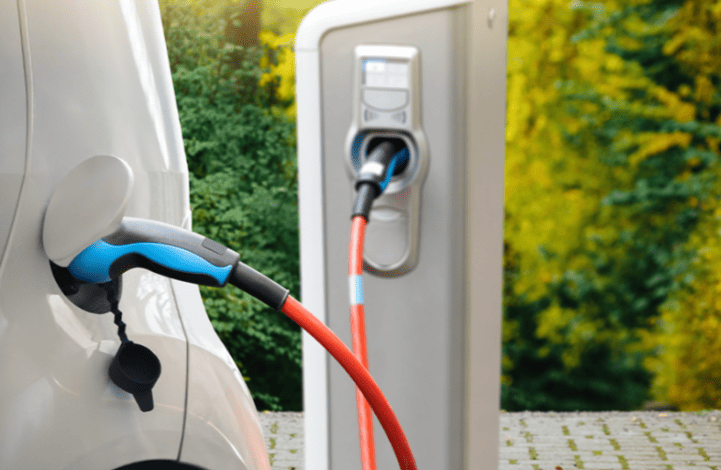
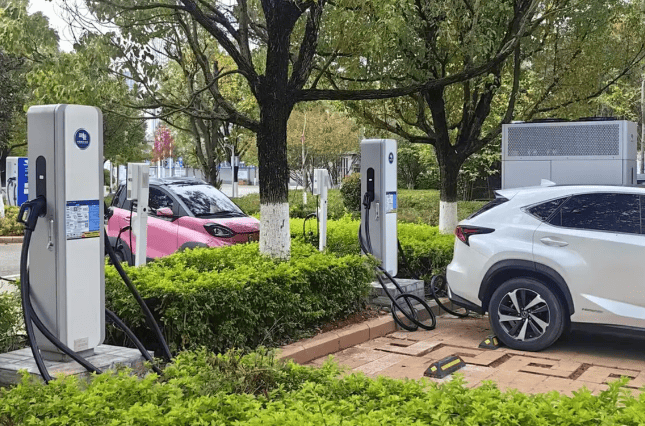
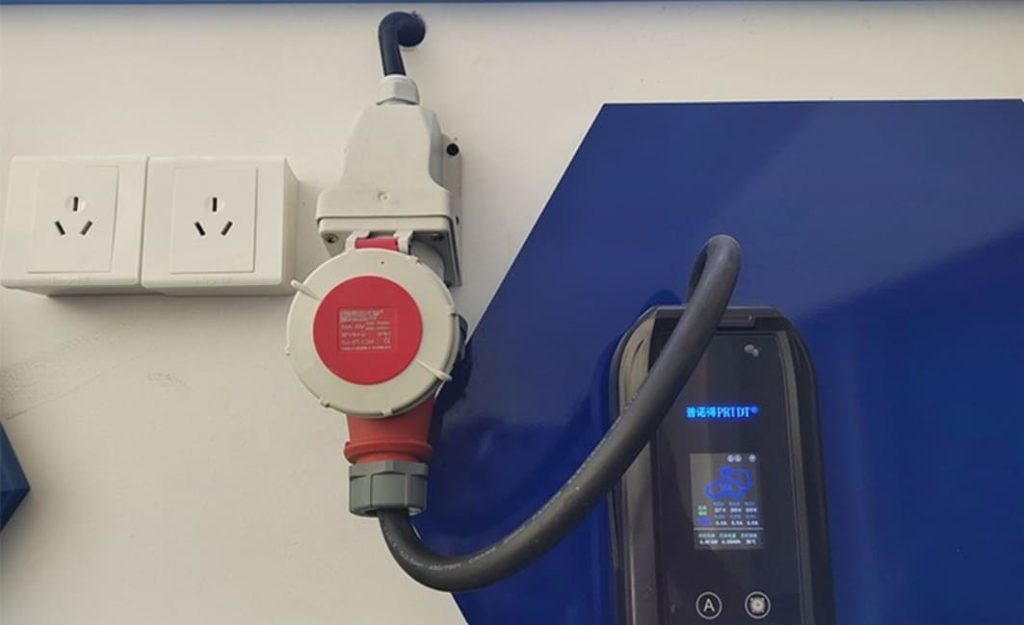
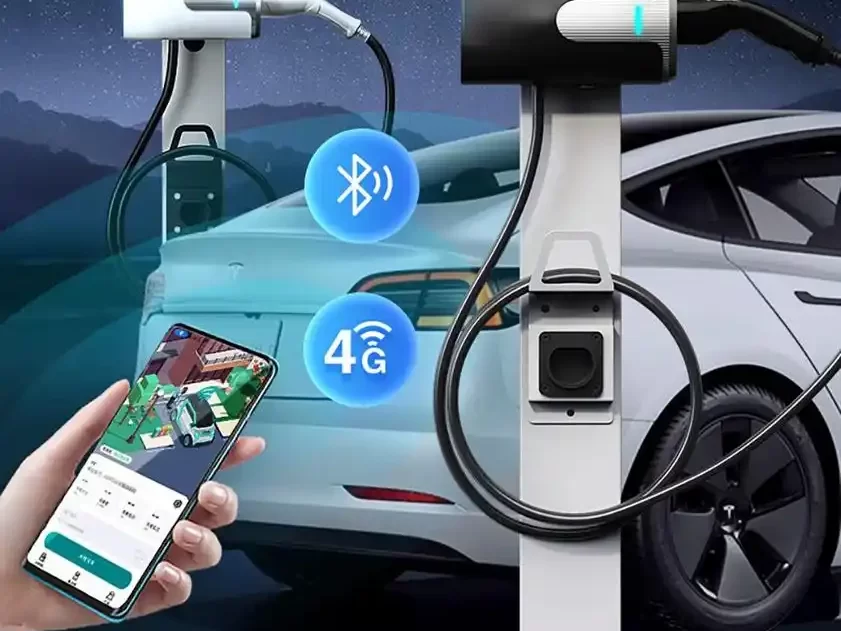
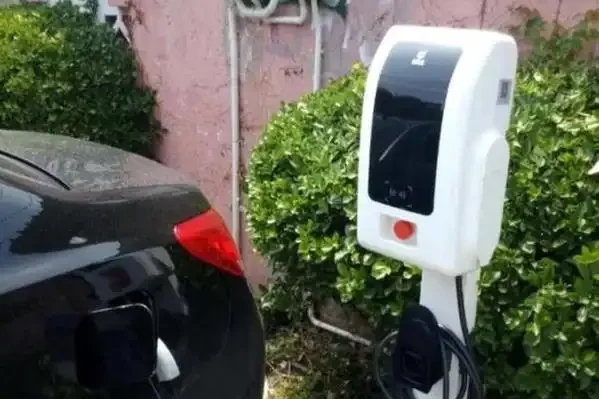
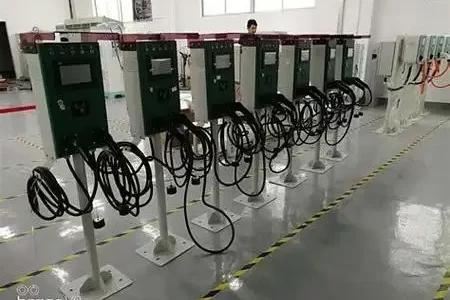
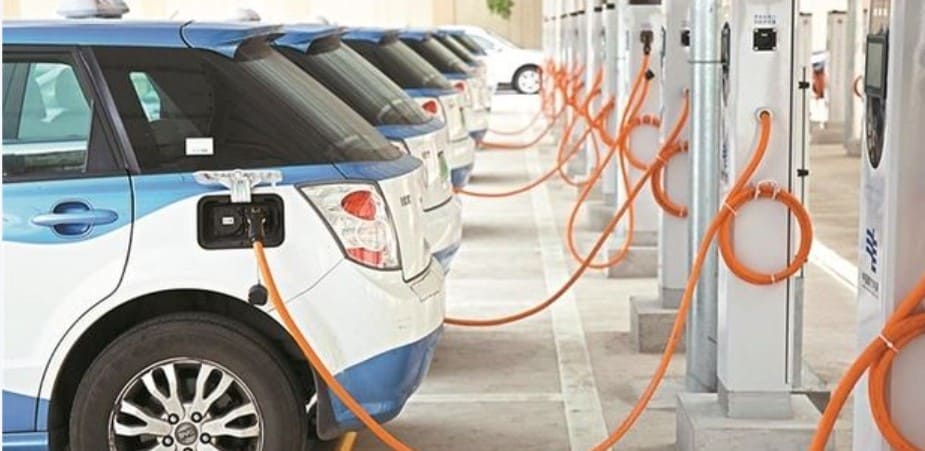
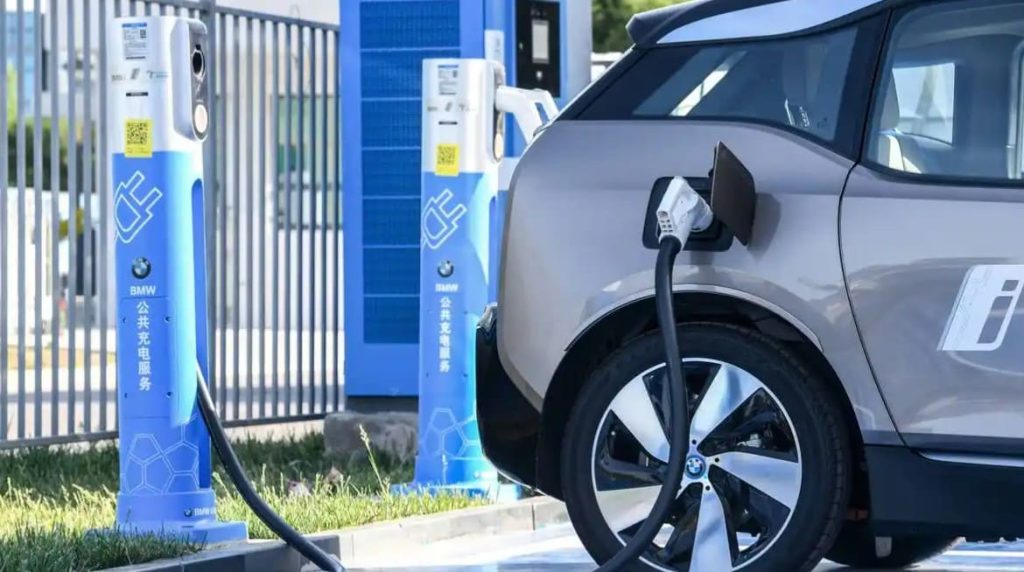
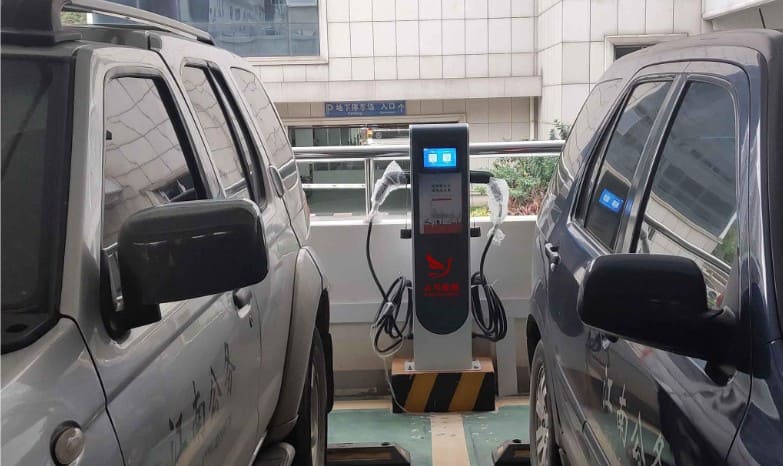
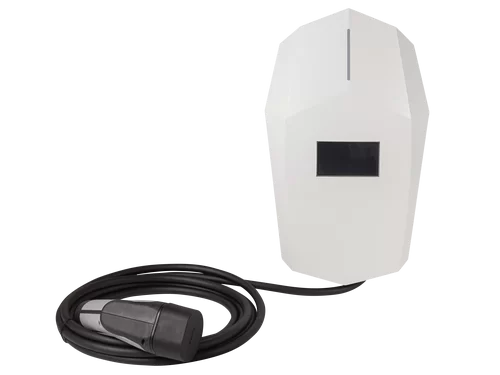
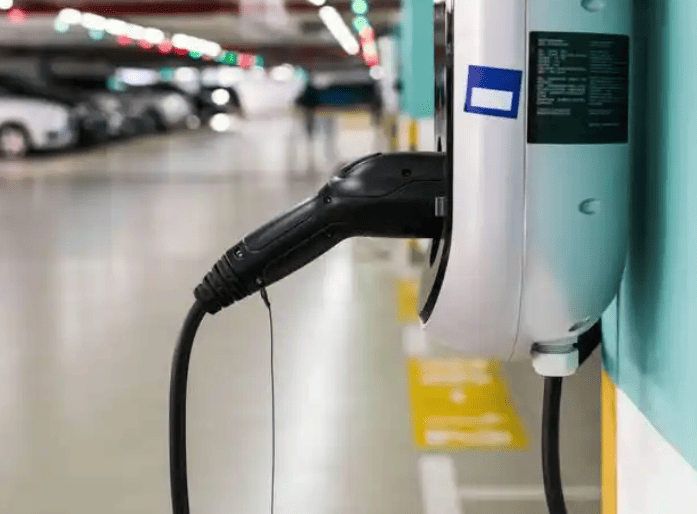
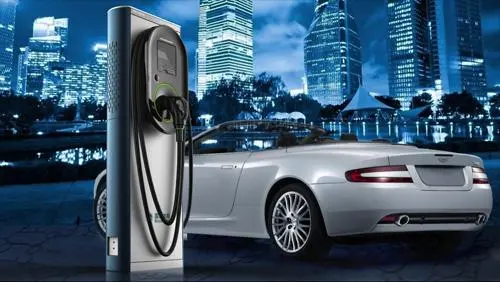
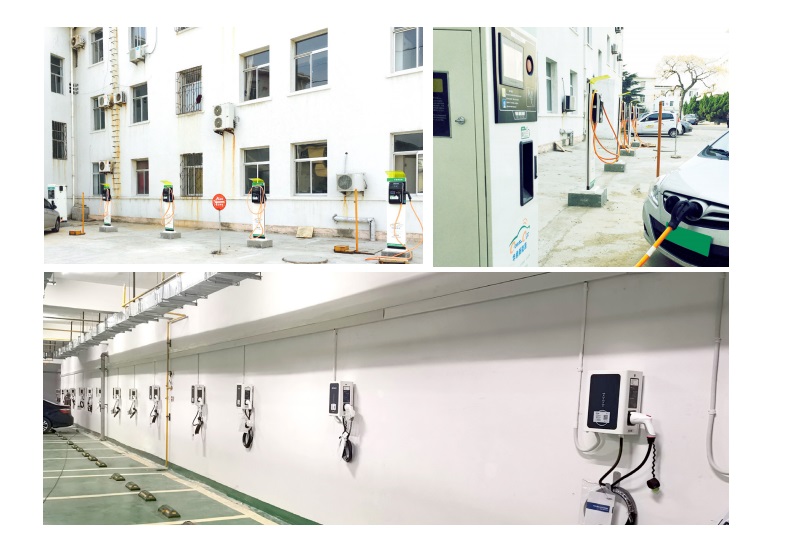
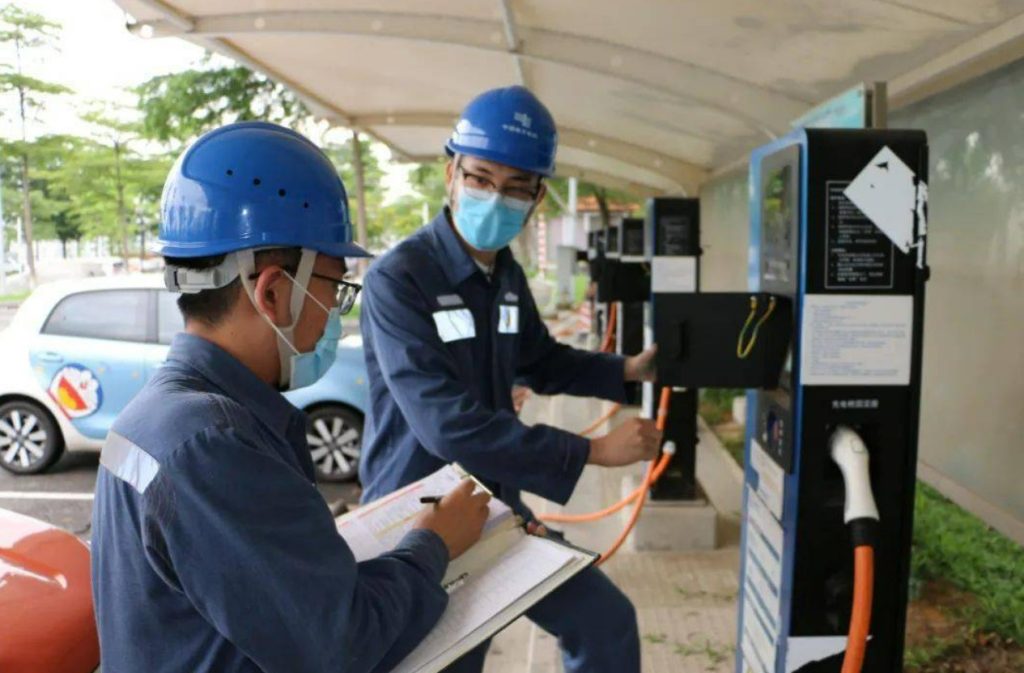
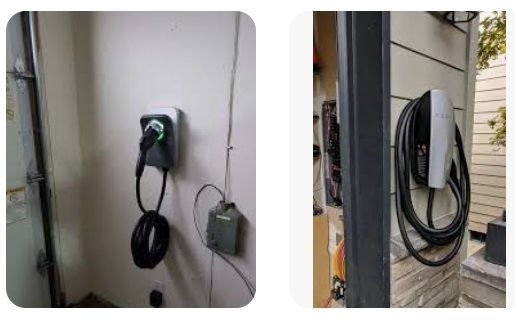
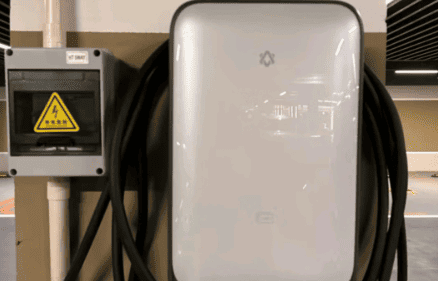
Wall-Mounted AC Charging Stations (Level 2 Charging) are the gold standard for dedicated home EV charging.These units need to be professionally installed by a licensed electrician. This includes obtaining a dedicated electricity meter from your utility company and running special electrical wiring from your home’s main panel to the charging location, which is usually a garage or driveway. This investment yields substantial returns. Level 2 chargers typically deliver power ratings of 3.5kW, 7kW, 11kW, or even higher when operating at 220V or 240V. A 7kW charger, the most popular and practical choice for most homes, can add 25-35 miles of range per hour. This implies that most EVs can be fully charged overnight (in 6–10 hours), easily integrating into daily schedules. Importantly, these stations use companion apps to support smart features.You can schedule charging to start automatically during off-peak hours when electricity rates are lowest, leading to substantial long-term savings. They also offer enhanced safety features like ground fault protection and automatic shut-off. Leading products like the TeDian 7kW Charger, Star Charge 7kW Aurora, ADai Charging Station, ChargeSprite 7KW Charger, CSG KeDa Smart Mini Wallbox, and the XIAOMI Mi Home Charger exemplify this category. These units offer robust weatherproofing (IP55 to IP67 ratings), multiple start methods (app control, RFID cards, Bluetooth, NFC), comprehensive safety protections (over-voltage, under-voltage, over-current, overheating, leakage protection), and broad compatibility with major EV brands like Tesla, BYD, NIO, Li Auto, VW ID series, and many more. Installation flexibility (wall or pole mount) and cable lengths (often 5 meters or more) cater to diverse parking setups. Higher-power 11kW or 21kW units (requiring 380V three-phase power, less common in residential settings) offer faster charging but necessitate verifying your home’s electrical capacity and involve higher installation costs.
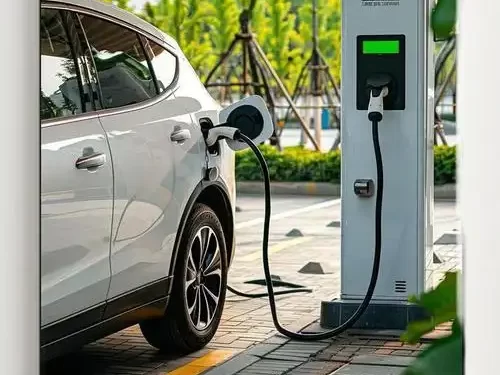
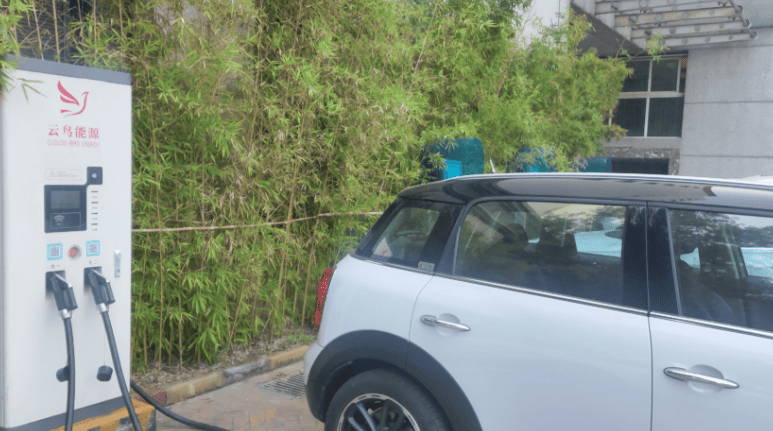
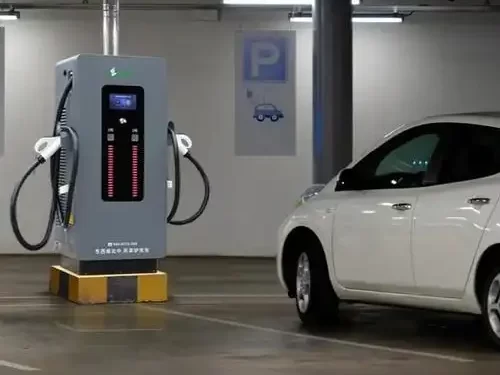
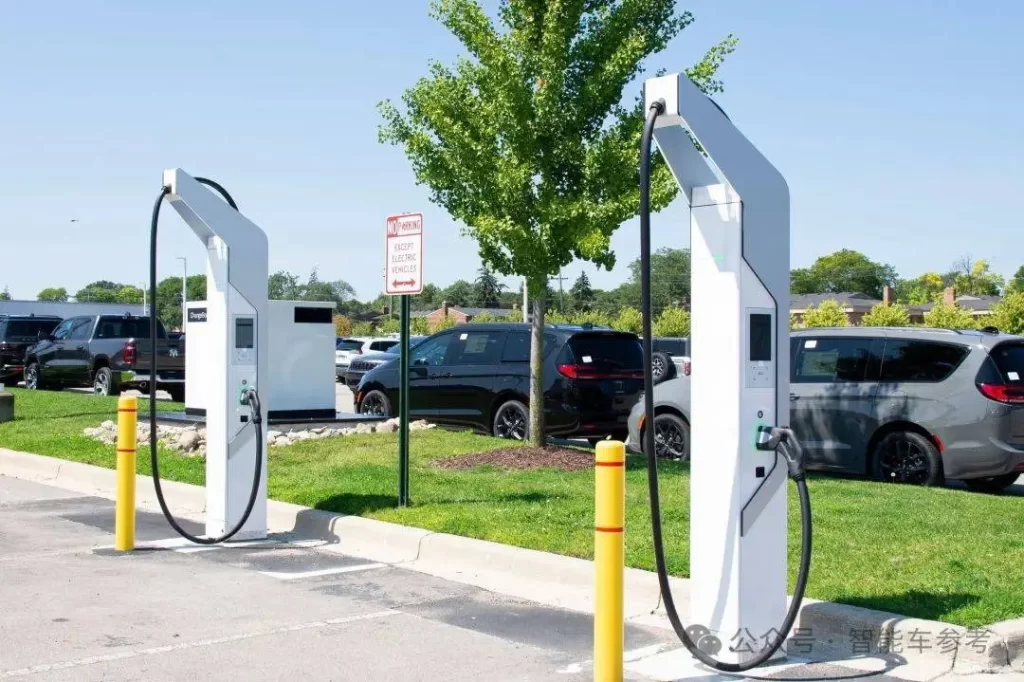
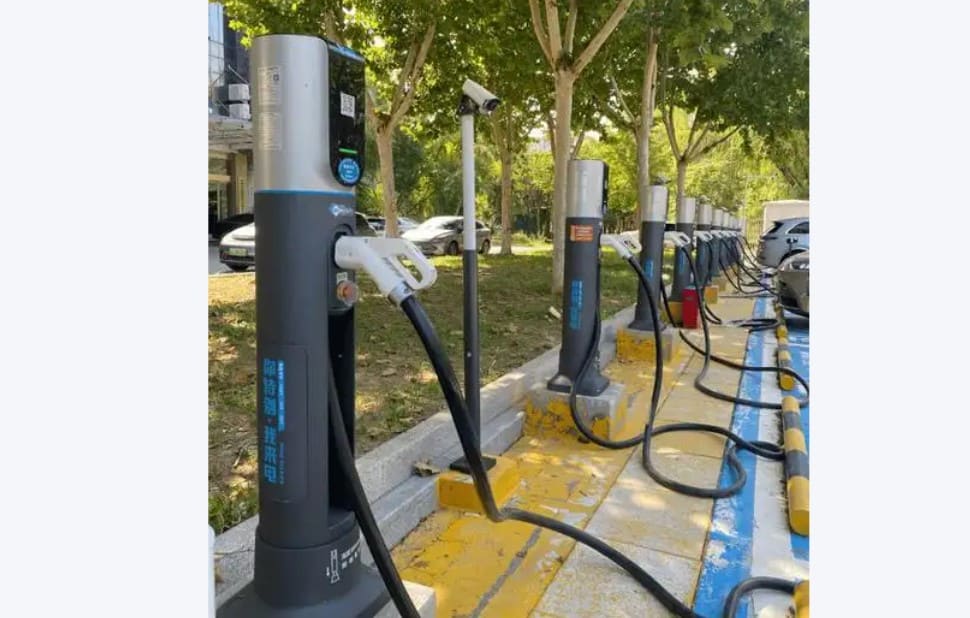
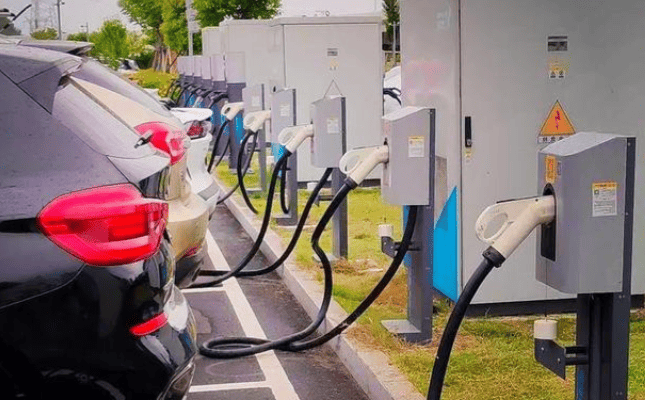
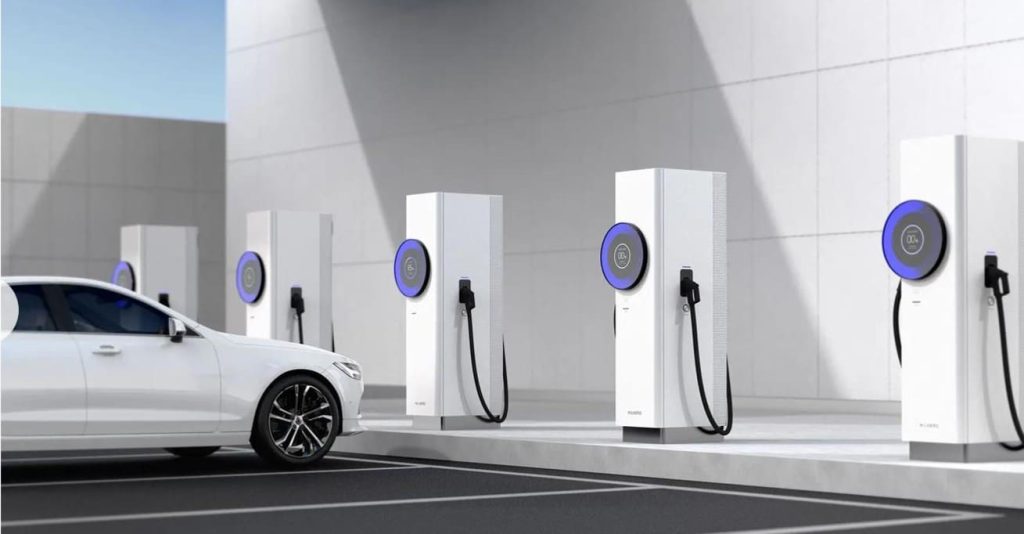
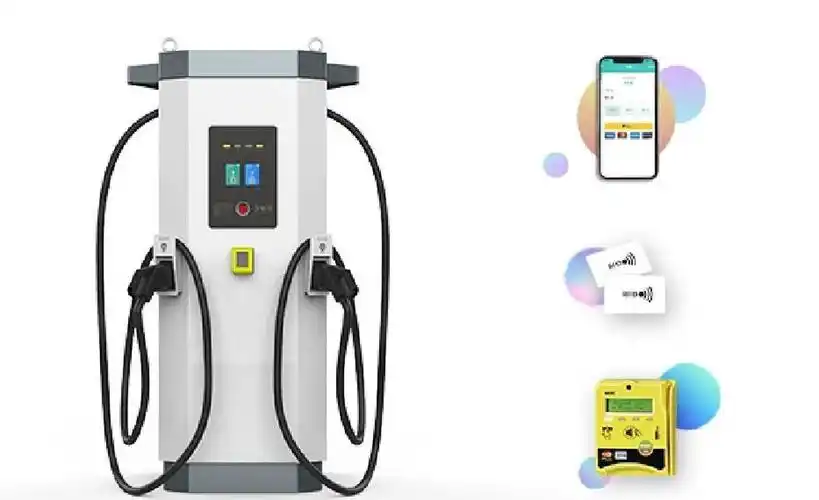
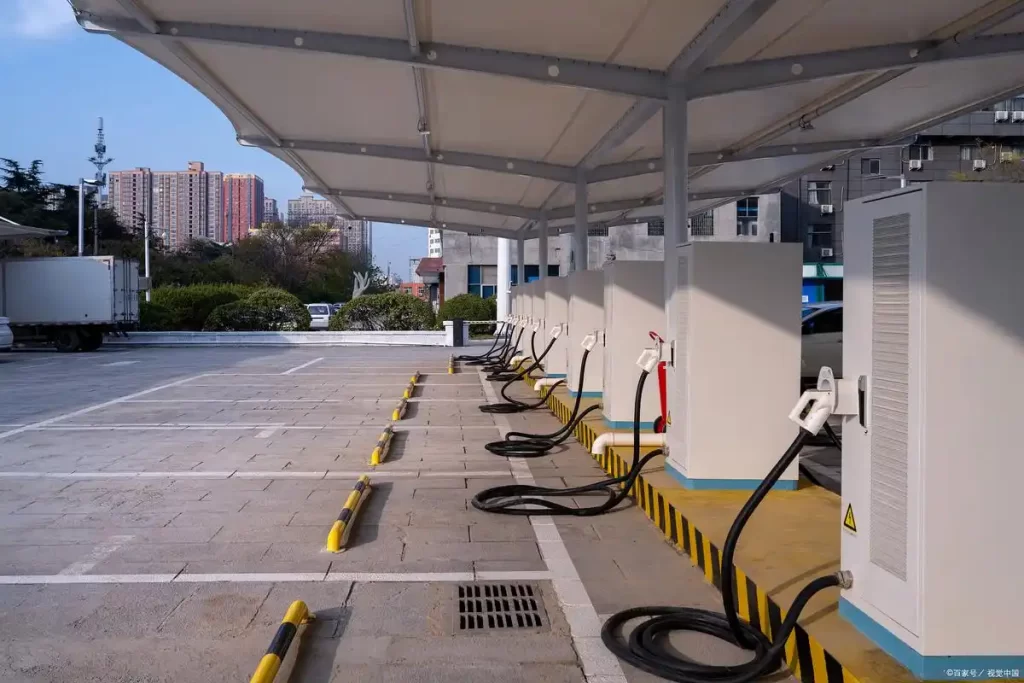
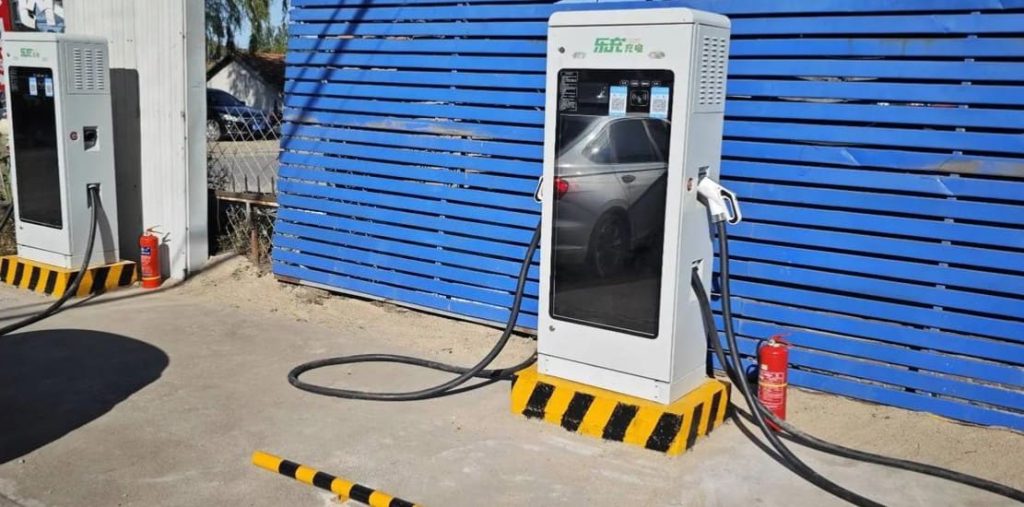
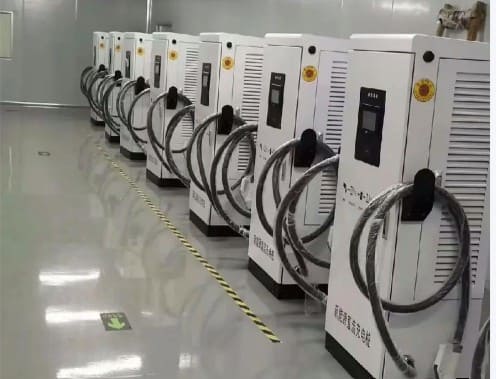
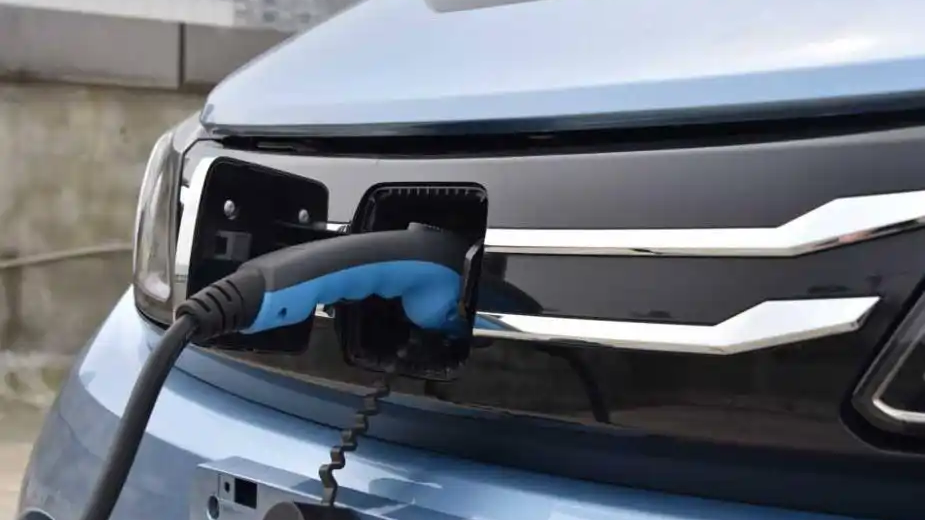
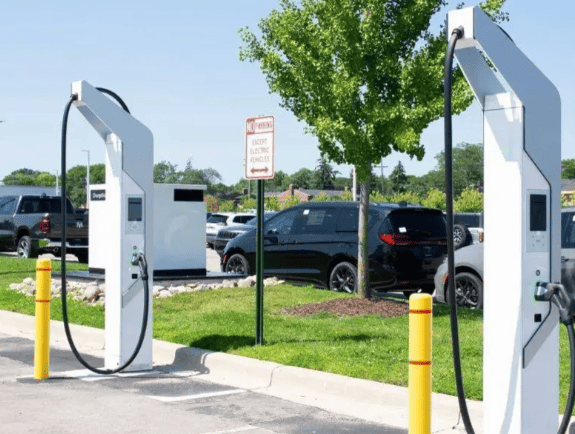
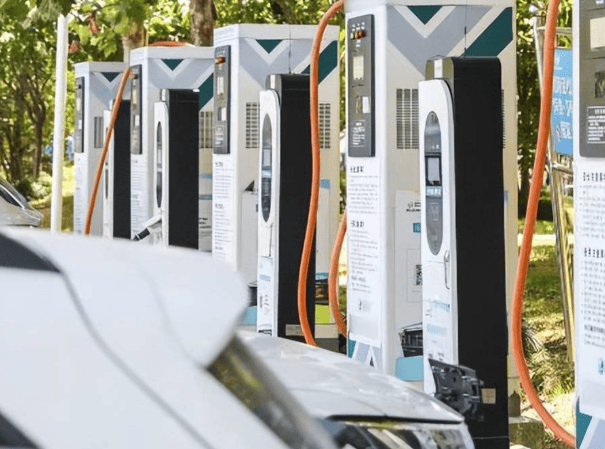
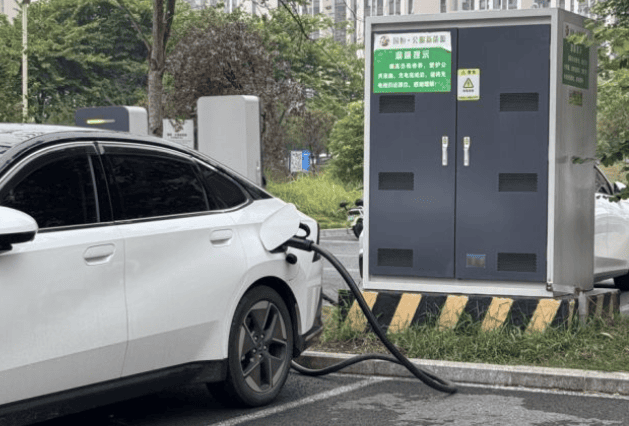
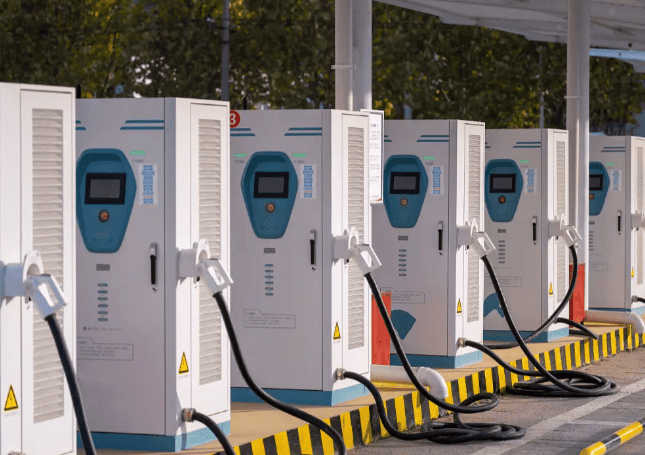
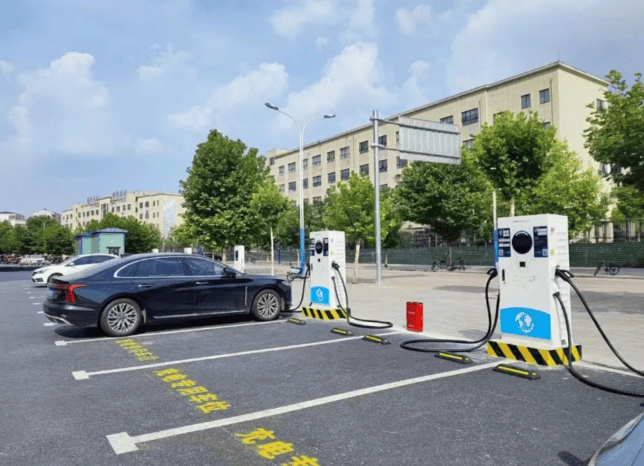
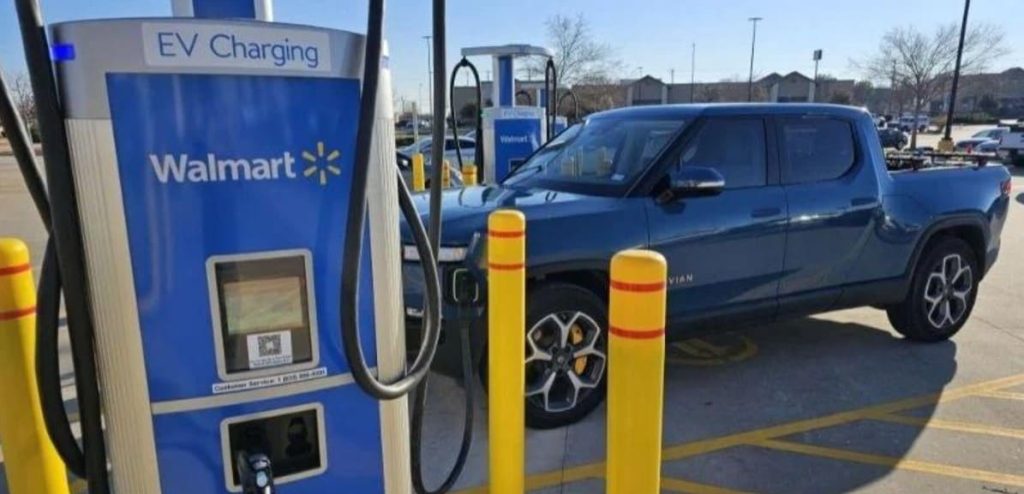
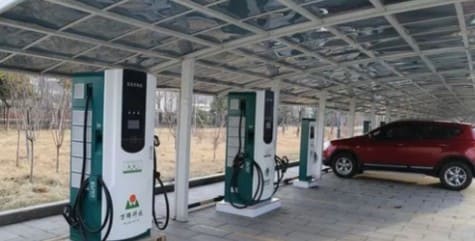
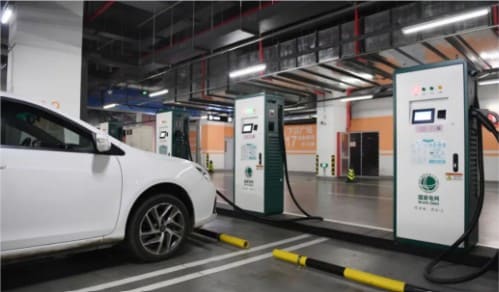
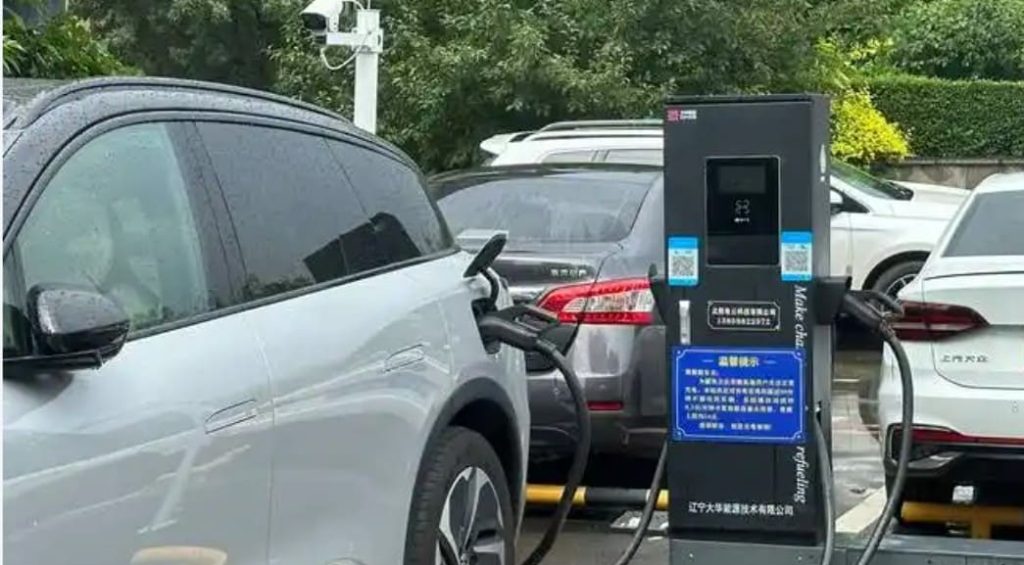
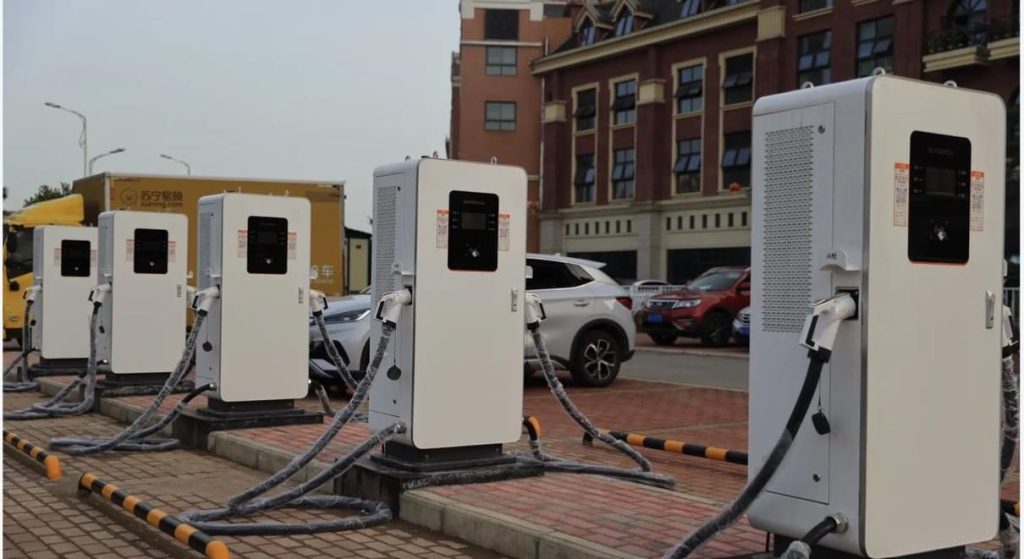
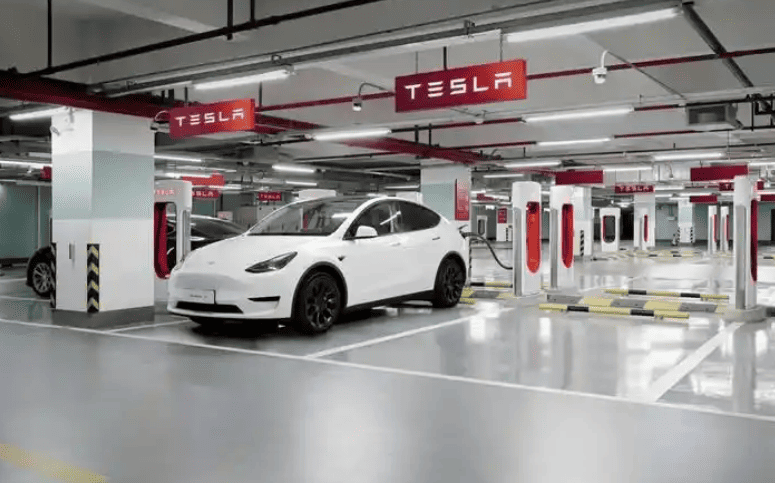
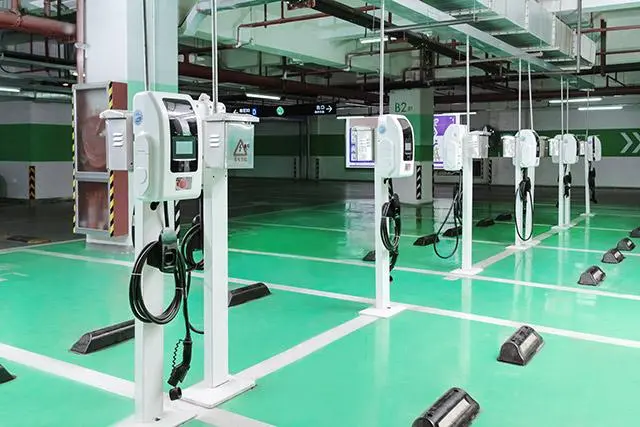
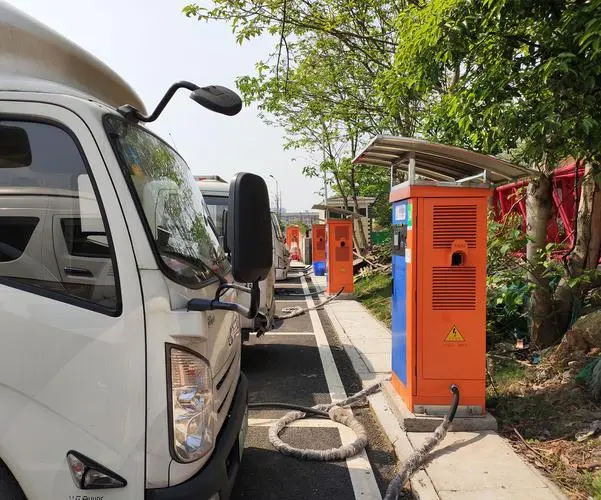
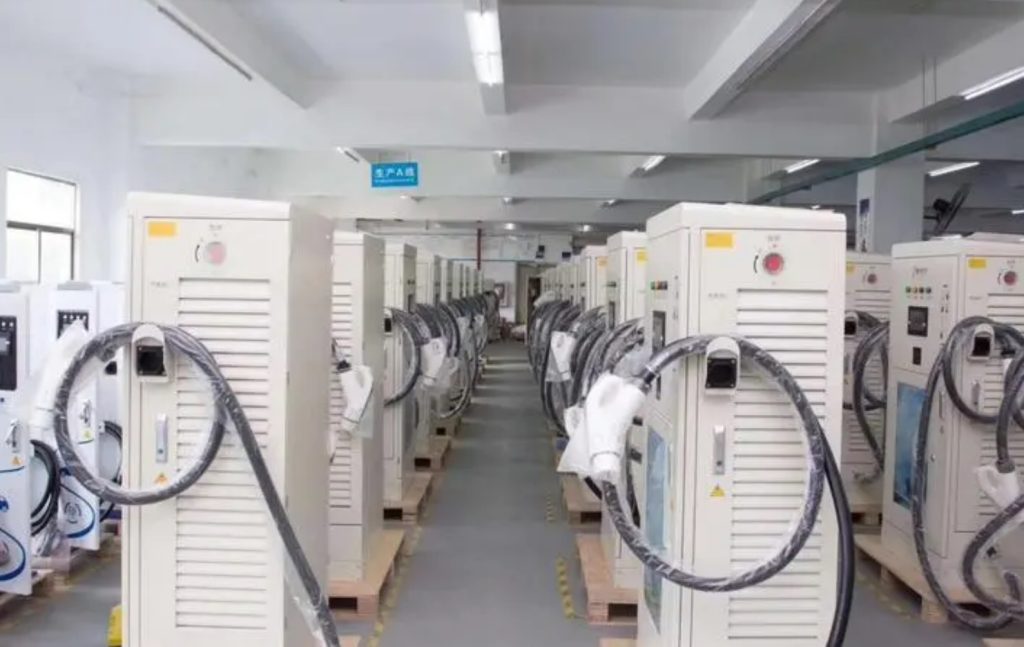
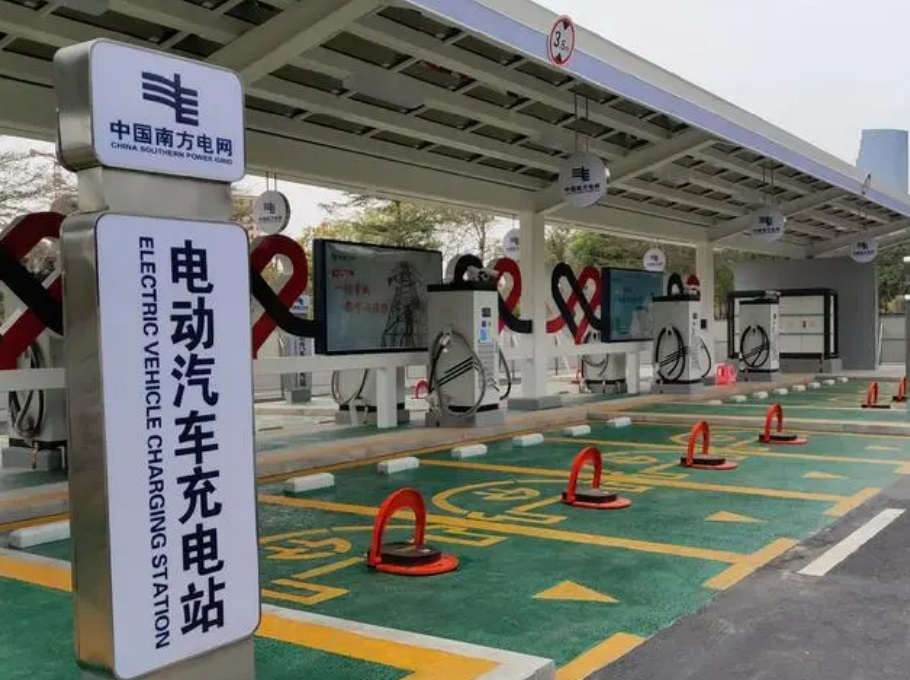
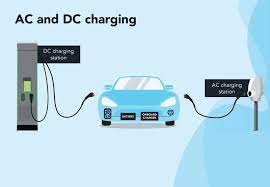
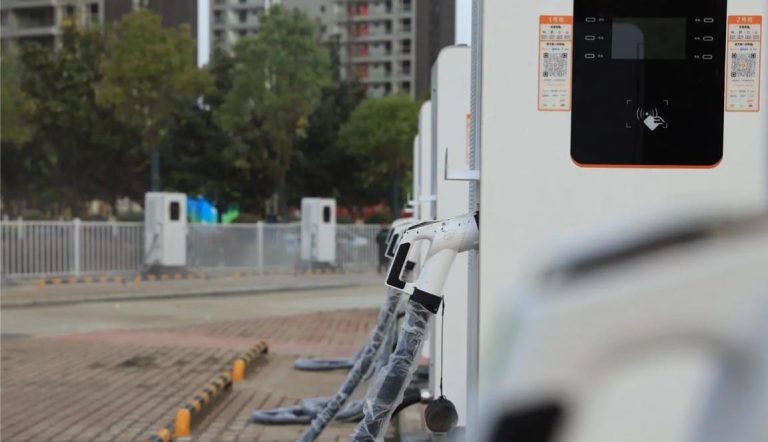
High-Power DC Fast Chargers (Level 3 Charging), capable of delivering 50kW, 150kW, or even 250kW+, are generally impractical and rarely installed in homes.Although they have the promise of ultra-fast charging, which could add hundreds of miles of range in less than an hour, there are significant drawbacks. The cost of installation is very high, frequently reaching tens of thousands of dollars. They require extensive electrical service upgrades that go well beyond typical residential capacity, necessitating specialized high-voltage (usually 480V) three-phase connections and incredibly thick, costly cabling. These industrial-grade units’ dimensions and cooling needs are also important considerations. Additionally, compared to softer AC charging, frequent use of DC fast charging can hasten long-term battery degradation. Although they are theoretically feasible for homeowners with very large budgets and electrical infrastructure, they are not appropriate for nearly all residential applications due to their high cost, complexity, and potential impact on battery health.They are best left to commercial charging stations for truly urgent, on-the-go charging needs.
For the vast majority of homeowners, a professionally installed 7kW wall-mounted AC charging station is the optimal solution. It strikes the perfect balance between charging speed, convenience, cost-effectiveness, and practicality.Compared to higher-power or three-phase options, the 7kW power level is typically achievable on a typical 220V/240V single-phase home electrical system with a dedicated 32A circuit, reducing the need for potentially costly service panel upgrades. Even large battery packs can be charged overnight at this speed, which will consistently extend your daily driving range. By taking advantage of off-peak electricity rates, features like scheduled charging optimize savings. Modern units provide years of dependable service and are made to be safe and durable in a variety of climates. For frequent EV drivers, the convenience, speed, and long-term financial benefits through optimized charging schedules make it a worthwhile investment, even though the initial cost (unit + installation) is higher than that of a portable charger.If your daily driving distance is very short, a portable charger might suffice, but for anyone using their EV as a primary vehicle, the wall-mounted Level 2 charger delivers the essential convenience and speed that makes EV ownership truly seamless. Before purchasing, always verify compatibility with your specific vehicle model and consult a qualified electrician to assess your home’s electrical capacity and installation requirements.
Contact Us
Contact Us
Whatsapp/Mobile: +86 13641968560
Email: sales@lkmixer.com