How far can evs go on a charge?
How far can evs go on a charge?
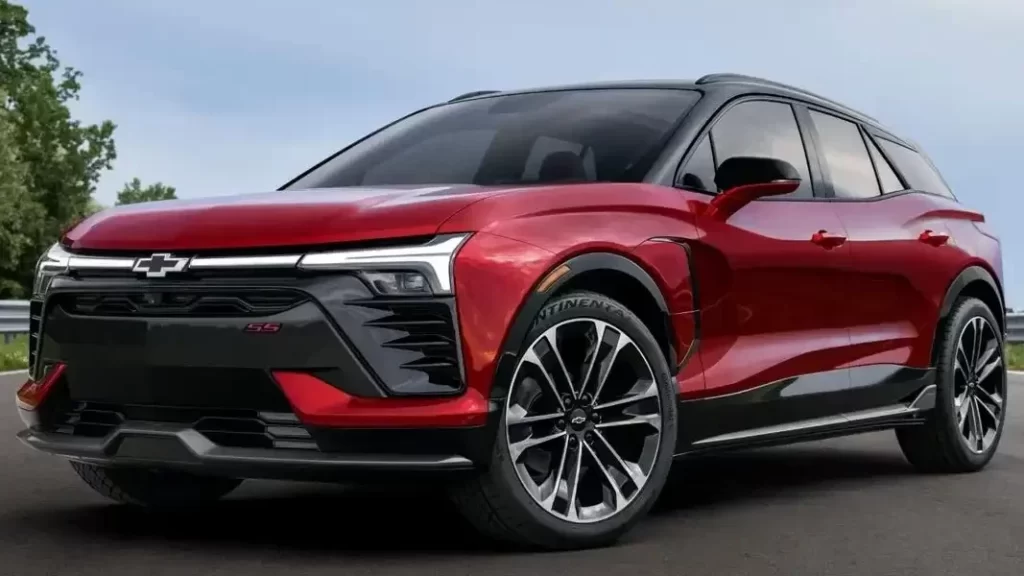
Generally speaking, the range of most mass-market EVs today falls between 300 to 600 kilometers, with high-end models or those equipped with advanced battery technology capable of exceeding 1,000 kilometers. This wide variation is due to a number of factors including battery capacity, vehicle design, driving behavior, and environmental conditions.
Contact Us
Contact Us
Whatsapp/Mobile: +86 18019762979
Email: sales@lkmixer.com
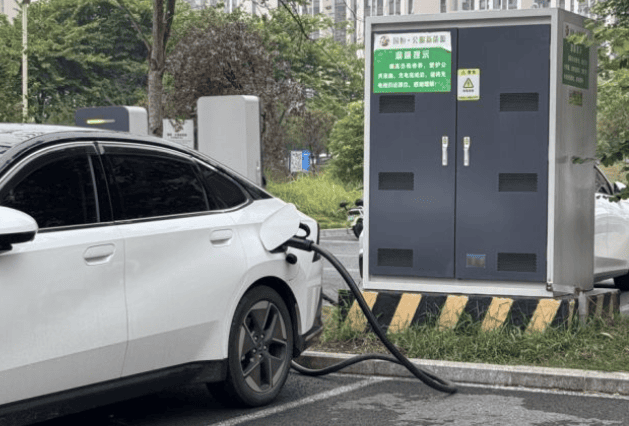
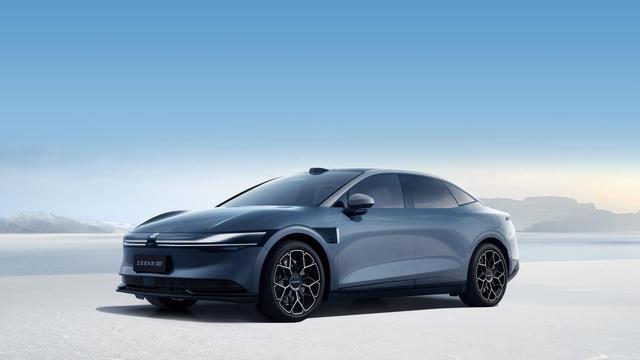
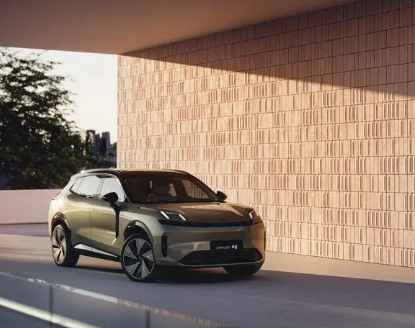
Three general categories can be used to classify the range of electric vehicles. On a full charge, mainstream and economy models usually have a range of 300 to 400 kilometers, which is adequate for daily commuting and the majority of urban driving requirements. By using larger battery packs and more effective energy management systems, mid-to-high-end cars like the Tesla Model 3 and BYD Han can frequently reach ranges of 400 to 600 kilometers. Under ideal test conditions, advanced models such as the NIO ET7 and Zeekr 001, which are outfitted with semi-solid-state batteries or exceptionally high-capacity battery packs (e.g., 150 kWh), can travel more than 1,000 kilometers.Other notable models pushing the boundaries include the Zhiji L6, which features solid-state battery technology, and the Zeekr 007, certain versions of which claim a CLTC range of up to 870 kilometers.
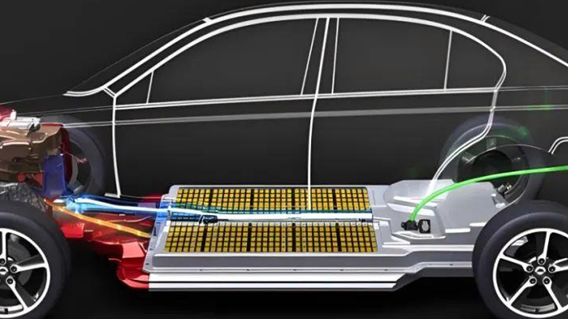
Battery technology has a significant impact on how far an EV can go. The battery pack’s energy density, or how much energy it can hold in relation to its weight and size, is essential. Though newer technologies like solid-state and semi-solid-state batteries promise major advancements, traditional lithium-ion batteries are still being improved. For example, some high-performance models use semi-solid-state batteries, which have a higher energy density and experience less performance degradation in cold climates. In order to reliably enable ranges of more than 1,000 kilometers, research teams, including the one headed by Academician Chen Jun, are working on solid-state batteries with the goal of achieving an energy density of 600 watt-hours per kilogram in the next year or two.Automakers like Toyota have also announced plans to mass-produce solid-state batteries by 2026 with a target range of around 1,000 kilometers.
Nonetheless, performance under optimal laboratory conditions is typically represented by the officially advertised range, which is frequently based on standardized testing cycles like CLTC (China Light-Duty Vehicle Test Cycle). Driving habits have a big impact on real-world range. Frequent hard braking, high speed driving, and aggressive acceleration can all dramatically lower range and increase energy consumption. On the other hand, maximizing the distance driven between charges can be achieved by combining anticipatory and smooth driving with efficient regenerative braking.
Driving circumstances are equally significant. Aerodynamic drag, a significant energy consumer, is increased when driving on highways at constant high speeds. On the other hand, while stopping frequently while driving in the city can help with regeneration, it can also result in increased energy consumption because of acceleration. Extreme weather, especially cold weather, has a significant effect. Low temperatures cause the battery’s chemical reactions to slow down, which lowers the battery’s efficiency and capacity. This issue may worsen if you use the cabin heater, which frequently uses energy-intensive resistive heating. It is not uncommon for an EV’s range to drop by 30% to 50% in frigid conditions around -20°C. For example, the same car might achieve 500-700 km in a southern Chinese winter but only 300-500 km in the north with the heater on.
Vehicle configuration and usage also affect range. Power-draining features like air conditioning, seat heaters, steering wheel heaters, and infotainment systems all draw energy from the battery, reducing the overall range available for driving. Tire pressure and the overall load in the vehicle (passengers and cargo) can also create additional rolling resistance that the motor must overcome.
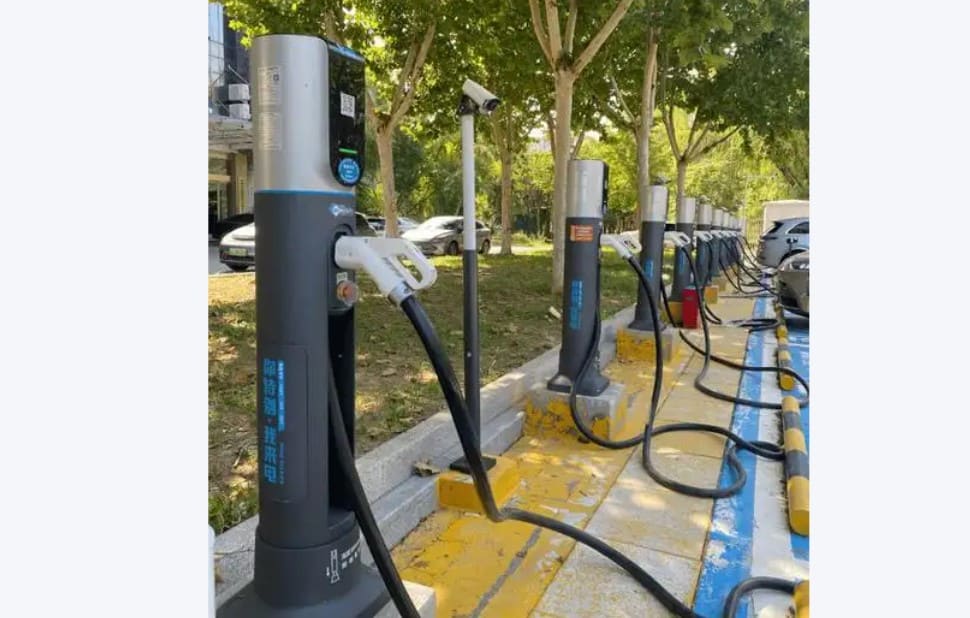
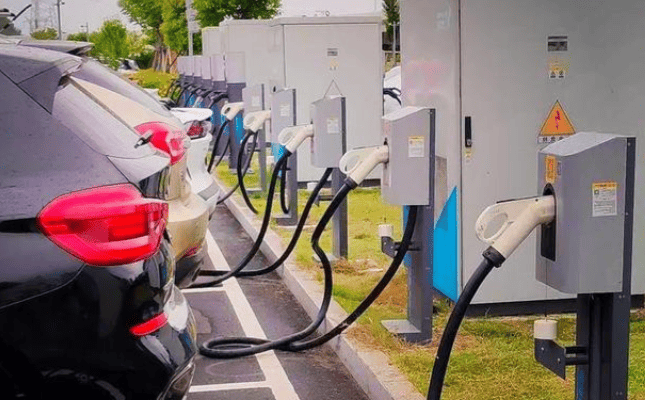
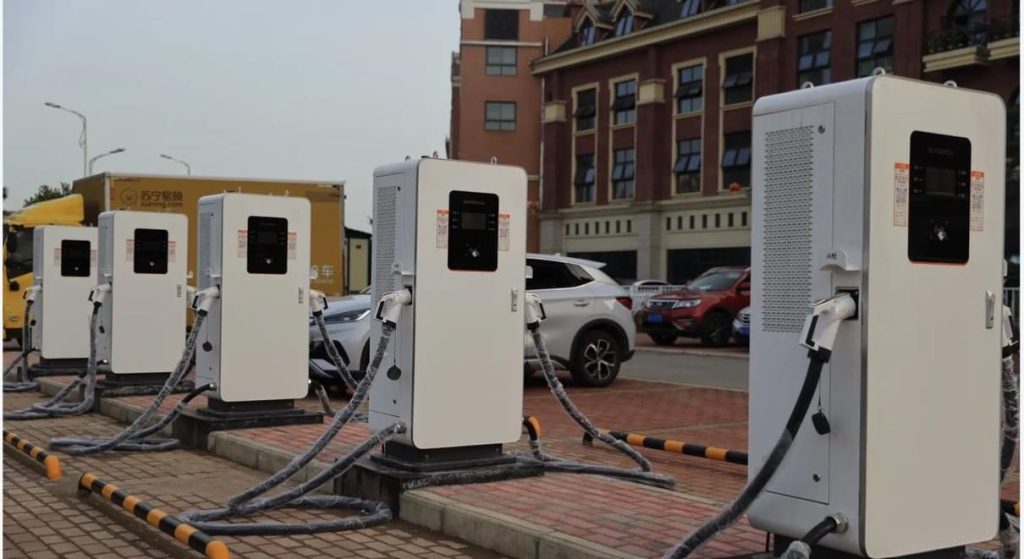
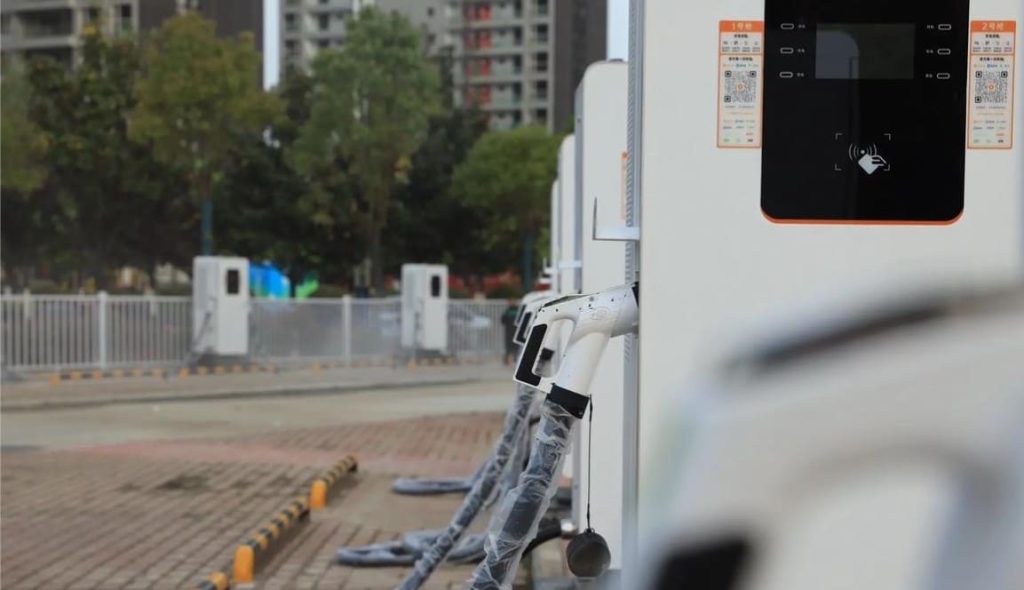
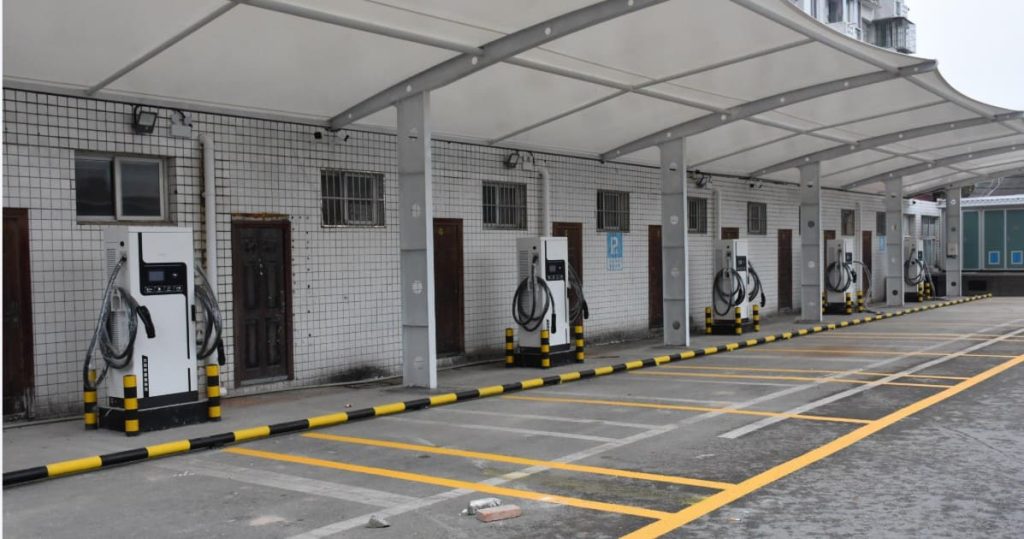
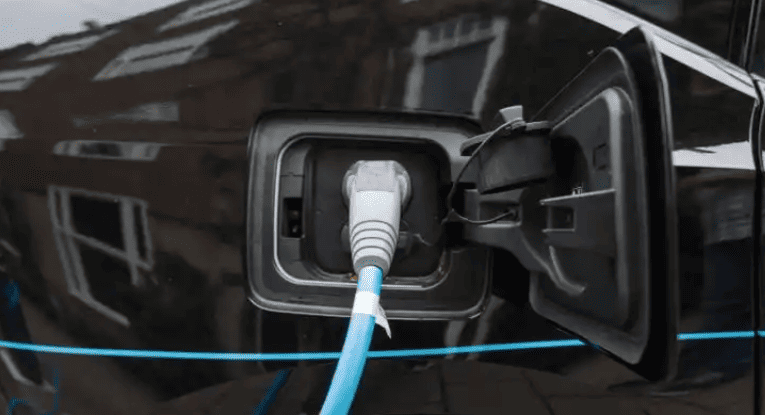
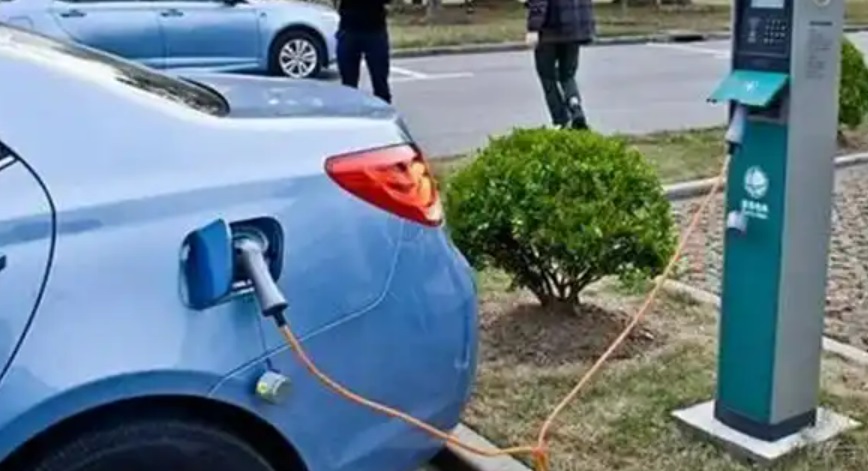
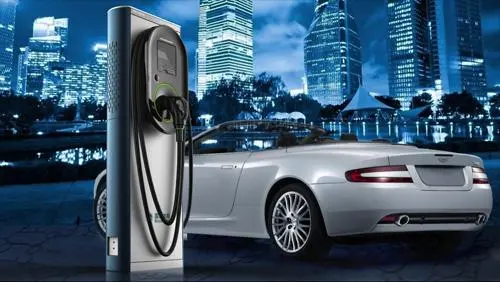
Manufacturers are creating novelá�能方式 (bƔ néng fāng shì)-energy replenishment techniques to alleviate range restrictions and charging durations. The goal of ultra-fast charging technology, like Zeekr’s 4C supercharging, is to increase range by hundreds of kilometers in a matter of minutes. By enabling drivers to swap out a depleted battery for a fully charged one in about the same amount of time as it takes to fill up a gas car, battery swap systems—which were developed by organizations such as NIO—effectively eliminate wait times and worries about battery deterioration over time.
Government policies and standards also shape the EV landscape. In China, for example, to qualify for preferential policies like the 2024 vehicle and vessel tax exemption, a pure electric vehicle must have a minimum range of 200 kilometers, while plug-in hybrids must offer at least 50 kilometers of all-electric range. These benchmarks encourage manufacturers to continually improve the baseline performance of their vehicles.
In conclusion, the real-world answer is more complex than the straightforward numerical response to the question “how far can an EV go?” which is continuously rising. How and where it is driven, the weather, and the technology of the car all have a big impact. Despite these factors, there is a clear general trend: ongoing improvements in battery technology, energy management, and charging infrastructure are gradually extending EV ranges and making them a more sensible and adaptable option for buyers. The long-term objective of attaining a dependable 1,000-kilometer range in practical settings is
becoming a reality.
Contact Us
Contact Us
Whatsapp/Mobile: +86 18019762979
Email: sales@lkmixer.com