How long to charge kia niro ev?
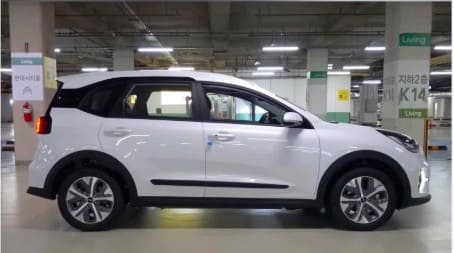
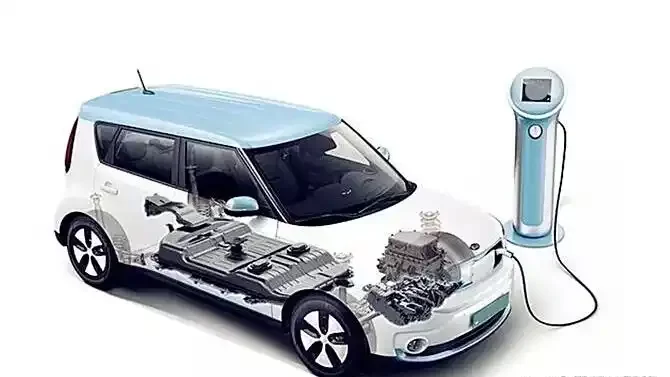
The time it takes to charge a Kia Niro EV depends primarily on the type of charger you are using, ranging from slow overnight top-ups at home to rapid public charging sessions that can significantly boost your range in under an hour.
Understanding Charger Types and Their Speeds
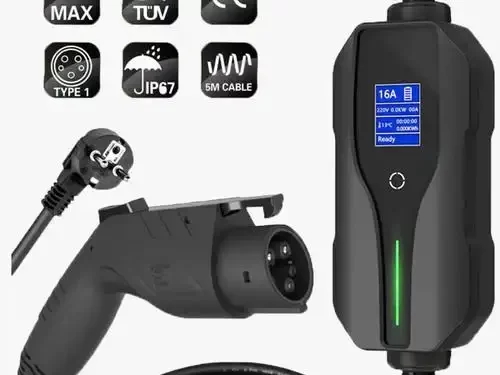
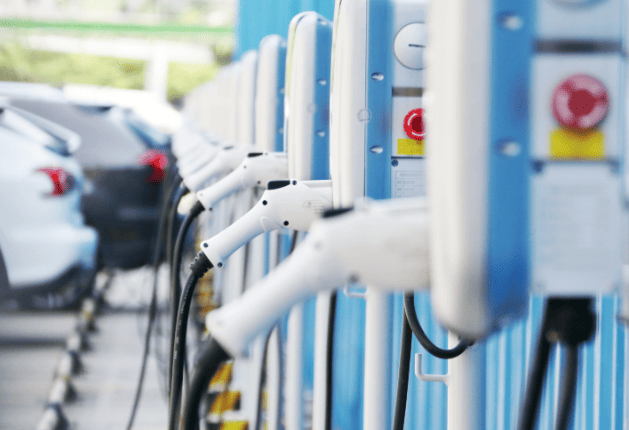
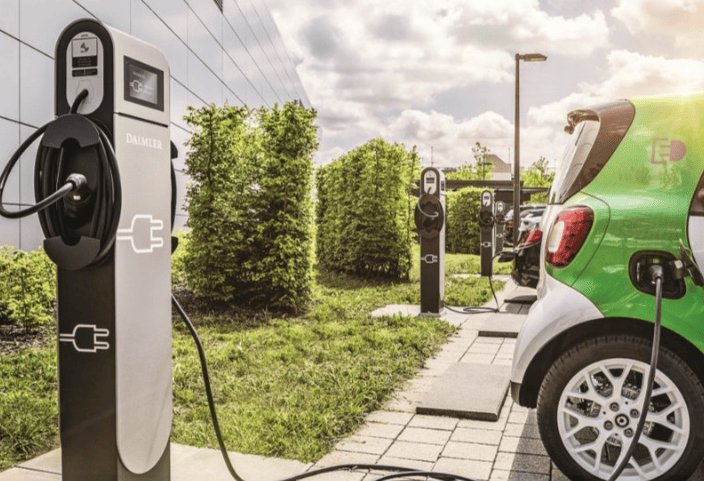
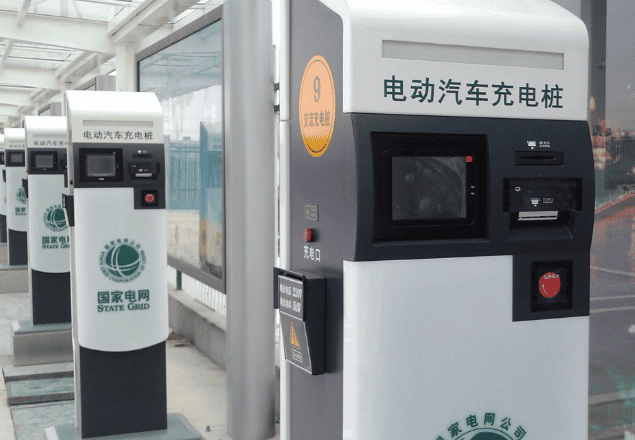
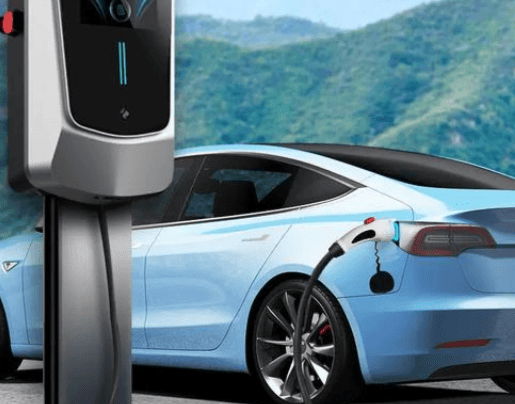
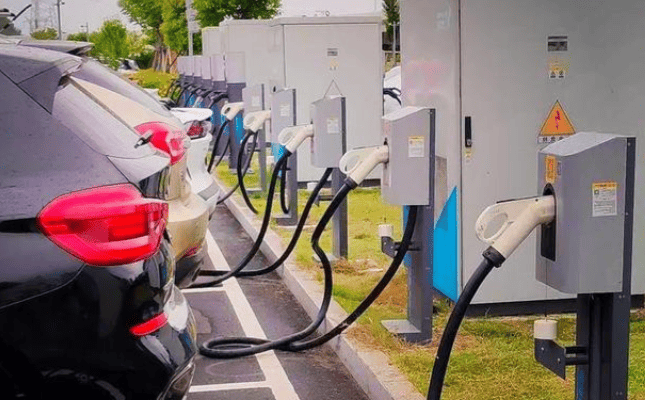
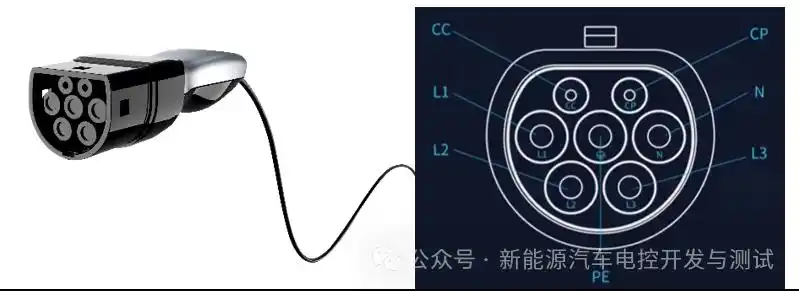
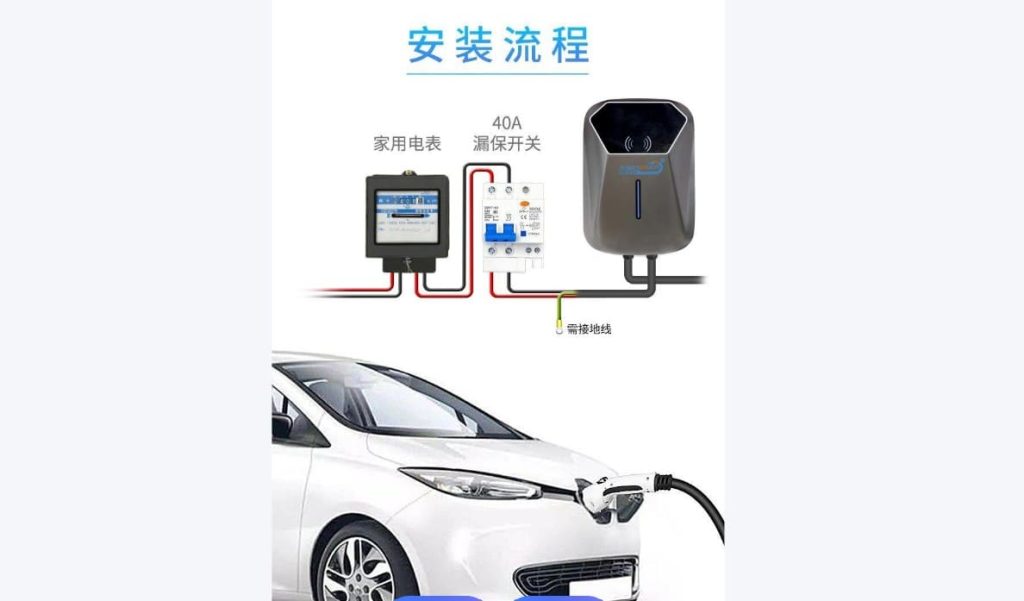
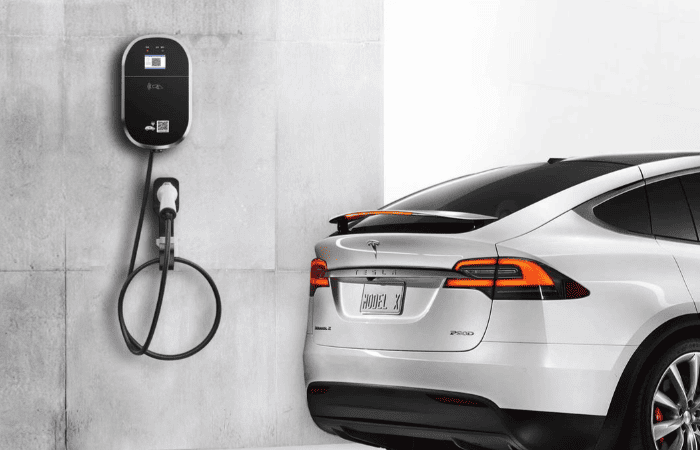
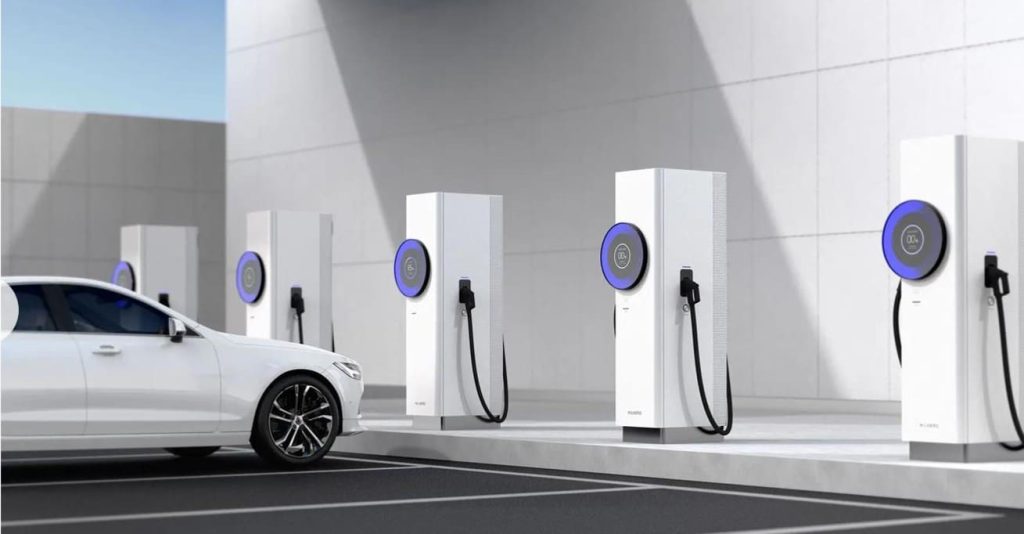
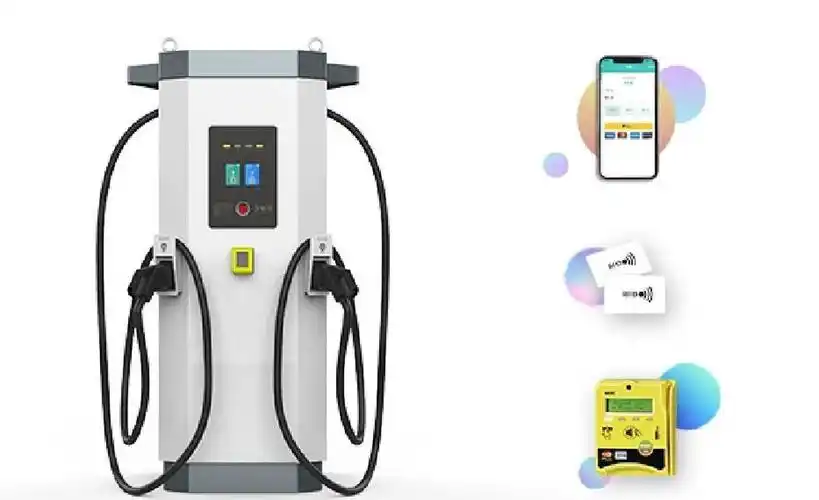
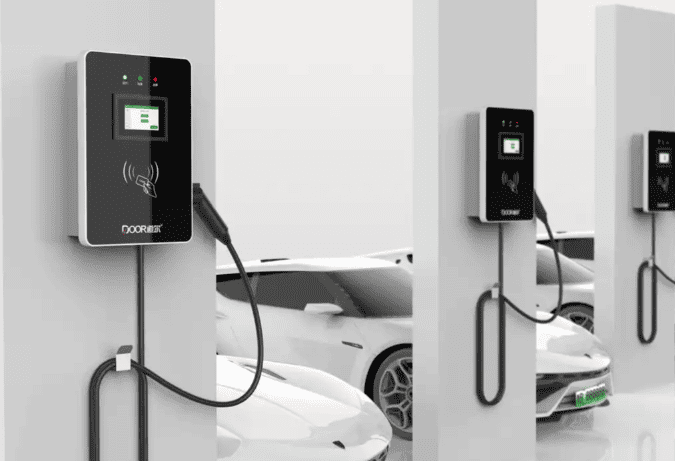
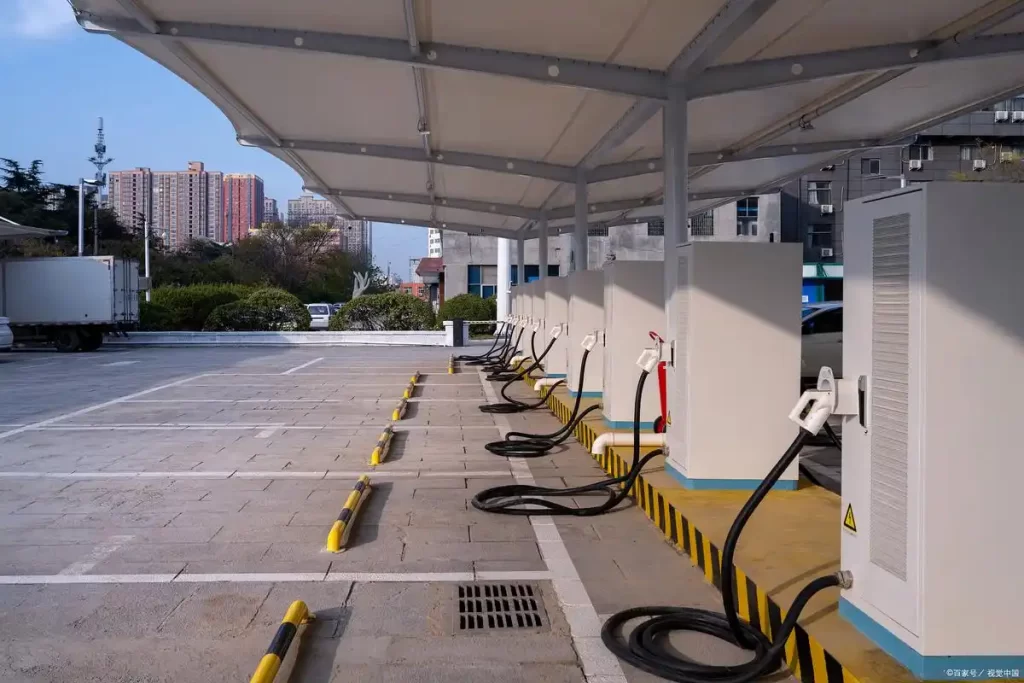
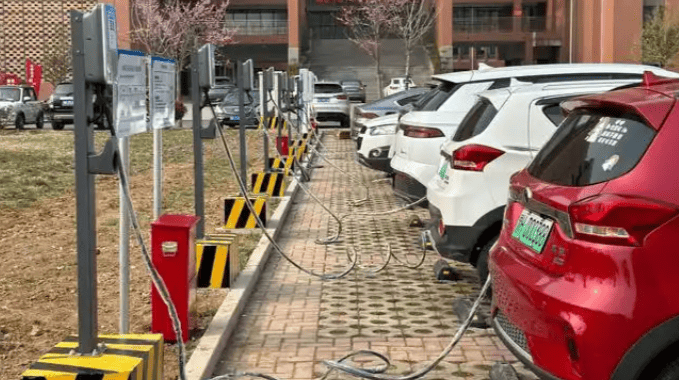
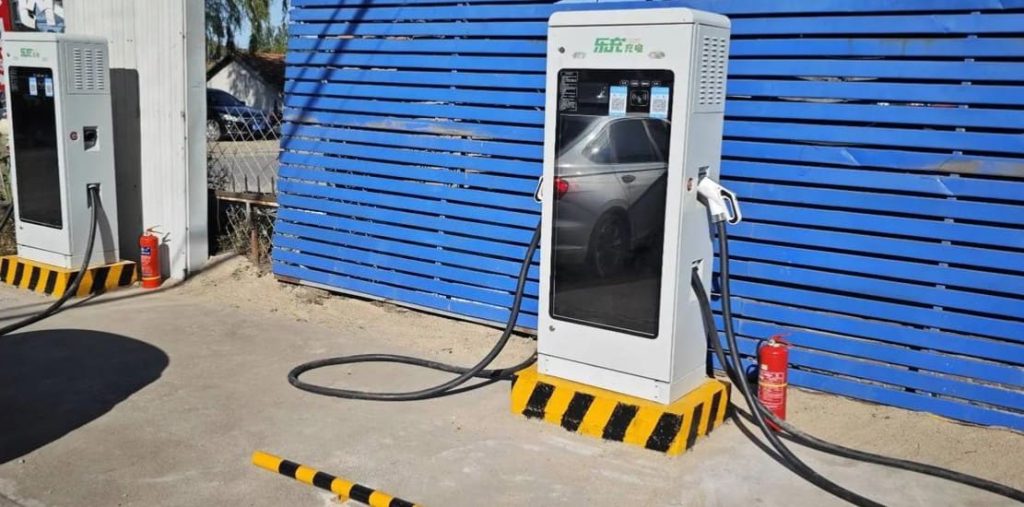
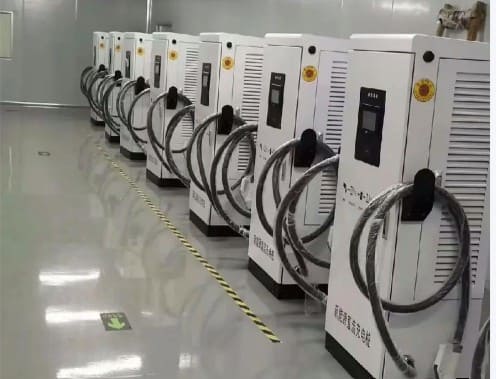
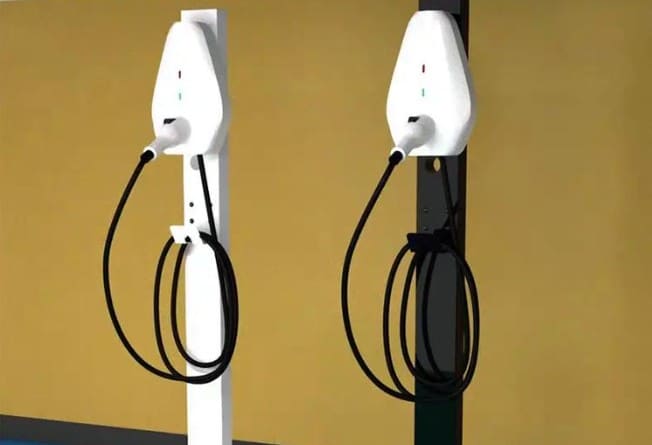
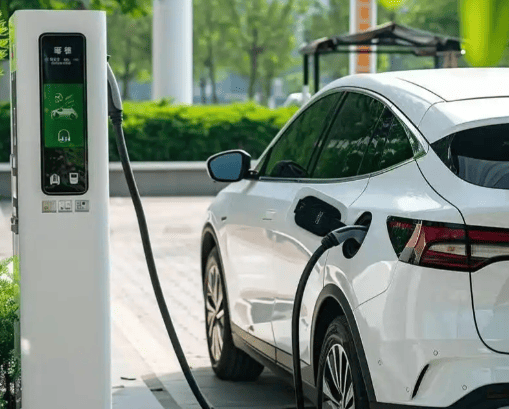
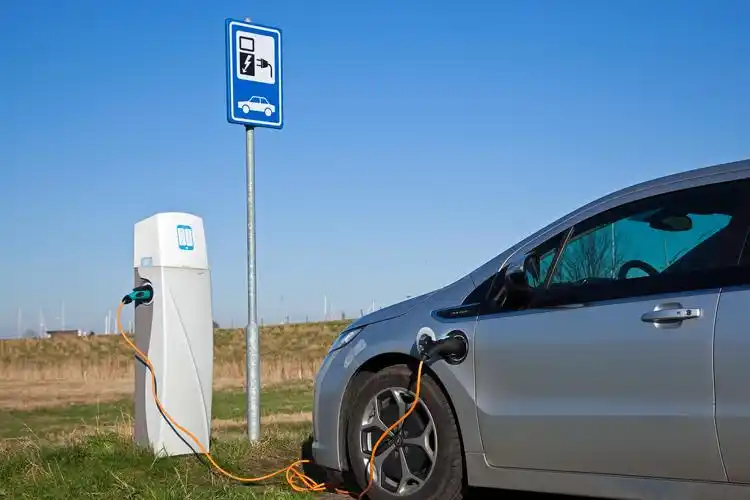
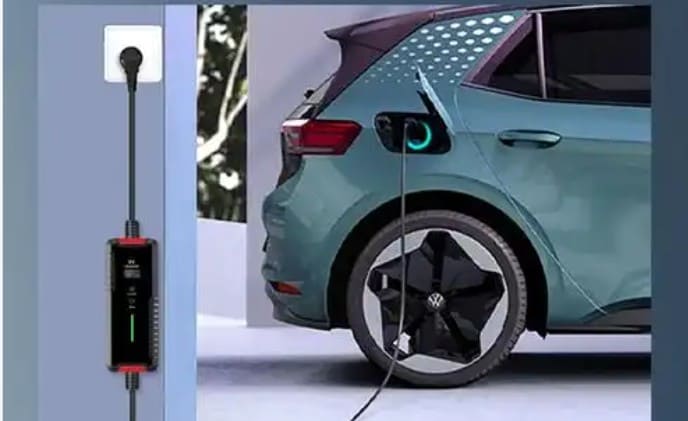
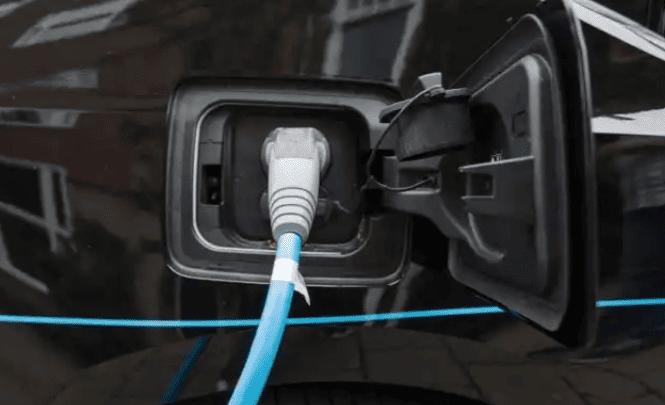
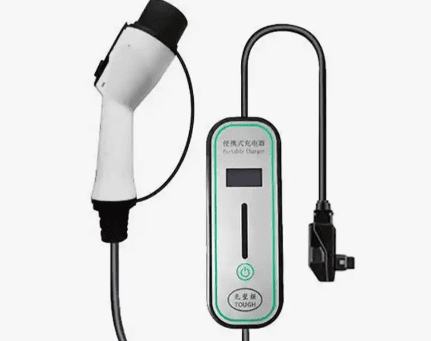
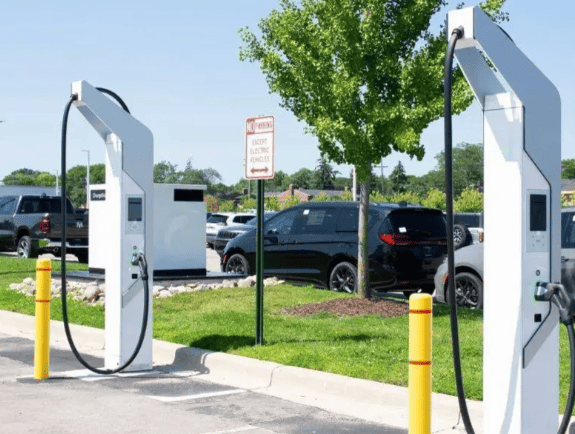
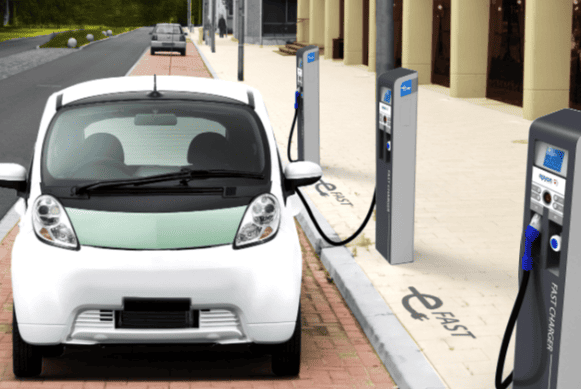
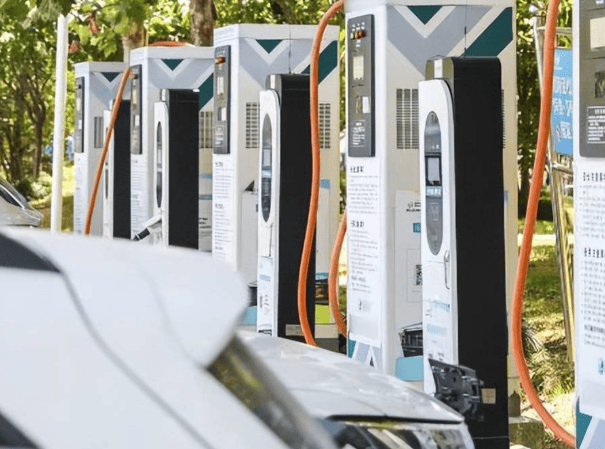
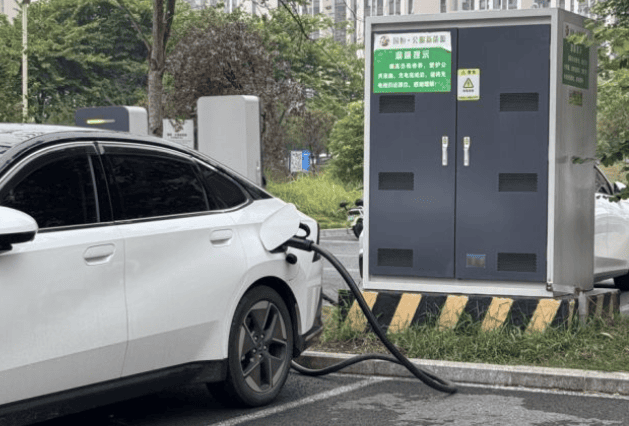
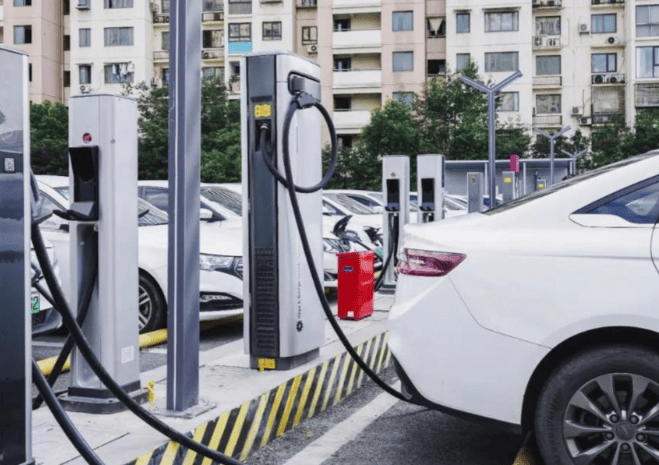
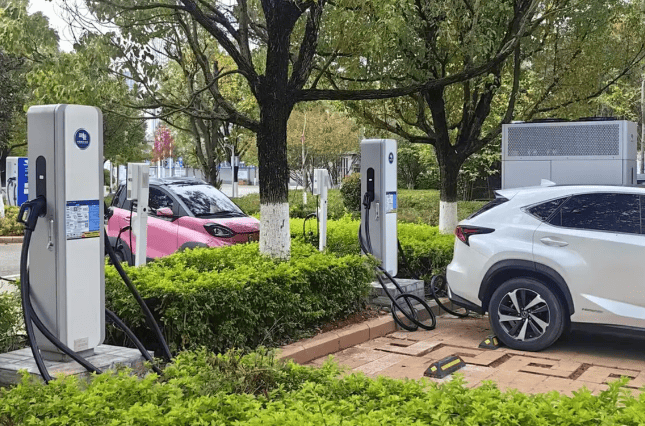
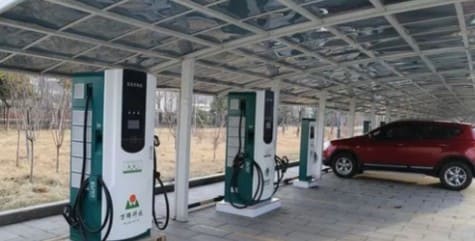
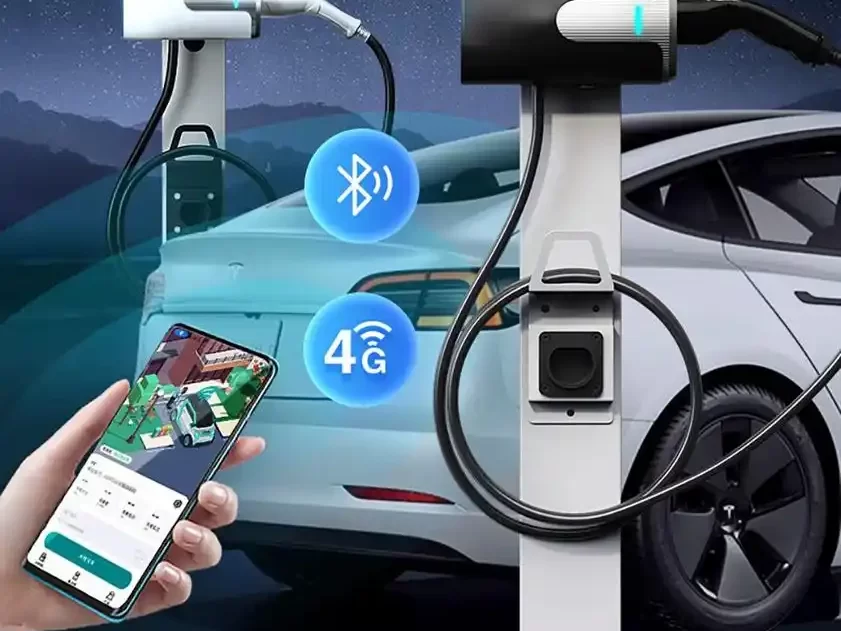
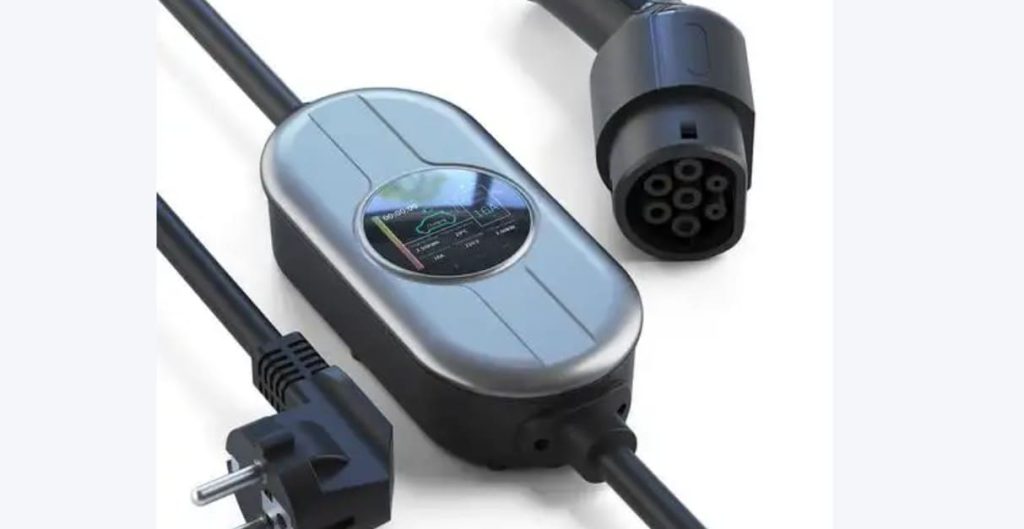
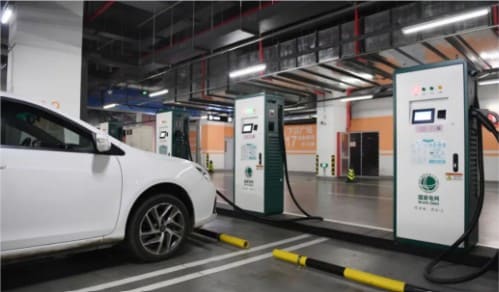
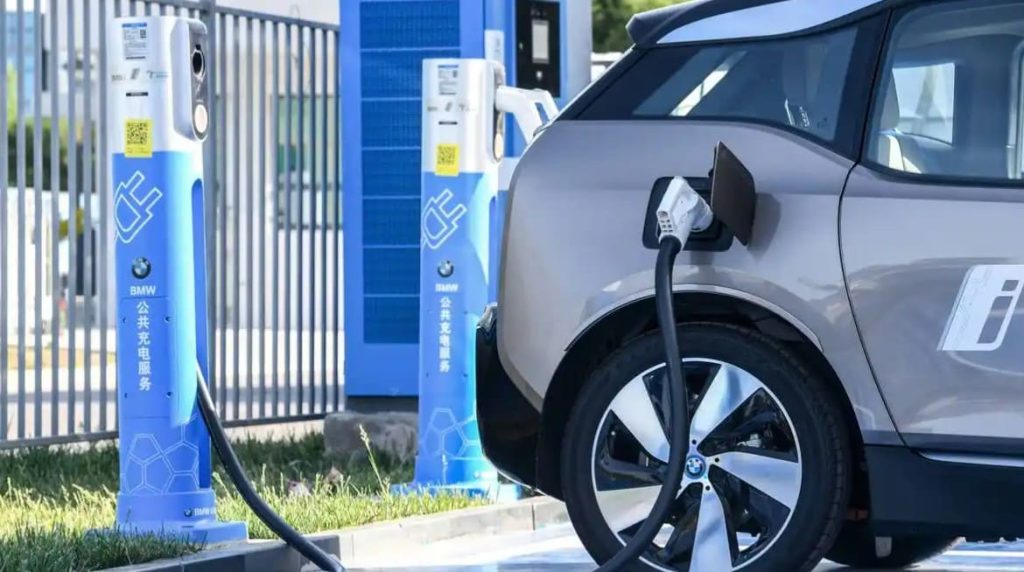
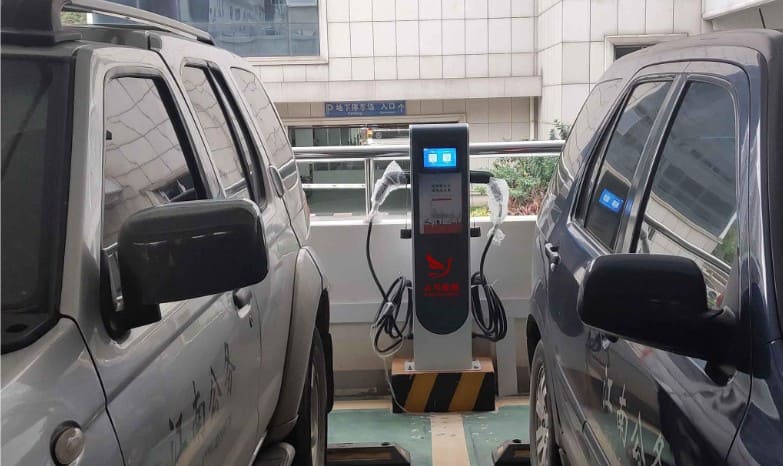
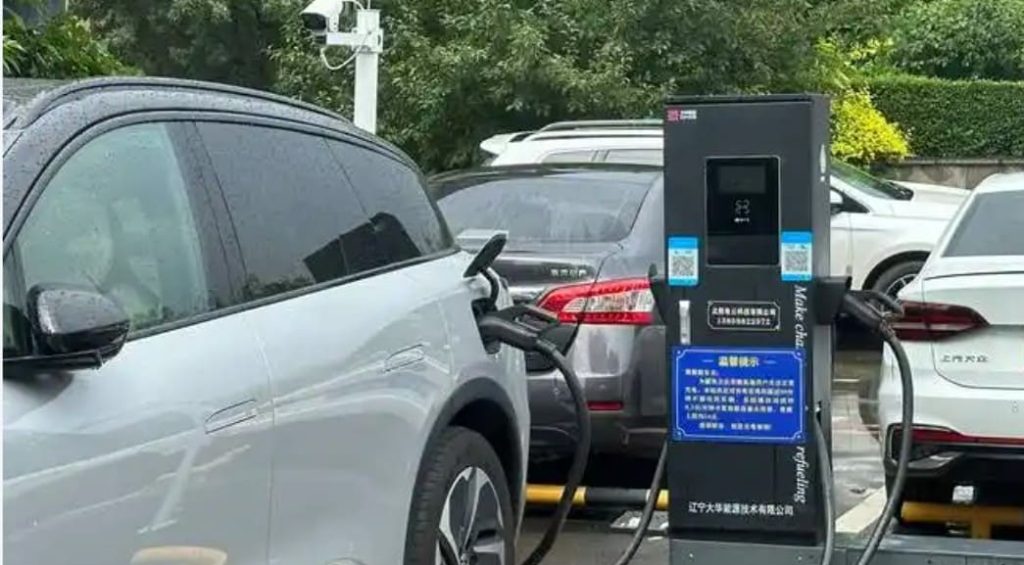
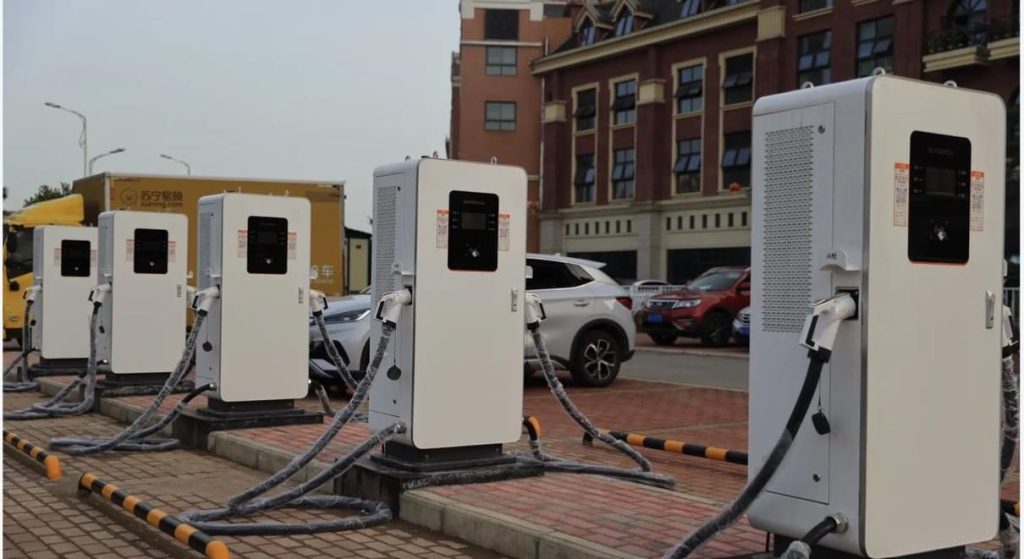
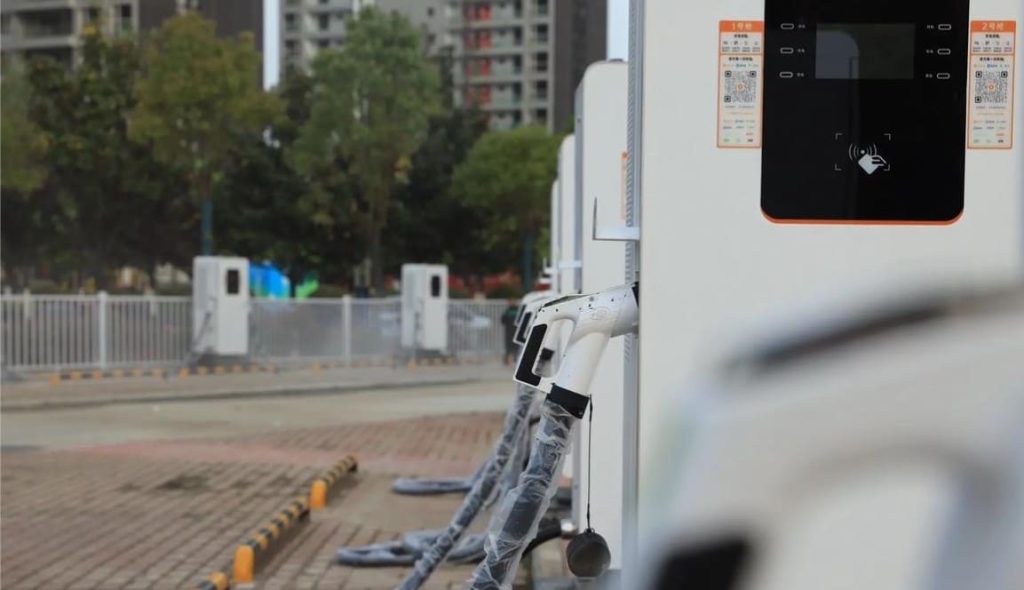
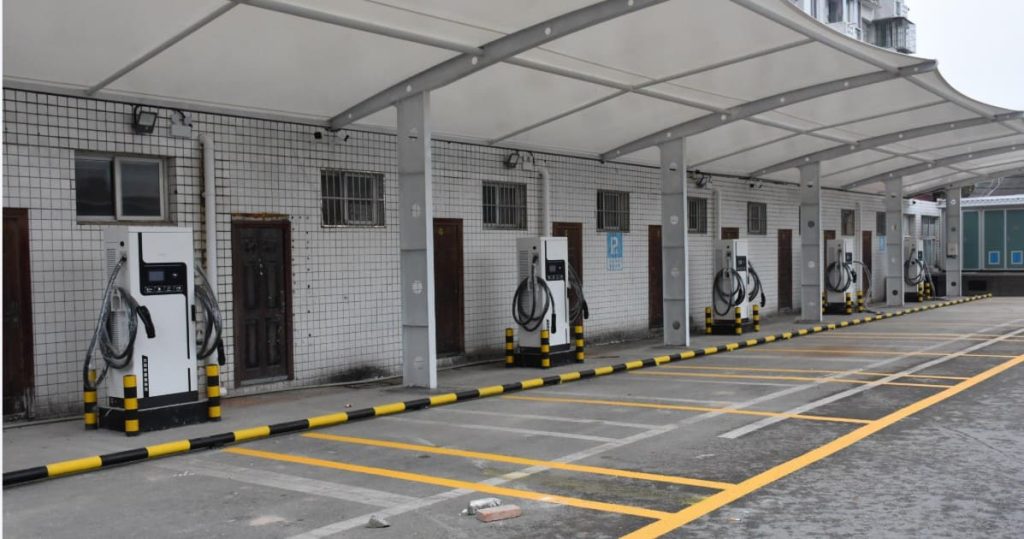
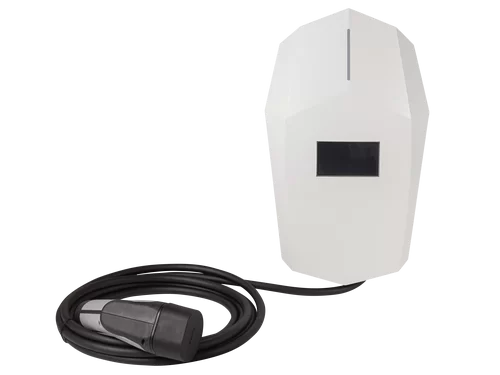
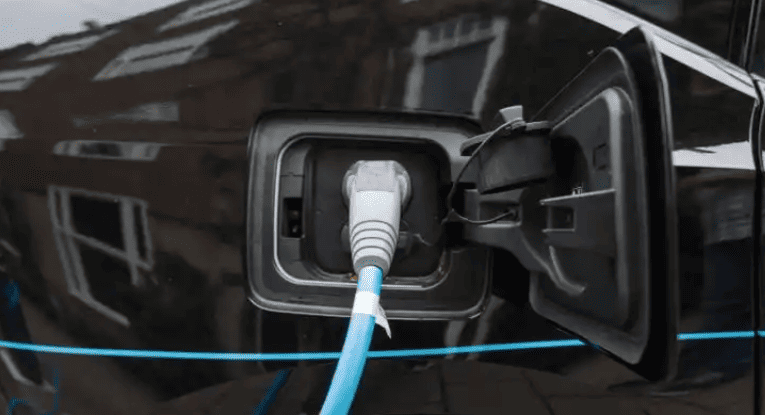
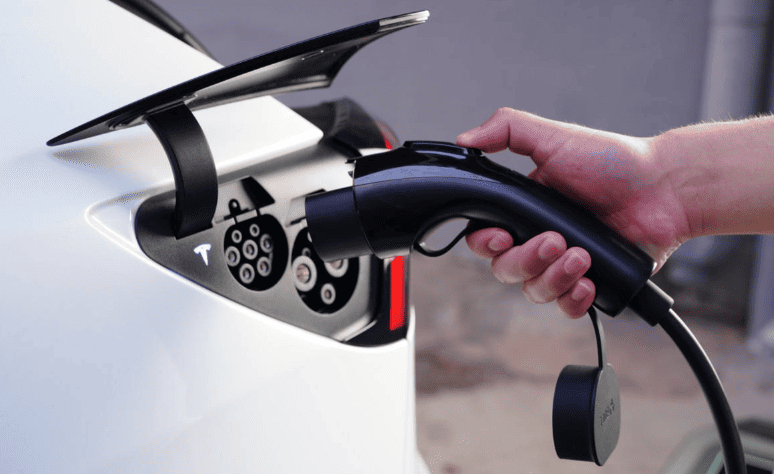
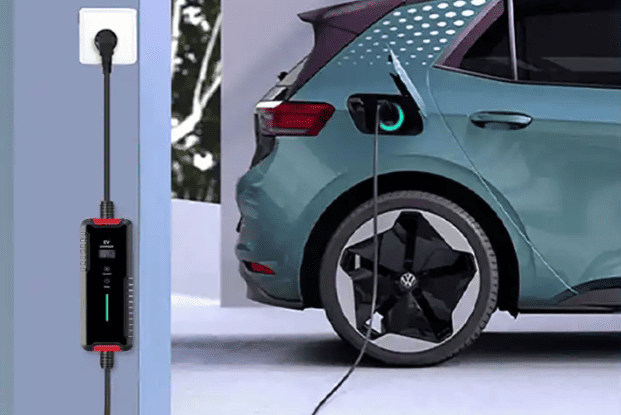
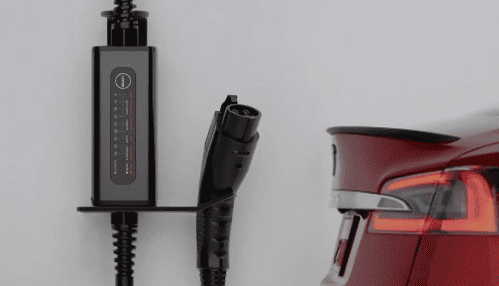
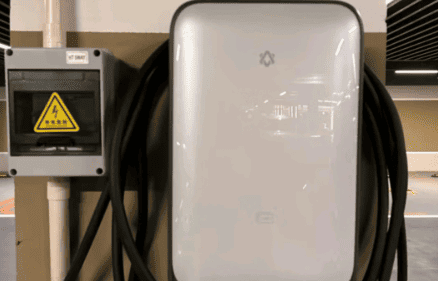
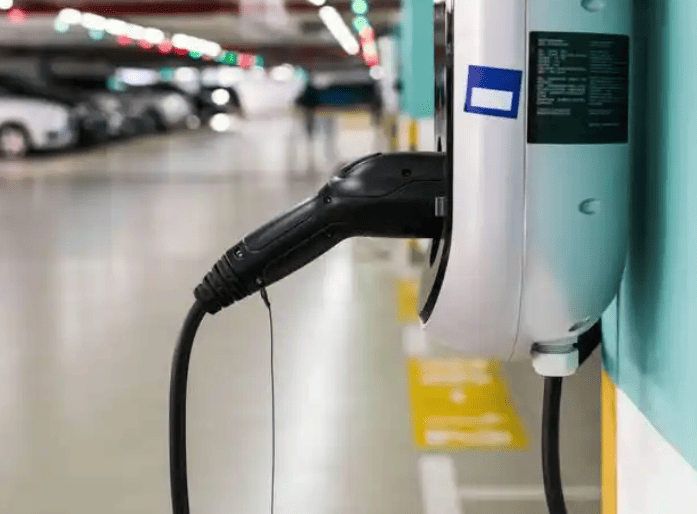
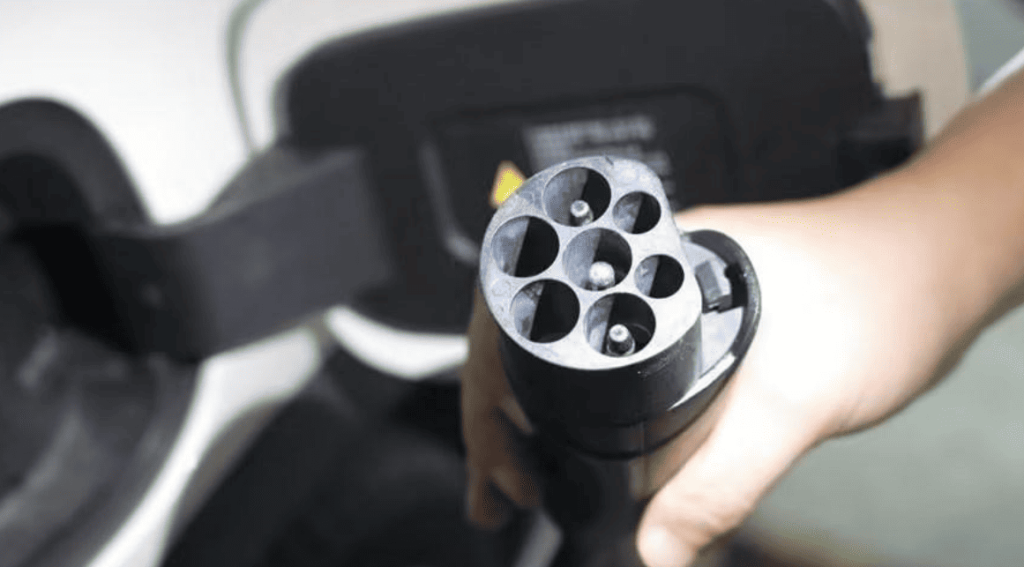
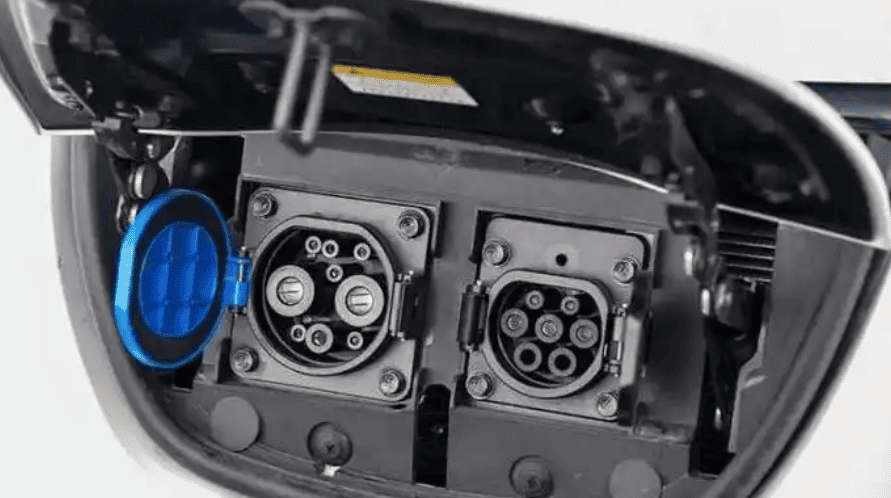
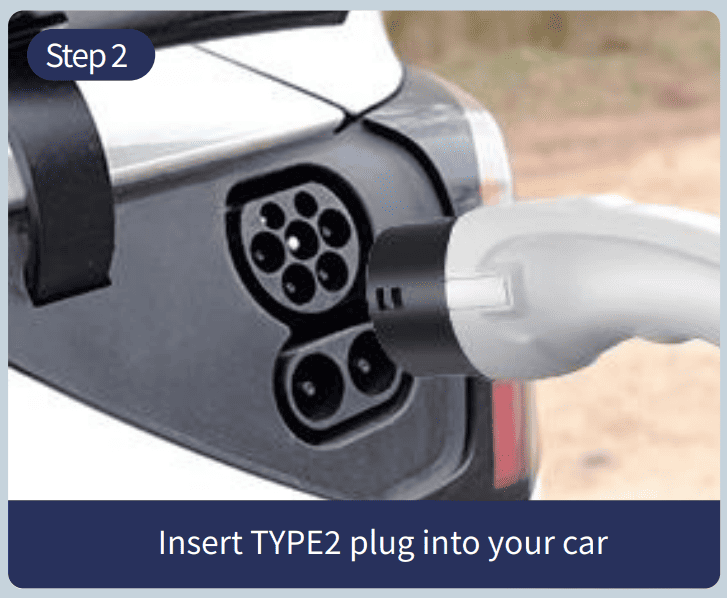
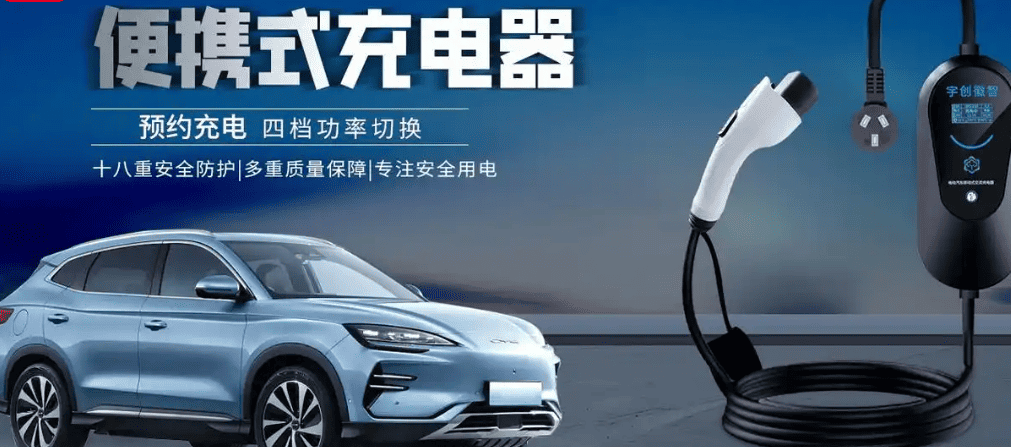
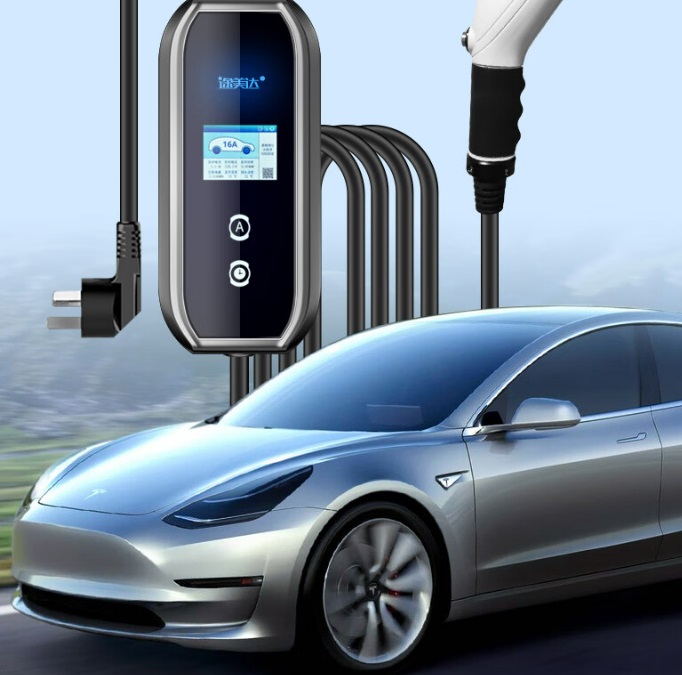
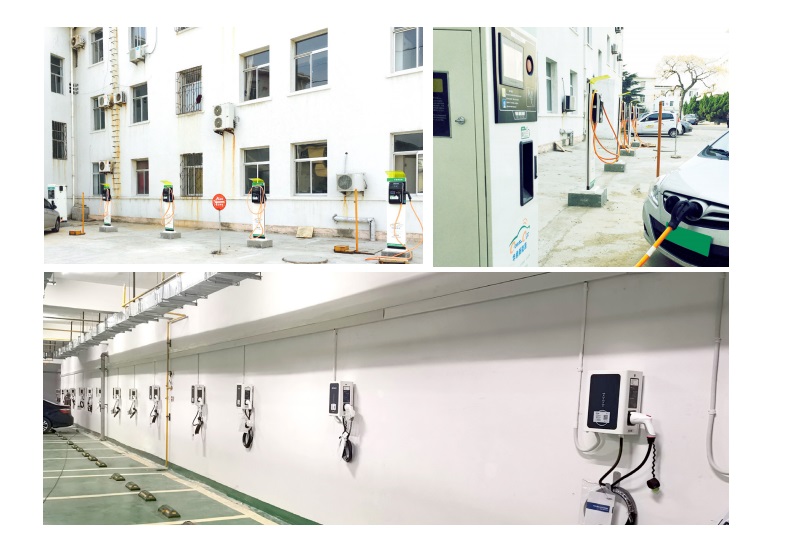
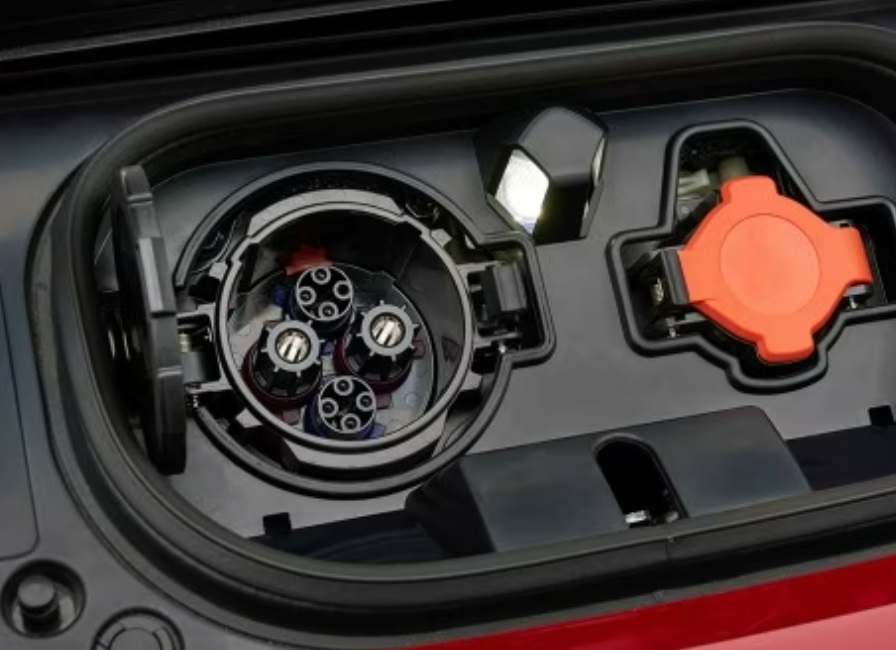
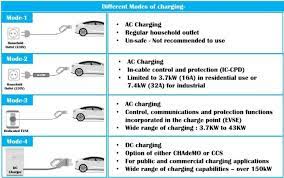
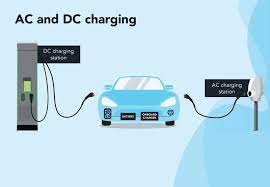
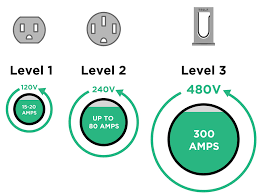
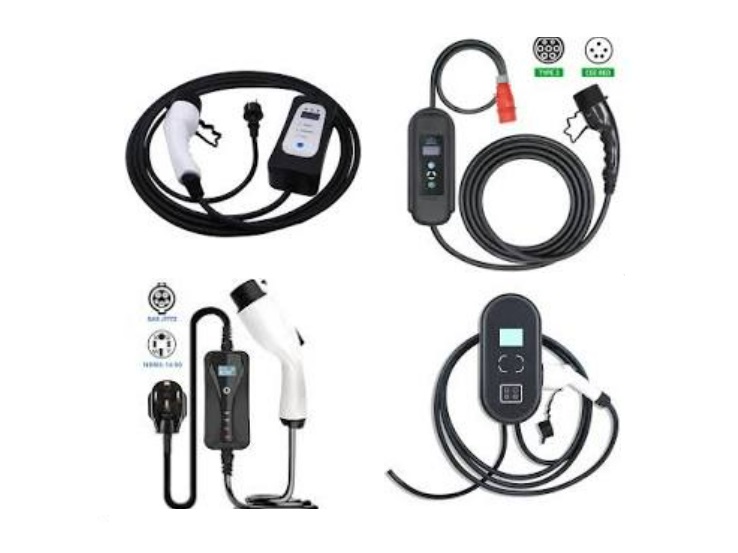
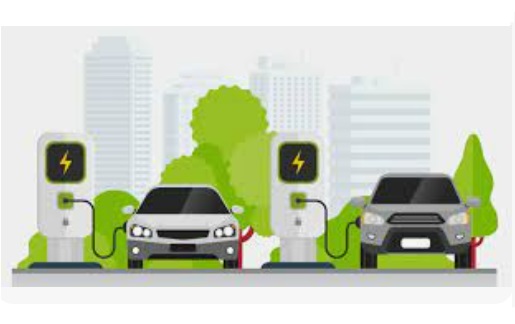
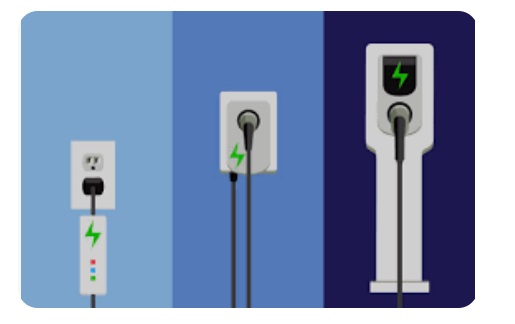
The type of charger you connect to has the biggest impact on how long it takes to charge. Level 1 charging makes use of the portable cord that frequently comes with the car and a typical 120-volt household outlet. The slowest approach is appropriate for recovering a moderate amount of range over night. A 240-volt outlet or a specialized home charging station—which can be professionally installed—is needed for level 2 charging. This technique is the most popular and practical option for daily home charging since it significantly cuts down on charging time. Public charging stations offer DC fast charging, which is the quickest option. This charger type bypasses the car’s internal onboard charger and delivers direct current (DC) power straight to the battery, enabling you to add hundreds of kilometers of range in the time it takes to take a short break.
Detailed Breakdown of Level 1 Charging Times
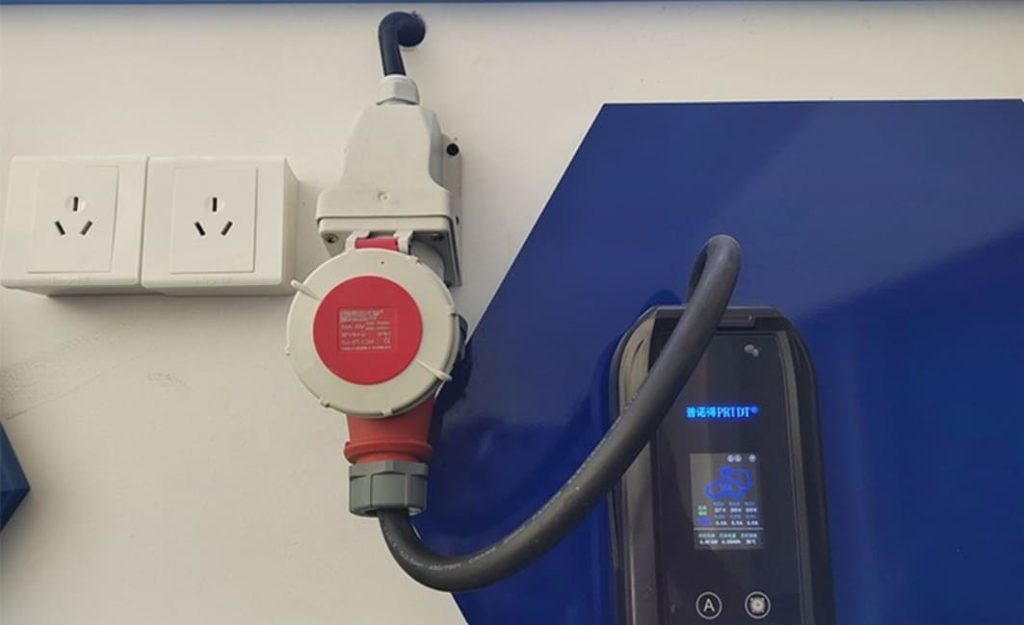
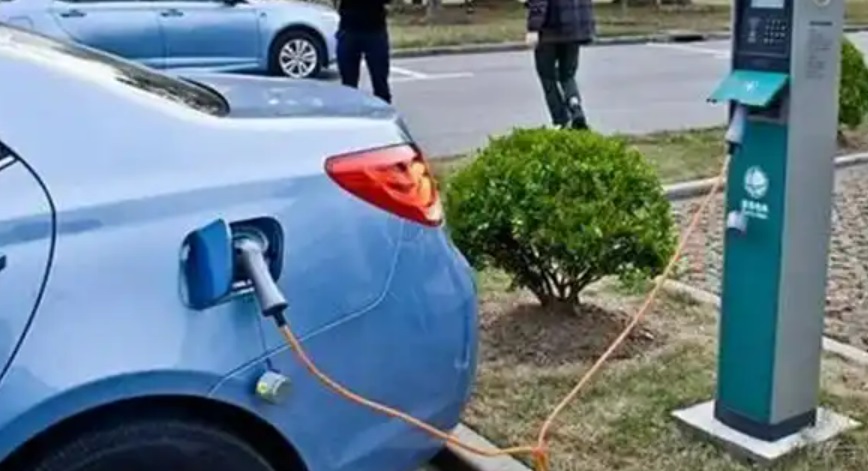
Level 1 charging is frequently regarded as an emergency or occasional-use option rather than a primary charging solution for most drivers, as it may not keep up with daily driving habits. Charging your Kia Niro EV using a standard household wall outlet is a laborious process that is best suited for situations where you have ample time to recharge, such as overnight or when parked at home for an extended period of time. A full charge from empty can take well over 50 hours.
Detailed Breakdown of Level 2 Charging Times
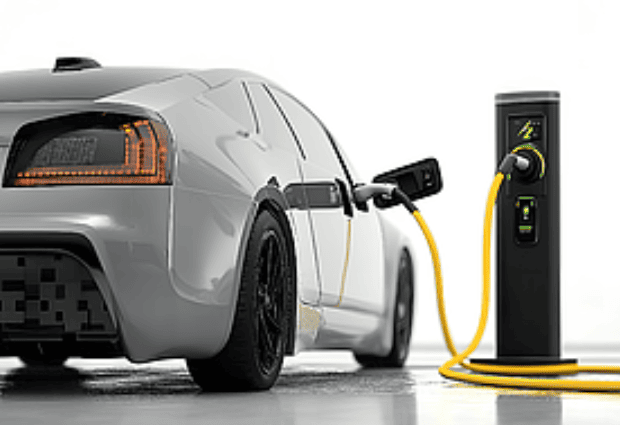
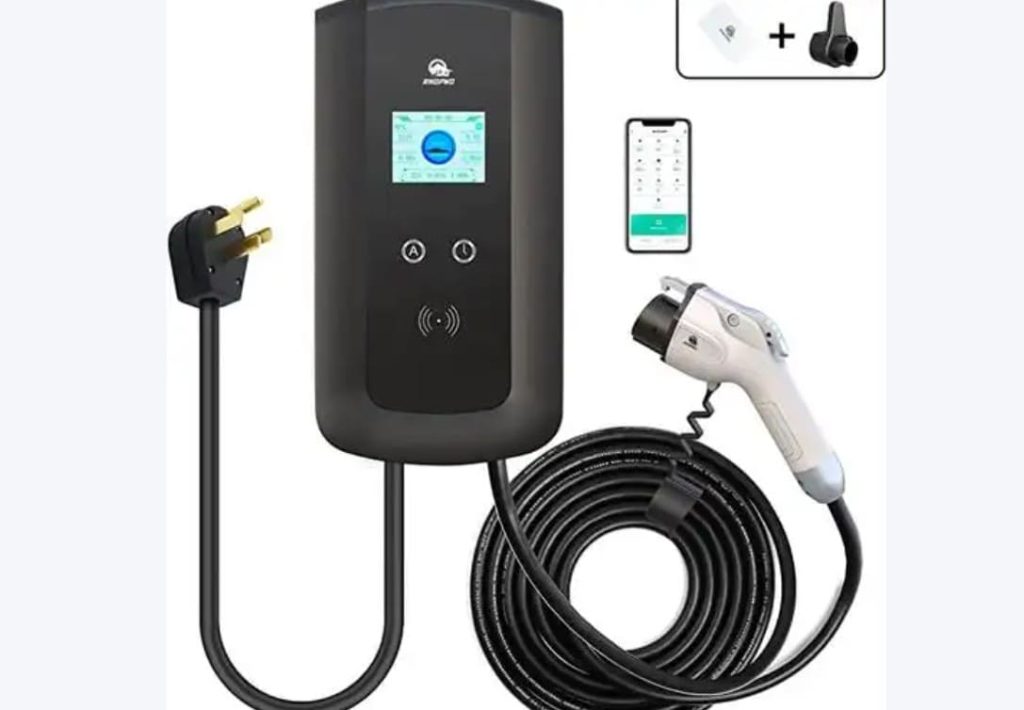
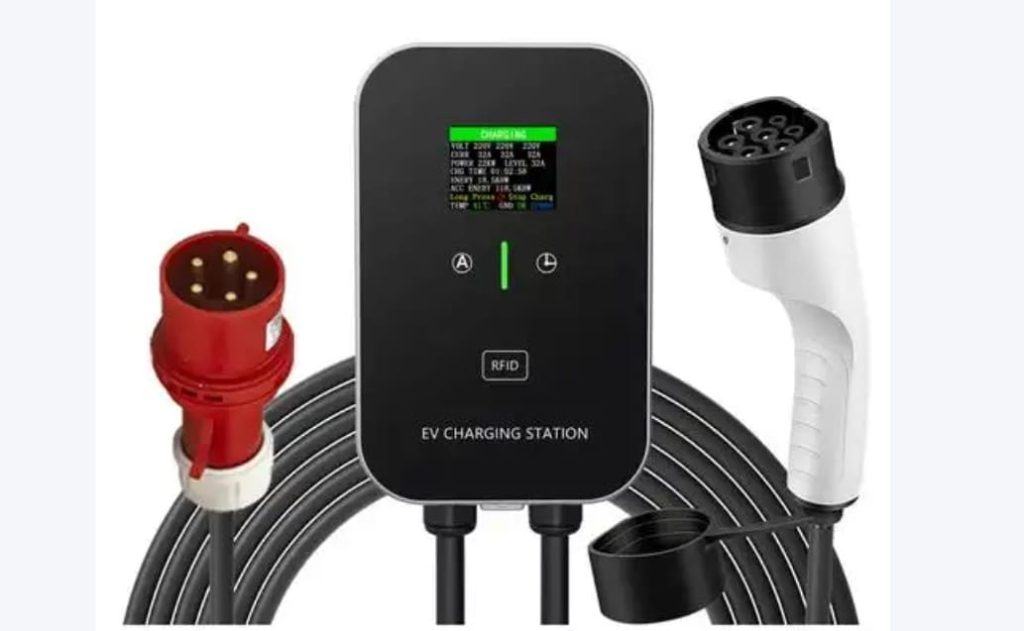
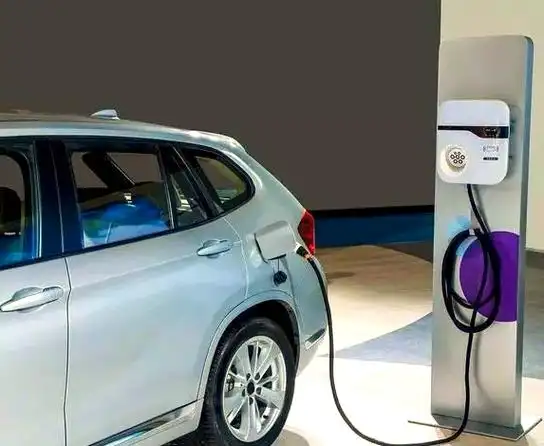
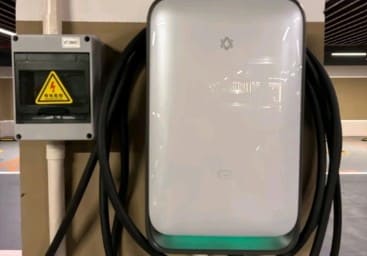
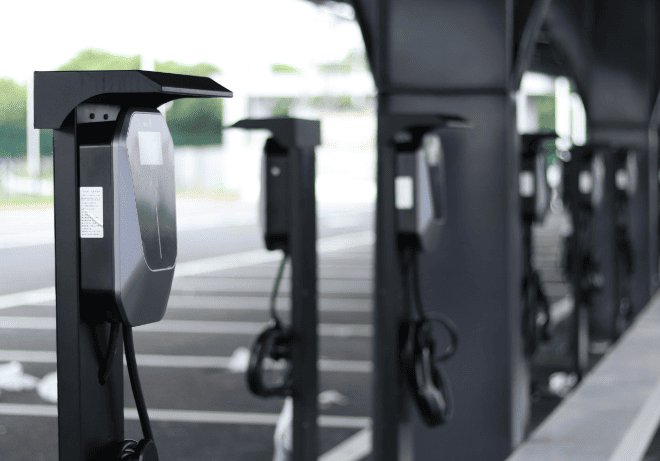
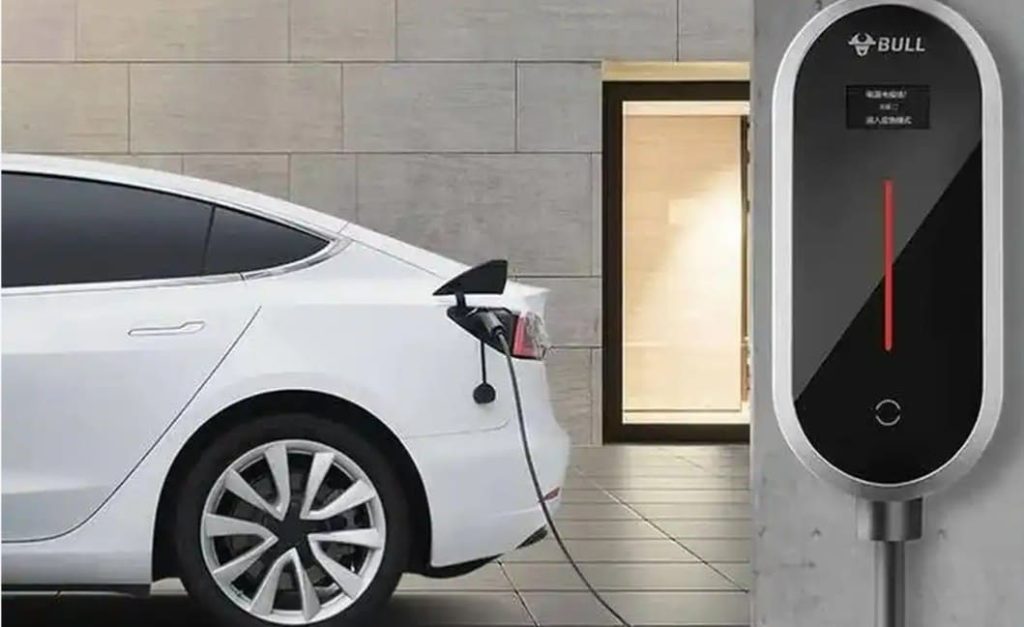
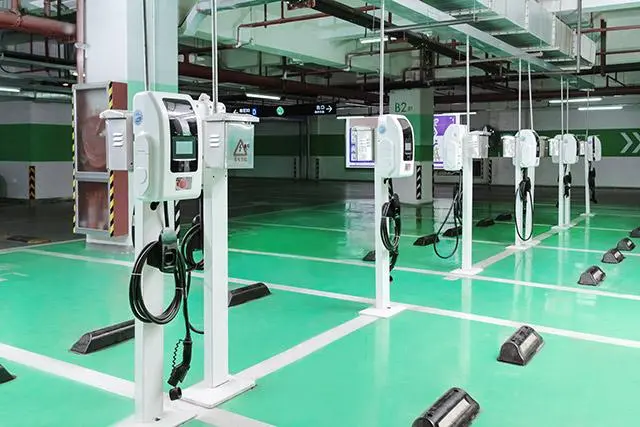
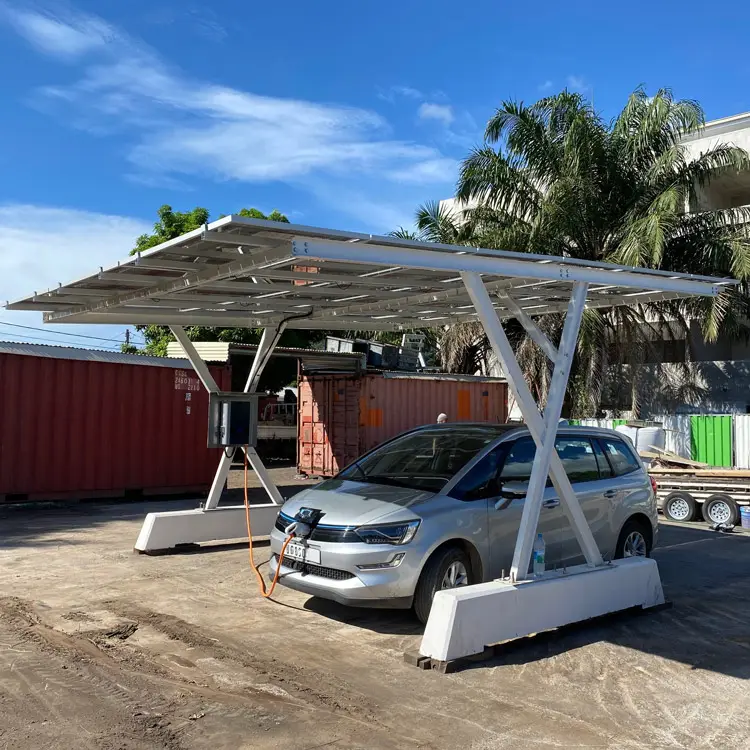
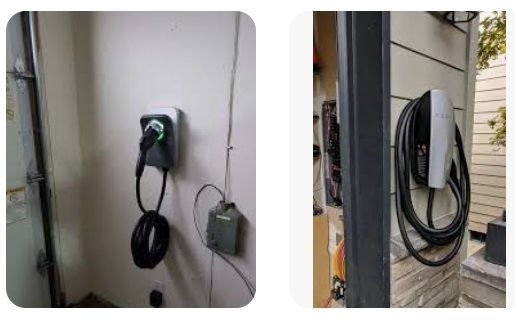
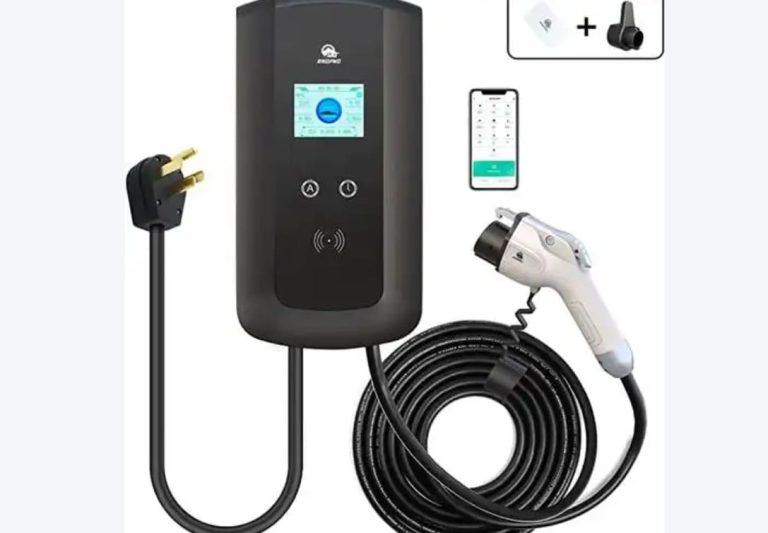
Level 2 charging is the most efficient and dependable way to charge your car at home, ensuring that it starts each day with a “full tank.” Installing a Level 2 charger at home changes the ownership experience by providing significant range overnight. The precise speed depends on the amperage of your circuit and the charger itself (e.g., 7.2 kW, 11 kW). For instance, a typical 11 kW Level 2 charger will charge your Kia Niro EV from 20% to 80% in about 3.93 hours, while a full charge from 0% to 100% would take about 6 to 9 hours, easy to complete while you sleep.
Detailed Breakdown of DC Fast Charging (DCFC) Times
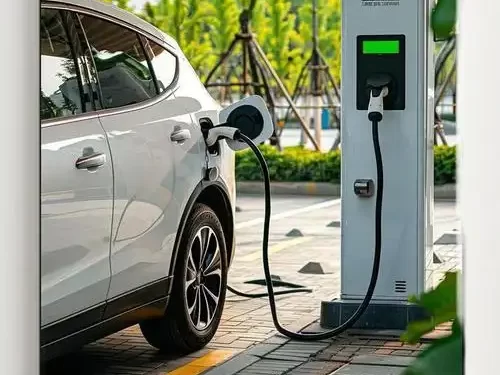
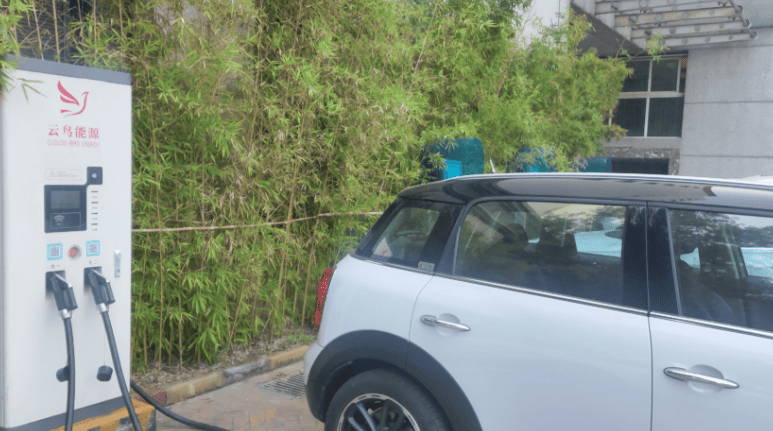
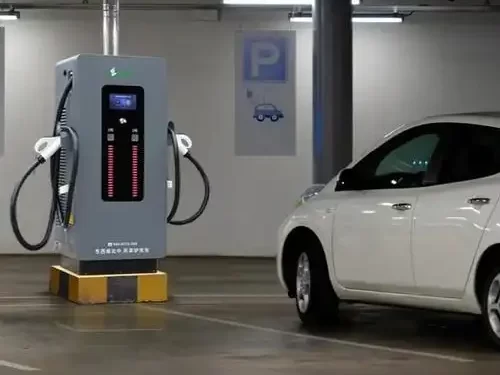
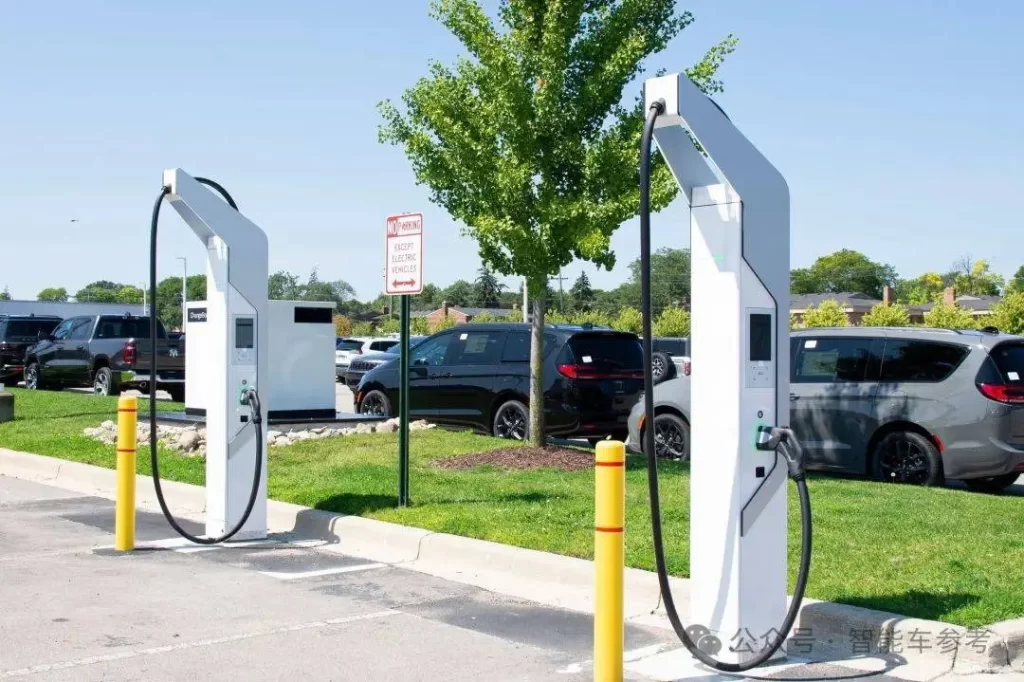
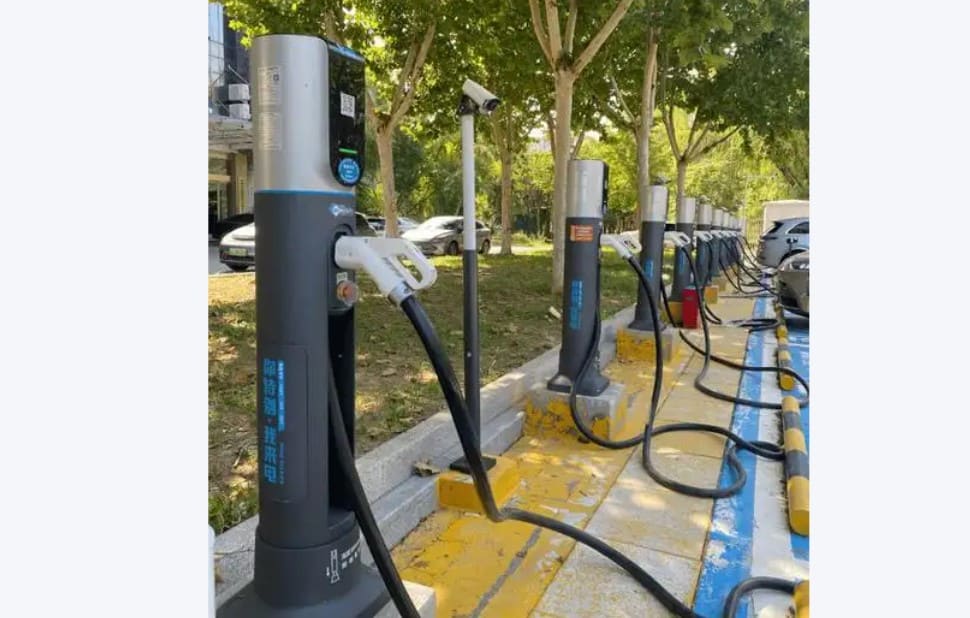
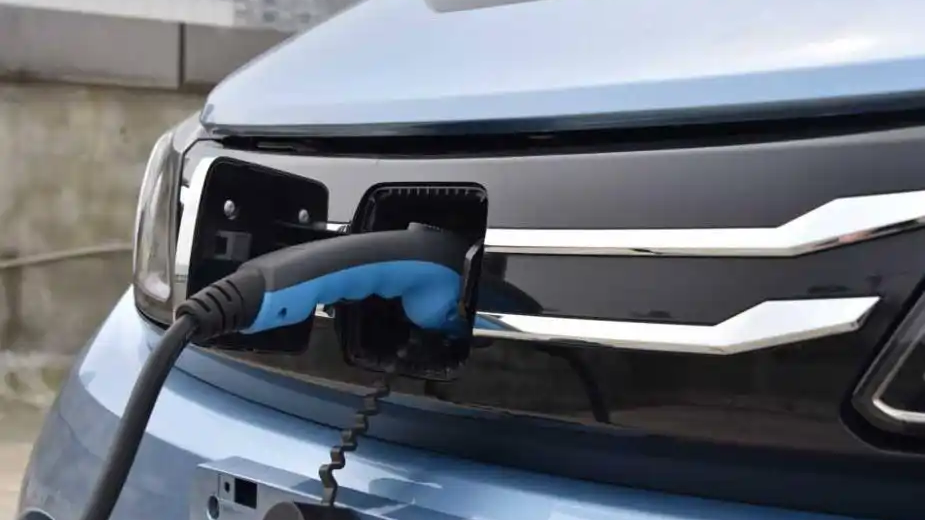
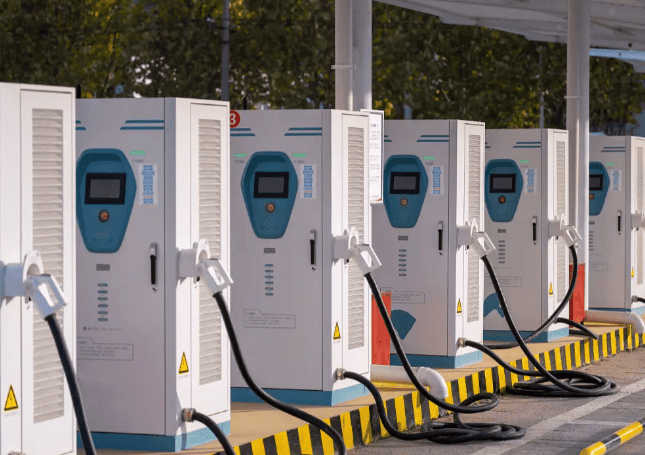
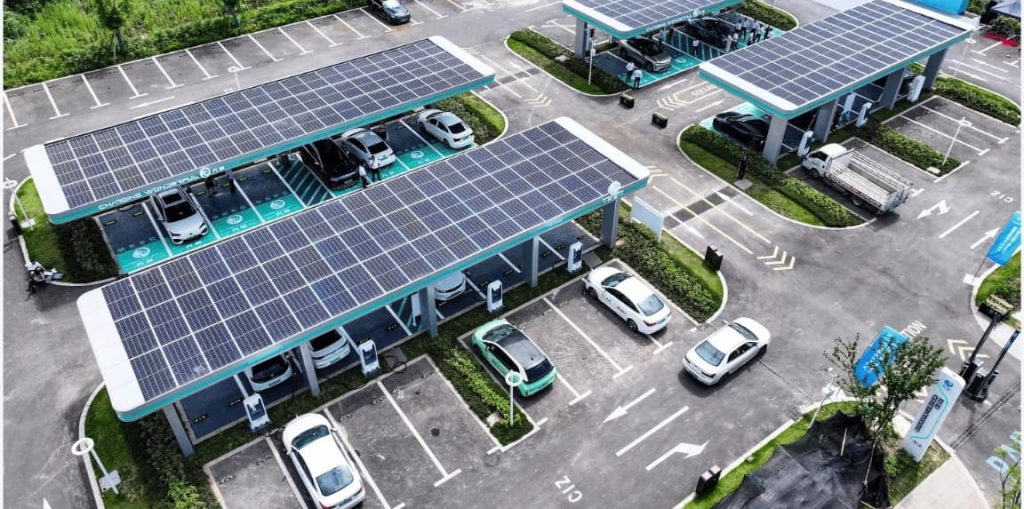
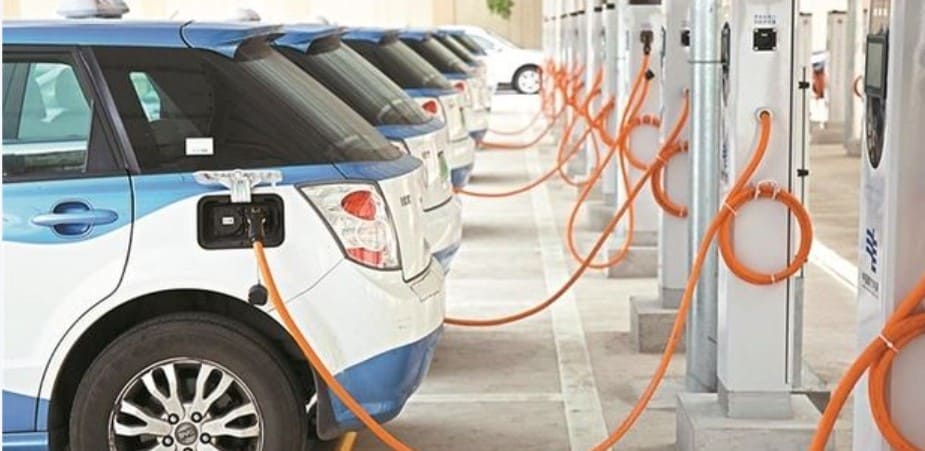
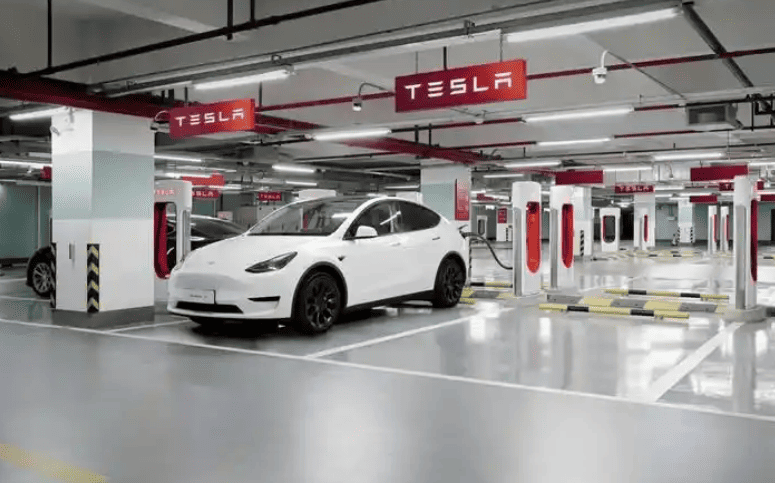
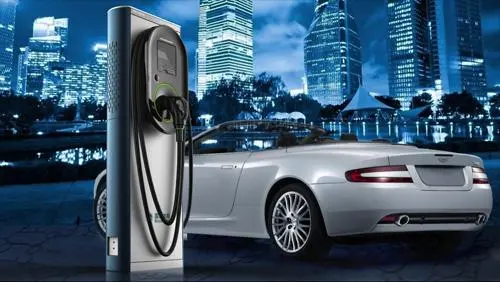
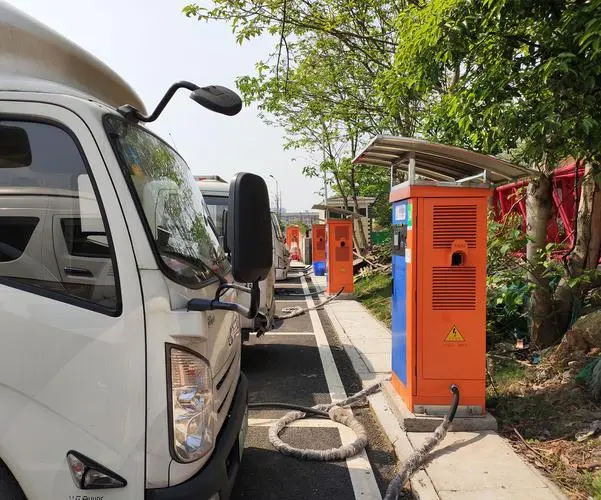
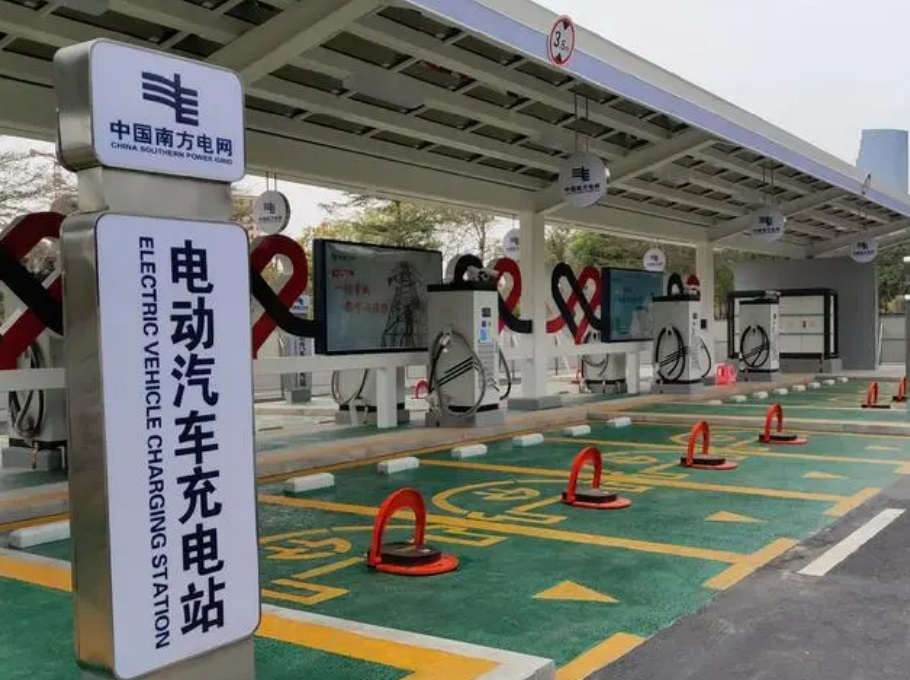
DC fast charging is the technology that makes long-distance travel in an electric vehicle feasible. When you’re on a road trip and need to quickly replenish your battery, a public DC fast charger is the answer. The Kia Niro EV can accept DC fast charging at power levels up to 100 kW. At this rate, you can charge the battery from 20% to 80% in roughly 35 to 45 minutes. It’s important to note that charging speed is not linear; the vehicle will protect the battery’s health by slowing down the charging rate as the battery approaches its full capacity. Therefore, the most efficient use of a fast charger is to typically charge only up to 80% and then continue your journey.
Factors Influencing Charging Time
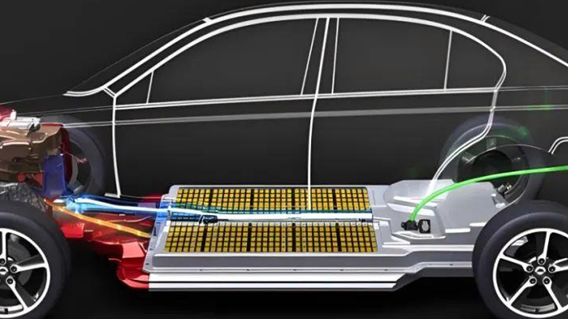
Several key variables can influence these estimated charging times. Battery State of Charge: A deeply depleted battery will charge faster initially than one that is nearly full. Temperature: Battery chemistry is sensitive to temperature. In cold weather, the battery’s internal resistance increases, which can significantly slow down charging speeds, especially for DC fast charging. Some modern EVs, including the Niro EV, have battery preconditioning systems that can heat the battery before arriving at a charger to mitigate this issue. Battery Health: Over many years and charging cycles, a battery’s maximum capacity and its ability to accept peak charging power may gradually decrease. Vehicle’s Onboard Charger: The onboard charger in the car itself has a maximum power rating for AC charging (Level 1 and Level 2). The Niro EV’s onboard charger supports up to 11 kW, meaning even if you connect to a more powerful AC charger, it will only draw a maximum of 11 kW.
Optimizing Your Charging Experience
To make the most of your charging sessions and maintain battery health, you can adopt a few simple strategies. For daily use, rely on Level 2 charging at home and set a charging limit of 80% to reduce stress on the battery. Save charging to 100% for when you anticipate needing the full range for a longer trip. When using DC fast charging on road trips, plan your stops around your vehicle’s charging curve, aiming to arrive with a lower state of charge (e.g., 10-20%) and charging only to the level needed to reach your next stop or destination. In cold weather, if your vehicle has the feature, use the navigation system to route to a charger so the car can precondition the battery en route, ensuring it arrives at the ideal temperature for the fastest possible charging.
In conclusion, while charging a Kia Niro EV on a standard outlet is a slow endeavor, the availability of Level 2 home charging and widespread DC fast charging networks makes it highly practical for both daily commutes and long journeys. Understanding the different types of charger and the factors that affect charging speed will help you efficiently integrate your EV into your lifestyle.
Contact Us
Contact Us
Whatsapp/Mobile: +86 18019762979
Email: sales@lkmixer.com