Can you charge an ev in the rain?
Can You Charge an EV in the Rain?
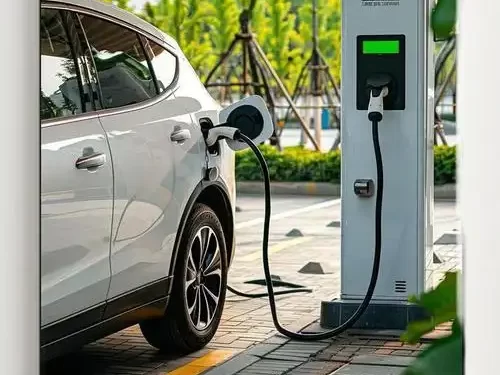
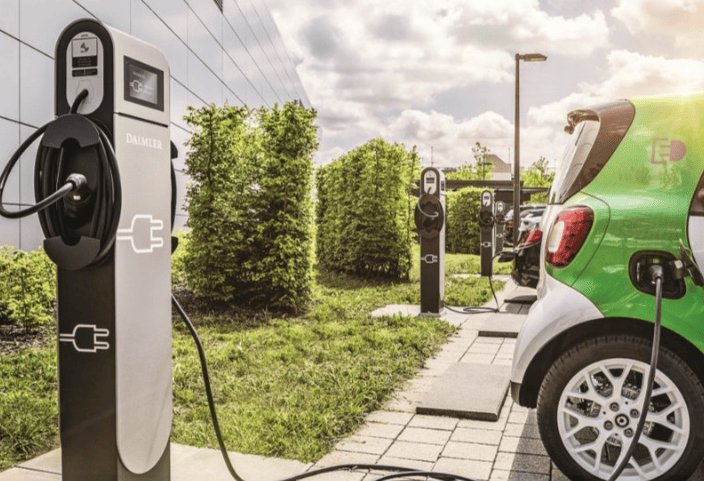
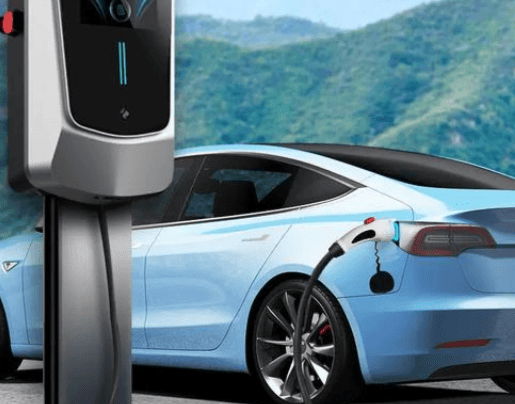
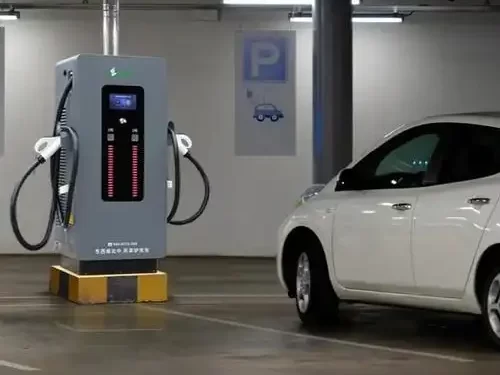
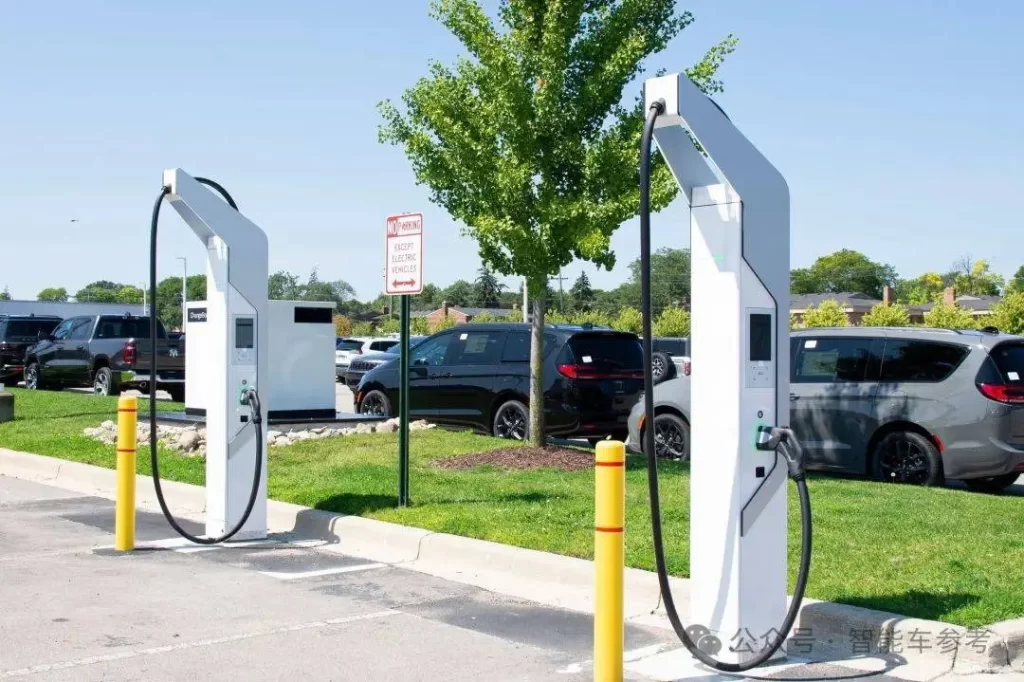
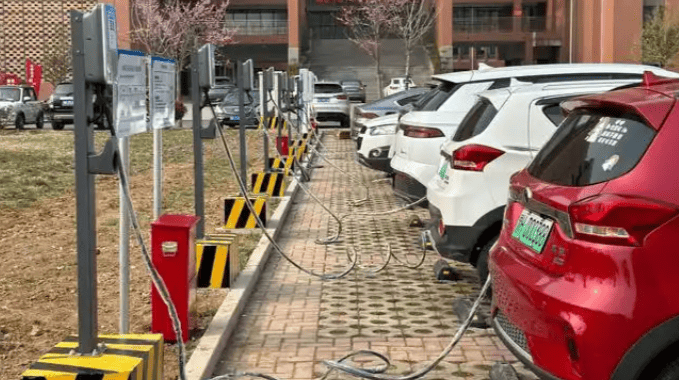
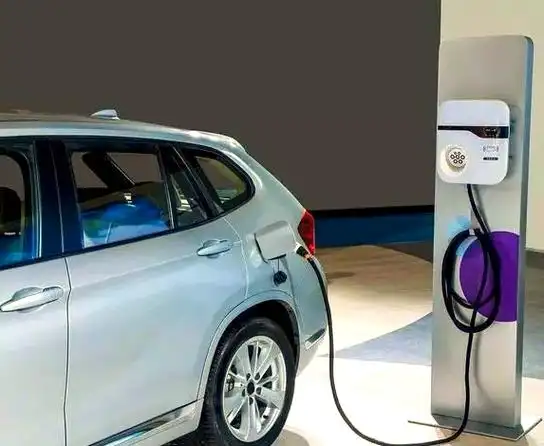
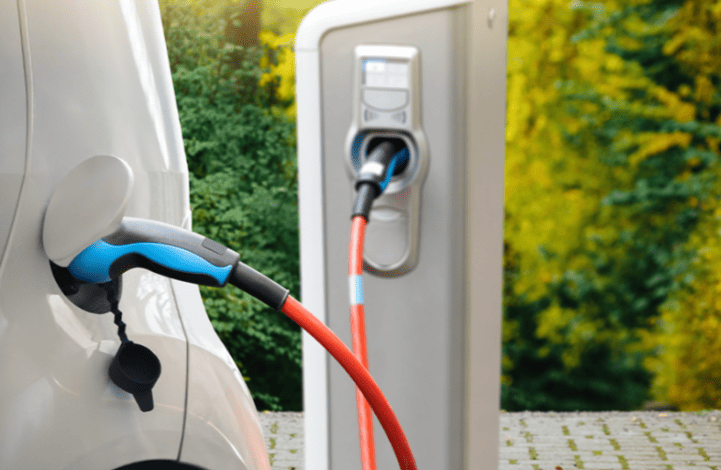
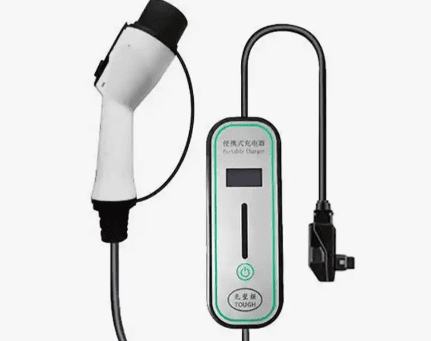
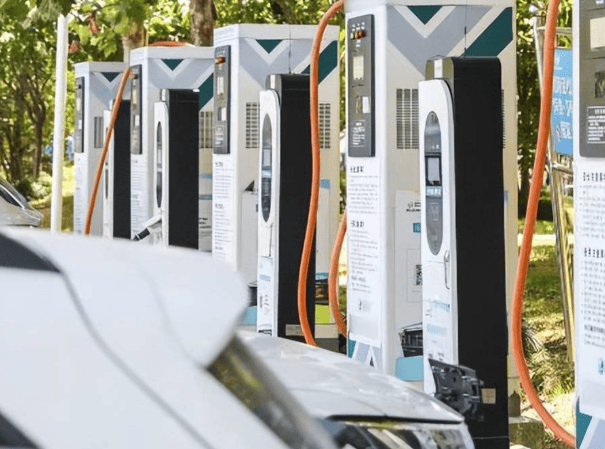
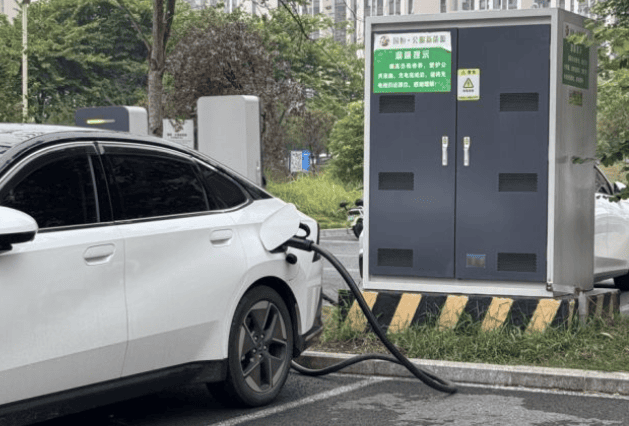
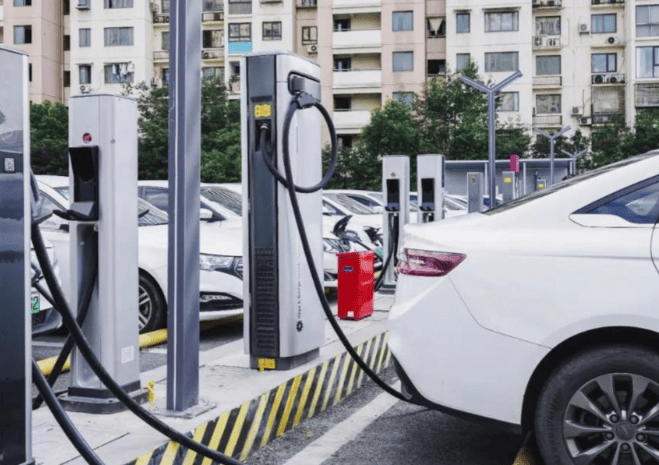
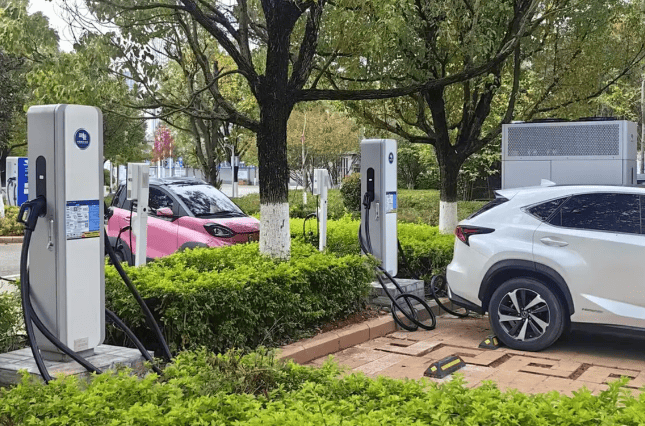
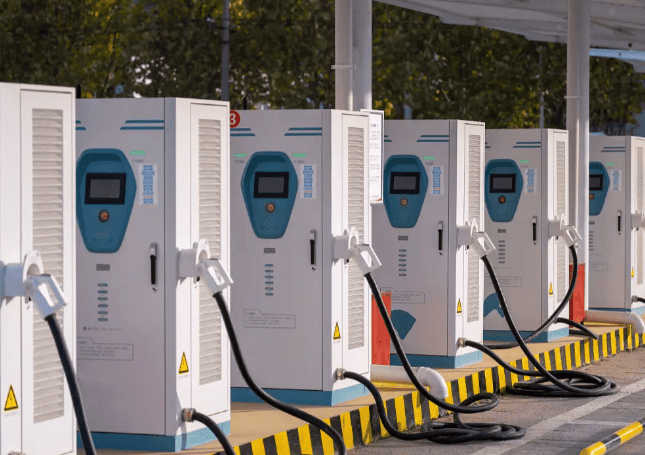
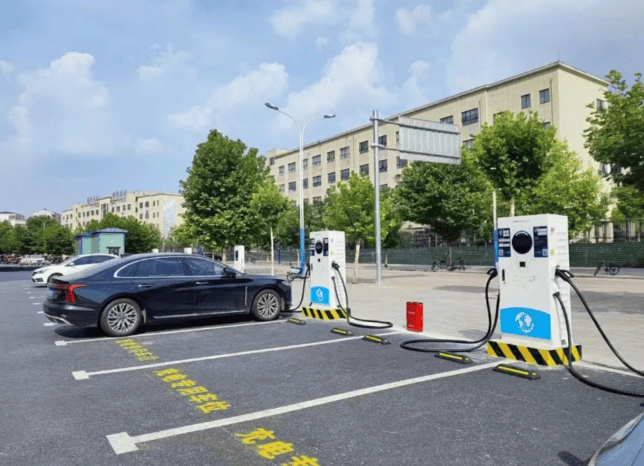
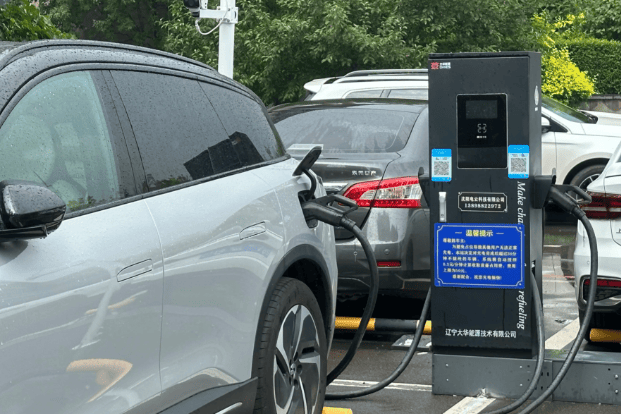
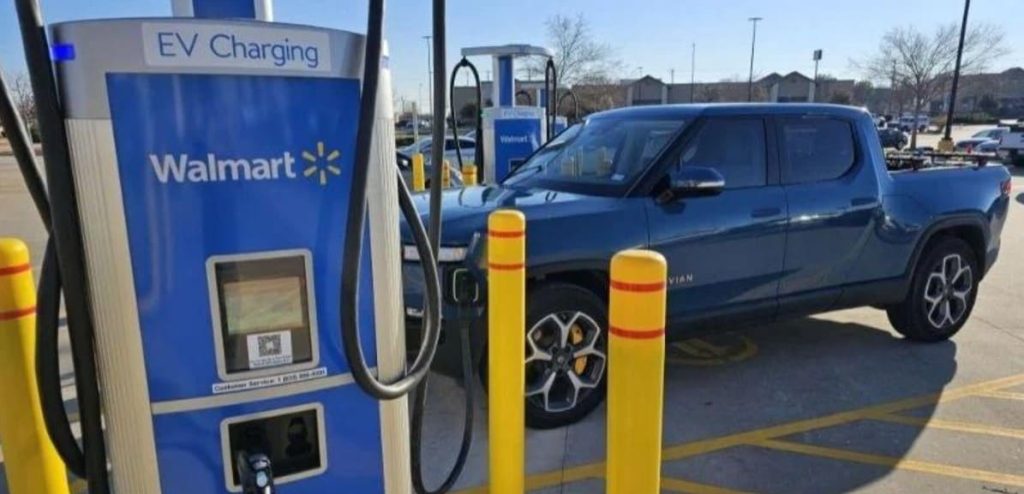
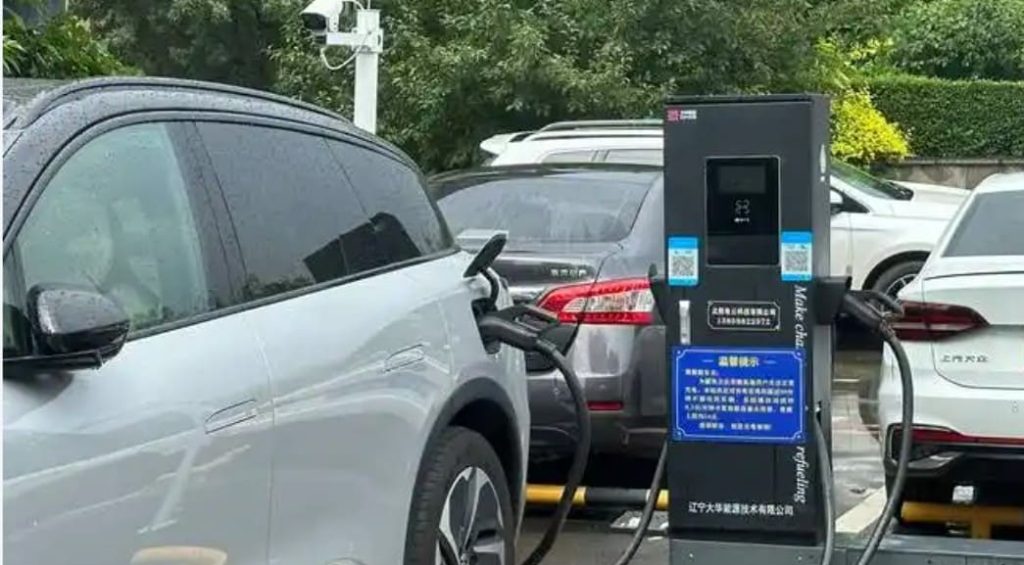
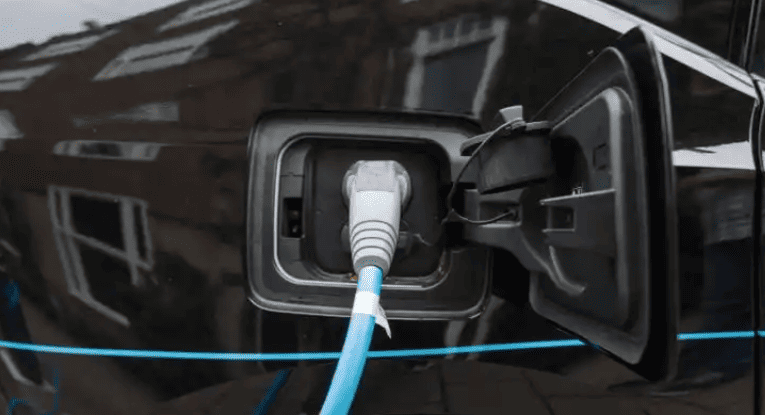
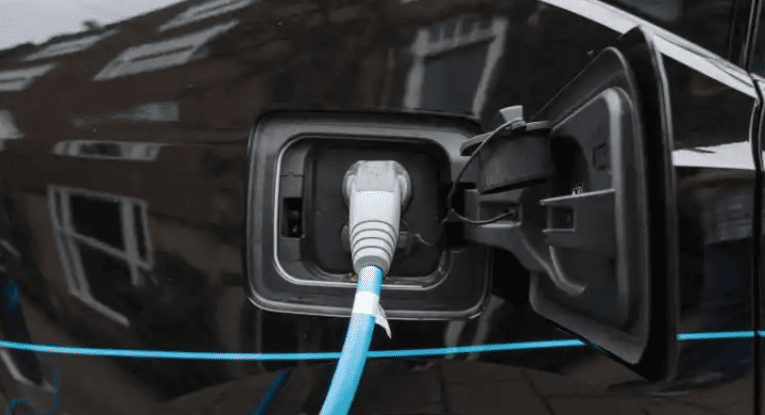
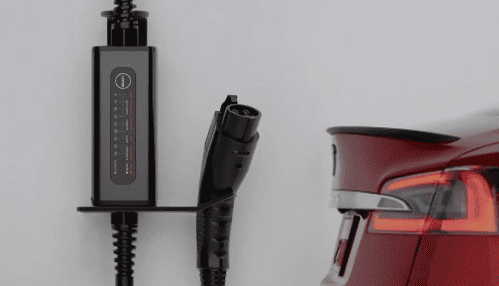
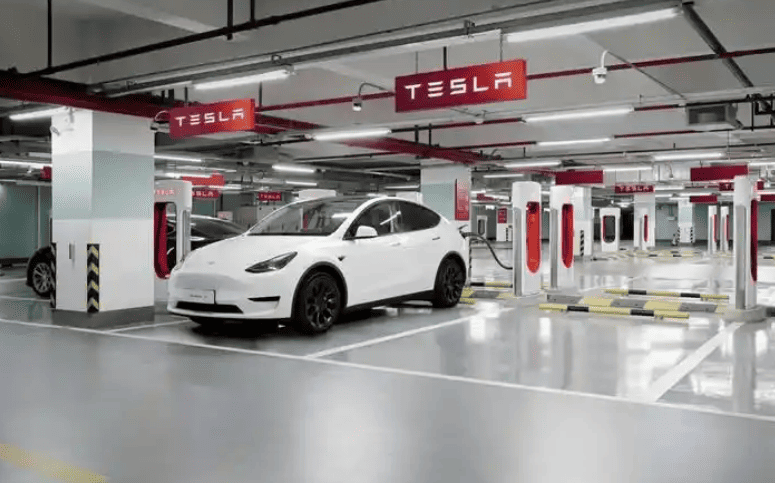
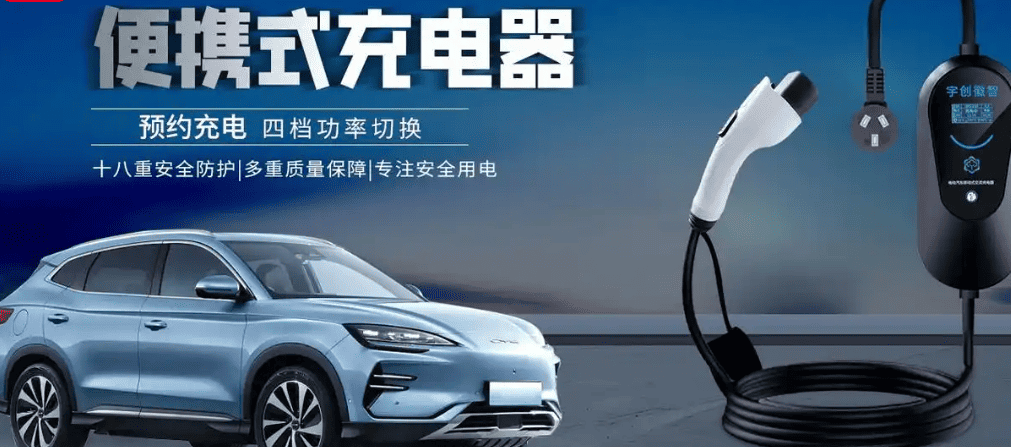
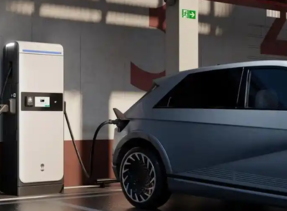
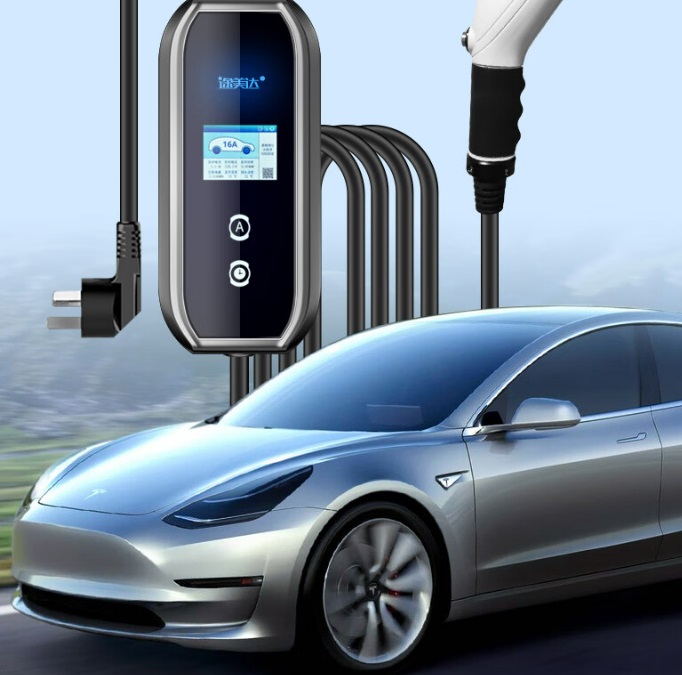
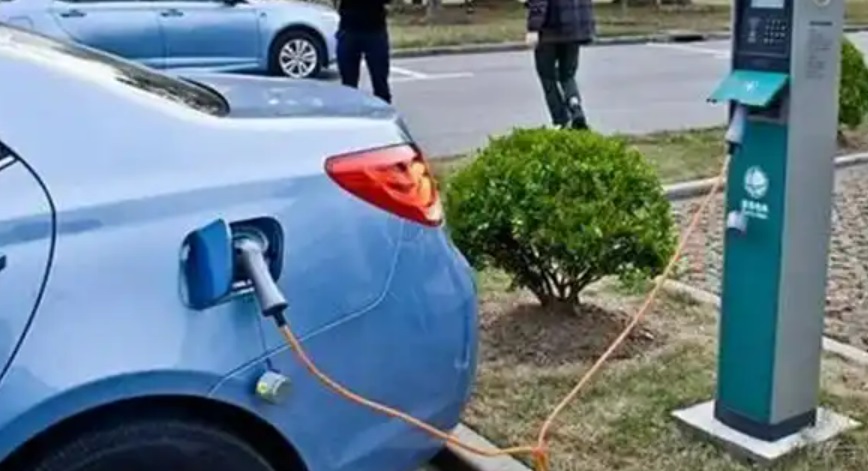
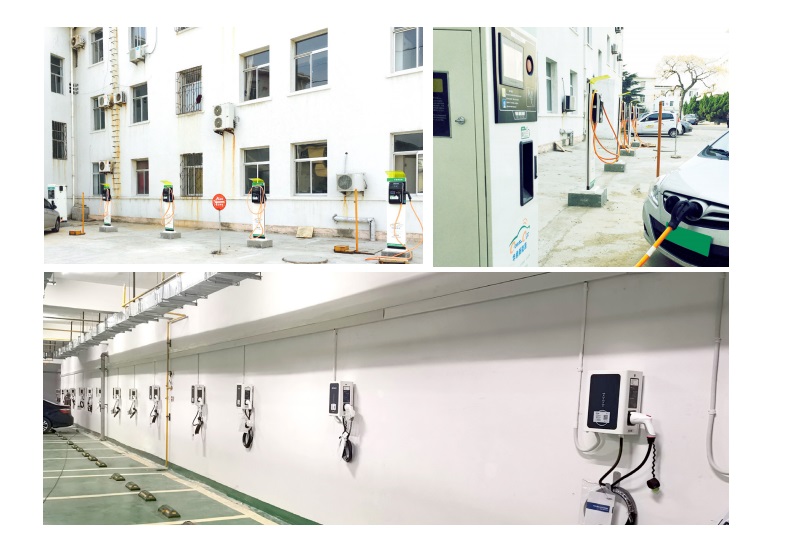
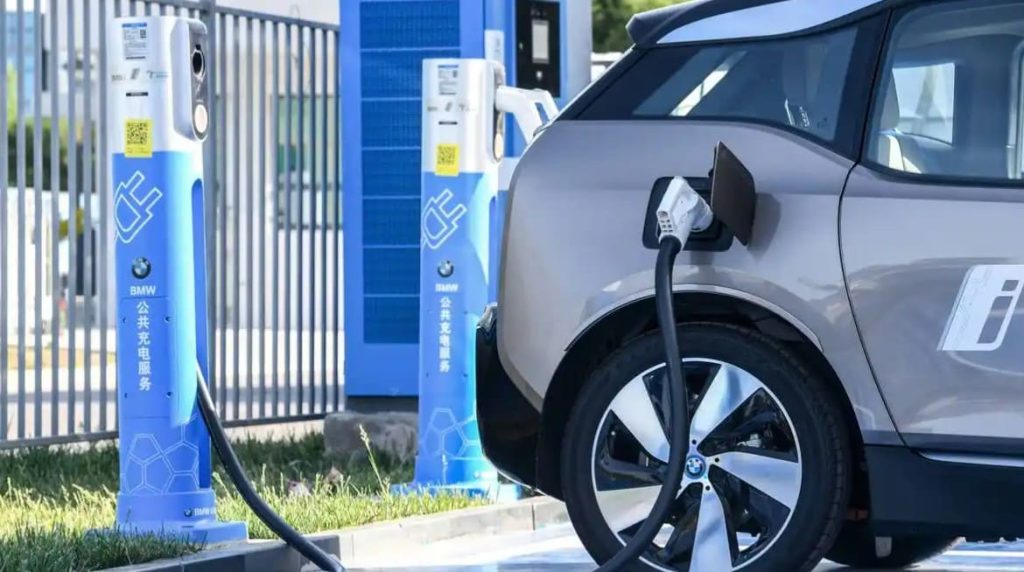
It’s true that charging an EV in the rain is possible. Engineers have carefully planned for the possibility of charging an EV in wet conditions, guaranteeing both the vehicle’s and its users’ total safety. Although it is perfectly reasonable to be concerned about combining electricity and water, EV and charging station systems are constructed with strict waterproofing and safety regulations, making the process as safe as filling up a regular car in the rain. The integrated safety features are crucial because they eliminate the possibility of an electric shock or short circuit.
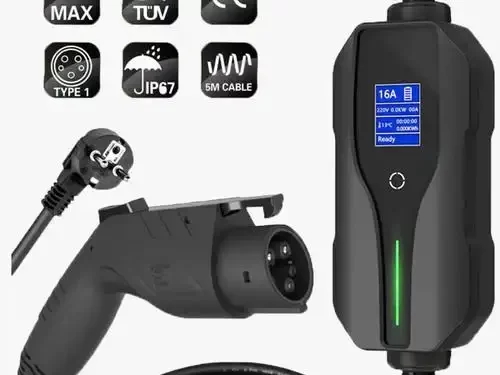
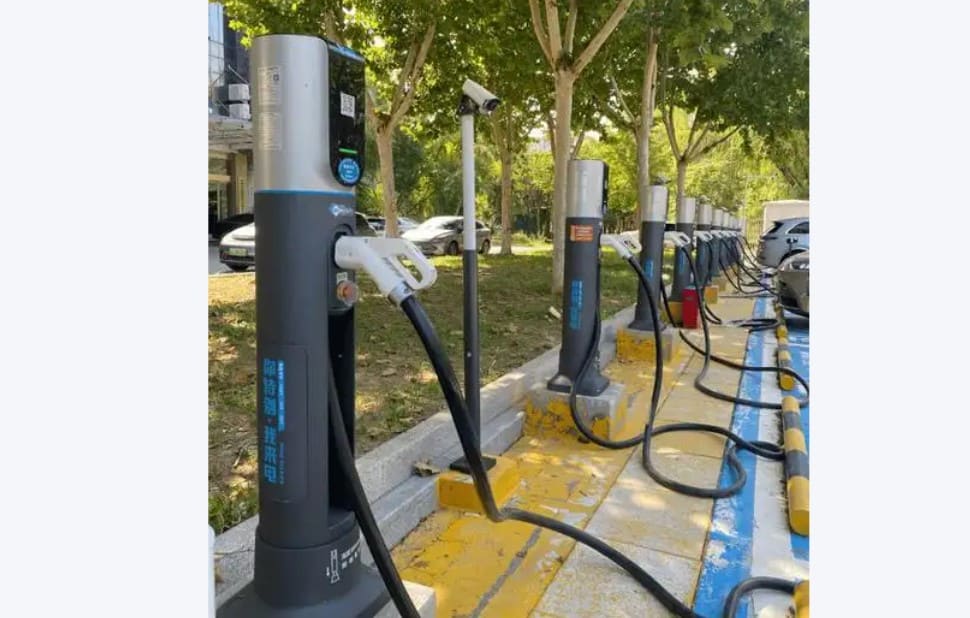
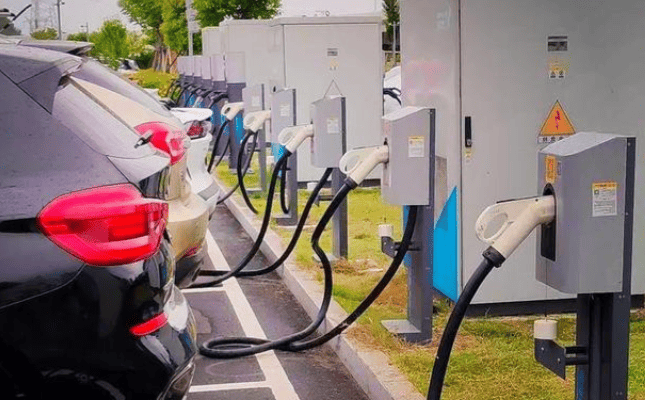
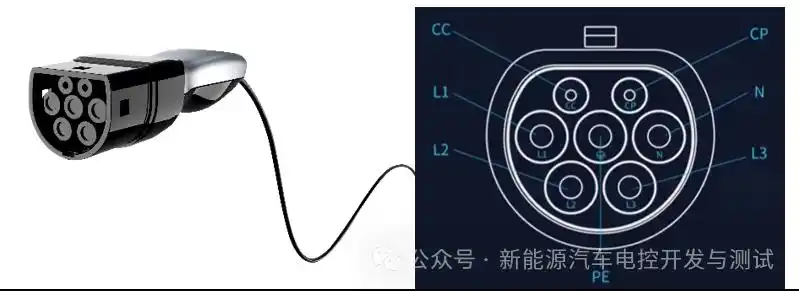
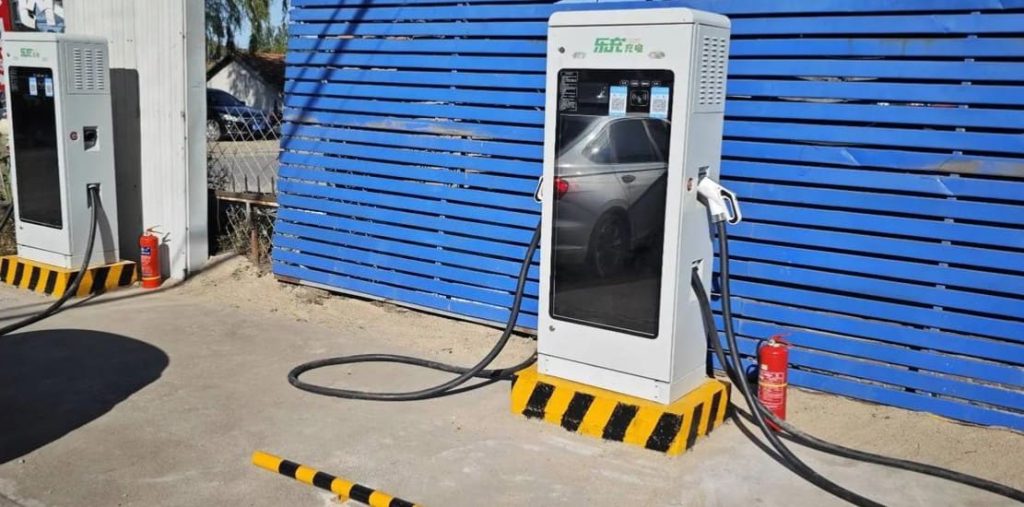
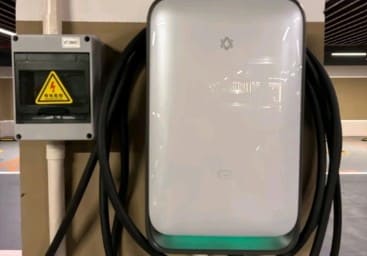
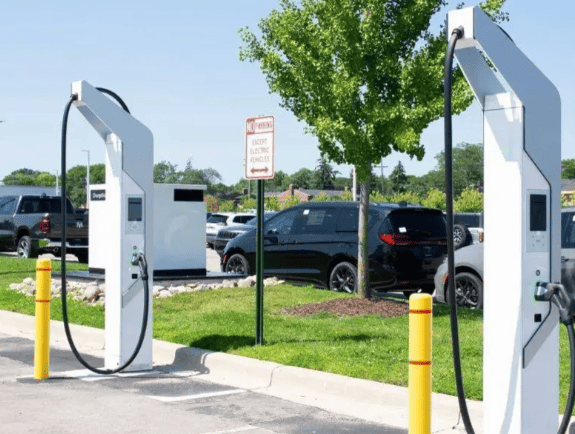
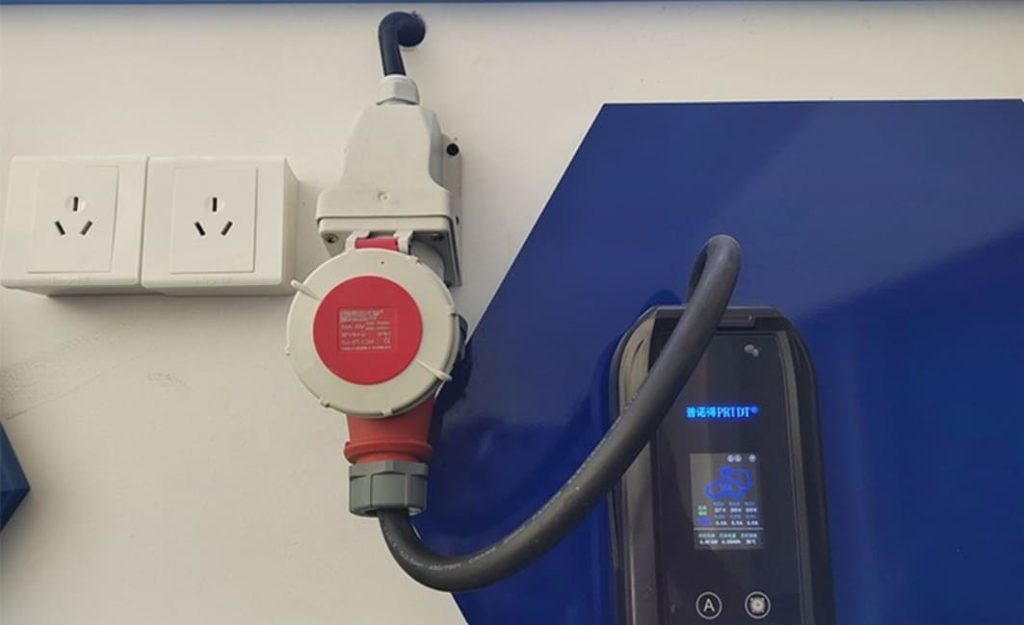
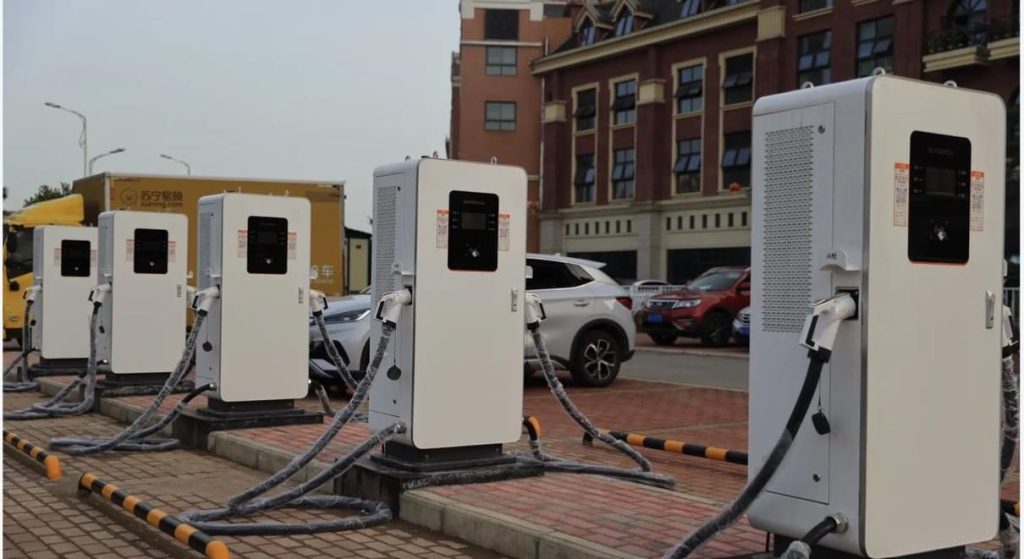
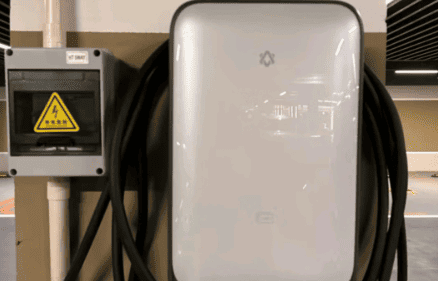
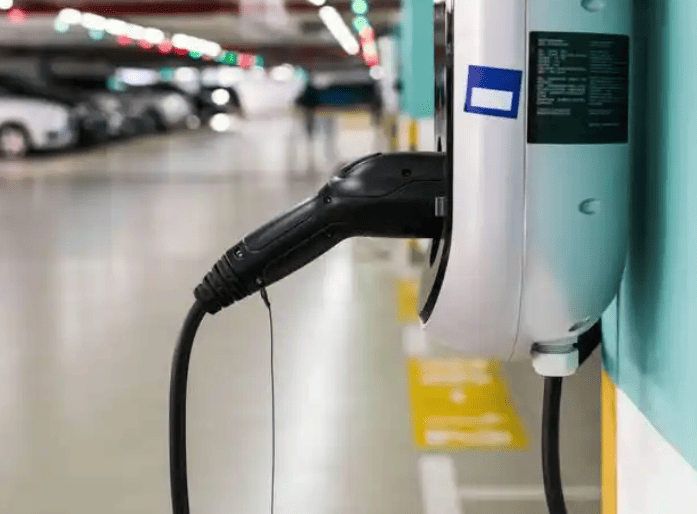
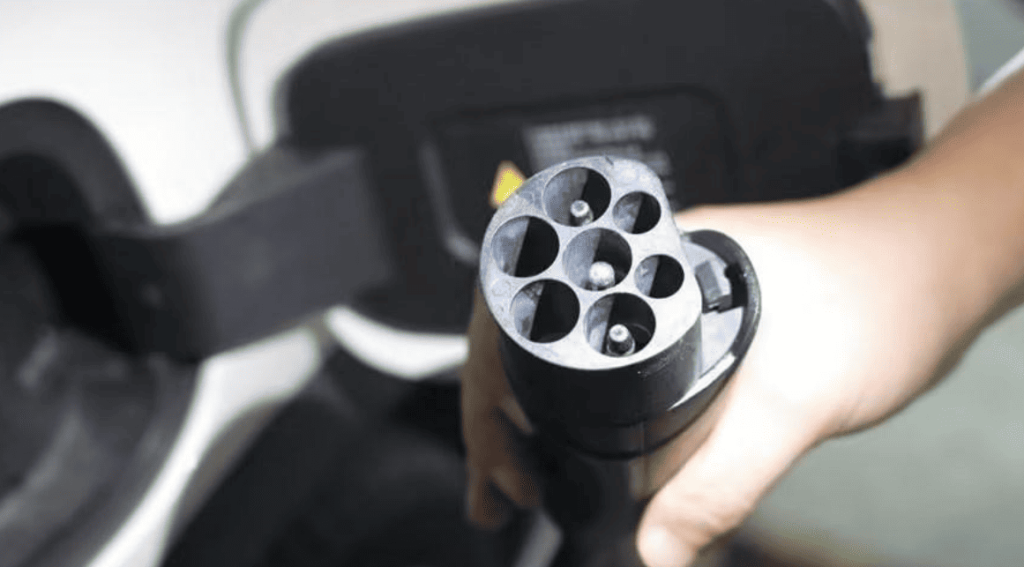
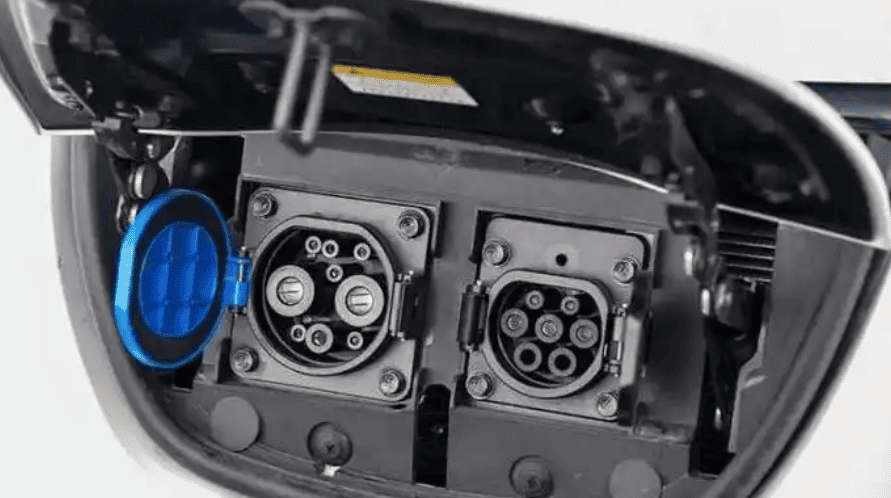
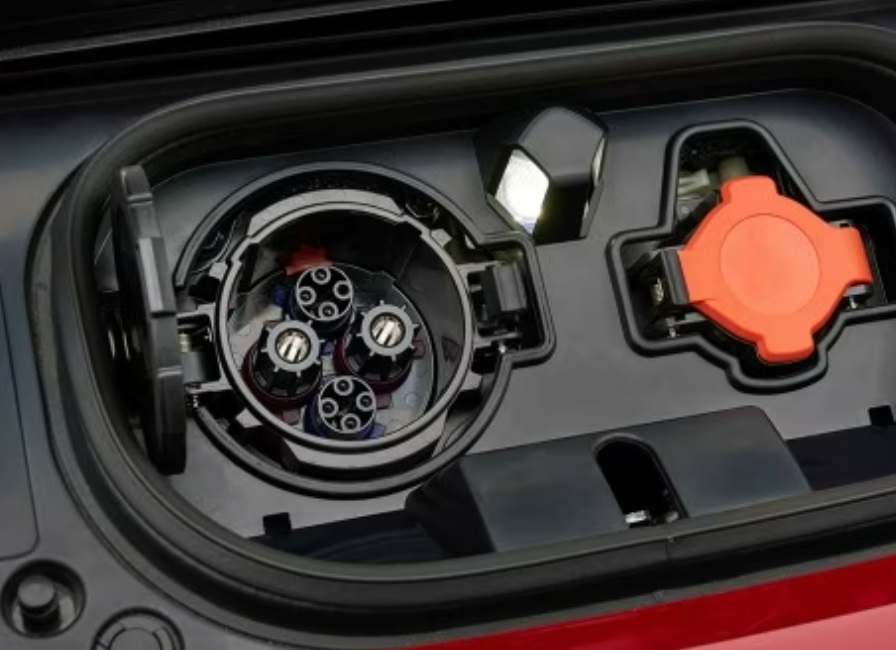
The high Ingress Protection (IP) ratings given to the charging port on the car and the parts of the charging station form the basis of this safety. The degree of protection against liquids and solid particles is indicated by an IP rating, such as IP54 or IP65. The majority of EV charging ports have an IP54 rating or higher, meaning they are shielded from water and dust splashes coming from any angle. Many of them can even withstand low-pressure water jets and are dust-tight thanks to their IP65 rating. In a similar vein, public charging stations are constructed to outdoor specifications, featuring sturdy, water-resistant casings and seals that keep moisture out of the vital electrical parts. Because of this engineering, regular rain simply cannot get through these sealed systems.
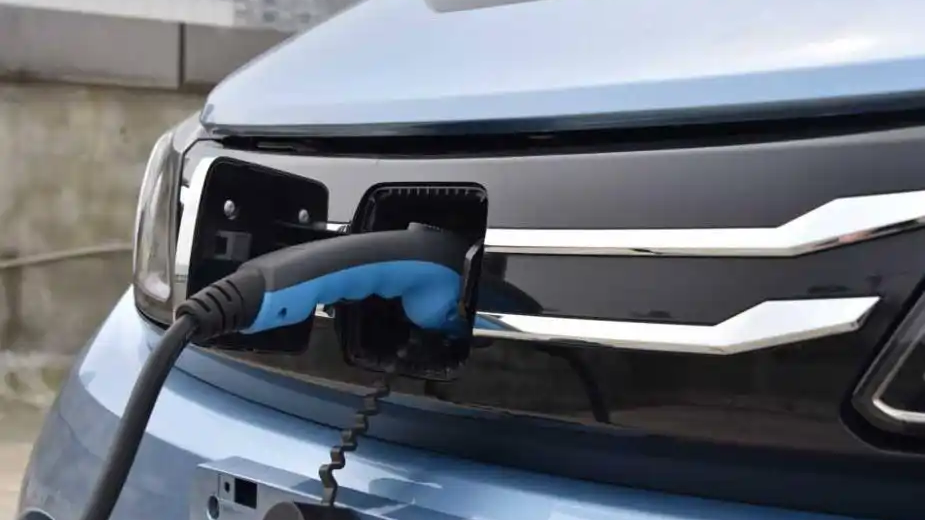
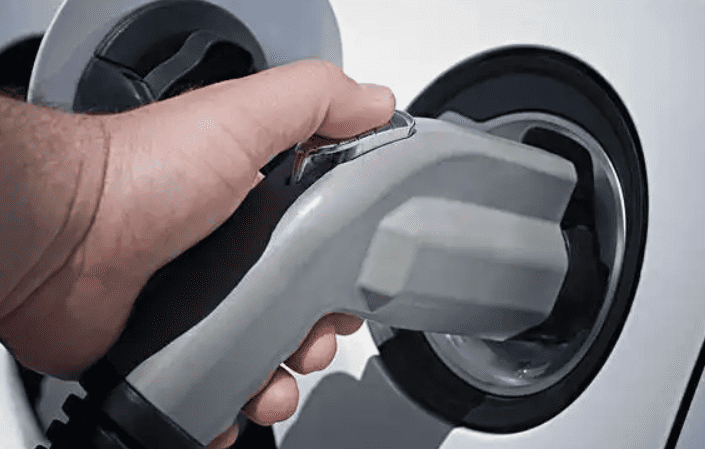
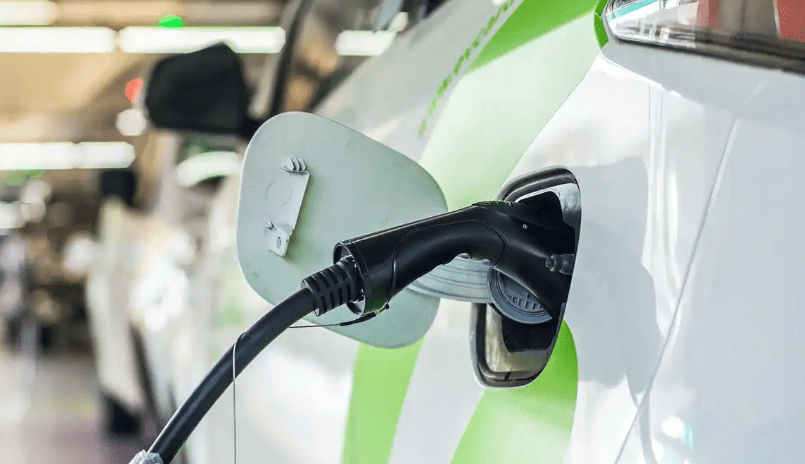
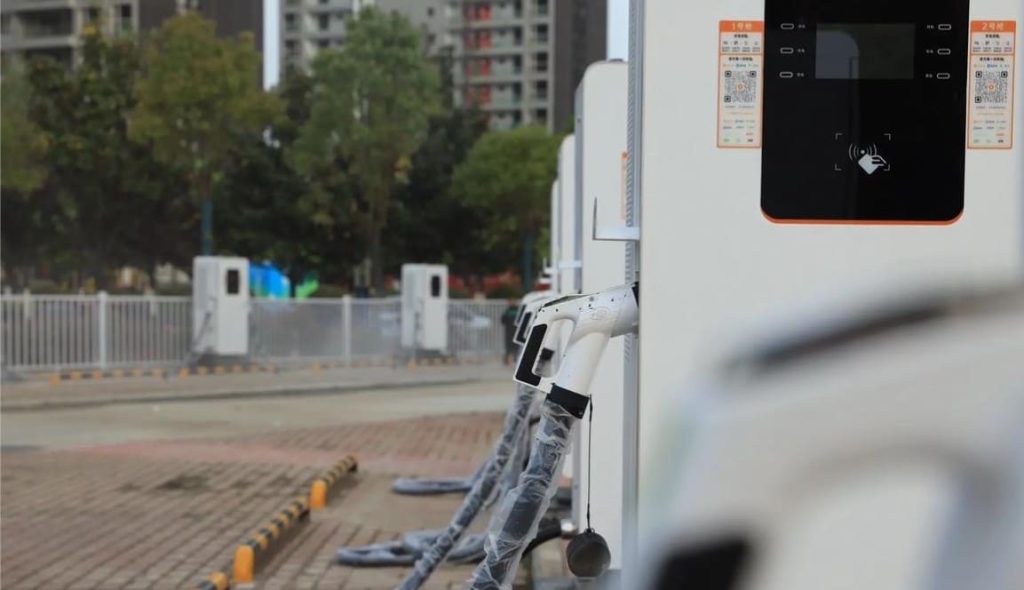
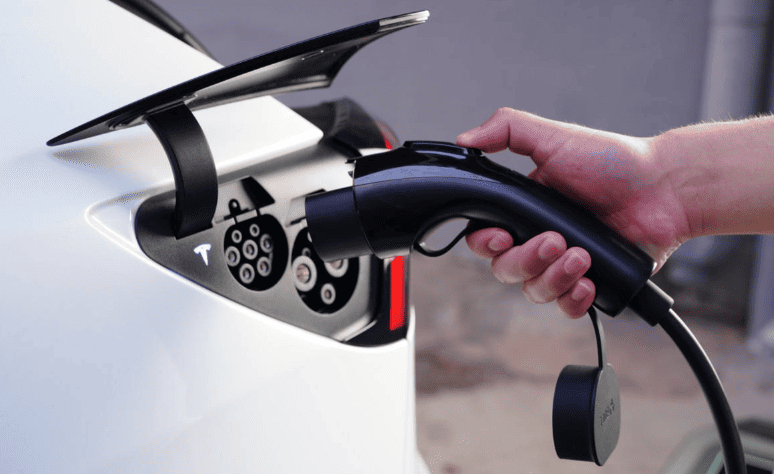
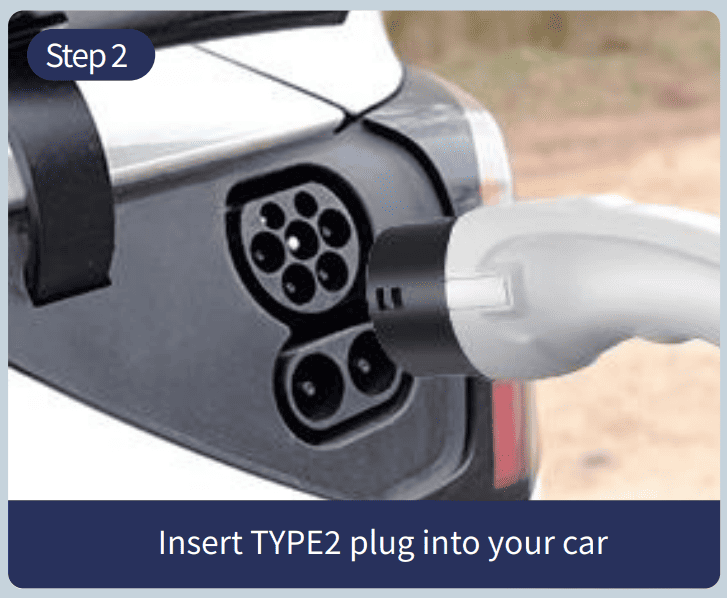
Physical seals are only one part of the safety procedure. A complex digital “handshake” between the vehicle and the charger is required to start a charge. No high-voltage electricity is passing through the cable when you plug the charging connector into your car’s port. To ensure a secure and appropriate connection, the two devices first exchange electronic messages. After that, the charger conducts a number of tests, such as an insulation test, to make sure there are no defects or leakage currents. The charger doesn’t energize the cable and start delivering power until both the car and the charger have mutually verified that everything is secure and sealed. The safety of charging in the rain is largely due to this process.
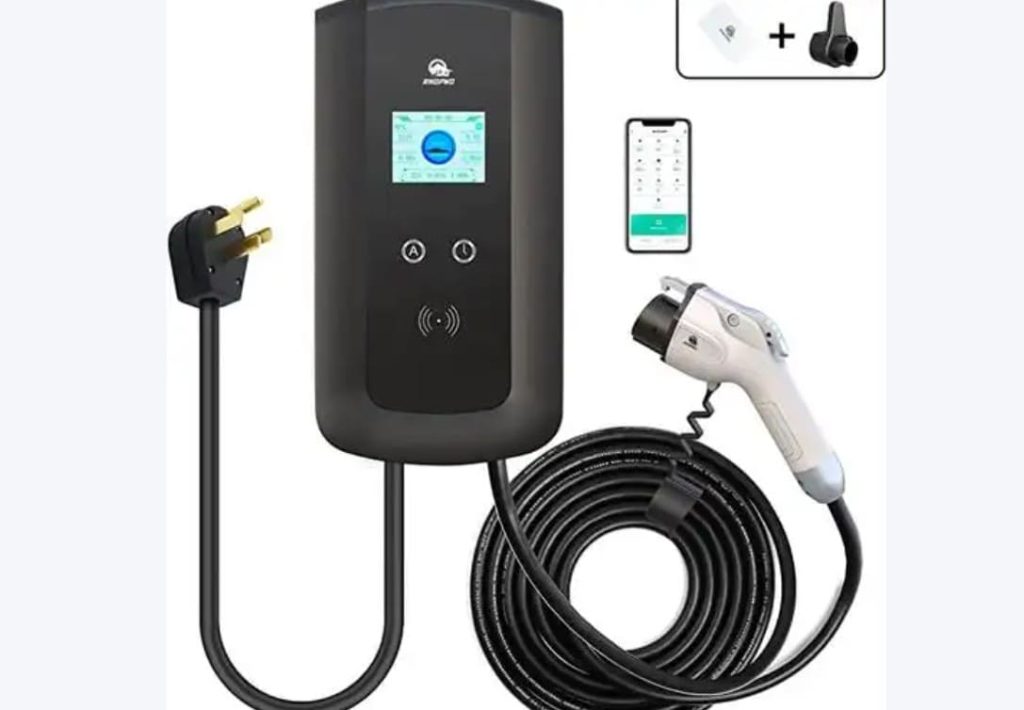
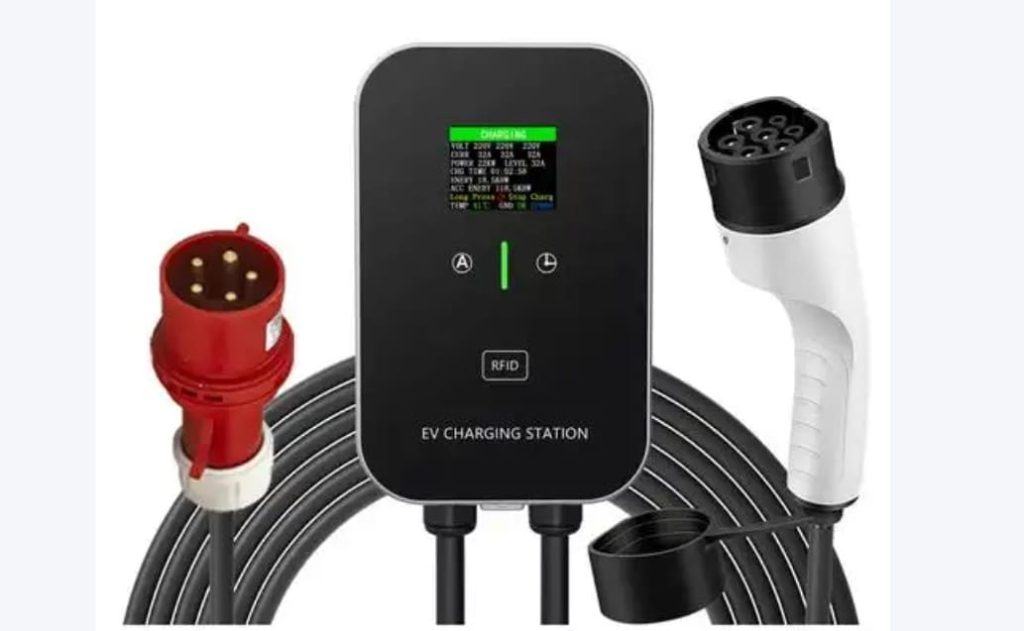
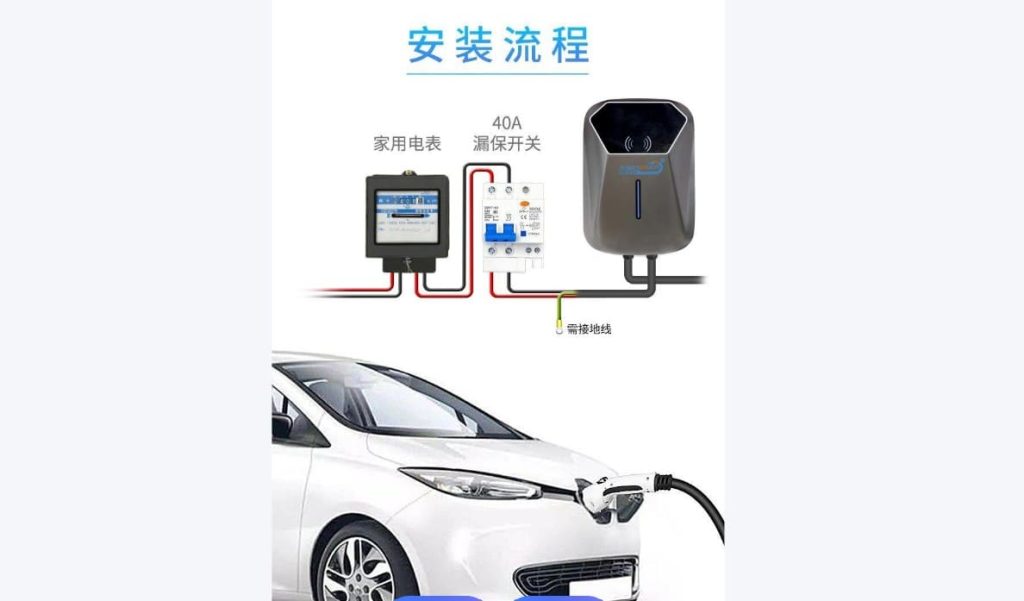
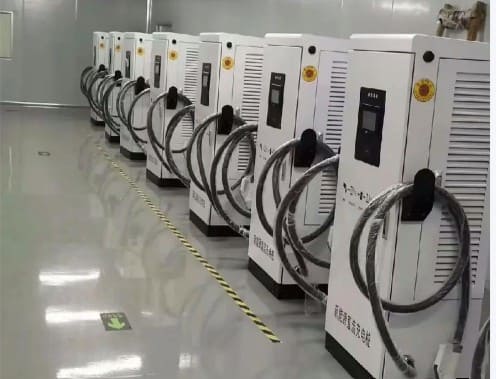
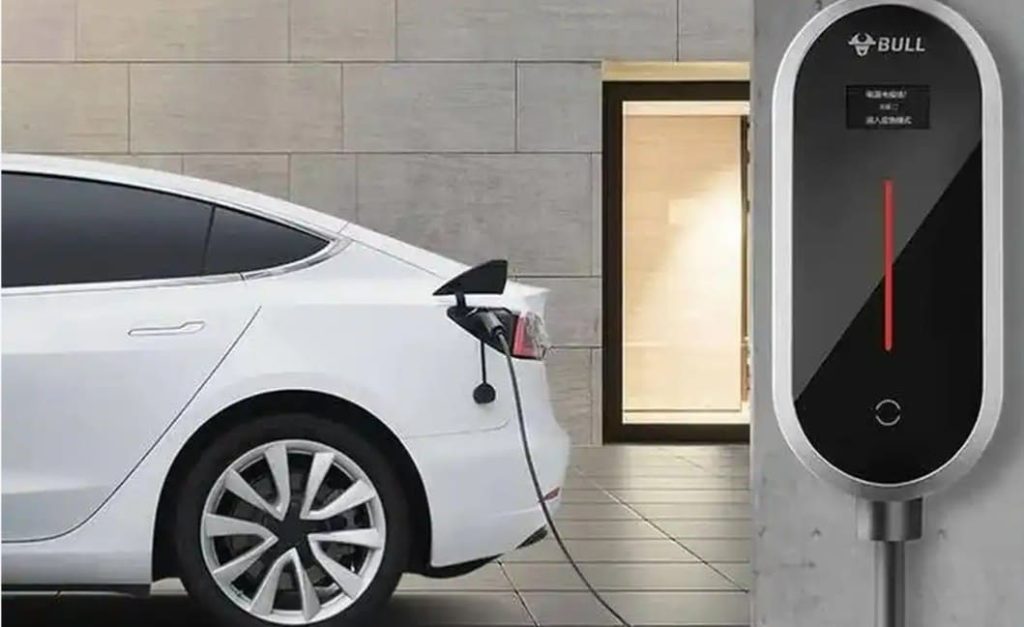
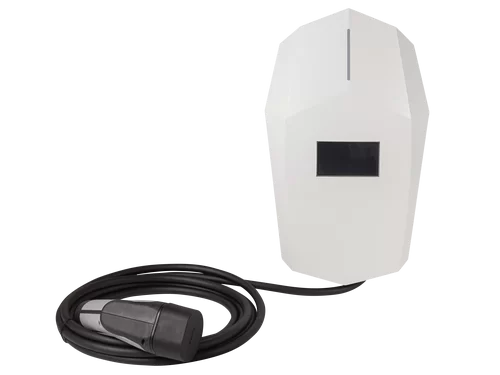
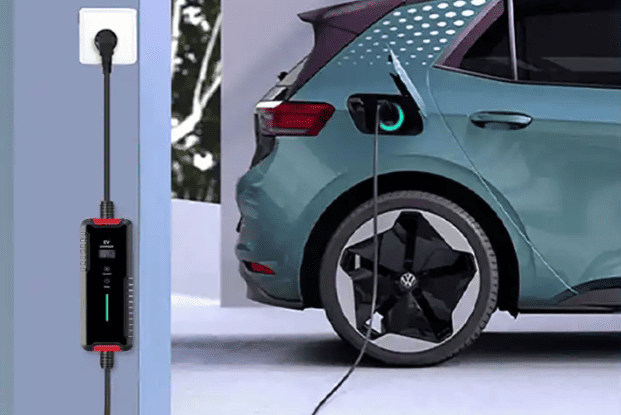
Additionally, a number of vital safety features must be included in charging equipment. Every EV charging station has a ground fault circuit interrupter (GFCI) or a residual current device (RCD), whether it’s a public rapid charger or a wallbox at home. These switches are extremely sensitive and constantly check the amount of current entering and leaving. They will turn off the power in a split second, much quicker than it would take for a human to react to an electric shock, if they detect even a slight imbalance, as little as 5 milliamperes, which could mean current leaking to the ground (for example, through water or a person). This offers a crucial line of defense against any possible electrical issues.
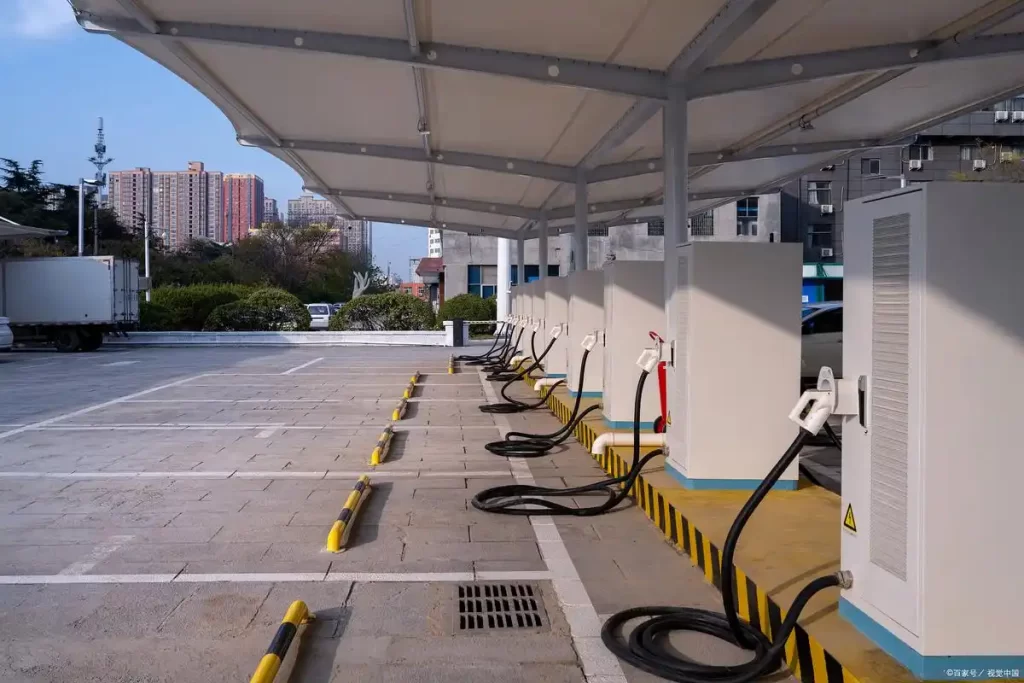
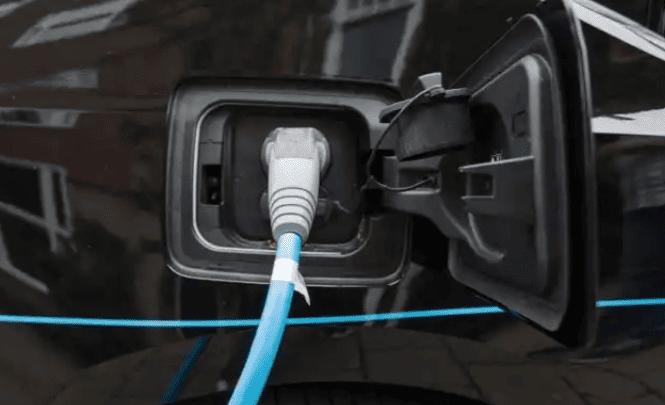
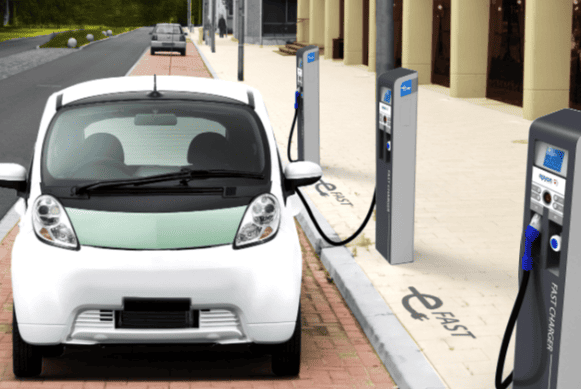
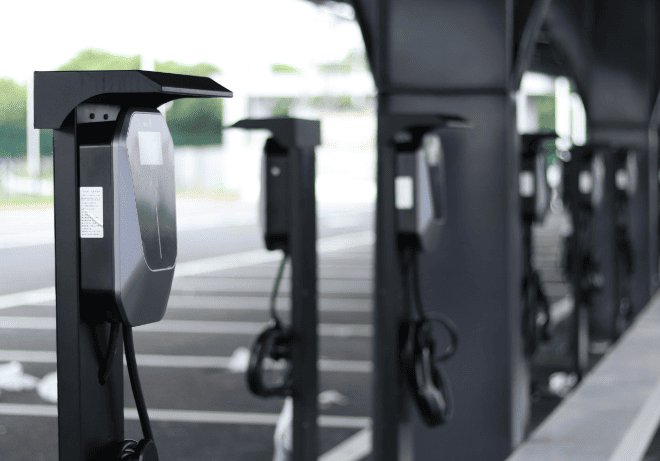
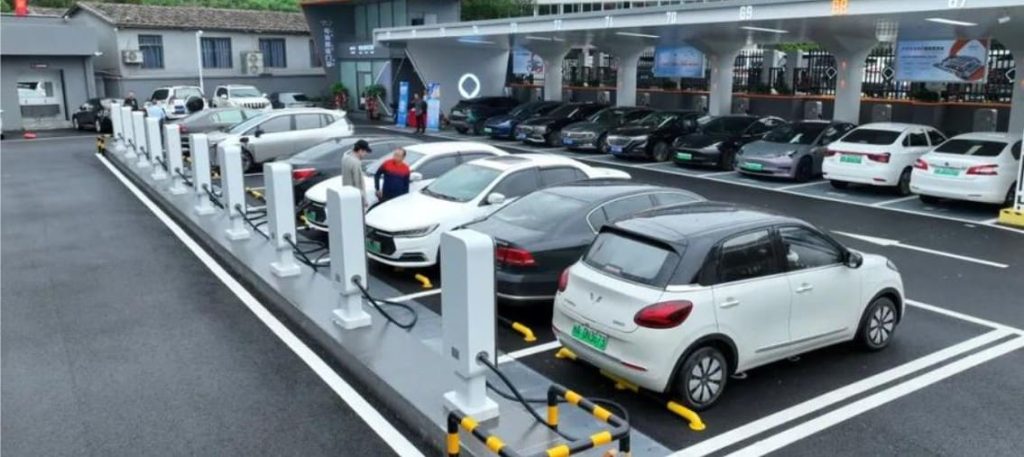
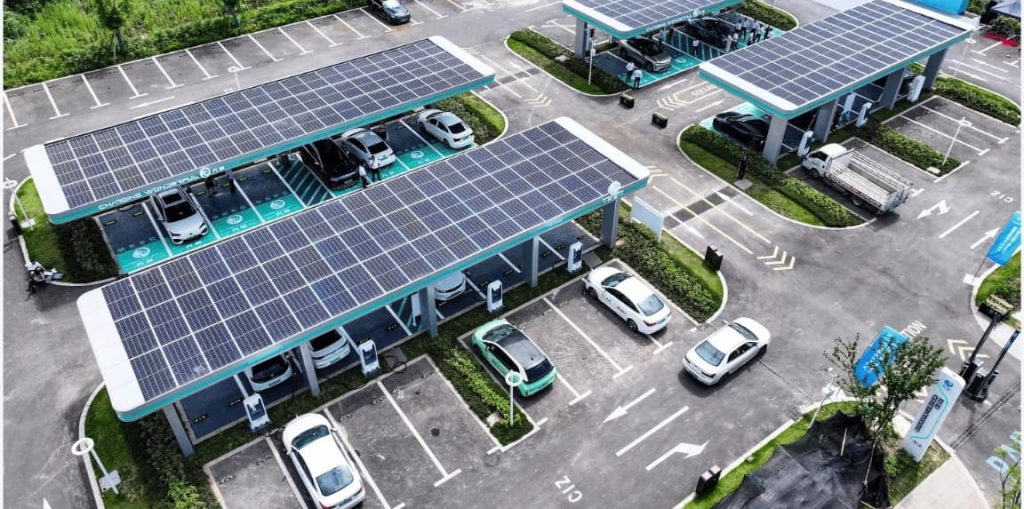
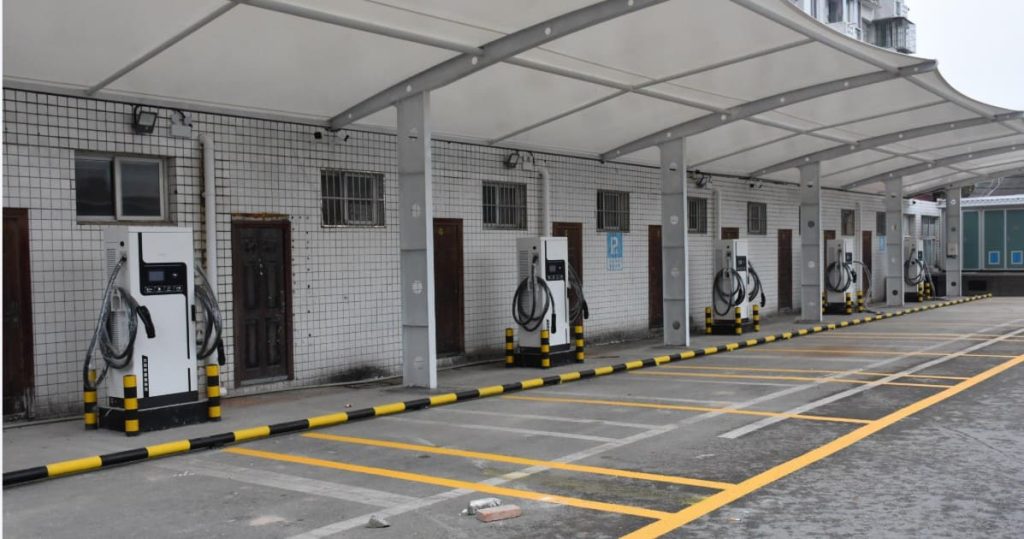
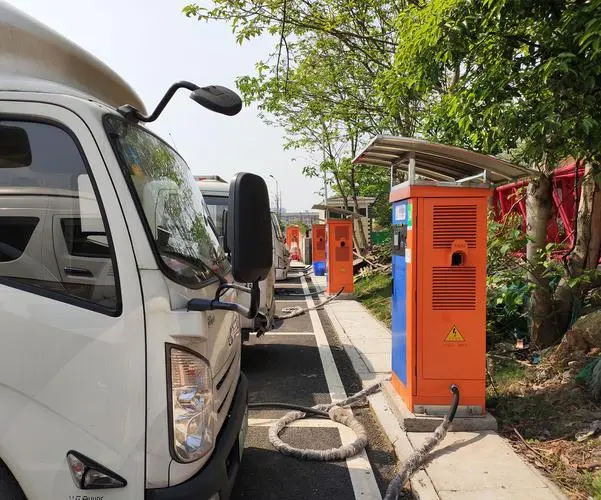
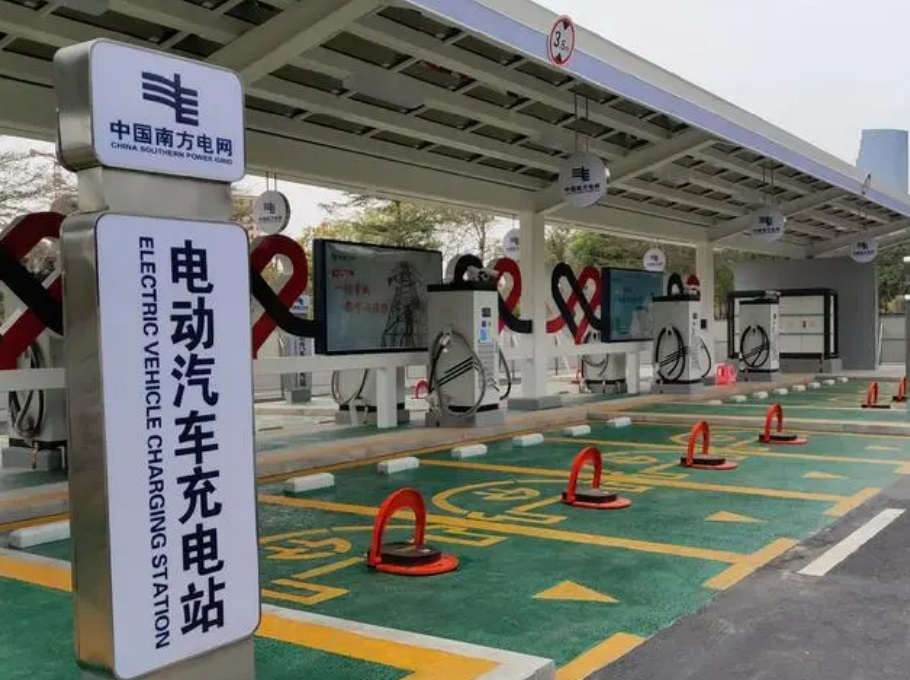
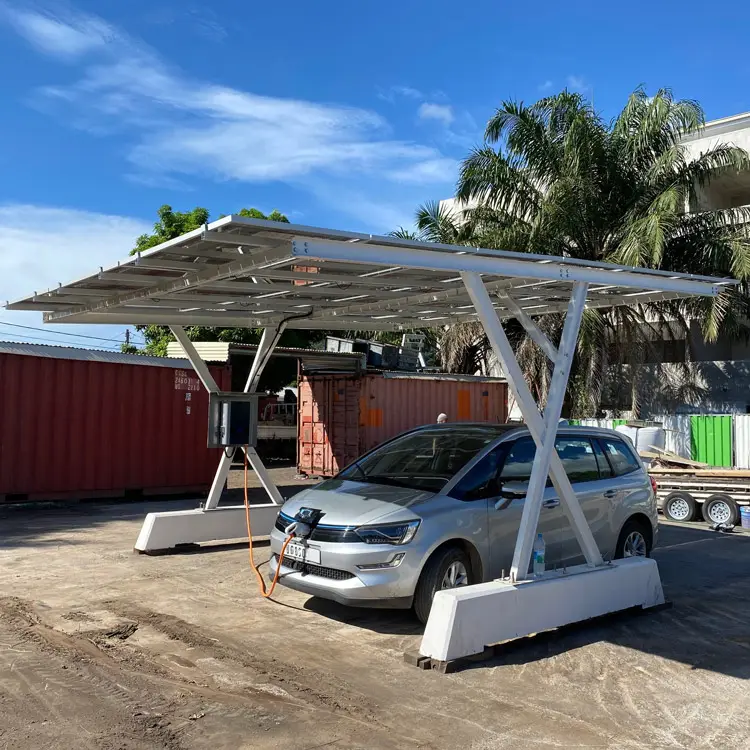
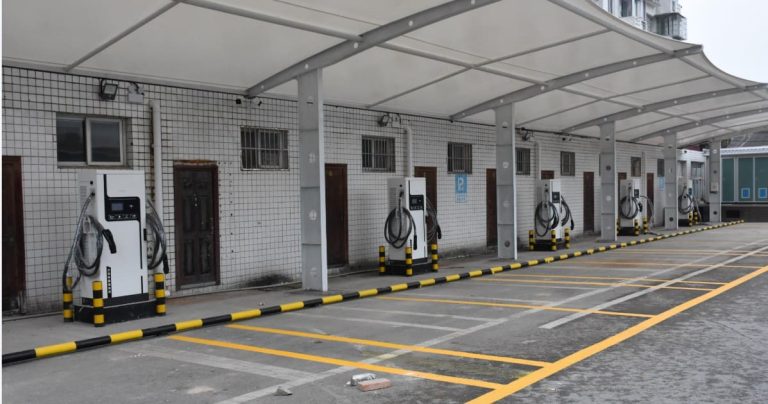
Even though the systems are made to be safe, being cautious in real life can make the experience even more comfortable and safe. For example, it is wise to use an indoor charging station or one covered by a canopy when it is raining a lot. This keeps you dry and reduces the amount of time the equipment is exposed to the weather. It’s a good idea to quickly check the charging plug and the charging inlet on your car before connecting. Even though the seals are strong, it’s a quick and easy way to make sure there aren’t any big puddles or debris in them. If the charging station is sitting in a deep puddle, it is wise to avoid it and find another, as submersion is a different scenario than rain splash and could potentially overwhelm the seals. After charging, when unplugging, try to point the connector downward to prevent any residual rainwater from dripping into the open port as you disconnect.
Additionally, it’s critical to differentiate between rain and more severe weather. It is highly recommended to refrain from charging during a lightning storm, even though steady rain is completely safe. The main danger is not the charger itself, but rather the potential for a direct lightning strike to the area or the power grid, which could result in a significant power surge that the equipment might not be able to withstand. Likewise, do not try to use a charging station that is partially or completely submerged during flash flooding. Submersion poses a serious risk and goes well beyond the intended waterproofing limits.
To sum up, charging an EV in the rain is a normal, safe, and designed activity. A multi-layered safety system that successfully reduces the risks of water exposure is created by combining physical IP-rated seals, a secure digital handshake procedure that only permits power after safety checks, and required residual current protection devices. Drivers can move forward with assurance, improving their experience by taking easy, commonsense precautions. For millions of EV owners worldwide, the problem of combining water and electricity for EV charging has been resolved by the automotive and electrical industries.
Contact Us
Contact Us
Whatsapp/Mobile: +86 18019762979
Email: sales@lkmixer.com