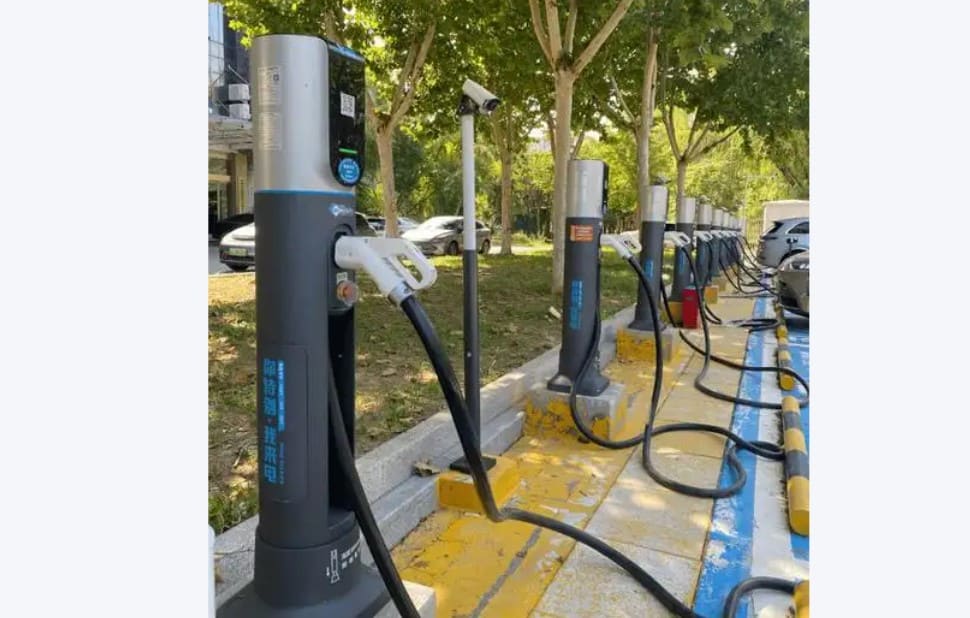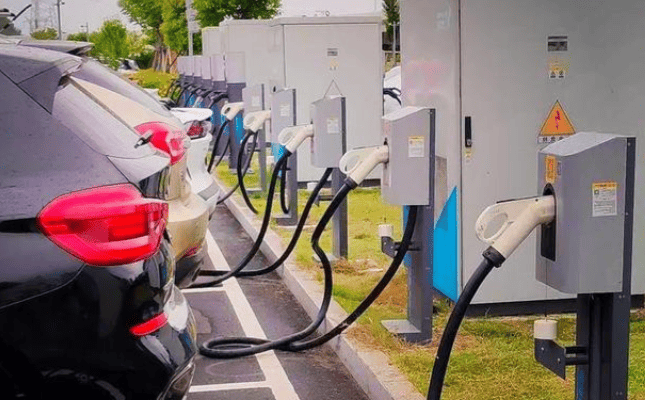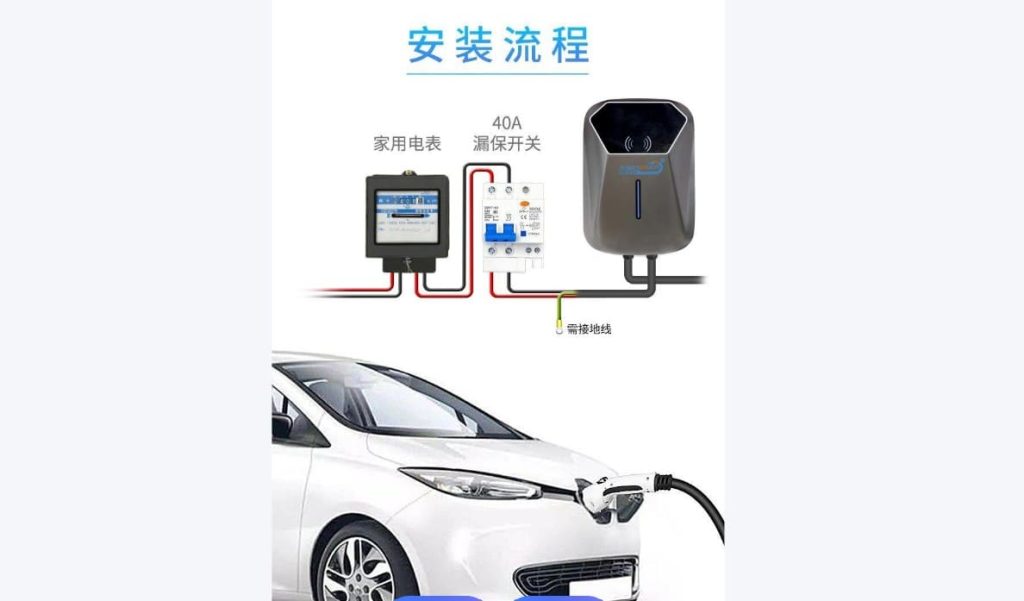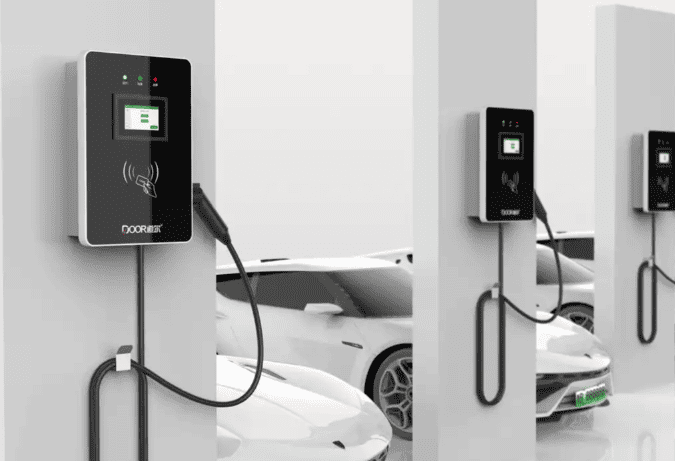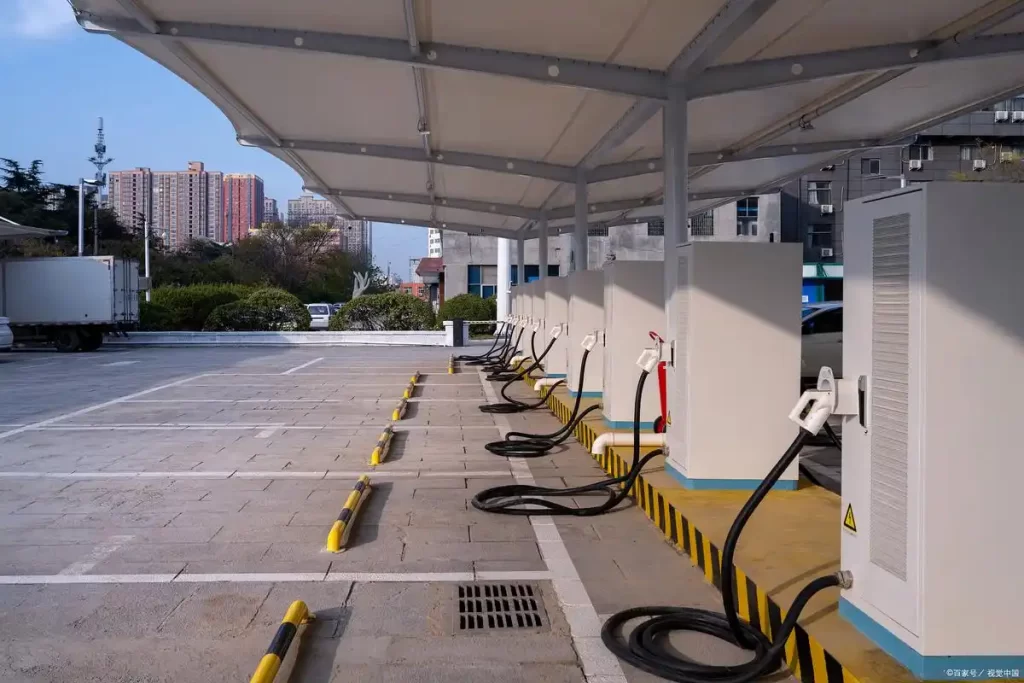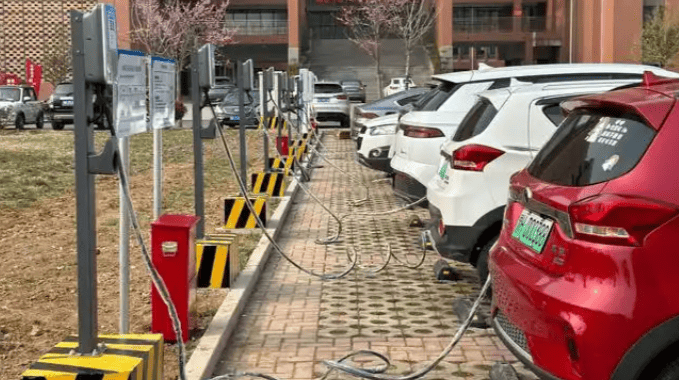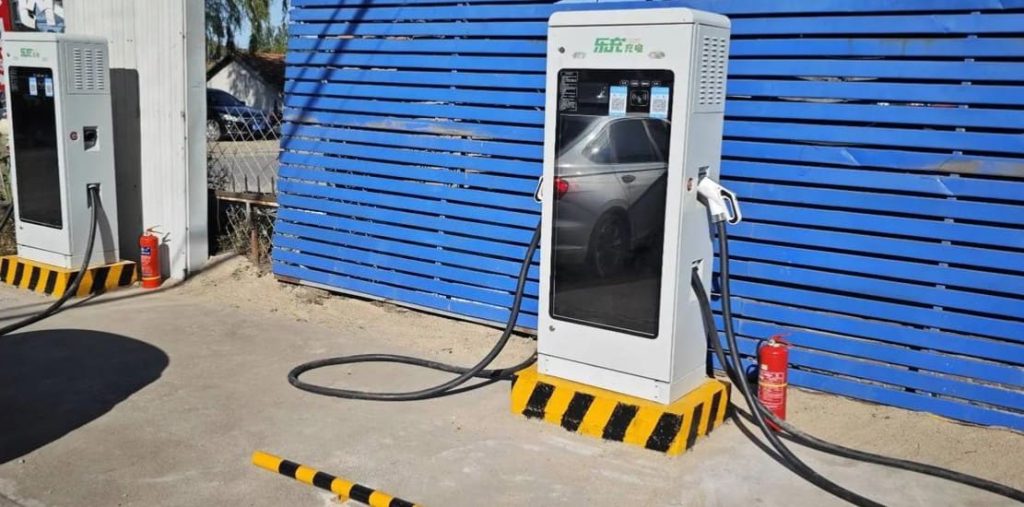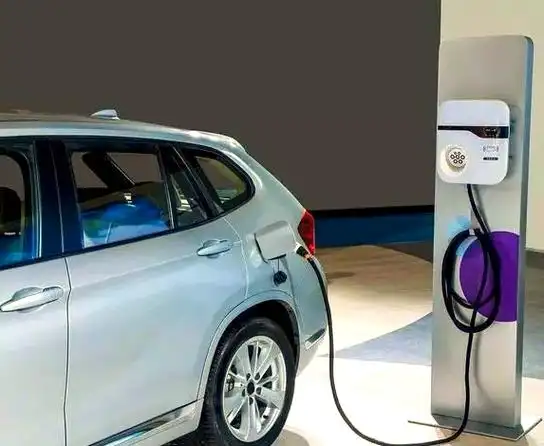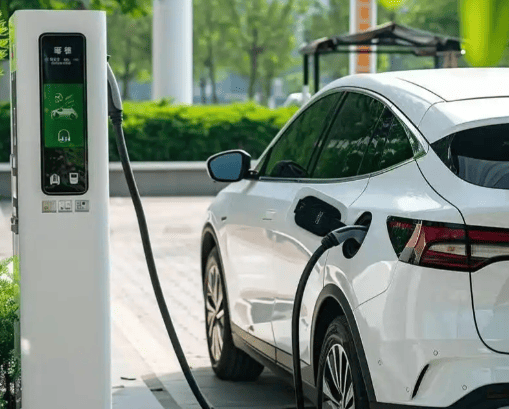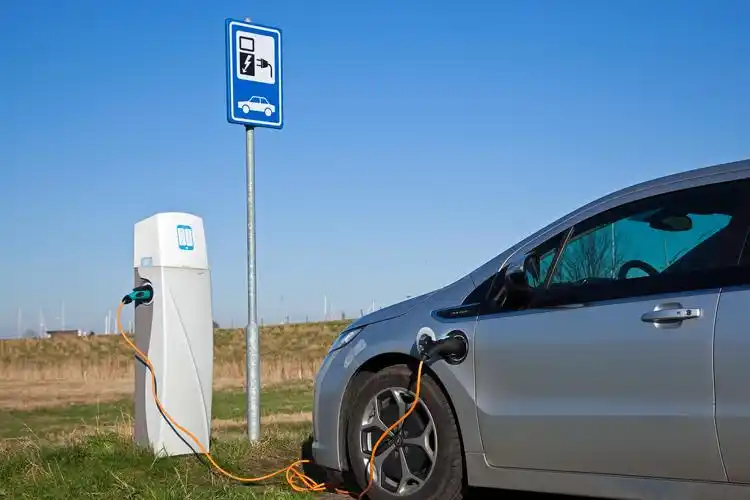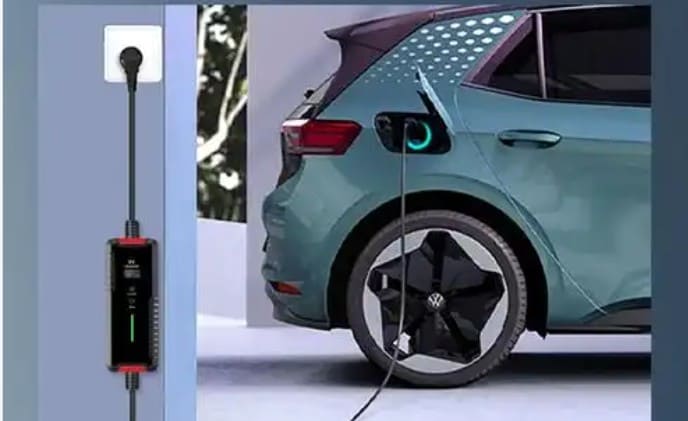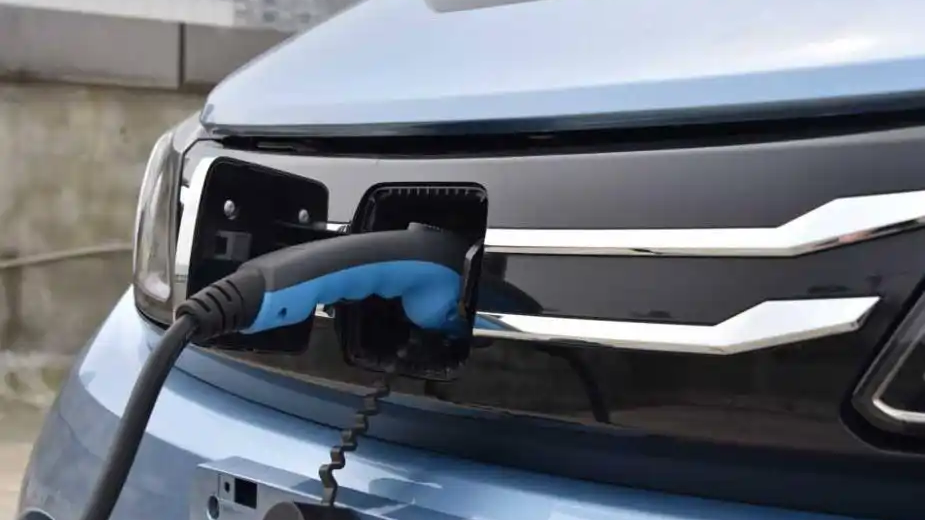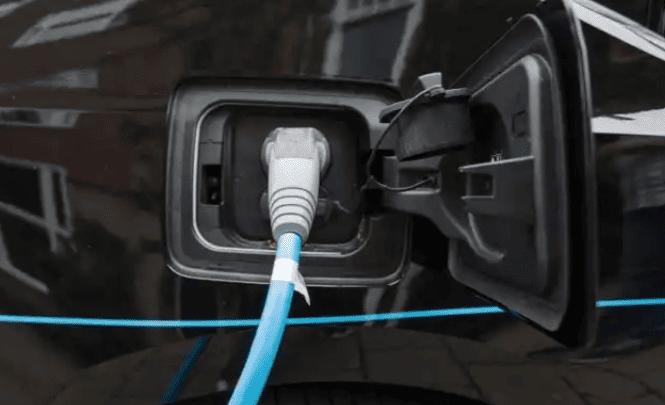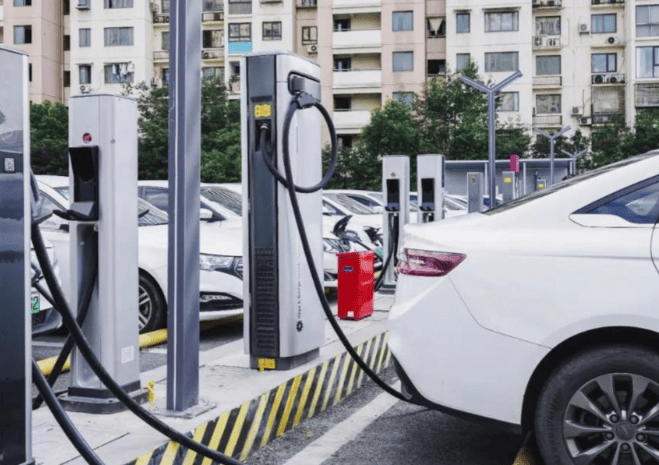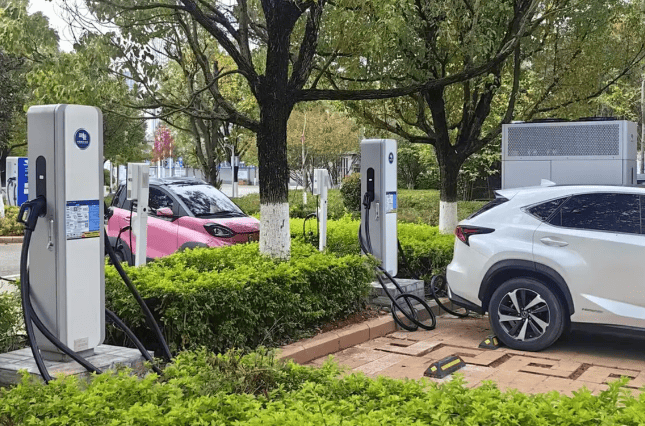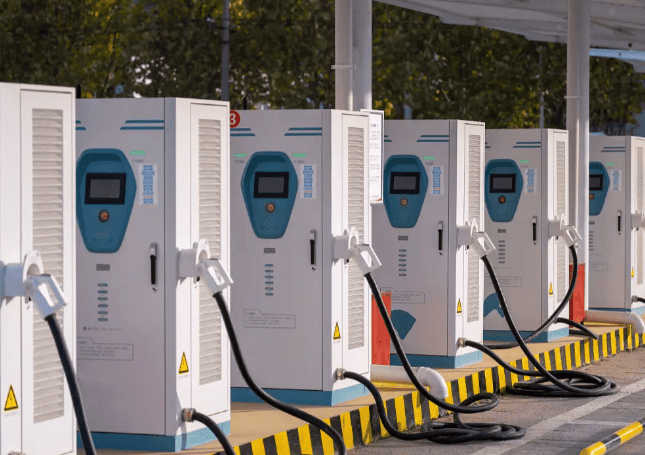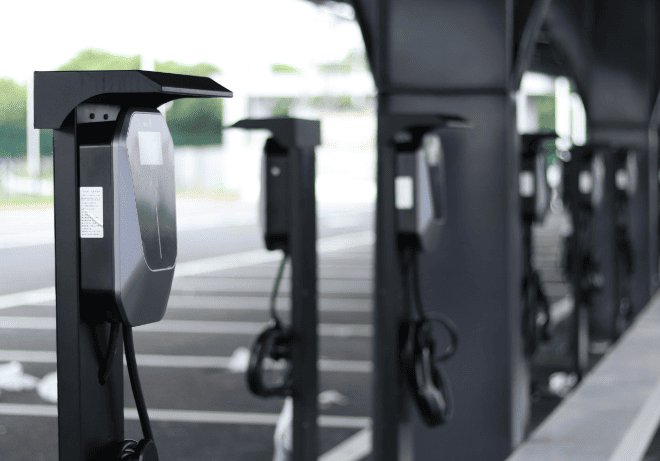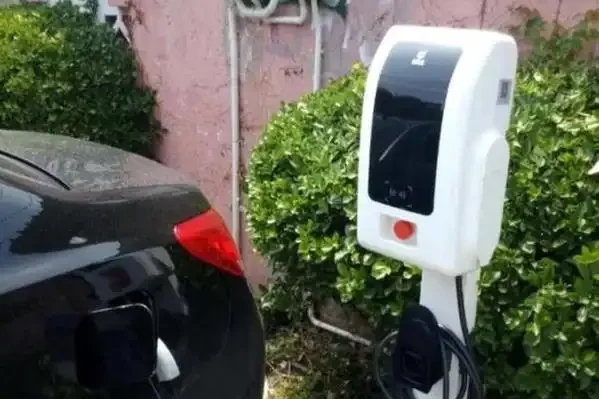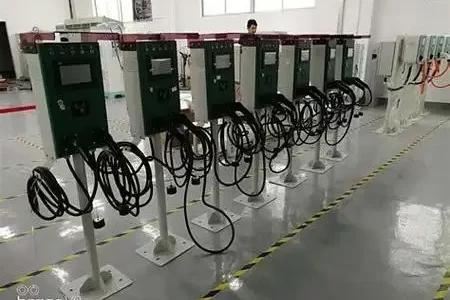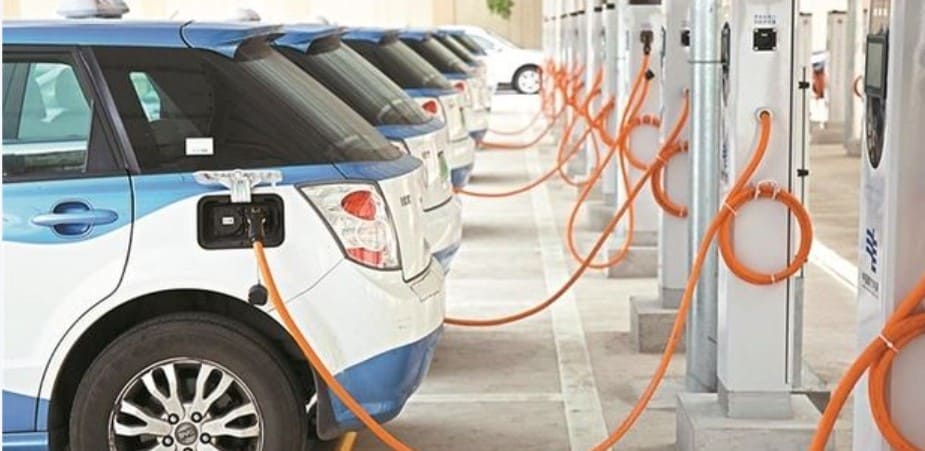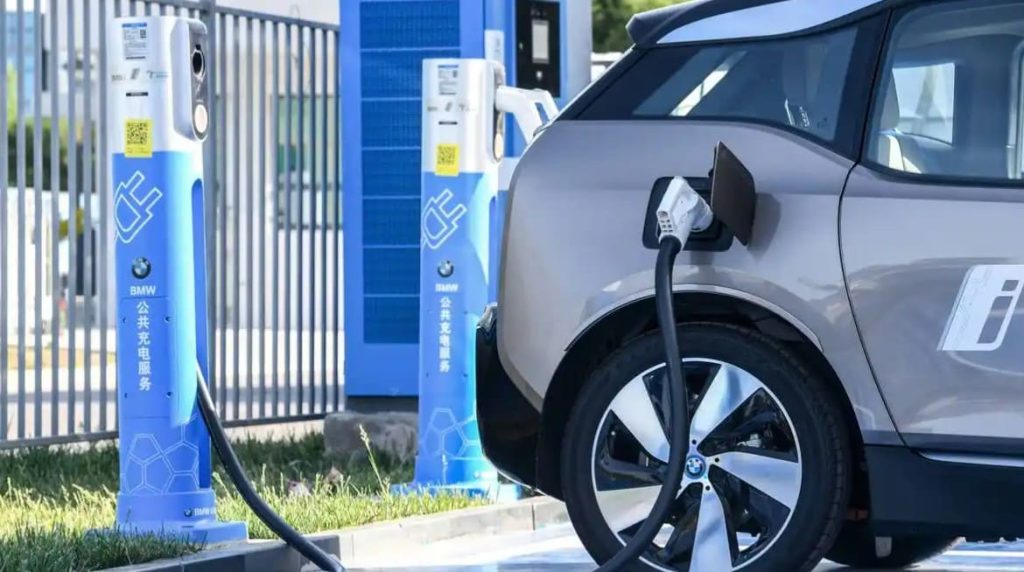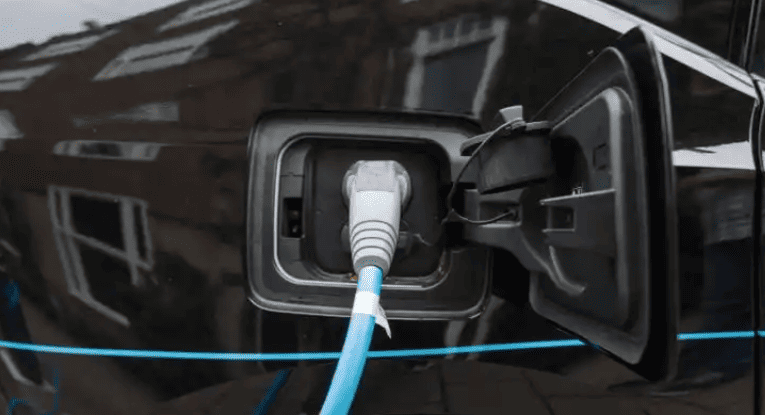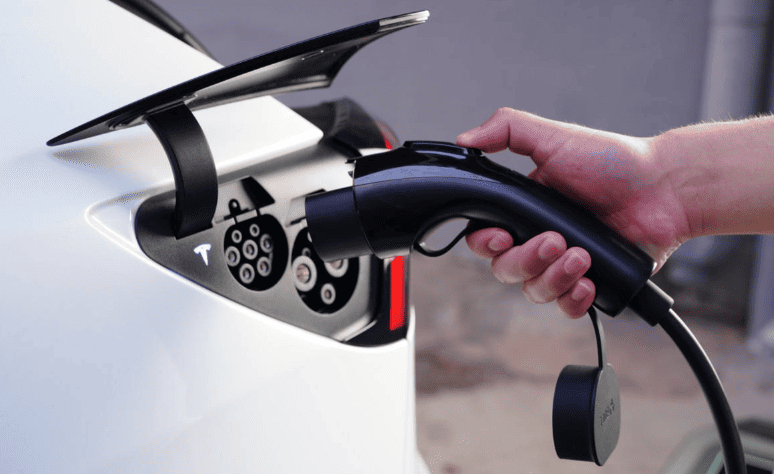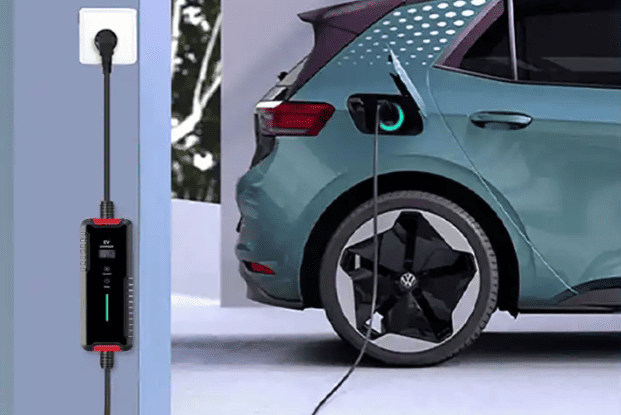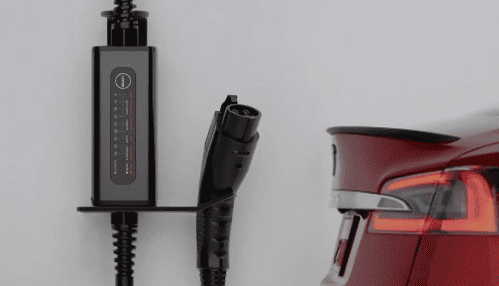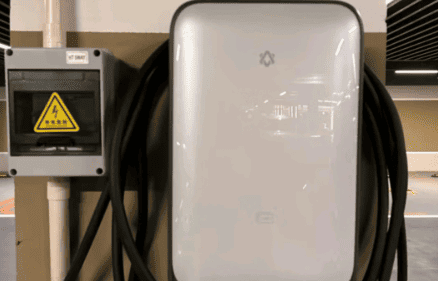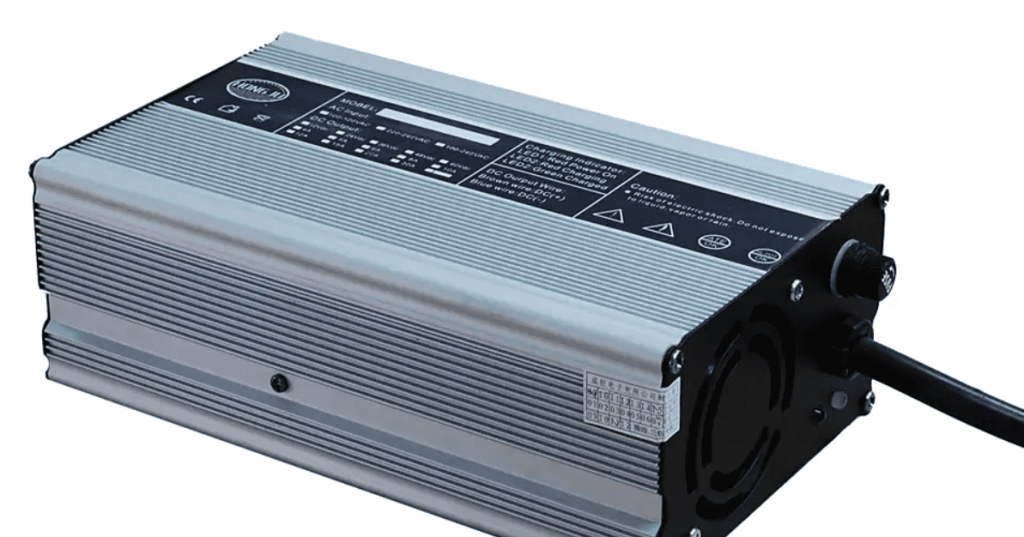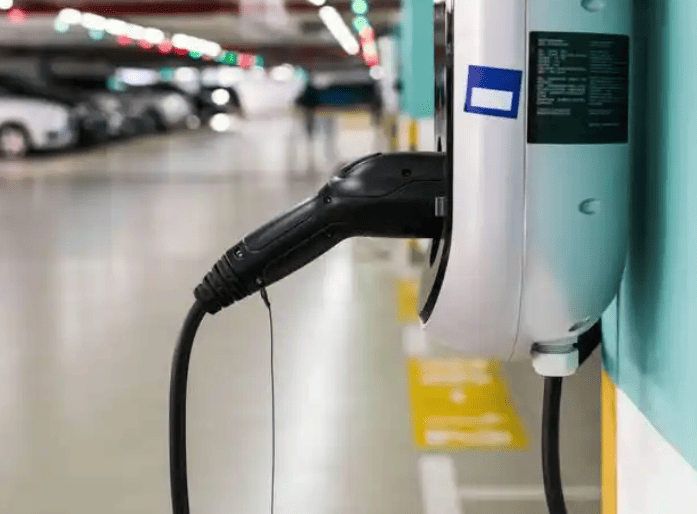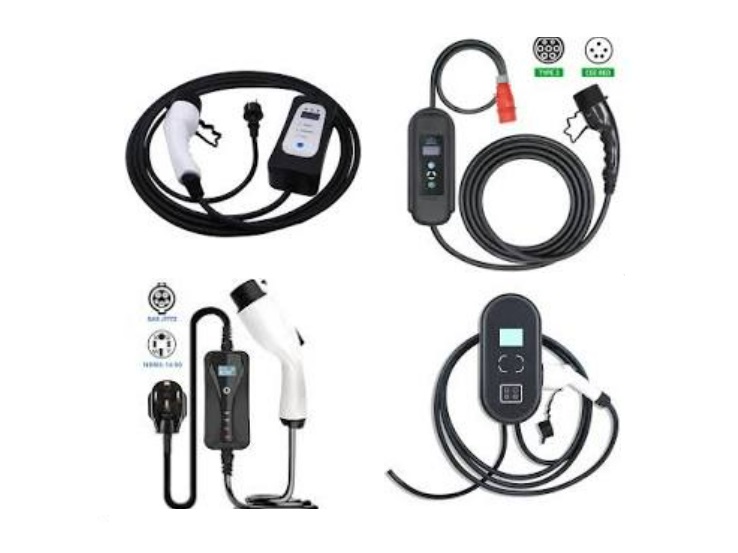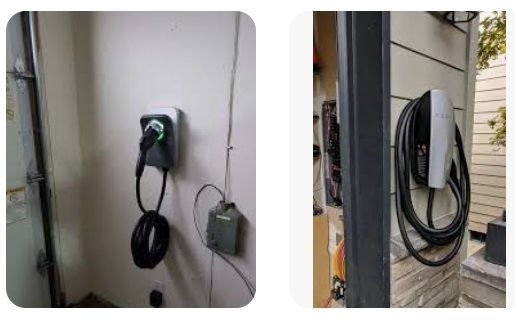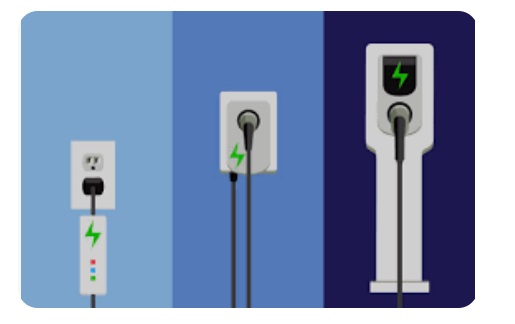
Why install an ev charger at home?
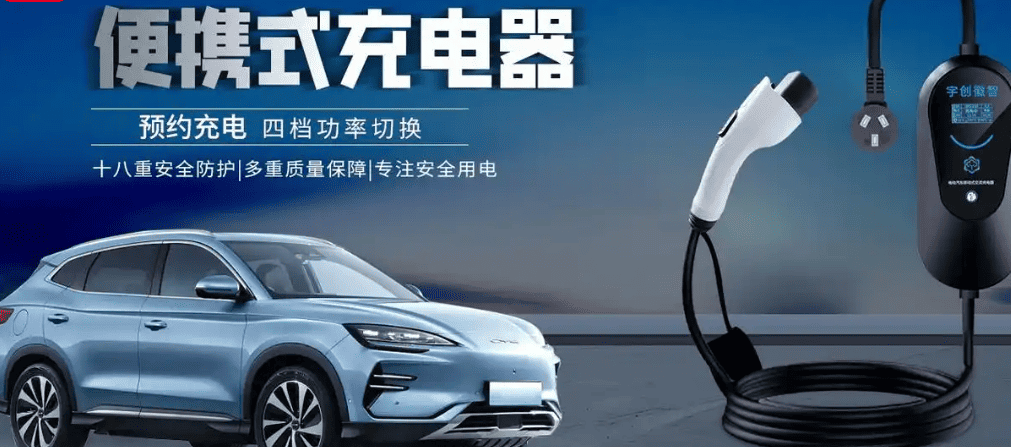
Key Reasons for Installing a Home EV Charger: Convenience, Cost Savings, Battery Protection, Policy Support, and Increased Resale Value
- Convenience
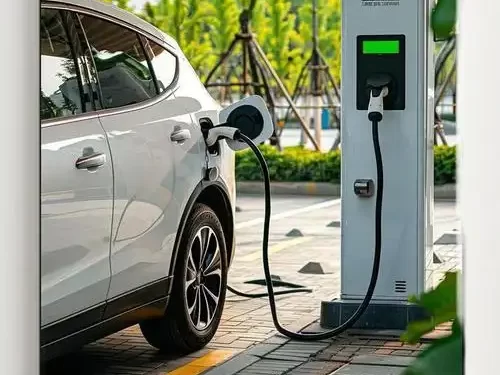
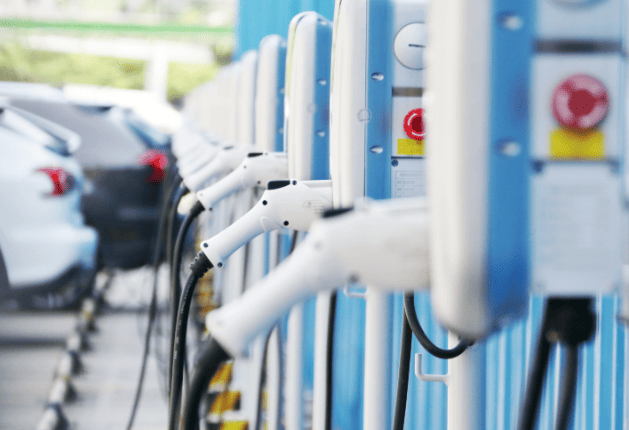
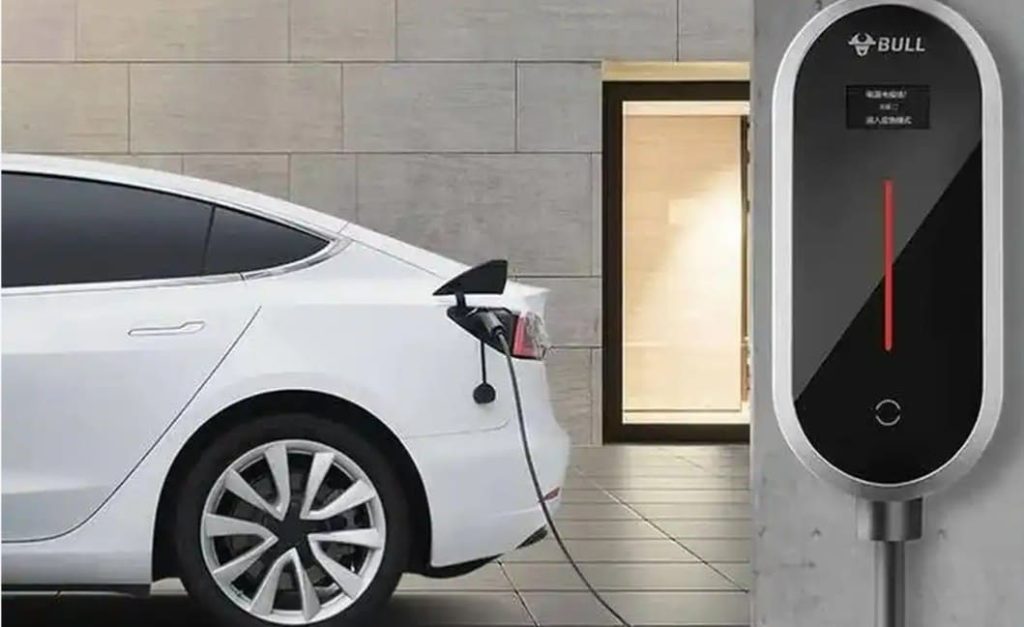
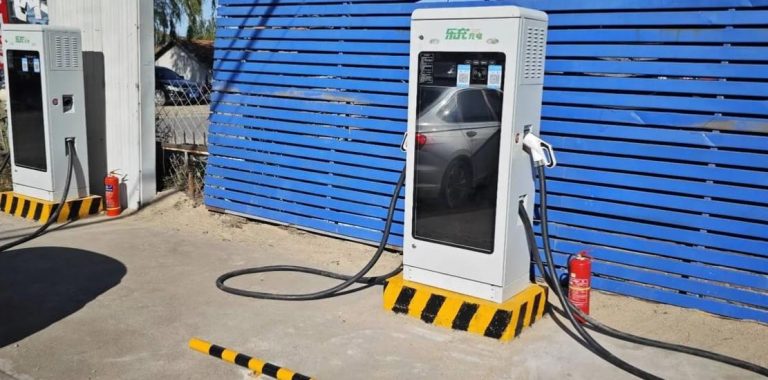
- A home charger allows you to charge your EV anytime at home, eliminating the hassle of searching for and waiting at public charging stations.
- Scheduled charging (e.g., during off-peak hours) further saves time and reduces costs.
- Cost Savings
- Home charging costs are significantly lower than public charging. Residential off-peak rates (0.3–0.5 RMB/kWh) compare favorably to public rates (~1.28 RMB/kWh, including service fees).
- Reduces unnecessary energy consumption from driving to distant chargers.
- Battery Protection
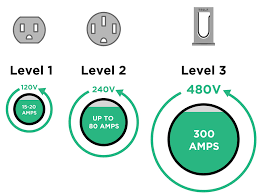
- Slow charging (e.g., 3.5kW/7kW) is gentler on batteries than fast charging, minimizing long-term degradation.
- Supports partial charging (e.g., 80–90%) to extend battery lifespan.
- Policy Incentives
- Many residential areas offer subsidies or support for charger installations, aligning with green energy initiatives.
- Eases grid pressure by distributing charging demand.
- Higher Resale Value
- EVs with private chargers are more attractive in the used-car market, reflecting convenience and owner care.
Why a Home Charger is Essential for EV Owners
A home charger transforms EV ownership by offering convenience, savings, and longevity:
- No more queues: Charge overnight at home.
- Lower costs: Off-peak rates cut charging expenses by over 50%.
- Battery health: Slow charging preserves battery capacity.
- Future-proofing: Policies and infrastructure increasingly favor home charging.
Key Benefits:
- Convenience
- Skip public station waits; plug in anytime.
- Schedule charging during low-rate hours.
- Cost Efficiency
- Home electricity rates are far cheaper than public options.
- Eliminates detours to charging stations.
- Battery Care
- Gentle charging reduces wear vs. fast-charging’s high currents.
- Partial charging (e.g., 80%) optimizes battery cycles.
- Resale Appeal
- Private chargers signal well-maintained vehicles.
- Policy & Grid Benefits
- Subsidies available in many areas.
- Balances grid load by utilizing off-peak power.
Summary: A home charger is the smartest long-term investment for EV owners, especially those with fixed parking. It merges affordability, ease, and battery care into a seamless experience.
Advantages of Home EV Chargers
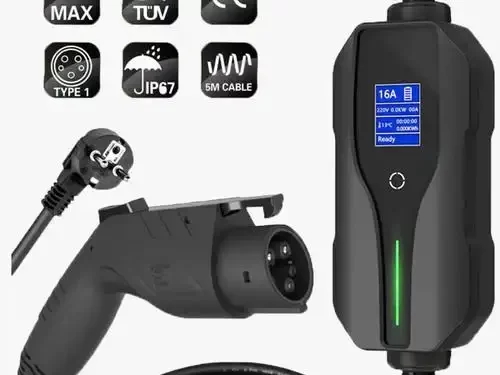
A home charger acts as a personal “gas station”—filling your battery overnight for as little as 10 RMB per charge, while safeguarding battery health and boosting resale value. Wake up to a fully charged car and control sessions remotely for stress-free green mobility.
Top Benefits:
- Hassle-Free Charging
- Plug in at home; avoid public station queues.
- Scheduled charging aligns with off-peak discounts.
- Economic Edge
- Costs ~0.3 RMB/kWh overnight vs. 1.5+ RMB/kWh publicly.
- A full charge (500km range) costs ~10 RMB—far cheaper than gas.
- Battery Longevity
- Smart chargers adjust current/voltage to prevent overcharging.
- Slow charging reduces heat stress, extending battery life by 20–30%.
- Higher Resale Value
- Buyers prioritize EVs with home charging access.
- Eco-Friendly
- Leverages off-peak renewable energy, cutting carbon footprints.
- Smart Living
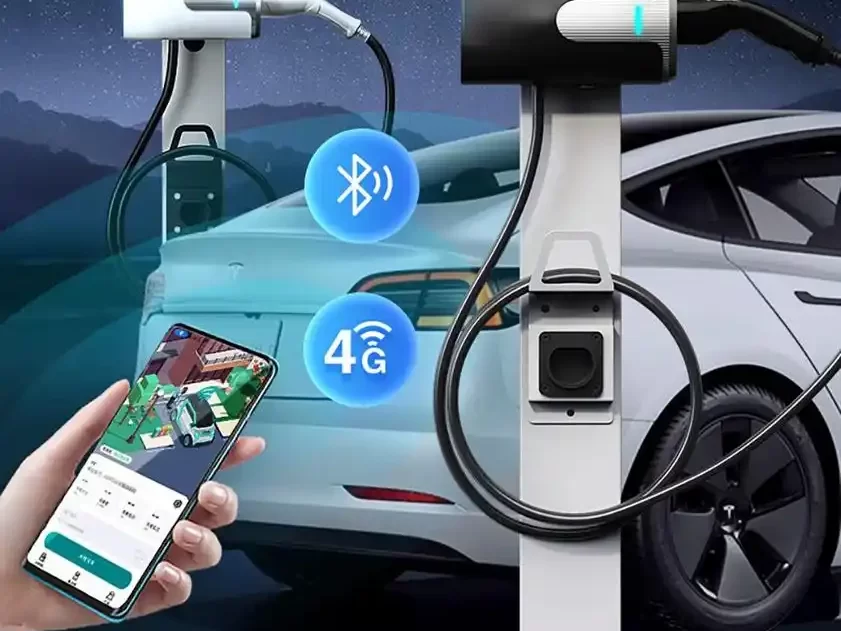
- App-controlled monitoring and scheduling integrate with smart homes.
- Future-Proofing
- Prepares for expanding EV adoption.
- Community Impact
- Encourages neighbors to adopt green transport.
Are Home Chargers Reliable? Why Their Popularity is Soaring
With EVs becoming mainstream, home chargers are proven reliable and increasingly favored for:
Key Advantages:
- Efficiency
- Charge overnight without trips to public stations.
- Cost Savings
- Residential rates + off-peak discounts slash expenses.
- Safety
- Certified units feature surge protection, leakage prevention, and fire resistance.
- Smart Features
- Remote control via apps for real-time monitoring.
Why the Surge in Adoption?
- EV boom: Rising ownership drives demand.
- Infrastructure growth: Government and community support expands installation access.
- User demand: Convenience and savings outweigh upfront costs.
Conclusion: Home chargers are a safe, economical, and future-ready solution. Choosing certified brands and professional installation ensures optimal performance.
Top 5 Reasons to Install a Home EV Charger
- Eco-Friendly
- Zero emissions + efficient energy use.
- Convenience
- Charge at home, anytime—no station hunting.
- Savings
- Lower electricity rates + potential subsidies.
- Extended Range
- Start each day with a “full tank.”
- Future Investment
- Aligns with global shifts to electrified transport.
Final Take: A home charger pays off in cost, convenience, and sustainability, making it a must-have for EV owners.